Professional Veterinary Tools and Equipment - Advanced Medical Solutions for Animal Healthcare

Get a Free Quote

Our representative will contact you soon.
Email
Name
Company Name
Intended Products
Message
0/1000

veterinary tools and equipment

Veterinary tools and equipment represent the backbone of modern animal healthcare, encompassing a comprehensive range of sophisticated instruments designed to diagnose, treat, and monitor the health of various animal species. These essential medical devices serve veterinarians, veterinary technicians, and animal care professionals in delivering optimal healthcare services across diverse settings, from small animal clinics to large animal hospitals and mobile veterinary units. The primary functions of veterinary tools and equipment span multiple categories including diagnostic instruments, surgical equipment, monitoring devices, and therapeutic apparatus. Diagnostic tools such as digital radiography systems, ultrasound machines, and blood analyzers enable precise identification of medical conditions through advanced imaging and laboratory analysis. Surgical instruments including scalpels, forceps, electrocautery units, and specialized operating tables facilitate safe and effective surgical procedures. Monitoring equipment like anesthesia machines, pulse oximeters, and ECG monitors ensure patient safety during procedures and recovery periods. The technological features of modern veterinary tools and equipment incorporate cutting-edge innovations that enhance accuracy, efficiency, and patient outcomes. Digital imaging systems provide high-resolution images with instant results, eliminating the need for chemical processing and reducing examination time. Wireless connectivity allows real-time data transmission between devices and practice management systems, streamlining workflow and improving record-keeping accuracy. Touch-screen interfaces and intuitive software design make complex equipment user-friendly, reducing training time and minimizing operational errors. Applications of veterinary tools and equipment extend across numerous specialties including small animal medicine, large animal practice, exotic animal care, and emergency veterinary services. In small animal practices, portable ultrasound devices enable quick cardiac assessments and pregnancy confirmations. Large animal veterinarians utilize portable X-ray units for field diagnostics and specialized restraint equipment for safe handling of livestock. Emergency veterinary services rely on portable monitoring systems and rapid diagnostic tools for critical care situations.

New Product Recommendations

Modern veterinary tools and equipment deliver substantial benefits that directly impact practice efficiency, diagnostic accuracy, and patient care quality. These advanced medical instruments streamline daily operations by reducing examination time and increasing throughput capacity, allowing veterinary professionals to serve more patients effectively. Digital diagnostic equipment eliminates traditional film processing delays, providing instant results that accelerate treatment decisions and improve client satisfaction. Automated blood analyzers process multiple samples simultaneously, delivering comprehensive laboratory results within minutes rather than hours, which proves especially valuable in emergency situations where rapid diagnosis determines patient survival. The enhanced precision of contemporary veterinary tools and equipment significantly improves diagnostic accuracy compared to traditional methods. High-resolution ultrasound systems reveal subtle abnormalities that might escape detection with older technology, enabling early intervention and better treatment outcomes. Digital radiography provides superior image quality with adjustable contrast and magnification features, allowing veterinarians to identify conditions that conventional X-rays might miss. Advanced monitoring equipment tracks vital signs continuously, alerting medical staff to changes that require immediate attention, thereby preventing complications and reducing mortality rates. Cost-effectiveness represents another compelling advantage of modern veterinary tools and equipment. While initial investment may seem substantial, these instruments generate long-term savings through reduced consumable costs, decreased maintenance requirements, and improved operational efficiency. Digital systems eliminate ongoing film and chemical expenses associated with traditional radiography, while durable construction ensures years of reliable service. Energy-efficient designs reduce electricity consumption, contributing to lower operational costs and environmental sustainability. The versatility of contemporary veterinary tools and equipment allows practices to expand their service offerings without requiring additional space or staff. Multi-functional devices combine several diagnostic capabilities in single units, maximizing utility while minimizing storage requirements. Portable equipment enables mobile veterinary services and field work, expanding practice reach and revenue potential. User-friendly interfaces reduce training time for new staff members, lowering educational costs and accelerating productivity. Enhanced client communication represents an additional benefit, as modern equipment produces clear images and reports that help veterinarians explain conditions to pet owners more effectively, building trust and improving compliance with treatment recommendations.

Latest News

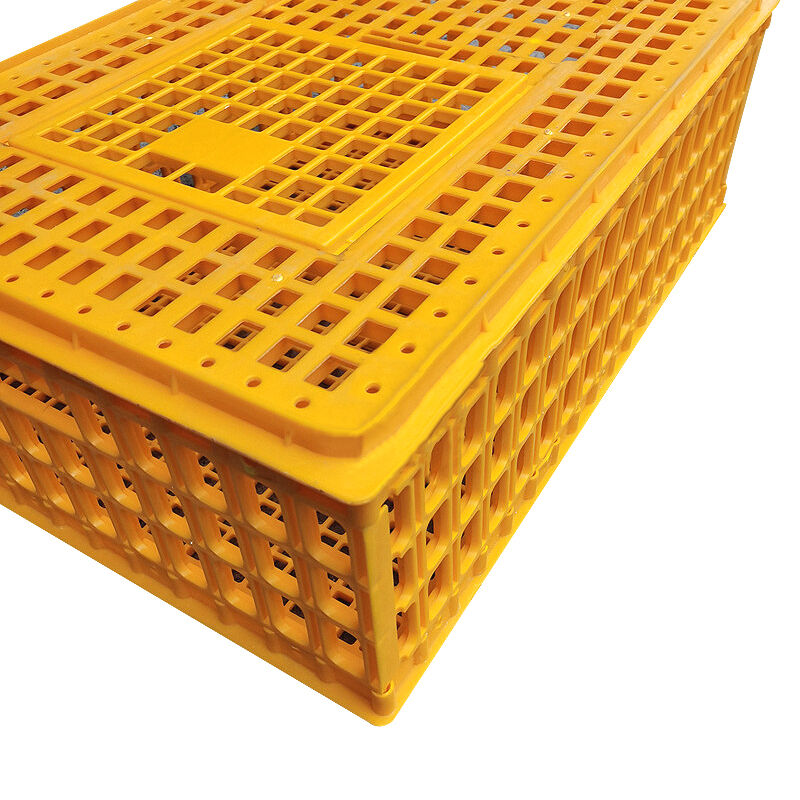
What Are the Best Design Features of Chicken Transport Crates?

05

Jan

What Are the Best Design Features of Chicken Transport Crates?

Modern Poultry Transport: Key Design Elements of Chicken Transport Crates The transportation of live poultry requires carefully engineered solutions that prioritize both animal welfare and operational efficiency. Chicken transport crates have evolve...
View More
Which gauge and length options matter in animal needle selection?

29

Jan

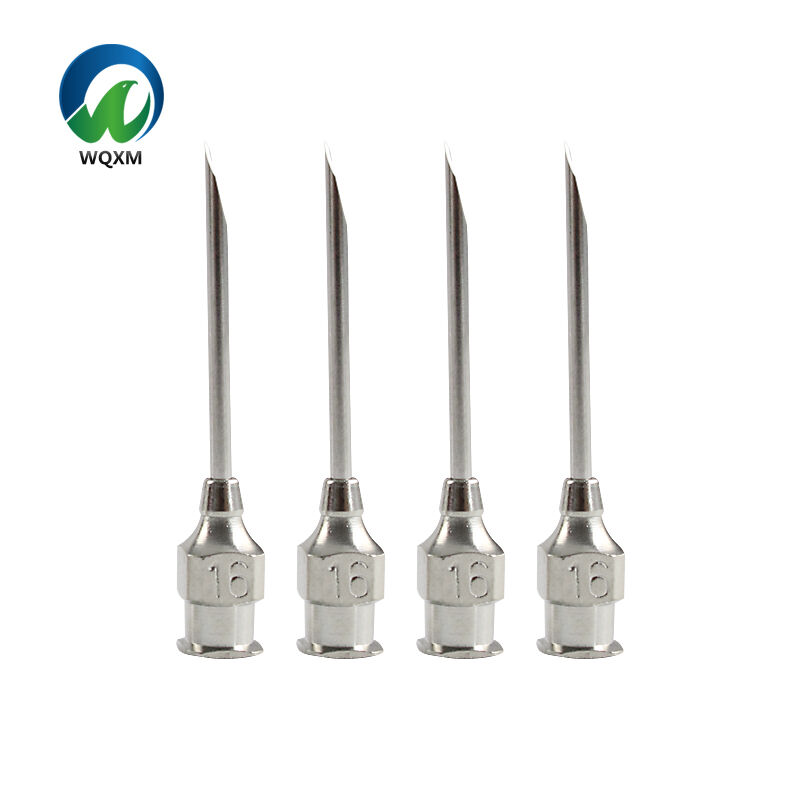
Which gauge and length options matter in animal needle selection?

Selecting the appropriate animal needle for veterinary procedures requires careful consideration of multiple factors that directly impact treatment efficacy and patient comfort. The gauge and length specifications of an animal needle determine its su...
View More
Is Manual Feeding Still Sustainable on Farms Without a Pig Auto Feeding Line?

28

Feb

Is Manual Feeding Still Sustainable on Farms Without a Pig Auto Feeding Line?

Modern pig farming operations face mounting pressure to balance efficiency, cost management, and animal welfare standards. Traditional manual feeding methods, once the backbone of agricultural practices, are increasingly scrutinized as farms expand a...
View More
How do ergonomic designs in a continuous syringe prevent operator fatigue?

31

Mar

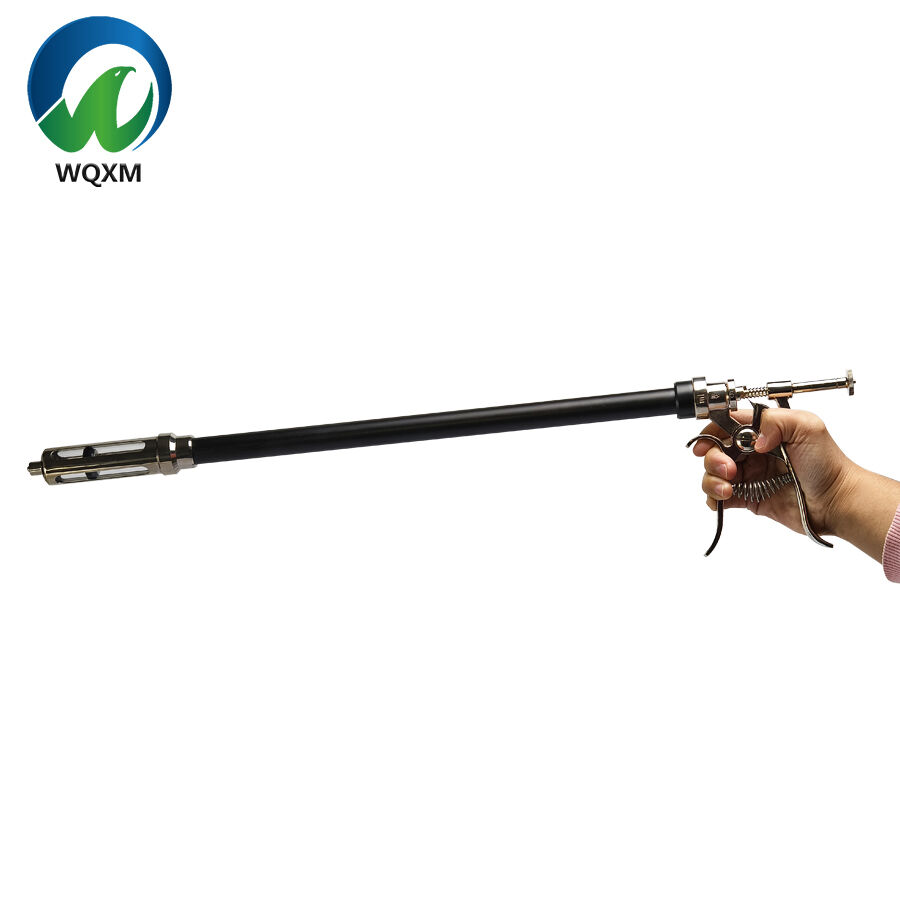
How do ergonomic designs in a continuous syringe prevent operator fatigue?

Operator fatigue during prolonged vaccination procedures represents a significant challenge in veterinary practice, directly impacting both professional comfort and treatment accuracy. The ergonomic design of a continuous syringe serves as the primar...
View More

Get a Free Quote

Our representative will contact you soon.
Email
Name
Company Name
Intended Products
Message
0/1000

veterinary tools and equipment

Advanced Digital Imaging Technology

Advanced Digital Imaging Technology

The integration of advanced digital imaging technology in veterinary tools and equipment revolutionizes diagnostic capabilities and transforms the way veterinary professionals approach patient care. Modern digital radiography systems eliminate the need for chemical processing and film storage while delivering superior image quality that surpasses traditional X-ray methods. These sophisticated imaging systems capture high-resolution images instantly, allowing veterinarians to view results immediately and make rapid treatment decisions that can be critical in emergency situations. The digital format enables easy image manipulation, including zoom, contrast adjustment, and measurement tools that enhance diagnostic precision and reveal subtle abnormalities that might be missed with conventional radiography. The technological advancement extends to ultrasound equipment, where high-frequency transducers and advanced beam-forming algorithms produce crystal-clear images of internal organs, soft tissues, and blood flow patterns. Real-time imaging capabilities allow veterinarians to observe organ function dynamically, providing valuable insights into cardiac performance, respiratory function, and digestive processes. The portability of modern ultrasound units makes them ideal for field work and mobile veterinary services, bringing advanced diagnostic capabilities directly to farms, stables, and remote locations. Digital storage and retrieval systems integrated into these veterinary tools and equipment create comprehensive patient databases that support long-term health monitoring and treatment planning. Images can be easily shared with specialists, archived for future reference, and integrated with electronic medical records for seamless workflow management. The reduction in radiation exposure through optimized digital sensors protects both patients and veterinary staff while maintaining excellent image quality. Cloud-based storage solutions ensure data security and enable remote access to patient records, supporting telemedicine consultations and collaborative diagnosis. These technological features collectively enhance the value proposition for veterinary practices by improving diagnostic accuracy, reducing operational costs, and expanding service capabilities while delivering superior patient care outcomes.
Precision Monitoring and Life Support Systems

Precision Monitoring and Life Support Systems

Precision monitoring and life support systems integrated into modern veterinary tools and equipment provide unprecedented levels of patient safety and clinical oversight during surgical procedures, anesthesia administration, and critical care management. These sophisticated monitoring devices continuously track vital physiological parameters including heart rate, respiratory rate, blood pressure, oxygen saturation, and body temperature, providing real-time feedback that enables immediate intervention when abnormalities are detected. Advanced anesthesia machines incorporate multiple safety features including pressure-relief valves, flow meters, and vaporizer systems that ensure precise delivery of anesthetic gases while preventing dangerous overdoses or equipment malfunctions. The integration of capnography monitoring allows veterinarians to assess respiratory function continuously by measuring exhaled carbon dioxide levels, providing early warning signs of respiratory depression or airway obstruction. Pulse oximetry sensors adapted specifically for veterinary use accommodate various animal sizes and species, from small birds to large horses, ensuring accurate oxygen saturation readings across diverse patient populations. The data logging capabilities of these veterinary tools and equipment create detailed records of patient vital signs throughout procedures, supporting quality assurance protocols and enabling retrospective analysis for continuous improvement. Alarm systems with customizable parameters alert medical staff to critical changes in patient condition, reducing the risk of complications and improving survival rates. The wireless connectivity features allow remote monitoring from adjacent areas, enabling efficient multi-tasking while maintaining vigilant patient oversight. Battery backup systems ensure uninterrupted operation during power outages, providing essential life support capabilities when they are needed most. The modular design of modern monitoring equipment allows practices to expand capabilities gradually, starting with basic monitoring functions and adding advanced features as patient volume and complexity increase. These precision systems significantly reduce the stress and uncertainty associated with veterinary procedures by providing objective data that guides clinical decision-making and ensures optimal patient outcomes through every stage of treatment and recovery.
Ergonomic Design and User-Friendly Operation

Ergonomic Design and User-Friendly Operation

The ergonomic design and user-friendly operation features incorporated into contemporary veterinary tools and equipment represent a significant advancement that directly benefits both veterinary professionals and their patients through improved efficiency, reduced fatigue, and enhanced safety during medical procedures. Modern equipment designers prioritize human factors engineering, creating instruments that reduce physical strain and minimize the risk of repetitive stress injuries that commonly affect veterinary professionals. Lightweight materials and balanced weight distribution in handheld instruments prevent hand and wrist fatigue during lengthy procedures, while adjustable height examination tables and hydraulic lift systems protect veterinary staff from back injuries associated with patient handling. The intuitive interface design of digital veterinary tools and equipment reduces learning curves and minimizes the potential for operational errors that could compromise patient safety or diagnostic accuracy. Touch-screen controls with icon-based navigation systems make complex functions accessible to users with varying levels of technical expertise, reducing training time and improving workflow efficiency. Color-coded components and standardized control layouts across equipment lines ensure consistency and reduce confusion when staff members switch between different instruments. The incorporation of visual and audible feedback systems provides clear confirmation of system status and alerts users to potential issues before they become problematic. Wireless connectivity eliminates cable clutter and trip hazards while providing freedom of movement around patients during examinations and procedures. Quick-connect features for cables and accessories reduce setup time and minimize wear on connection points, extending equipment lifespan and reducing maintenance costs. The modular design philosophy allows practices to customize their veterinary tools and equipment configurations based on specific needs and workflow requirements, maximizing efficiency and return on investment. Easy-clean surfaces with antimicrobial coatings support infection control protocols while reducing cleaning time between patients. Automated calibration systems maintain accuracy without requiring extensive technical knowledge, ensuring reliable performance with minimal user intervention. These thoughtful design elements combine to create veterinary tools and equipment that enhance the working environment for veterinary professionals while delivering superior care outcomes for animal patients through more precise, efficient, and safe medical procedures.
Tel Tel WhatApp WhatApp Email Email WeChat WeChat
WeChat