 EN
EN

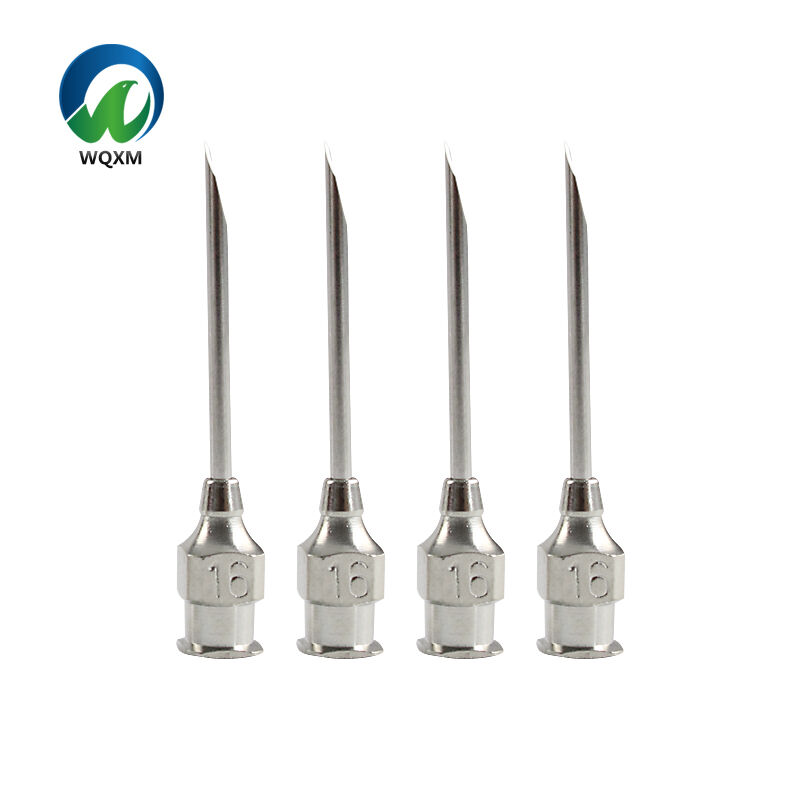
Selecting the appropriate animal needle for veterinary procedures requires careful consideration of multiple factors that directly impact treatment efficacy and patient comfort. The gauge and length specifications of an animal needle determine its suitability for specific applications, from routine vaccinations to complex diagnostic procedures. Understanding these critical parameters helps veterinary professionals make informed decisions that optimize therapeutic outcomes while minimizing animal stress and tissue trauma during medical interventions.
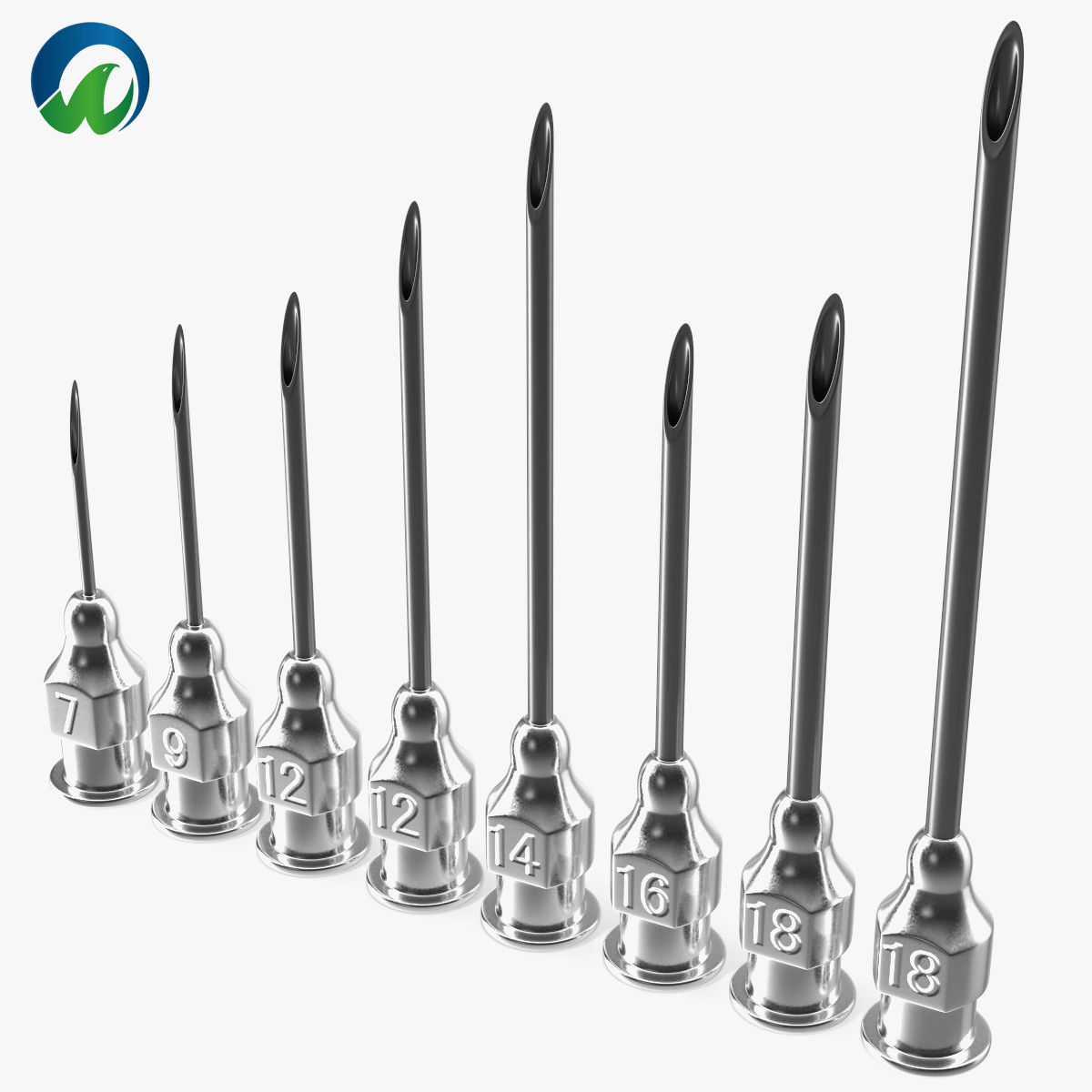
Understanding Animal Needle Gauge Specifications
Gauge Measurement Fundamentals
The gauge of an animal needle refers to its internal diameter, with higher gauge numbers indicating thinner needles. This inverse relationship is crucial for veterinary practitioners to understand when selecting appropriate equipment for different procedures. Common gauge ranges for animal needles typically span from 14-gauge for larger animals requiring substantial medication volumes to 25-gauge for delicate procedures on smaller species. The selection process involves balancing flow rate requirements with patient comfort considerations.
Veterinary applications demand specific gauge considerations based on the viscosity of medications being administered. Thick solutions such as antibiotics or vitamin preparations require lower gauge numbers to facilitate smooth injection, while vaccines and other fluid medications can be administered effectively through higher gauge animal needle options. The resistance created by smaller gauge needles can potentially alter medication delivery rates, making gauge selection a critical factor in treatment protocols.
Impact on Medication Flow Rates
Flow rate characteristics of different gauge animal needle options significantly influence injection efficiency and patient experience. Lower gauge needles allow faster medication delivery, which can be advantageous when administering large volumes to livestock or when rapid intervention is necessary. However, the increased tissue trauma associated with larger gauge needles must be weighed against the benefits of improved flow rates in veterinary practice scenarios.
Research indicates that medication viscosity directly correlates with optimal gauge selection for animal needle applications. Practitioners must consider both the physical properties of therapeutic agents and the physiological requirements of target species when determining appropriate gauge specifications. This consideration becomes particularly important when dealing with temperature-sensitive medications that may thicken or thin based on environmental conditions during administration.
Length Considerations for Different Animal Species
Species-Specific Length Requirements
The length of an animal needle must accommodate the anatomical variations between different species and individual animals within species groups. Large animals such as cattle and horses require significantly longer needles to penetrate through thick skin layers and reach target injection sites effectively. Conversely, small animals including cats, rabbits, and exotic pets benefit from shorter needle lengths that provide adequate penetration without risking injury to underlying structures.
Body condition scoring plays a vital role in determining appropriate animal needle length for individual patients. Obese animals may require longer needles to ensure proper medication delivery to intended tissue layers, while emaciated patients might need shorter lengths to prevent inadvertent penetration of vital organs. Veterinary professionals must assess each patient individually to select optimal needle specifications that account for both species characteristics and individual physical conditions.
Injection Site Considerations
Different injection routes require specific length considerations when selecting an animal needle for veterinary procedures. Intramuscular injections typically require longer needles to penetrate skin and subcutaneous tissue layers effectively, ensuring medication reaches the intended muscle tissue. Subcutaneous injections can be performed with shorter needles, as the target injection depth is more superficial and requires less penetration distance.
Anatomical landmarks guide needle length selection for specific injection sites commonly used in veterinary practice. The neck region of most farm animals allows for varied needle lengths depending on the specific location and intended injection route. Hip and shoulder injection sites may require different length specifications based on muscle mass and tissue thickness variations between individual animals and species groups.
Safety and Comfort Factors
Minimizing Patient Discomfort
Patient comfort during needle insertion and medication delivery depends significantly on appropriate gauge and length selection for each specific veterinary application. Thinner gauge animal needle options reduce initial penetration trauma, while appropriate length selection prevents excessive tissue displacement during injection procedures. These factors contribute to reduced stress responses in animals, which can improve overall treatment outcomes and facilitate future handling procedures.
The sharpness and quality of animal needle tips directly impact patient comfort levels during veterinary procedures. High-quality needles maintain sharp points throughout use, reducing the force required for tissue penetration and minimizing associated discomfort. Regular inspection of needle condition ensures optimal performance and patient welfare during medical interventions across various species and treatment scenarios.
Preventing Tissue Damage
Proper animal needle selection helps prevent unnecessary tissue trauma that can lead to complications such as hematoma formation, infection, or prolonged healing times. Oversized needles create larger tissue defects that require additional healing resources, while undersized needles may necessitate multiple insertion attempts if medication delivery is compromised. Balanced selection criteria ensure effective treatment delivery while preserving tissue integrity.
Needle bending or breaking during use poses significant safety risks to both patients and veterinary staff. Appropriate gauge selection based on injection site resistance and medication viscosity reduces the likelihood of needle failure during procedures. Quality animal needle products undergo rigorous testing to ensure structural integrity under typical use conditions encountered in veterinary practice environments.
Clinical Application Guidelines
Vaccination Protocols
Vaccination procedures require specific animal needle characteristics to ensure proper vaccine delivery and minimize adverse reactions. Most vaccines are formulated for subcutaneous or intramuscular administration, requiring needle lengths sufficient to reach appropriate tissue layers without excessive penetration. The immune response generated by vaccines can be influenced by injection site selection and needle specifications used during administration procedures.
Multi-dose vaccination protocols must consider needle contamination prevention and maintain sterile conditions throughout treatment sessions. Fresh animal needle selection for each patient prevents cross-contamination and ensures optimal vaccine efficacy. Proper disposal procedures for used needles protect both veterinary staff and environmental safety while maintaining biosecurity standards in clinical practice settings.
Therapeutic Medication Administration
Therapeutic medications encompass a wide range of formulations requiring different animal needle specifications for optimal delivery. Antibiotic preparations may have varying viscosity levels that influence gauge requirements, while pain management medications might require specific injection routes that determine appropriate needle lengths. Understanding medication characteristics helps guide proper needle selection for each therapeutic intervention.
Controlled substance administration requires additional documentation and security measures that can be facilitated by proper animal needle selection. Accurate dosing and waste minimization become important factors when handling restricted medications, making needle gauge and length selection critical for both regulatory compliance and clinical effectiveness in veterinary practice applications.
Quality and Manufacturing Standards
Material Specifications
High-quality animal needle manufacturing utilizes medical-grade stainless steel that provides optimal sharpness retention and corrosion resistance throughout the expected service life. The metallurgical properties of needle materials affect performance characteristics such as penetration force requirements and structural integrity during use. Premium materials ensure consistent performance across diverse veterinary applications and environmental conditions.
Surface finish quality on animal needle products influences both penetration characteristics and patient comfort during injection procedures. Smooth, polished surfaces reduce tissue drag and minimize insertion force requirements, contributing to improved patient experiences during veterinary treatments. Manufacturing tolerances must be maintained to ensure consistent performance between individual needles within product batches.
Sterility and Packaging
Sterile packaging systems protect animal needle integrity from manufacturing through clinical use, ensuring patient safety and treatment efficacy. Individual packaging allows for sterile presentation during procedures while protecting needle sharpness and preventing contamination. Proper storage conditions maintain sterility and needle quality until the point of use in veterinary practice environments.
Expiration dating systems ensure animal needle products maintain optimal performance characteristics throughout their intended shelf life. Storage recommendations provided by manufacturers help preserve needle quality and sterility under various environmental conditions commonly encountered in veterinary clinics. Inventory rotation procedures ensure fresh supplies are available when needed for patient care activities.
FAQ
What gauge animal needle should be used for vaccinating cattle
For cattle vaccination, 16-gauge to 18-gauge animal needle options are typically recommended, with lengths ranging from 1 to 1.5 inches depending on injection site and animal size. These specifications provide adequate flow rates for vaccine delivery while minimizing tissue trauma in large animals. The gauge selection should consider vaccine viscosity and manufacturer recommendations for optimal immune response generation.
How do you determine the correct needle length for small animal procedures
Small animal needle length selection depends on species size, body condition, and intended injection route. Generally, 0.5 to 1-inch lengths are appropriate for most small animal applications, with gauge selections ranging from 22 to 25. Subcutaneous injections typically require shorter needles than intramuscular procedures, and individual patient assessment helps determine optimal specifications for each clinical situation.
Can the same animal needle be used for different medications
Using the same animal needle for different medications is not recommended due to contamination risks and potential drug interactions. Each medication should be administered with a fresh, sterile needle to prevent cross-contamination and ensure optimal therapeutic outcomes. This practice also maintains needle sharpness and reduces patient discomfort associated with multiple tissue penetrations using the same needle.
What factors affect animal needle selection for emergency procedures
Emergency procedures require animal needle selection based on rapid assessment of patient size, medication viscosity, and required injection route. Larger gauge needles may be necessary for thick emergency medications or when rapid administration is critical. However, patient comfort and tissue preservation remain important considerations even in emergency situations, requiring balanced decision-making regarding needle specifications.