 EN
EN

Modern livestock management demands precision, efficiency, and reliability in every aspect of animal care. Among the various tools available to farmers and veterinarians, drenchers have emerged as indispensable devices for administering liquid medications, supplements, and nutrients directly to animals. These specialized instruments revolutionize feeding practices by ensuring accurate dosing while minimizing waste and stress for both animals and handlers. Understanding how drenchers work and their impact on agricultural operations can significantly improve productivity and animal welfare outcomes.
Understanding Drencher Technology and Design
Core Components and Functionality
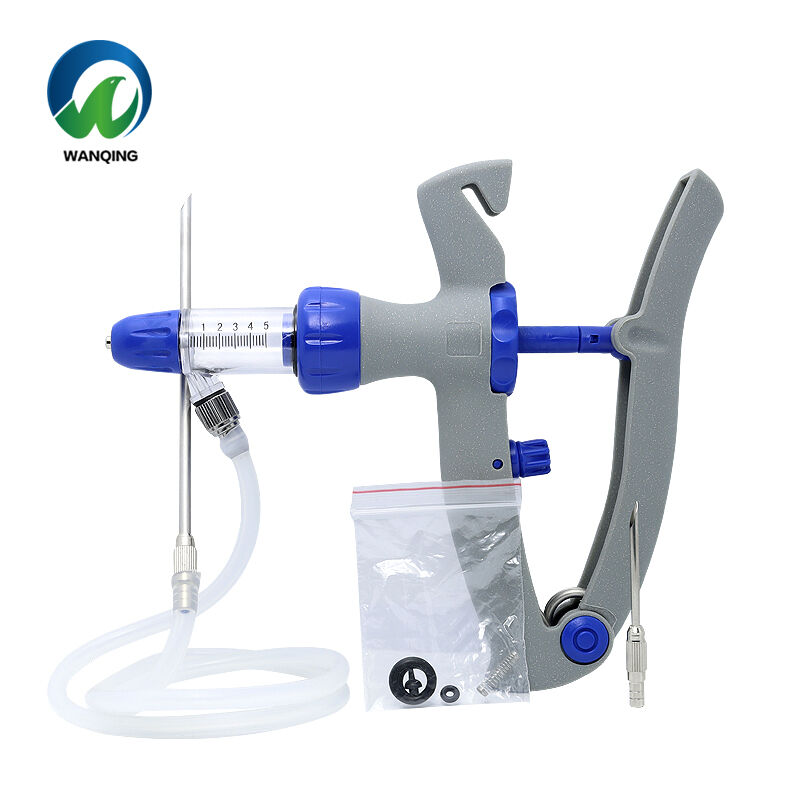
Drenchers consist of several essential components working together to deliver precise liquid administration. The reservoir chamber holds the medication or supplement, while the pump mechanism creates controlled pressure for consistent flow rates. A graduated measurement system ensures accurate dosing, and specialized nozzles or tubes direct the liquid into the animal's mouth or throat. Advanced models incorporate adjustable volume settings, allowing operators to customize doses based on animal size and treatment requirements.
The pump mechanism represents the heart of most drencher systems, utilizing either manual compression or automated pressure generation. Manual drenchers rely on hand-operated pumps that create suction and pressure through repeated squeezing motions. Automated versions employ battery-powered or pneumatic systems that maintain consistent pressure levels, reducing operator fatigue during extended use periods. These mechanical innovations ensure reliable performance across diverse agricultural environments and varying weather conditions.
Material Engineering and Durability
Construction materials play a crucial role in drencher performance and longevity. High-quality units feature corrosion-resistant metals, chemical-compatible plastics, and precision-engineered seals that withstand repeated exposure to various medications and cleaning solutions. Stainless steel components resist rust and contamination, while specialized polymers maintain flexibility and sealing integrity under temperature fluctuations. These material choices directly impact the device's ability to maintain accuracy and prevent cross-contamination between different treatments.
Ergonomic design considerations enhance user comfort and operational efficiency. Manufacturers incorporate comfortable grips, balanced weight distribution, and intuitive control mechanisms that reduce strain during prolonged use. Anti-slip surfaces and textured handles provide secure operation even when wet or contaminated, while lightweight construction minimizes fatigue without compromising structural integrity. These design elements contribute significantly to overall productivity and user satisfaction in demanding agricultural environments.
Precision Dosing and Measurement Capabilities
Accurate Volume Control Systems
Modern drenchers excel at delivering precise volumes ranging from milliliters to larger quantities, depending on application requirements. Calibrated measurement chambers feature clear markings and volumetric indicators that enable operators to prepare exact doses according to veterinary prescriptions or nutritional protocols. Some advanced models include digital displays showing real-time volume measurements, eliminating guesswork and reducing dosing errors that could impact animal health or treatment efficacy.
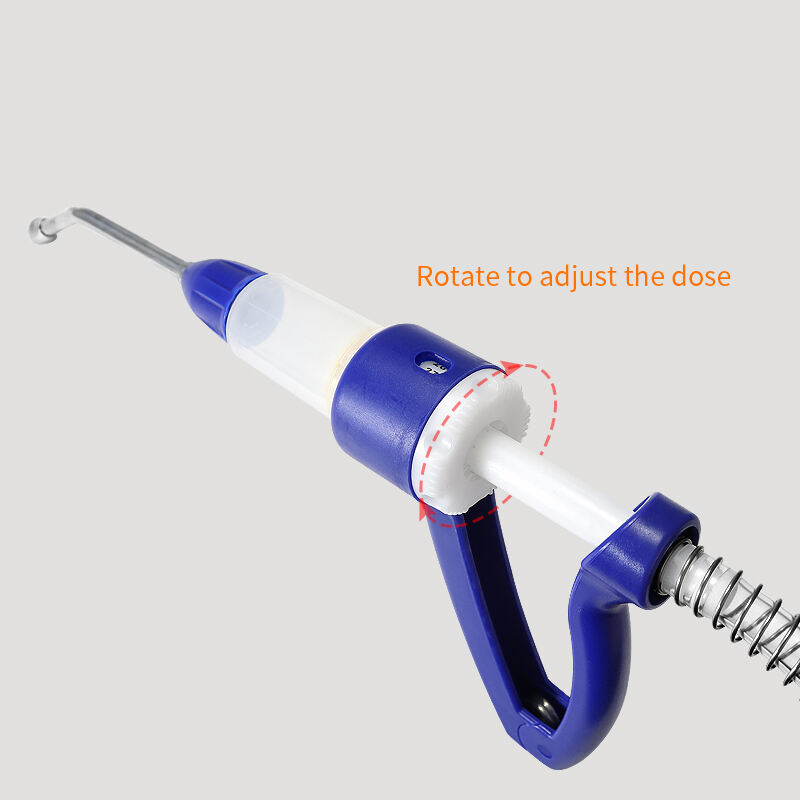
Variable dosing mechanisms allow operators to adjust delivery volumes without changing equipment or interrupting workflow. Twist-lock settings, sliding scales, and digital controls provide multiple options for dose customization. This flexibility proves particularly valuable when treating mixed herds containing animals of different sizes or ages, each requiring specific medication amounts. Consistent accuracy across multiple dose settings ensures uniform treatment effectiveness while minimizing waste of expensive medications or supplements.
Flow Rate Management
Controlled flow rates prevent overwhelming animals during administration while ensuring complete dose delivery. Drenchers incorporate pressure regulation systems that maintain steady liquid flow regardless of operator technique or animal movement. Adjustable flow controls accommodate different liquid viscosities, from thin water-based solutions to thicker oil-based medications, ensuring optimal delivery characteristics for each specific application.
Anti-drip mechanisms prevent medication loss between applications, conserving expensive treatments while maintaining hygiene standards. Spring-loaded valves, pressure-sensitive seals, and gravity-compensated designs eliminate unwanted dripping that could contaminate feed areas or waste valuable medications. These features prove especially important when administering costly veterinary pharmaceuticals where every drop represents significant value.
Operational Efficiency in Agricultural Settings
Time Management and Workflow Optimization
Drenchers dramatically reduce the time required for individual animal treatments compared to alternative administration methods. Traditional techniques involving bottles, syringes, or manual dosing often require multiple steps and careful handling that consume valuable labor hours. Modern drenchers streamline these processes into single-action operations that trained personnel can perform quickly and consistently across large herds or flocks.
Batch processing capabilities enable efficient treatment of multiple animals using pre-filled reservoirs and standardized procedures. Operators can prepare multiple doses simultaneously, reducing setup time and minimizing interruptions to normal feeding schedules. This efficiency becomes particularly valuable during preventive treatment programs, nutritional supplementation campaigns, or emergency response situations where rapid administration across entire herds is essential.
Labor Reduction and Skill Requirements
Simplified operation procedures reduce the skill level required for effective use, allowing farms to utilize available personnel more efficiently. Clear operating instructions, intuitive controls, and standardized techniques enable quick training of new operators without extensive veterinary knowledge or specialized experience. This accessibility helps smaller operations maintain consistent treatment protocols without requiring dedicated specialist staff.
Reduced physical demands associated with drencher use minimize operator fatigue during extended treatment sessions. Ergonomic designs, lightweight materials, and automated mechanisms reduce the physical strain associated with manual dosing methods. This improvement in working conditions leads to better consistency in treatment delivery and reduces the risk of operator-related errors that could compromise animal welfare or treatment effectiveness.
Safety Considerations and Animal Welfare
Stress Reduction During Administration
Proper drencher use significantly reduces stress levels in animals compared to forceful manual dosing methods. Smooth delivery mechanisms, appropriate flow rates, and minimal restraint requirements create a more comfortable experience for livestock during medication or supplement administration. Reduced stress correlates with better treatment absorption, improved immune responses, and faster recovery times from illness or nutritional deficiencies.
Gentle insertion techniques and properly sized delivery nozzles prevent injury to sensitive mouth and throat tissues. Well-designed drenchers feature rounded edges, smooth surfaces, and appropriately scaled components that accommodate different animal species and sizes. These safety features minimize the risk of cuts, bruising, or other physical trauma that could complicate treatment outcomes or create secondary health issues.
Contamination Prevention Protocols
Effective cleaning and sanitization procedures maintain hygienic conditions between uses and prevent cross-contamination between animals or treatment groups. Removable components, accessible surfaces, and chemical-resistant materials facilitate thorough cleaning using standard agricultural disinfectants. Regular maintenance schedules ensure continued performance while preventing bacterial growth or medication residue accumulation that could compromise future treatments.
Single-use components and disposable accessories provide additional contamination control options for high-risk situations. Replaceable nozzles, sterile tubing, and individual dose chambers eliminate cross-contamination risks when treating sick animals or administering sensitive medications. These safety measures prove particularly valuable in organic farming operations or facilities with strict biosecurity requirements.
Economic Benefits and Cost Analysis
Medication Conservation and Waste Reduction
Precise dosing capabilities significantly reduce medication waste compared to less accurate administration methods. Accurate measurement systems ensure animals receive exactly the prescribed amount without over-dosing or under-dosing that could compromise treatment effectiveness. This precision translates directly into cost savings, particularly when using expensive veterinary pharmaceuticals or specialized nutritional supplements.
Eliminated spillage and improved delivery efficiency further contribute to cost reduction by minimizing product loss during application. Traditional pouring or syringe methods often result in significant waste due to spills, drips, or measurement errors. Drenchers virtually eliminate these losses through controlled delivery systems and anti-waste design features that ensure maximum product utilization.
Labor Cost Optimization
Reduced treatment time per animal translates into substantial labor cost savings across large operations. Faster administration procedures allow personnel to treat more animals in less time, improving overall operational efficiency and reducing labor requirements during treatment campaigns. This efficiency gain becomes increasingly valuable as labor costs continue rising and skilled agricultural workers become more difficult to find and retain.
Lower skill requirements for effective operation reduce training costs and enable more flexible staffing arrangements. Farms can utilize existing personnel for treatment duties without investing in specialized training programs or hiring additional qualified staff. This flexibility proves particularly valuable during peak seasons or emergency situations when additional labor needs arise quickly.
Maintenance and Longevity Considerations
Routine Care and Cleaning Protocols
Regular maintenance schedules ensure continued accuracy and reliability throughout the drencher's operational lifetime. Simple cleaning procedures using appropriate solvents and disinfectants remove medication residues and prevent bacterial growth that could contaminate future applications. Proper maintenance also prevents mechanical wear that could affect measurement accuracy or compromise sealing integrity over time.
Component replacement schedules for wear items such as seals, gaskets, and nozzles maintain optimal performance levels while preventing unexpected failures during critical treatment periods. Manufacturers typically provide detailed maintenance guidelines and replacement part availability that enable operators to perform routine upkeep without specialized technical knowledge or expensive service calls.
Storage and Environmental Protection
Proper storage conditions protect drenchers from environmental damage and extend operational lifetime significantly. Protection from extreme temperatures, moisture, and chemical exposure prevents degradation of sensitive components and maintains measurement accuracy. Appropriate storage also prevents contamination that could affect future treatment safety and effectiveness.
Seasonal maintenance procedures prepare equipment for extended storage periods or intensive use cycles. Thorough cleaning, component inspection, and protective treatments ensure reliable performance when equipment returns to active service. These preventive measures minimize unexpected repairs and maintain consistent treatment capabilities throughout varying operational demands.
FAQ
What volume ranges do agricultural drenchers typically handle?
Agricultural drenchers accommodate volume ranges from 1 milliliter up to 500 milliliters or more, depending on the specific model and intended application. Small-animal drenchers designed for sheep, goats, or young cattle typically handle 5-50 milliliter doses, while larger units for mature cattle can deliver 100-500 milliliters per application. Many models feature adjustable volume settings that allow operators to customize doses within their specified range.
How do you prevent cross-contamination when using drenchers on multiple animals?
Cross-contamination prevention involves thorough cleaning between different medications, using disposable components when possible, and following proper sanitization protocols. Clean the entire drencher system with appropriate disinfectants between treatment groups, replace nozzles or tubes when switching between sick and healthy animals, and maintain separate equipment for different medication types when treating large herds with multiple health protocols.
What maintenance schedule should be followed for optimal drencher performance?
Regular maintenance should include daily cleaning after each use session, weekly inspection of seals and moving parts, monthly calibration checks for measurement accuracy, and annual replacement of wear components such as gaskets and springs. Store equipment in clean, dry conditions when not in use, and perform thorough overhauls before intensive treatment campaigns or after extended storage periods.
Can drenchers be used for both medications and nutritional supplements?
Yes, drenchers effectively deliver both liquid medications and nutritional supplements, though proper cleaning between different product types is essential. The same precision and efficiency benefits apply to vitamin solutions, mineral supplements, probiotics, and other liquid nutritional products. However, verify chemical compatibility between the drencher materials and specific supplements to prevent equipment damage or contamination issues.