 EN
EN

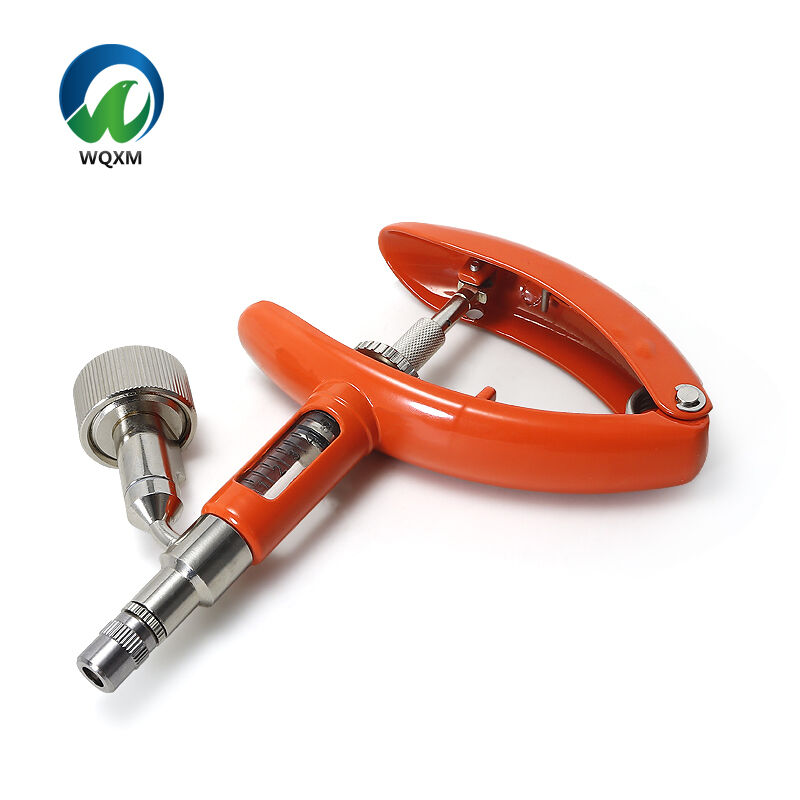
Medication and supplement administration in livestock management has long been a challenging aspect that requires both precision and animal welfare consideration. Traditional methods often create unnecessary stress for animals, leading to reduced effectiveness of treatments and potential behavioral issues. Modern veterinary practices increasingly recognize that minimizing stress during therapeutic interventions not only improves animal welfare but also enhances treatment outcomes and operational efficiency.
The evolution of livestock medication delivery systems has brought significant improvements in how we approach animal health management. Stress reduction during medication administration represents a critical factor in successful treatment protocols. When animals experience excessive stress during medication delivery, their immune systems can become compromised, potentially reducing the effectiveness of the administered treatments and creating long-term behavioral associations that make future medical interventions more difficult.
Understanding Stress Factors in Livestock Medication
Physical Restraint and Handling Stress
Physical restraint during medication administration often represents the primary source of stress for livestock animals. Traditional methods requiring extensive handling, forceful positioning, or prolonged restraint periods can trigger fight-or-flight responses that elevate cortisol levels and create lasting negative associations. Animals that experience traumatic medication events often develop avoidance behaviors, making subsequent treatments increasingly difficult and stressful for both animals and handlers.
The physiological impact of restraint stress extends beyond immediate discomfort, affecting immune function, digestive processes, and overall health status. Research demonstrates that animals experiencing high stress during medical procedures show reduced vaccine efficacy, slower recovery times, and increased susceptibility to secondary infections. Understanding these stress factors enables veterinarians and livestock managers to implement more humane and effective treatment protocols.
Environmental and Procedural Stressors
Environmental factors significantly contribute to stress levels during medication delivery. Unfamiliar surroundings, loud noises, strong odors, and the presence of multiple handlers can compound stress responses. The duration and complexity of medication procedures also influence stress levels, with longer, more invasive procedures typically generating higher cortisol responses and more pronounced behavioral reactions.
Procedural consistency plays a crucial role in stress management. Animals that experience predictable, gentle handling routines show lower stress responses compared to those subjected to inconsistent or abrupt procedures. Environmental modifications, such as providing familiar scents, reducing noise levels, and maintaining calm handler behavior, can significantly improve the medication experience for livestock animals.
Modern Drencher Technology and Stress Reduction
Precision Delivery Systems
Contemporary drencher technology incorporates precision delivery mechanisms that minimize handling time and reduce procedural stress. Advanced dosing systems ensure accurate medication delivery while requiring minimal animal restraint. These systems often feature ergonomic designs that allow handlers to work more efficiently and confidently, reducing the likelihood of procedural errors that could extend treatment duration or require repetition.
Precision delivery capabilities enable veterinarians to administer exact dosages quickly and consistently, reducing the time animals spend in restraint. Modern drenchers incorporate features such as adjustable dosing mechanisms, easy-fill reservoirs, and smooth delivery action that streamline the medication process. These technological improvements directly translate to reduced stress levels for treated animals.
Ergonomic Design Features
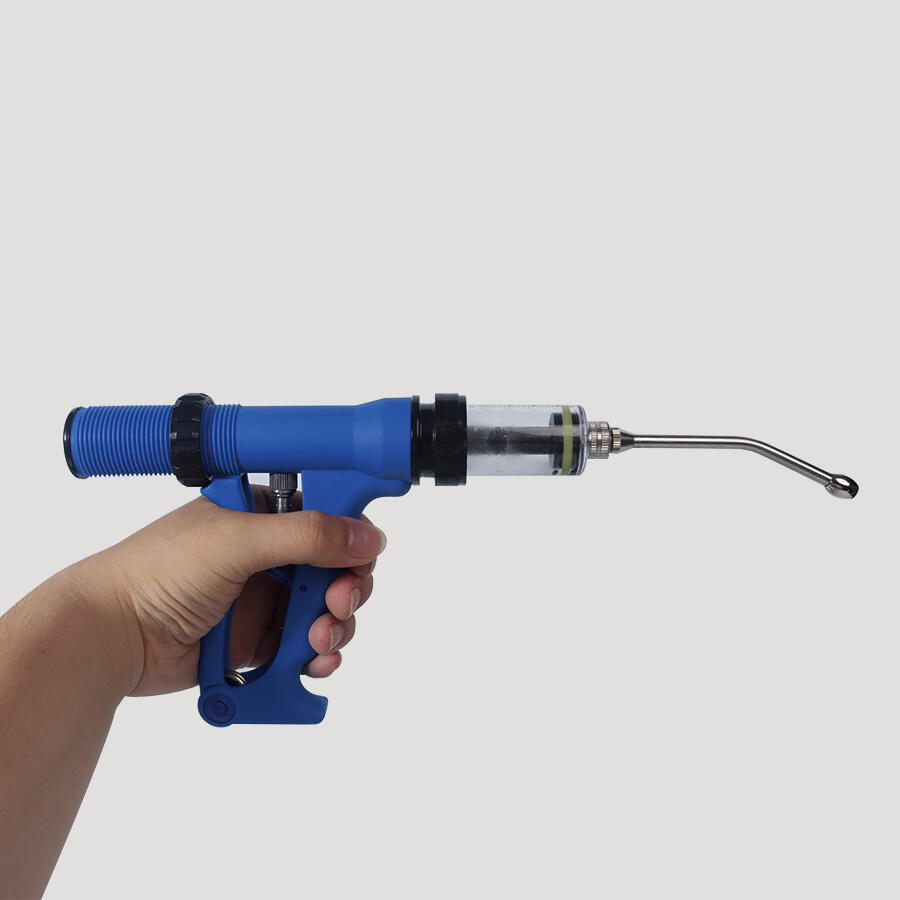
Ergonomic drencher design significantly impacts both handler efficiency and animal comfort during medication delivery. Well-designed drenchers feature comfortable grips, balanced weight distribution, and intuitive operation that enables handlers to work smoothly and confidently. When handlers can operate equipment efficiently, animals experience shorter restraint periods and gentler handling procedures.
Modern drencher designs also incorporate animal-friendly features such as smooth delivery nozzles, graduated delivery rates, and reduced mechanical noise. These design elements minimize physical discomfort and auditory stress during medication administration. The combination of handler-friendly and animal-friendly design features creates optimal conditions for low-stress medication delivery.
Best Practices for Stress-Free Medication Delivery
Pre-Treatment Preparation Strategies
Effective stress reduction begins well before actual medication delivery. Pre-treatment preparation involves acclimatizing animals to handling procedures, ensuring equipment readiness, and creating calm environmental conditions. Animals that receive regular, gentle handling as part of routine management show significantly lower stress responses during medication events compared to animals that experience handling only during treatment procedures.
Equipment preparation and handler training represent critical components of stress reduction protocols. Handlers should be thoroughly familiar with drencher operation, dosing calculations, and animal handling techniques before beginning treatment procedures. Proper preparation reduces procedural delays, minimizes equipment malfunctions, and creates confidence that translates to calmer, more effective medication delivery.
Handling Techniques and Timing
Optimal handling techniques emphasize calm, confident movements that provide security without creating fear or resistance. Effective handlers approach animals slowly, speak in calm tones, and use gentle but firm restraint methods. The timing of medication delivery also influences stress levels, with many livestock species showing lower stress responses during specific times of day or under particular environmental conditions.
Understanding individual animal behavior patterns enables handlers to choose optimal timing for medication delivery. Some animals respond better to morning treatments when they are typically calmer, while others may be more cooperative during feeding times when they associate human presence with positive experiences. Observing and adapting to individual animal preferences can significantly improve treatment outcomes.
Technology Integration for Improved Outcomes
Automated Dosing Systems
Automated dosing capabilities in modern drenchers eliminate guesswork and reduce procedural delays associated with manual dosing calculations. These systems enable consistent, accurate medication delivery while minimizing the time required for each treatment. Automated features reduce the cognitive load on handlers, allowing them to focus entirely on animal comfort and safety during medication administration.
Integration of automated dosing with ergonomic design creates synergistic benefits for stress reduction. When handlers can operate equipment intuitively and confidently, animals experience smoother, more predictable treatment procedures. The combination of technological precision and user-friendly operation represents a significant advancement in livestock medication delivery systems.
Multi-Function Capabilities
Advanced drenchers often incorporate multiple delivery functions, such as spray capabilities for topical treatments or adjustable flow rates for different medication types. These multi-function capabilities reduce the need for multiple equipment changes during treatment procedures, minimizing handling time and procedural complexity. Animals benefit from shorter, more efficient treatment sessions that reduce overall stress exposure.
The versatility of multi-function drenchers also enables veterinarians to adapt treatment protocols to specific animal needs and medication requirements. This flexibility supports individualized care approaches that can further reduce stress by accommodating animal-specific preferences and sensitivities. The ability to customize delivery methods within a single device represents a significant improvement in treatment personalization.
Measuring and Monitoring Stress Reduction
Behavioral Assessment Methods
Effective stress reduction programs require systematic assessment of animal responses to medication procedures. Behavioral indicators such as vocalization patterns, movement resistance, and post-treatment behavior provide valuable insights into stress levels and treatment effectiveness. Regular monitoring enables continuous improvement of medication protocols and identification of individual animals that may require specialized handling approaches.
Standardized behavioral assessment protocols help establish baseline stress levels and track improvements over time. These assessments can guide equipment selection, handler training programs, and procedural modifications that further enhance animal welfare during medication delivery. Consistent monitoring demonstrates commitment to continuous improvement in animal care standards.
Physiological Stress Indicators
Physiological measurements such as heart rate, cortisol levels, and respiratory patterns provide objective indicators of stress responses during medication procedures. These measurements can validate behavioral observations and provide quantitative data for evaluating the effectiveness of stress reduction strategies. Regular physiological monitoring helps identify subtle stress responses that may not be apparent through behavioral observation alone.
Integration of physiological monitoring with improved medication delivery systems demonstrates measurable benefits of modern drencher technology. Animals treated with advanced, ergonomic drenchers consistently show lower physiological stress indicators compared to those treated with traditional methods. This objective evidence supports the investment in modern equipment and training programs focused on stress reduction.
FAQ
How do modern drenchers specifically reduce animal stress compared to traditional methods
Modern drenchers reduce animal stress through several key improvements including precision dosing that eliminates repeated attempts, ergonomic designs that enable faster treatment completion, and smooth delivery mechanisms that minimize physical discomfort. These technological advances significantly reduce restraint time and procedural complexity, resulting in measurably lower stress responses in treated animals.
What training is required for handlers to maximize stress reduction benefits
Effective handler training encompasses equipment operation, animal behavior recognition, and gentle restraint techniques. Handlers should practice with drencher equipment until operation becomes intuitive, learn to read animal stress signals, and develop calm, confident handling approaches. Regular training updates ensure handlers stay current with best practices and maintain proficiency with evolving equipment technology.
Can stress reduction during medication improve treatment effectiveness
Yes, reducing stress during medication delivery significantly improves treatment effectiveness by maintaining normal immune function, reducing cortisol interference with therapeutic agents, and improving animal compliance with treatment protocols. Animals experiencing low-stress medication procedures show better vaccine responses, faster recovery times, and reduced likelihood of developing treatment-resistant behavioral patterns.
What environmental modifications support stress-free medication delivery
Environmental modifications include maintaining consistent lighting and temperature, minimizing loud noises and sudden movements, providing familiar scents or background sounds, and ensuring adequate space for safe animal movement. Creating predictable, calm treatment environments helps animals remain relaxed during medication procedures and supports the effectiveness of modern drencher technology in reducing overall stress levels.
Table of Contents
- Understanding Stress Factors in Livestock Medication
- Modern Drencher Technology and Stress Reduction
- Best Practices for Stress-Free Medication Delivery
- Technology Integration for Improved Outcomes
- Measuring and Monitoring Stress Reduction
-
FAQ
- How do modern drenchers specifically reduce animal stress compared to traditional methods
- What training is required for handlers to maximize stress reduction benefits
- Can stress reduction during medication improve treatment effectiveness
- What environmental modifications support stress-free medication delivery