 EN
EN

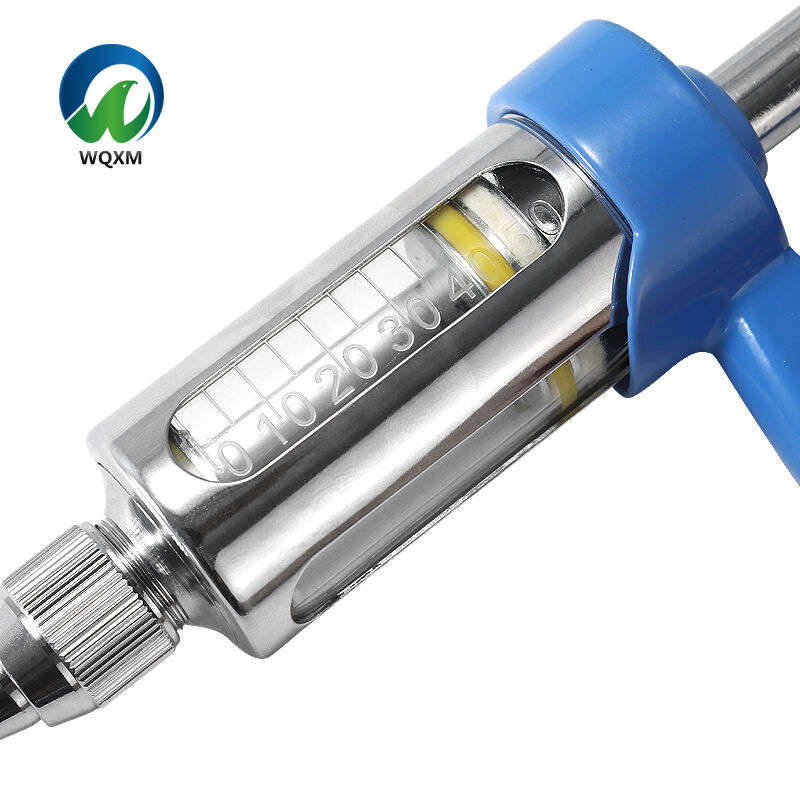
Large-scale livestock operations face unique challenges in maintaining animal health and productivity across hundreds or thousands of animals. Modern livestock management requires sophisticated equipment that can deliver medications, vaccines, and nutritional supplements efficiently and accurately. A continuous drencher represents one of the most critical tools in the veterinary arsenal for large operations, enabling rapid treatment of entire herds while minimizing stress on both animals and handlers.
The evolution of livestock healthcare equipment has transformed how veterinarians and farm managers approach animal treatment protocols. Traditional manual dosing methods simply cannot match the speed, precision, and consistency required for managing large herds effectively. High-quality drenching equipment ensures that every animal receives the correct dosage while maintaining hygiene standards and reducing the risk of cross-contamination between animals.
Professional livestock operations increasingly recognize that investing in superior drenching technology pays dividends through improved animal welfare, reduced labor costs, and enhanced treatment outcomes. The ability to process large numbers of animals quickly and accurately becomes essential during vaccination campaigns, parasite control programs, and emergency health interventions. Quality drenching equipment also contributes to better record-keeping and compliance with regulatory requirements that govern modern agricultural practices.
Essential Features of Professional Drenching Equipment
Precision Dosing Mechanisms
Accurate medication delivery forms the cornerstone of effective livestock treatment programs. Professional-grade continuous drencher systems incorporate precision mechanisms that ensure consistent dosing across all animals, regardless of operator experience or fatigue levels. These systems typically feature adjustable dose settings that can be calibrated for different animal weights and treatment protocols, eliminating guesswork and reducing the risk of under-dosing or overdosing.
Advanced drenching equipment often includes visual dose indicators and mechanical stops that prevent accidental overdosing. Some models feature automatic dose counters that track the number of treatments administered, supporting accurate record-keeping and inventory management. The precision offered by quality drenching systems becomes particularly critical when administering expensive medications or when working with narrow therapeutic windows where dosing accuracy directly impacts treatment efficacy.
Ergonomic Design and Operator Comfort
Livestock handlers often work with drenching equipment for extended periods, making ergonomic design essential for preventing operator fatigue and maintaining consistent performance. Well-designed continuous drencher systems feature comfortable grips, balanced weight distribution, and smooth operation mechanisms that reduce hand strain during prolonged use. The positioning of controls and adjustment mechanisms should allow for easy operation without requiring awkward hand positions or excessive force.
Quality drenching equipment also considers the practical realities of livestock handling environments. Non-slip grips, weather-resistant materials, and easy-to-clean surfaces ensure that equipment remains functional and safe even in challenging conditions. The ability to operate the drencher with one hand while controlling the animal with the other represents a crucial safety feature that experienced livestock handlers highly value.
Hygiene and Contamination Prevention
Material Selection and Construction Quality
The materials used in continuous drencher construction directly impact both durability and hygiene maintenance. High-quality stainless steel components resist corrosion and bacterial growth while withstanding repeated sterilization procedures. Food-grade plastics and rubber seals ensure that no harmful substances leach into medications or vaccines, maintaining the integrity of treatments throughout the administration process.
Professional drenching systems often incorporate seamless construction techniques that eliminate crevices where bacteria could accumulate. Smooth internal surfaces facilitate thorough cleaning and disinfection between uses, while removable components allow for complete sterilization when necessary. The investment in superior materials and construction methods pays dividends through extended equipment lifespan and reduced maintenance requirements.
Cleaning and Sterilization Protocols
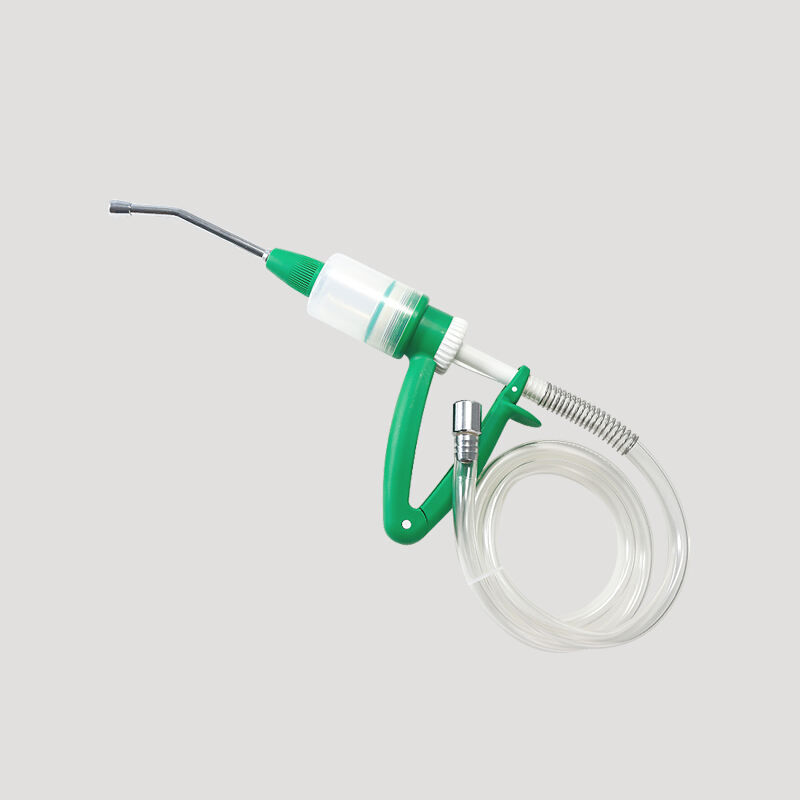
Effective cleaning and sterilization procedures prevent cross-contamination between animals and maintain the efficacy of administered treatments. Quality continuous drencher systems are designed to facilitate rapid and thorough cleaning through features such as quick-disconnect fittings, removable internal components, and flush-through capabilities. These design elements enable operators to maintain strict hygiene standards even during high-volume treatment sessions.
The ability to completely disassemble key components for deep cleaning becomes essential when switching between different medications or when treating animals with infectious conditions. Professional-grade equipment includes detailed cleaning protocols and may feature specialized cleaning attachments that ensure all internal surfaces receive adequate attention during maintenance procedures.
Operational Efficiency and Time Management
Speed and Throughput Optimization
Large-scale livestock operations require drenching equipment that can process animals quickly without compromising treatment quality. A well-designed continuous drencher enables operators to treat multiple animals per minute while maintaining precise dosing and minimal stress on the animals. Fast operation becomes particularly crucial during time-sensitive procedures such as vaccination programs or when treating animals showing signs of illness.
Efficient drenching equipment reduces the time animals spend in handling facilities, minimizing stress and improving overall welfare. Quick treatment also reduces labor costs and allows operations to process larger numbers of animals during optimal weather conditions or when veterinary oversight is available. The cumulative time savings across hundreds or thousands of animals can result in significant operational improvements.
Multi-Animal Treatment Capabilities
Advanced continuous drencher systems often include features that support treating multiple animals without requiring frequent refilling or recalibration. Large reservoir capacities, combined with efficient delivery mechanisms, allow operators to treat entire groups of animals before needing to pause for equipment maintenance. Some systems include multiple dosing chambers that can accommodate different medications simultaneously, supporting complex treatment protocols.
The ability to quickly switch between different treatment volumes or medications without extensive setup time enhances operational flexibility. Professional operations often require the capability to adjust treatment protocols based on real-time observations or changing veterinary recommendations, making adaptable drenching equipment essential for responsive animal care.
Durability and Long-Term Reliability
Construction Standards and Quality Control
Professional livestock operations require drenching equipment that can withstand daily use in demanding environments over extended periods. High-quality continuous drencher systems undergo rigorous testing to ensure consistent performance under various operating conditions. This includes validation of dosing accuracy, seal integrity, and mechanical durability through extensive field testing and quality assurance procedures.
Quality manufacturers implement strict quality control measures throughout the production process, including material certification, dimensional verification, and functional testing of completed units. These measures ensure that each piece of equipment meets performance specifications and will deliver reliable service throughout its operational lifespan. Investment in quality-controlled manufacturing processes translates to reduced field failures and lower total cost of ownership.
Maintenance Requirements and Service Support
Professional drenching equipment should be designed for easy maintenance with readily available replacement parts and clear service procedures. Quality manufacturers provide comprehensive maintenance guidelines, replacement part availability, and technical support to ensure equipment remains operational when needed most. The ability to perform routine maintenance with standard tools and minimal downtime becomes essential for busy livestock operations.
Reliable service support includes access to technical expertise when troubleshooting issues or optimizing equipment performance for specific applications. Quality manufacturers often provide training programs that help operators maximize equipment effectiveness while minimizing maintenance requirements through proper use and care procedures.
Cost-Effectiveness and Return on Investment
Initial Investment Considerations
While high-quality continuous drencher systems require significant initial investment, the long-term benefits typically justify the expense for serious livestock operations. Quality equipment offers superior durability, more accurate dosing, and reduced maintenance requirements compared to lower-cost alternatives. These factors contribute to lower total cost of ownership and improved operational efficiency over the equipment's service life.
Professional operations should evaluate drenching equipment based on total lifecycle costs rather than initial purchase price alone. This includes consideration of replacement part availability, maintenance requirements, operator training needs, and the potential costs associated with equipment failures during critical treatment periods. Quality equipment often provides better value through reliable performance and extended service life.
Operational Savings and Productivity Gains
Efficient drenching equipment generates operational savings through reduced labor requirements, improved treatment accuracy, and faster processing times. The ability to treat more animals per hour with fewer operators directly impacts labor costs while improving overall operational efficiency. Accurate dosing also reduces medication waste and ensures optimal treatment outcomes, contributing to better animal health and productivity.
Quality drenching equipment supports better record-keeping and compliance with regulatory requirements, potentially reducing administrative burdens and regulatory risks. The improved consistency and reliability offered by professional equipment also contribute to better treatment outcomes, which can translate to improved animal performance and reduced veterinary costs over time.
FAQ
What makes continuous drencher systems more efficient than traditional dosing methods
Continuous drencher systems eliminate the need to refill syringes or measure individual doses for each animal, significantly reducing treatment time and improving consistency. These systems can treat multiple animals from a single reservoir while maintaining precise dosing accuracy, making them ideal for large-scale operations where speed and efficiency are critical.
How often should professional drenching equipment be calibrated for accuracy
Professional drenching equipment should be calibrated at the beginning of each treatment session and whenever switching between different medications or dose volumes. Many operations also perform weekly accuracy checks using water or saline solution to ensure consistent performance. Regular calibration ensures optimal treatment efficacy and compliance with veterinary protocols.
What maintenance procedures are essential for extending drencher lifespan
Essential maintenance includes thorough cleaning after each use, regular replacement of seals and gaskets, and periodic lubrication of moving parts according to manufacturer specifications. Proper storage in clean, dry conditions and protection from extreme temperatures also contribute to extended equipment life. Following recommended maintenance schedules prevents costly breakdowns and ensures consistent performance.
Can continuous drencher systems accommodate different medication types and viscosities
Quality continuous drencher systems are designed to handle various medication formulations, including water-based solutions, oil-based preparations, and suspensions with different viscosities. Some systems include adjustable flow controls and specialized nozzles that optimize delivery for specific medication types. However, compatibility should always be verified with the equipment manufacturer before using new formulations.
Table of Contents
- Essential Features of Professional Drenching Equipment
- Hygiene and Contamination Prevention
- Operational Efficiency and Time Management
- Durability and Long-Term Reliability
- Cost-Effectiveness and Return on Investment
-
FAQ
- What makes continuous drencher systems more efficient than traditional dosing methods
- How often should professional drenching equipment be calibrated for accuracy
- What maintenance procedures are essential for extending drencher lifespan
- Can continuous drencher systems accommodate different medication types and viscosities