 EN
EN

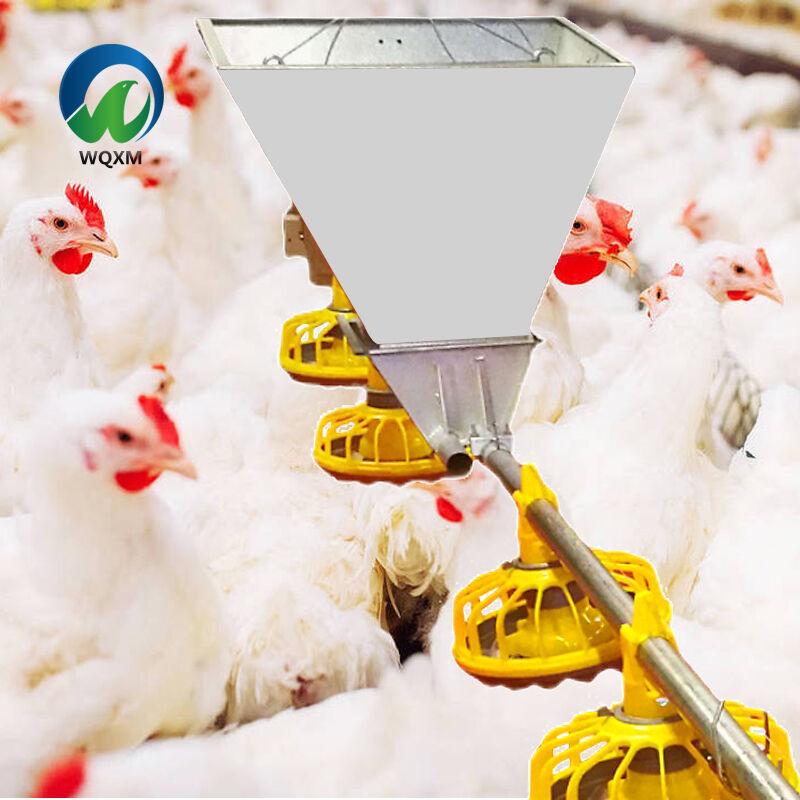
Modern poultry farming demands efficient systems that promote optimal animal health while maximizing productivity. Innovative feeding and watering solutions have revolutionized how farmers manage their flocks, with advanced equipment playing a crucial role in achieving consistent growth rates and maintaining flock health. These systems represent a significant advancement over traditional methods, offering superior hygiene standards and more precise nutrient delivery. The integration of automated feeding and drinking technologies has become essential for commercial operations seeking to enhance their competitive advantage in today's demanding agricultural market.
Understanding Automated Feeding and Drinking Systems
Core Components and Design Principles
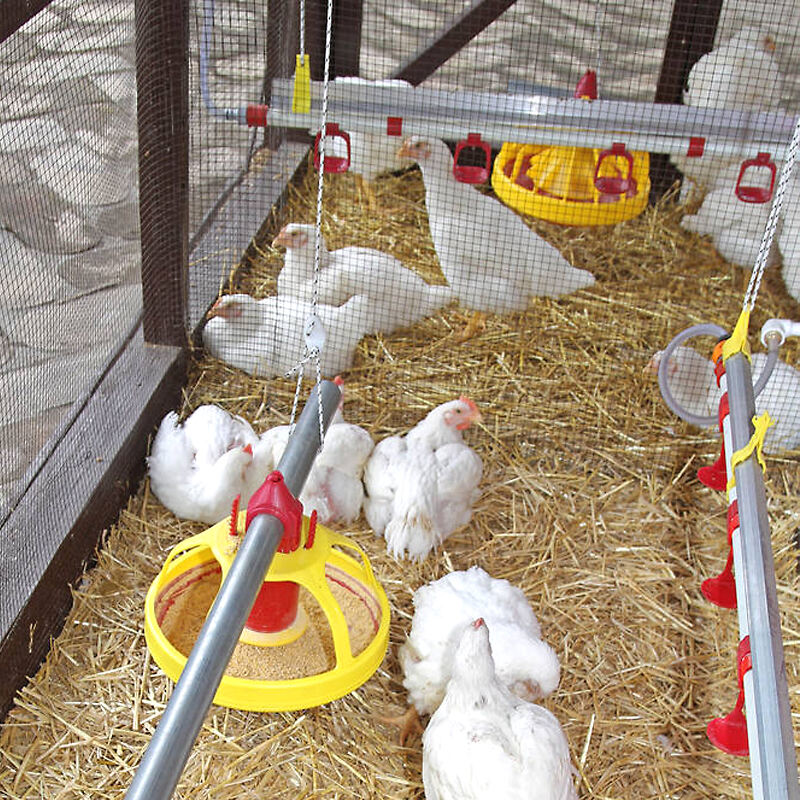
Automated poultry systems incorporate sophisticated engineering principles to deliver consistent feed and water distribution throughout the production facility. These systems utilize precision-manufactured components including feeding pans, drinking nipples, and control mechanisms that work together to create an integrated solution. The design focuses on maintaining optimal hygiene standards while reducing labor requirements and minimizing feed waste. Advanced materials resist corrosion and bacterial growth, ensuring long-term reliability even in challenging agricultural environments.
The mechanical components are engineered to withstand continuous operation while maintaining precise calibration for feed and water delivery. Stainless steel construction and food-grade plastics ensure compliance with agricultural safety standards. The modular design allows for easy expansion and maintenance, making these systems suitable for operations of varying scales. Quality control measures during manufacturing guarantee consistent performance across all system components.
Technological Integration and Control Systems
Modern feeding and drinking systems incorporate electronic controls that enable precise management of feed distribution schedules and water flow rates. Sensor technology monitors consumption patterns and automatically adjusts delivery parameters to match flock requirements. Digital interfaces provide real-time data on system performance, allowing farmers to make informed decisions about feed formulations and feeding schedules. This technological integration represents a significant advancement in agricultural automation.
Programmable controllers enable customization of feeding programs based on bird age, breed specifications, and growth targets. The systems can automatically adjust portion sizes and feeding frequency throughout different production phases. Remote monitoring capabilities allow farmers to oversee operations from mobile devices, ensuring continuous system performance even when away from the facility. These features contribute to improved operational efficiency and reduced management overhead.
Health Benefits and Performance Enhancement
Improved Hygiene and Disease Prevention
Automated feeding systems significantly reduce contamination risks by minimizing human contact with feed and water supplies. The enclosed delivery mechanisms protect against airborne contaminants and prevent cross-contamination between different areas of the facility. Flat feeding drinking lines maintain superior sanitation standards through self-cleaning features and antimicrobial surface treatments. This enhanced hygiene directly correlates with reduced disease incidence and lower mortality rates.
The controlled environment created by these systems prevents the accumulation of stale feed and standing water, which are common sources of bacterial growth in traditional feeding setups. Automatic cleaning cycles remove residual organic matter and maintain optimal sanitation levels throughout the production cycle. The reduced pathogen load in the environment strengthens natural immunity and reduces the need for therapeutic interventions. This proactive approach to disease prevention supports sustainable production practices.
Nutritional Consistency and Growth Optimization
Precise feed delivery ensures that each bird receives consistent nutrition throughout the production cycle, eliminating the competition and stress associated with traditional feeding methods. The uniform distribution prevents dominant birds from monopolizing feed sources while ensuring adequate nutrition for all flock members. This consistency promotes even growth rates and reduces variation in final weights, improving overall production efficiency and market value.
Automated systems enable the implementation of precise feeding strategies that optimize nutrient utilization and support targeted growth phases. Feed conversion ratios improve significantly when birds receive consistent, properly portioned meals at optimal intervals. The reduction in feed waste translates directly to improved profitability while maintaining superior nutritional outcomes. These systems support the implementation of specialized diets and supplements that enhance specific production goals.
Economic Advantages and Operational Efficiency
Labor Cost Reduction and Time Management
Automated feeding and drinking systems dramatically reduce the manual labor required for daily farm operations. Traditional feeding methods require significant time investment for feed preparation, distribution, and equipment cleaning. Modern systems eliminate most of these tasks while providing more consistent results than manual methods. The labor savings allow farm workers to focus on health monitoring, facility maintenance, and other value-added activities that directly contribute to production success.
The time efficiency gained through automation enables farmers to manage larger operations without proportional increases in labor costs. Feeding schedules operate automatically according to programmed parameters, eliminating the need for constant supervision. This reliability ensures consistent care even during weekends, holidays, and staff absences. The reduced dependence on manual labor also minimizes human error and ensures consistent application of feeding protocols.
Feed Efficiency and Waste Reduction
Precision feeding mechanisms significantly reduce feed waste through controlled portion delivery and spillage prevention features. Traditional feeding methods often result in substantial waste due to overfilling, contamination, and inefficient distribution. Automated systems deliver exact portions based on consumption patterns and growth requirements, minimizing excess feed that might spoil or become contaminated. This precision directly impacts feed costs, which represent the largest expense in most poultry operations.
The improved feed conversion efficiency achieved through consistent delivery schedules enhances overall production economics. Birds maintained on automated systems typically demonstrate superior feed utilization rates compared to those fed using conventional methods. The elimination of feed competition stress allows for optimal digestion and nutrient absorption. These factors combine to produce better growth rates with lower feed inputs, significantly improving profit margins.
Installation and Maintenance Considerations
System Planning and Facility Requirements
Successful implementation of automated feeding and drinking systems requires careful planning to ensure optimal performance and integration with existing facilities. Site assessment determines the most effective layout for feed distribution lines and water supply connections. Proper planning addresses electrical requirements, ventilation considerations, and accessibility for maintenance activities. Professional installation ensures compliance with safety standards and manufacturer specifications.
Facility modifications may be necessary to accommodate new equipment and optimize workflow patterns. The installation process includes calibration of control systems and training for operational staff. Quality installation practices prevent future operational problems and ensure maximum system lifespan. Proper planning also considers future expansion possibilities and upgrading potential for evolving production needs.
Maintenance Protocols and Longevity
Regular maintenance schedules are essential for maintaining optimal system performance and preventing unexpected failures. Preventive maintenance protocols include cleaning procedures, component inspections, and performance monitoring activities. Well-maintained systems provide years of reliable service with minimal downtime. The modular design of modern systems facilitates easy replacement of worn components without disrupting entire operations.
Training programs ensure that farm staff understand proper maintenance procedures and can identify potential issues before they become serious problems. Manufacturer support services provide technical assistance and replacement parts to minimize operational disruptions. Regular calibration maintains precision feeding and drinking parameters throughout the system lifespan. These maintenance investments protect the substantial capital investment and ensure continued operational benefits.
Environmental Impact and Sustainability
Resource Conservation and Efficiency
Modern automated systems contribute to sustainable farming practices through improved resource utilization and waste reduction. Water conservation features include leak detection, flow regulation, and recycling capabilities that minimize freshwater consumption. Energy-efficient motors and smart controls reduce electrical consumption while maintaining optimal performance levels. These environmental benefits align with increasing regulatory requirements and consumer expectations for sustainable production methods.
The precision delivery capabilities reduce environmental impact by minimizing nutrient runoff and waste accumulation. Controlled feeding schedules prevent overfeeding that can lead to nitrogen and phosphorus pollution in surrounding areas. The improved efficiency of flat feeding drinking lines supports compliance with environmental regulations while maintaining production goals. These sustainability features become increasingly important as agricultural operations face stricter environmental oversight.
Carbon Footprint and Climate Considerations
Automated systems contribute to reduced carbon emissions through improved feed efficiency and lower transportation requirements for feed delivery. The enhanced feed conversion ratios mean less grain production is required per unit of protein produced, reducing the overall environmental footprint of poultry operations. Energy-efficient system designs minimize electricity consumption while maintaining superior performance standards. These environmental advantages support climate-friendly farming practices.
The longevity and durability of quality automated systems reduce the frequency of equipment replacement and associated manufacturing impacts. Reduced labor requirements lower fuel consumption from equipment operation and transportation. The overall efficiency improvements achieved through automation support sustainable intensification of agricultural production. These factors contribute to more environmentally responsible farming operations that meet growing global protein demands.
FAQ
What are the primary advantages of automated feeding systems over traditional methods
Automated feeding systems provide superior consistency in feed delivery, reduce labor requirements, minimize waste, and improve overall flock health through enhanced hygiene standards. These systems eliminate feeding competition, ensure uniform growth rates, and reduce operational costs while improving productivity and profitability for commercial operations.
How do automated drinking systems improve water quality and consumption
Automated drinking systems maintain fresher water through continuous flow mechanisms and prevent contamination from environmental sources. Nipple drinkers eliminate standing water that can harbor bacteria, while pressure regulation ensures consistent water availability. These features promote better hydration and support optimal bird health and performance throughout the production cycle.
What maintenance requirements are associated with automated feeding and drinking systems
Regular maintenance includes daily visual inspections, weekly cleaning of feeding pans and drinkers, monthly calibration checks, and seasonal comprehensive system reviews. Proper maintenance schedules prevent equipment failures, maintain feeding precision, and extend system lifespan. Most maintenance tasks can be performed by trained farm staff using standard tools and procedures.
How long does it typically take to see return on investment from automated systems
Most commercial operations achieve return on investment within 12 to 24 months through reduced labor costs, improved feed efficiency, better growth rates, and lower mortality. The exact timeline depends on operation size, local labor costs, feed prices, and production goals. Long-term benefits continue to accumulate through improved productivity and reduced operational expenses throughout the system lifespan.
Table of Contents
- Understanding Automated Feeding and Drinking Systems
- Health Benefits and Performance Enhancement
- Economic Advantages and Operational Efficiency
- Installation and Maintenance Considerations
- Environmental Impact and Sustainability
-
FAQ
- What are the primary advantages of automated feeding systems over traditional methods
- How do automated drinking systems improve water quality and consumption
- What maintenance requirements are associated with automated feeding and drinking systems
- How long does it typically take to see return on investment from automated systems