 EN
EN

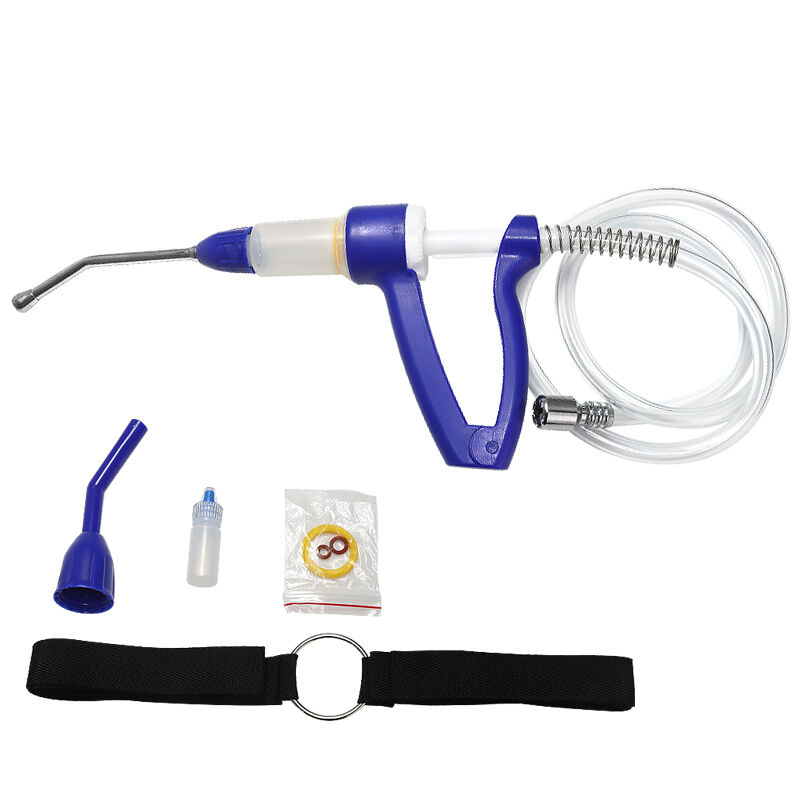
Large-scale agricultural operations face unique challenges when it comes to livestock health management, particularly in the efficient and accurate administration of medications and vaccines. Modern farming demands solutions that can handle high-volume treatments while maintaining precision and reducing labor costs. Continuous syringes have emerged as a game-changing technology for large farms, offering unprecedented efficiency in livestock health management. These specialized devices represent a significant advancement over traditional injection methods, providing farmers with the tools needed to maintain healthy herds while optimizing operational efficiency.
Enhanced Efficiency in Mass Vaccination Programs
Streamlined Workflow Management
The implementation of continuous syringes transforms the vaccination workflow on large farms by eliminating the constant need for refilling individual syringes. Traditional vaccination methods require frequent interruptions to reload medication, creating bottlenecks in processing lines and extending overall treatment time. With continuous syringe systems, operators can treat hundreds of animals without stopping to refill, significantly reducing the time required for mass vaccination programs. This enhanced workflow efficiency becomes particularly valuable during seasonal vaccination campaigns when time constraints are critical.
The continuous flow design allows farm workers to maintain steady processing speeds, reducing stress on both animals and handlers. When vaccination procedures move more quickly and smoothly, livestock experience less handling stress, which can improve overall health outcomes and reduce post-vaccination complications. Additionally, the streamlined workflow enables farms to allocate their labor resources more effectively, allowing skilled workers to focus on animal observation and care rather than repetitive syringe preparation tasks.
Consistent Dosage Delivery
Precision in medication dosing is crucial for effective treatment outcomes and regulatory compliance on large farms. Continuous syringes provide superior dose accuracy compared to manual injection methods, ensuring each animal receives the exact prescribed amount of medication or vaccine. This consistency is particularly important when administering expensive biologics or when precise dosing is critical for treatment efficacy. The automated dosing mechanism eliminates human error factors that commonly occur with manual syringe operations, such as incomplete plunger depression or inconsistent withdrawal techniques.
Modern continuous syringe systems feature adjustable dosing mechanisms that allow operators to set precise volumes ranging from small prophylactic doses to larger therapeutic treatments. This versatility enables farms to use a single device for multiple medication types and treatment protocols, reducing equipment investment costs while maintaining dosing accuracy. The reliable dose delivery also helps farms maintain better medical records and comply with veterinary oversight requirements, as each animal receives standardized treatment volumes.
Economic Benefits for Large-Scale Operations
Labor Cost Reduction
Labor represents one of the largest operational expenses for large farms, making efficiency improvements in routine tasks highly valuable. Continuous syringes dramatically reduce the labor hours required for mass vaccination and treatment programs by allowing single operators to treat significantly more animals per hour. The elimination of frequent refilling and preparation steps means fewer workers are needed for routine health maintenance tasks, freeing up personnel for other critical farm operations.
The learning curve for continuous syringe operation is typically shorter than mastering efficient manual injection techniques, making it easier to train new staff members and maintain consistent performance across different operators. This reduced training requirement translates to lower training costs and faster integration of new team members into health management protocols. Additionally, the ergonomic design of continuous syringes reduces operator fatigue during long vaccination sessions, maintaining productivity levels throughout extended work periods.
Medication Waste Minimization
Medication costs constitute a significant portion of livestock health management budgets, making waste reduction a priority for cost-conscious farm operations. Traditional syringe methods often result in medication waste through spillage, over-drawing, and incomplete dose delivery. Continuous syringes minimize these waste sources through precise metering systems and enclosed delivery mechanisms that prevent spillage and contamination. The closed-system design also reduces medication exposure to air and contaminants, maintaining product stability and extending usable life.
The ability to use larger medication containers with continuous syringe systems reduces packaging waste and often provides cost savings through bulk purchasing advantages. Rather than using numerous individual dose vials, farms can purchase medications in larger quantities, reducing per-dose costs and minimizing packaging disposal requirements. This bulk handling capability also reduces inventory management complexity and storage space requirements for medication supplies.
Animal Welfare and Stress Reduction
Minimized Handling Duration
Animal welfare considerations are increasingly important in modern agriculture, with stress reduction being a key factor in maintaining healthy livestock. Continuous syringes enable faster individual animal processing, reducing the time each animal spends in restraint systems or handling facilities. This reduced handling duration minimizes stress responses that can negatively impact immune system function and overall animal health. Quick, efficient processing also reduces the risk of injury to both animals and handlers during treatment procedures.
The smooth operation of continuous syringe systems creates less mechanical noise and vibration compared to repeated manual syringe preparation, contributing to a calmer environment during mass processing events. Animals are highly sensitive to environmental disturbances, and the quieter operation of continuous systems helps maintain lower stress levels throughout the treatment facility. This improved processing environment can lead to better vaccine efficacy and reduced post-treatment complications.
Reduced Risk of Cross-Contamination
Disease transmission prevention is a critical concern when treating large numbers of animals in succession. Continuous syringe systems incorporate design features that minimize cross-contamination risks between individual animals while maintaining treatment efficiency. Many systems use disposable needle systems or automatic needle changing mechanisms that prevent the transfer of pathogens from one animal to another. This contamination control is particularly important when treating animals of unknown health status or when processing mixed groups of livestock.
The enclosed medication delivery system prevents environmental contamination of vaccine or medication supplies, maintaining product sterility throughout the treatment session. This sterility maintenance is crucial for biological products that can lose efficacy when exposed to contaminants or environmental factors. The reduced contamination risk also helps farms maintain better biosecurity protocols and reduces the likelihood of treatment-related disease outbreaks.
Technical Advantages and Reliability
Durable Construction for Heavy Use
Large farm operations require equipment that can withstand intensive daily use under challenging environmental conditions. Continuous syringes designed for agricultural applications feature robust construction materials and components that maintain performance reliability despite exposure to dust, moisture, and temperature variations. The durability of these systems reduces maintenance requirements and extends service life, providing better return on investment compared to frequently replaced manual injection equipment.
Professional-grade continuous syringes incorporate high-quality seals, precision-machined components, and corrosion-resistant materials that maintain accuracy and functionality over extended use periods. This reliability is essential for farms that depend on consistent equipment performance during critical vaccination windows or emergency treatment situations. The reduced downtime associated with equipment failures helps farms maintain scheduled health management protocols and avoid disruptions to production schedules.
Versatility Across Different Applications
Modern continuous syringe systems offer adaptability for various types of medications and treatment protocols commonly used on large farms. Adjustable dosing mechanisms allow operators to switch between different medication volumes without changing equipment, accommodating everything from routine vaccinations to specialized therapeutic treatments. This versatility reduces the need for multiple injection systems and simplifies inventory management for farms using diverse health management protocols.
The compatibility of continuous syringes with different medication viscosities and formulations makes them suitable for administering vaccines, antibiotics, vitamins, and other treatments commonly used in livestock operations. This broad compatibility eliminates the need for specialized equipment for different medication types, reducing equipment costs and training requirements. The ability to handle various medication types with a single system also simplifies equipment cleaning and maintenance procedures.
FAQ
How do continuous syringes improve vaccination accuracy on large farms
Continuous syringes improve vaccination accuracy through precise metering mechanisms that deliver exact doses consistently, eliminating human error associated with manual dose drawing. The adjustable dosing features allow operators to set specific volumes that are automatically delivered with each injection, ensuring every animal receives the prescribed amount. This accuracy is particularly important for expensive vaccines or medications where underdosing reduces efficacy and overdosing wastes costly products.
What maintenance requirements do continuous syringes have
Continuous syringes require regular cleaning after each use session and periodic replacement of seals and gaskets to maintain accuracy and prevent contamination. Most systems feature simple disassembly procedures for thorough cleaning and sterilization between different medications. Routine maintenance typically involves lubricating moving parts, checking dosing accuracy, and replacing worn components according to manufacturer recommendations to ensure reliable long-term performance.
Can continuous syringes handle different types of livestock medications
Yes, continuous syringes are designed to accommodate various medication types including vaccines, antibiotics, vitamins, and therapeutic treatments with different viscosities and formulations. The adjustable dosing mechanisms and compatible sealing systems work effectively with both oil-based and water-based medications commonly used in livestock health management. However, proper cleaning between different medication types is essential to prevent cross-contamination and maintain product efficacy.
What cost savings can large farms expect from using continuous syringes
Large farms can expect significant cost savings through reduced labor hours for vaccination programs, minimized medication waste, and decreased equipment replacement costs. The efficiency gains typically reduce vaccination labor requirements by 30-50% while eliminating medication waste from spillage and inaccurate dosing. Additionally, the bulk medication purchasing capability often provides cost savings of 10-20% compared to individual dose packaging, contributing to substantial annual savings for large operations.