 EN
EN

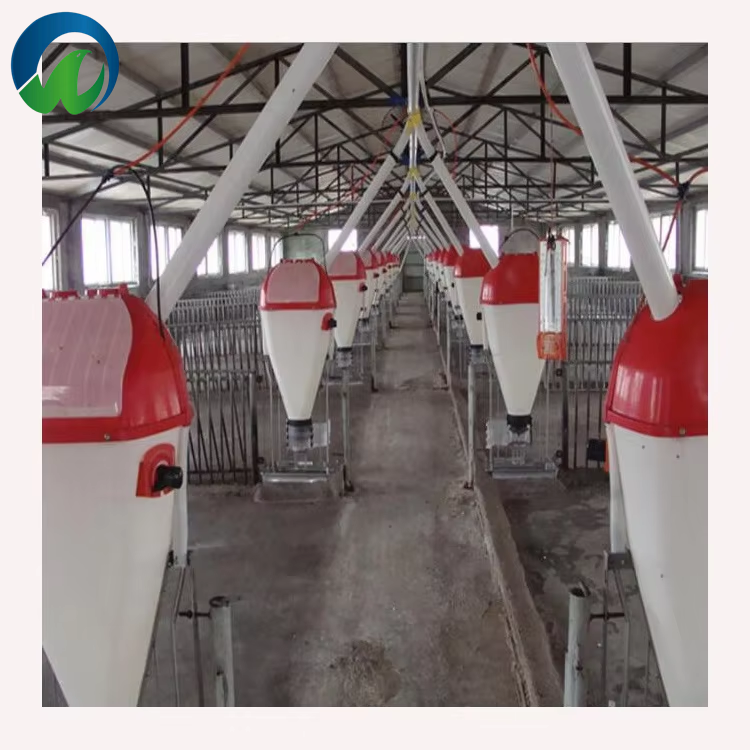
Modern poultry farming faces significant challenges in maintaining efficient feed and water distribution while minimizing waste and contamination risks. Traditional feeding systems often struggle with spillage, uneven distribution, and hygiene concerns that can impact both productivity and bird health. Innovative solutions like flat feeding drinking lines have emerged as game-changing technologies that address these critical issues by providing streamlined, hygienic, and waste-reducing alternatives to conventional systems.
Understanding Flat Feeding Drinking Line Technology
Core Design Principles
Flat feeding drinking lines represent a sophisticated approach to poultry nutrition and hydration management. These systems integrate feeding and watering components into a single, streamlined unit that runs parallel to the ground, creating an accessible feeding surface for birds of various sizes. The flat design eliminates the need for multiple separate systems, reducing infrastructure complexity and maintenance requirements while improving overall efficiency.
The engineering behind these systems focuses on gravity-assisted flow control and precise dispensing mechanisms. Advanced materials and manufacturing techniques ensure durability and resistance to corrosion, while specialized valve systems regulate both feed and water delivery based on bird demand. This intelligent design minimizes human intervention while maintaining consistent availability of nutrition and hydration resources.
Integration with Modern Farming Operations
Contemporary poultry operations require systems that can adapt to varying flock sizes and growth stages. Flat feeding drinking lines excel in this regard by offering modular installation options and scalable capacity. Farm managers can easily adjust system parameters to accommodate different bird densities and feeding schedules, ensuring optimal resource utilization throughout production cycles.
The seamless integration capabilities of these systems make them particularly valuable for both new construction projects and existing facility upgrades. Their low-profile design reduces spatial requirements while maximizing functional capacity, allowing farmers to optimize building layouts and improve overall operational workflow efficiency.
Waste Reduction Mechanisms
Precision Delivery Systems
One of the most significant advantages of flat feeding drinking lines lies in their ability to deliver precise amounts of feed and water directly where birds need them. Unlike traditional systems that rely on gravity feeders or open troughs, these lines utilize controlled dispensing mechanisms that respond to bird activity and consumption patterns. This targeted approach dramatically reduces spillage and waste by ensuring resources are only released when actively consumed.
The precision delivery capability extends beyond simple portion control to include sophisticated monitoring systems that track consumption rates and adjust supply accordingly. Advanced sensors can detect bird presence and feeding behavior, automatically regulating flow rates to match actual demand. This intelligent responsiveness prevents overfeeding situations that commonly lead to waste in conventional systems.
Spillage Prevention Features
Traditional feeding methods often result in significant spillage due to bird behavior and system design limitations. Flat feeding drinking lines incorporate multiple spillage prevention features that address these challenges comprehensively. Specially designed lip configurations and containment barriers prevent feed from scattering beyond the intended feeding area, while water delivery systems include splash guards and controlled flow rates that minimize splashing and overflow.
The low-profile design of these systems also contributes to waste reduction by making it easier for birds to access resources without creating disturbances that lead to spillage. Birds can feed naturally without competing for position or creating crowding situations that typically result in scattered feed and wasted water in conventional systems.
Contamination Prevention Strategies
Hygienic Design Elements
Contamination control represents a critical aspect of modern poultry management, with significant implications for bird health and production quality. Flat feeding drinking lines incorporate numerous hygienic design elements that minimize contamination risks throughout the feeding process. Smooth, non-porous surfaces prevent bacterial growth and facilitate thorough cleaning, while enclosed delivery systems protect resources from environmental contaminants such as dust, debris, and pest intrusion.
The materials used in these systems are specifically selected for their antimicrobial properties and resistance to biofilm formation. Stainless steel components and food-grade plastics ensure long-term hygiene maintenance, while specialized coatings can provide additional protection against microbial colonization. These material choices contribute significantly to maintaining clean, safe feeding environments that support optimal bird health.
Closed System Advantages
Unlike open feeding systems that expose feed and water to environmental contamination, flat feeding drinking lines operate as closed systems that maintain resource purity from storage to consumption. This closed-system approach prevents external contaminants from entering the supply chain while also protecting against cross-contamination between different resource types.
The enclosed nature of these systems also reduces the risk of pest intrusion, which represents a major contamination vector in traditional feeding setups. Rodents, insects, and wild birds cannot access stored resources or contaminate feeding surfaces, significantly reducing the likelihood of disease transmission and maintaining higher overall hygiene standards throughout the operation.
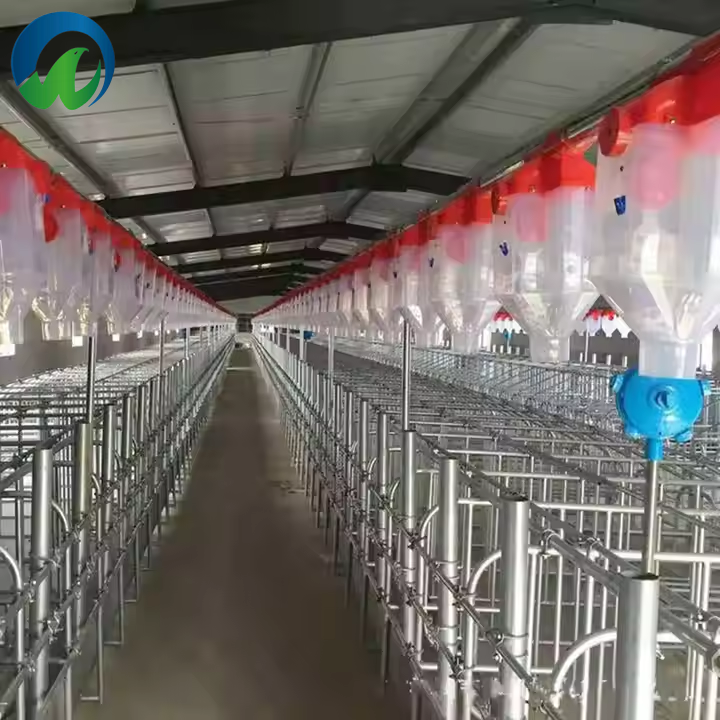
Economic Benefits and Return on Investment
Feed Conversion Efficiency
The economic advantages of implementing flat feeding drinking lines extend far beyond simple waste reduction to include substantial improvements in feed conversion efficiency. By minimizing waste and ensuring optimal resource utilization, these systems help farmers achieve better feed conversion ratios, translating directly into improved profitability. Studies have shown that operations using advanced feeding line systems can achieve feed conversion improvements of up to fifteen percent compared to traditional methods.
The consistent availability of clean feed and water also supports better bird growth rates and overall health, further contributing to improved feed conversion efficiency. Birds that have reliable access to uncontaminated resources can focus energy on growth rather than dealing with stress-related issues caused by inadequate or contaminated nutrition sources.
Operational Cost Savings
Long-term operational cost savings represent another significant economic benefit of flat feeding drinking lines. Reduced waste translates directly into lower feed costs, which typically represent the largest expense category in poultry operations. Additionally, the automated nature of these systems reduces labor requirements for feeding and watering tasks, allowing farm personnel to focus on other critical management activities.
Maintenance costs also tend to be lower with these systems due to their robust construction and simplified design. Fewer moving parts and corrosion-resistant materials contribute to extended service life and reduced replacement frequency, while modular designs facilitate easy repairs and component upgrades when necessary.
Installation and Maintenance Considerations
System Setup Requirements
Proper installation of flat feeding drinking lines requires careful planning and attention to specific technical requirements. Site preparation includes ensuring adequate structural support for the system weight and proper drainage to handle any minor spillage or cleaning runoff. Electrical connections for automated components must meet safety standards and provide reliable power for control systems and monitoring equipment.
The installation process typically involves mounting the main line components at appropriate heights for the intended bird species and growth stages. Professional installation ensures proper alignment and connection of all system components, while also providing operator training on system operation and basic maintenance procedures. Proper installation is crucial for achieving optimal performance and maximizing the waste reduction and contamination prevention benefits these systems offer.
Routine Maintenance Protocols
Effective maintenance protocols are essential for maintaining the performance advantages of flat feeding drinking lines throughout their service life. Regular cleaning schedules should include both daily surface cleaning and periodic deep sanitization to prevent biofilm formation and maintain hygienic conditions. Component inspections help identify potential issues before they become major problems, ensuring consistent system performance and preventing unexpected downtime.
Preventive maintenance activities include checking valve operations, monitoring flow rates, and inspecting seals and connections for signs of wear or damage. Proper maintenance documentation helps track system performance over time and can provide valuable insights for optimizing operation parameters and scheduling component replacements proactively.
FAQ
How much waste reduction can be expected from flat feeding drinking lines
Most operations experience waste reductions of twenty to thirty percent when switching from traditional feeding systems to flat feeding drinking lines. The exact amount depends on factors such as bird species, facility design, and previous system efficiency. The precision delivery mechanisms and spillage prevention features work together to minimize both feed and water waste significantly.
Are these systems suitable for all types of poultry operations
Flat feeding drinking lines can be adapted for various poultry species and operation sizes, from small-scale farms to large commercial facilities. The modular design allows for customization based on specific requirements, bird types, and facility constraints. However, a professional assessment is recommended to determine optimal system configuration for each unique operation.
What maintenance requirements are involved with these systems
Maintenance requirements are generally lower than traditional systems due to the robust design and fewer moving parts. Daily cleaning of feeding surfaces and weekly inspection of valves and connections typically suffice for routine maintenance. Deep sanitization should be performed between flocks, and component inspections should be conducted monthly to ensure optimal performance.
How do these systems handle different growth stages of birds
Modern flat feeding drinking lines include adjustable height mechanisms and variable flow controls that accommodate birds from chick to mature stages. The systems can be programmed to adjust delivery rates and access points as birds grow, ensuring consistent resource availability throughout the production cycle without requiring system modifications or replacements.