 EN
EN

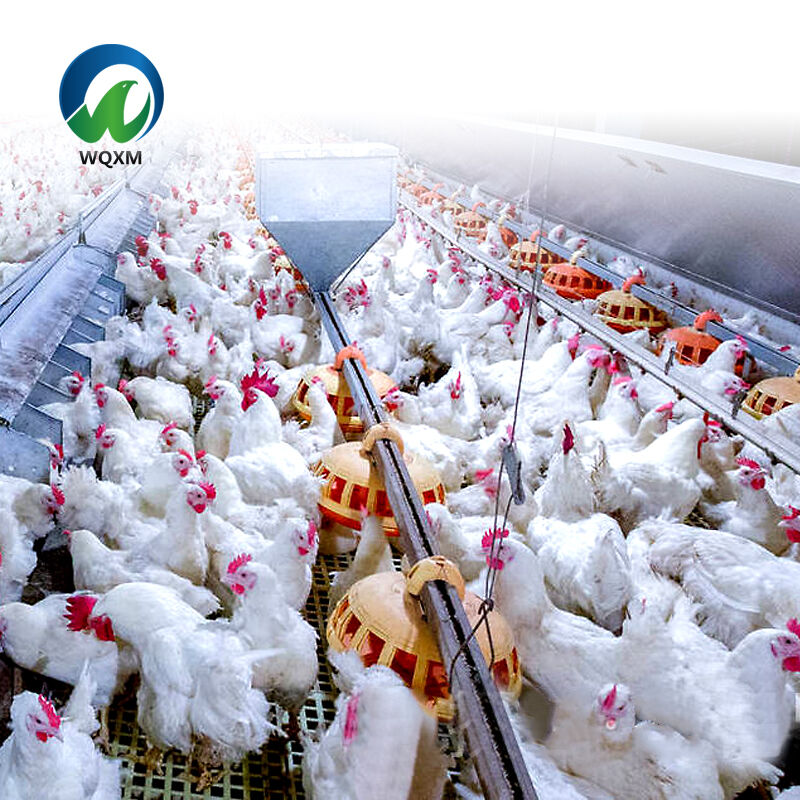
Large-scale agricultural operations face unique challenges when it comes to efficiently managing livestock feeding and watering systems. Modern poultry and livestock facilities require robust, scalable solutions that can handle thousands of animals while maintaining optimal hygiene standards and operational efficiency. The integration of advanced feeding and drinking systems has become crucial for maintaining competitive advantage in today's agricultural market. Flat feeding drinking lines represent a revolutionary approach to livestock management, offering unprecedented efficiency and reliability for commercial operations seeking to optimize their production capabilities.
Understanding Flat Feeding Drinking Line Technology
Core Design Principles
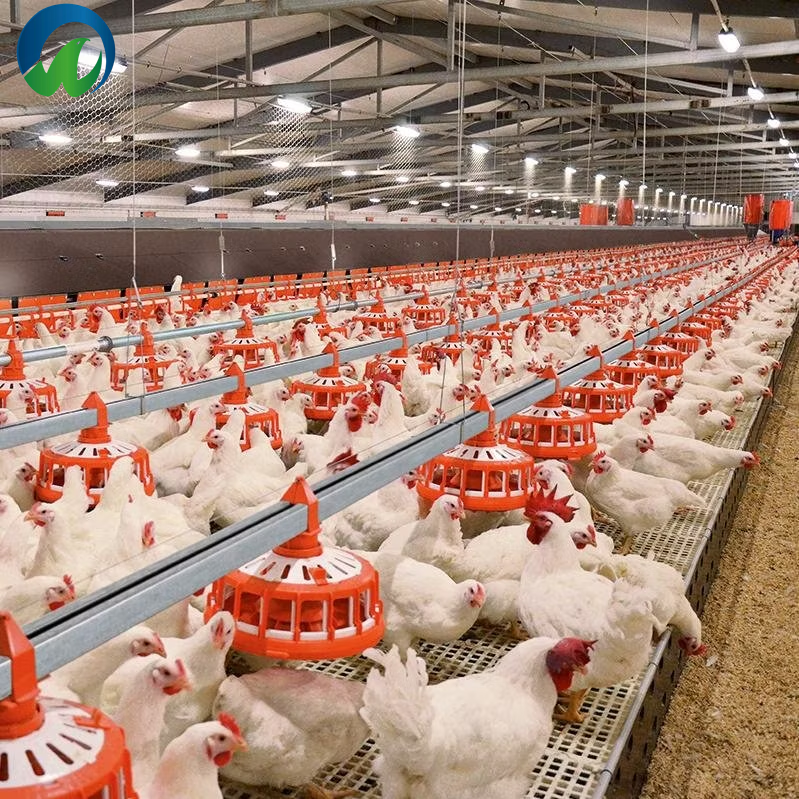
The fundamental architecture of flat feeding drinking lines centers around maximizing accessibility while minimizing waste and maintenance requirements. These systems utilize horizontal distribution networks that span across livestock housing facilities, ensuring every animal has consistent access to both feed and water sources. The flat configuration eliminates many traditional feeding bottlenecks that occur with vertical or centralized systems. Engineers design these lines with materials that resist corrosion, bacterial growth, and mechanical wear, ensuring long-term reliability in demanding agricultural environments.
Advanced pressure regulation mechanisms maintain consistent flow rates throughout the entire system, regardless of facility size or animal density. The integrated design philosophy ensures that feeding and drinking components work synergistically, reducing installation complexity and operational overhead. Modern flat systems incorporate smart sensors and monitoring capabilities that provide real-time data on consumption patterns, system performance, and maintenance needs. This technological integration allows facility managers to make data-driven decisions that optimize both animal welfare and operational efficiency.
Material Innovation and Durability
Contemporary flat feeding drinking lines utilize cutting-edge materials engineered specifically for agricultural applications. High-grade stainless steel components resist chemical corrosion from cleaning agents and maintain structural integrity under constant use. Advanced polymer materials provide flexibility and impact resistance while maintaining food-grade safety standards required for livestock applications. These materials undergo rigorous testing to ensure they meet or exceed industry standards for durability, safety, and performance.
The manufacturing process incorporates precision engineering techniques that create seamless joints and connections, eliminating potential failure points that could disrupt operations. Surface treatments and coatings further enhance material performance by reducing bacterial adhesion and simplifying cleaning procedures. Quality control protocols ensure consistent material properties across all system components, providing reliable performance characteristics that large-scale operations depend upon for continuous productivity.
Operational Advantages for Large-Scale Facilities
Scalability and Expansion Flexibility
Large agricultural operations require systems that can adapt to changing production demands and facility expansions. Flat feeding drinking lines offer modular design capabilities that allow seamless integration of additional capacity without disrupting existing operations. The horizontal configuration enables easy extension of system coverage to accommodate facility growth or reconfiguration needs. Installation procedures are streamlined to minimize downtime during expansion projects, ensuring continuous operation during facility modifications.
System scalability extends beyond physical expansion to include technological upgrades and performance enhancements. Modern flat feeding drinking lines incorporate upgrade pathways that allow operators to enhance system capabilities without complete replacement. This future-proofing approach protects investment value while ensuring operations can adapt to evolving industry requirements and technological advances. Standardized connection interfaces facilitate integration with existing infrastructure and future expansion components.
Labor Efficiency and Automation Integration
Modern agricultural operations face increasing pressure to optimize labor costs while maintaining high operational standards. Flat feeding drinking lines significantly reduce manual labor requirements through automated distribution, monitoring, and maintenance systems. Workers can focus on higher-value activities like animal health monitoring and facility management rather than routine feeding and watering tasks. The centralized control capabilities enable single-operator management of extensive livestock facilities.
Integration with farm management software provides comprehensive operational oversight and automated reporting capabilities. Real-time monitoring systems alert operators to potential issues before they impact animal welfare or production efficiency. Predictive maintenance algorithms analyze system performance data to schedule maintenance activities during optimal operational windows. These automation features reduce operational overhead while improving system reliability and performance consistency.
Economic Benefits and Return on Investment
Cost Reduction Through Efficiency
The implementation of flat feeding drinking lines delivers substantial cost savings through multiple operational improvements. Reduced feed waste represents one of the most significant economic benefits, as precise distribution mechanisms minimize spillage and contamination. Water consumption efficiency improvements reduce utility costs while ensuring adequate hydration for livestock. The integrated design reduces installation costs compared to separate feeding and watering systems, providing immediate capital expenditure savings.
Long-term operational savings accumulate through reduced maintenance requirements and extended system lifespan. The robust construction and quality materials minimize replacement frequency and repair costs. Energy efficiency improvements reduce operational costs through optimized pump and motor operations. These cumulative savings often result in payback periods of less than three years for large-scale installations, making flat feeding drinking lines an attractive investment proposition.
Production Optimization and Revenue Enhancement
Consistent feed and water delivery improves animal growth rates and health outcomes, directly impacting production efficiency and revenue generation. Uniform distribution ensures all animals receive adequate nutrition and hydration, reducing growth variation and improving overall herd performance. The stress reduction associated with reliable feeding systems contributes to better animal welfare and productivity metrics. Quality control improvements in feed delivery reduce contamination risks and associated production losses.
Data collection capabilities enable precision nutrition management that optimizes feed conversion rates and reduces production costs per unit output. Performance monitoring systems identify optimization opportunities that can increase production efficiency and profitability. The improved consistency and reliability of flat feeding drinking lines support higher production targets and more predictable revenue streams. These production benefits often exceed initial investment costs within the first operational year.
Maintenance and Operational Considerations
Preventive Maintenance Protocols
Effective maintenance strategies are essential for maximizing the performance and lifespan of flat feeding drinking lines in large-scale operations. Regular inspection schedules identify potential issues before they develop into costly problems or operational disruptions. Component replacement protocols ensure system reliability through proactive part replacement based on usage patterns and performance data. Cleaning and sanitization procedures maintain hygiene standards while preserving system components.
Maintenance planning integrates with production schedules to minimize operational impact during service activities. Standardized maintenance procedures ensure consistent service quality across all system components. Training programs develop internal maintenance capabilities that reduce service costs and improve response times for minor issues. Documentation systems track maintenance history and performance trends to optimize future maintenance strategies and component replacement schedules.
System Monitoring and Performance Optimization
Advanced monitoring systems provide continuous oversight of flat feeding drinking lines performance across all operational parameters. Sensor networks track flow rates, pressure levels, consumption patterns, and system integrity in real-time. Data analytics platforms process monitoring information to identify trends, predict maintenance needs, and optimize system performance. Alert systems notify operators of deviations from normal operating parameters before they impact production or animal welfare.
Performance optimization protocols use monitoring data to fine-tune system operations for maximum efficiency. Consumption pattern analysis enables feed and water delivery scheduling that aligns with animal behavior and nutritional requirements. Energy optimization algorithms adjust system operations to minimize power consumption while maintaining performance standards. Regular performance reviews identify improvement opportunities and system enhancement possibilities that can further increase operational efficiency.
Environmental Impact and Sustainability
Resource Conservation Benefits
Environmental sustainability has become a critical consideration for modern agricultural operations, and flat feeding drinking lines contribute significantly to resource conservation efforts. Water usage optimization reduces environmental impact through precise delivery mechanisms that eliminate wastage and runoff. Feed efficiency improvements minimize resource consumption per unit of production output, reducing the environmental footprint of livestock operations. The durability and longevity of quality systems reduce replacement frequency and associated manufacturing environmental impacts.
Energy efficiency features reduce carbon footprint through optimized pump operations and reduced system losses. The integrated design eliminates redundant components and reduces overall system energy requirements. Recycling capabilities for system components at end-of-life further minimize environmental impact. These sustainability benefits align with industry trends toward environmentally responsible agricultural practices and regulatory compliance requirements.
Waste Reduction and Circular Economy Integration
Flat feeding drinking lines contribute to waste reduction through precise delivery systems that minimize feed spillage and contamination. Advanced filtration and treatment capabilities enable water recycling and reuse within the system. Organic waste management integration allows for nutrient recovery and beneficial reuse of system byproducts. These circular economy principles reduce operational costs while improving environmental performance.
System design incorporates recyclable materials and components that support end-of-life sustainability goals. Modular construction enables component reuse and refurbishment, extending useful life and reducing waste generation. Integration with renewable energy systems further enhances environmental performance and operational sustainability. These environmental benefits often provide additional value through sustainability certifications and market premiums for environmentally responsible production.
FAQ
What maintenance requirements do flat feeding drinking lines have for large operations
Flat feeding drinking lines require regular inspection schedules typically every 30-60 days depending on operation size and usage intensity. Daily monitoring of pressure levels, flow rates, and consumption patterns helps identify potential issues early. Weekly cleaning protocols maintain hygiene standards and prevent bacterial buildup. Annual comprehensive system audits ensure optimal performance and identify component replacement needs. Most maintenance tasks can be performed by trained facility staff, reducing service costs and improving response times.
How do flat feeding drinking lines compare to traditional feeding systems in terms of efficiency
Flat feeding drinking lines typically demonstrate 15-25% improvement in feed conversion efficiency compared to traditional systems through reduced waste and more consistent delivery. Water usage efficiency improvements range from 20-30% through precise flow control and elimination of spillage. Labor requirements are reduced by approximately 40-60% through automation and centralized management capabilities. Installation costs are generally 10-20% lower than separate feeding and watering systems due to integrated design benefits.
What capacity ranges can flat feeding drinking lines accommodate for commercial operations
Modern flat feeding drinking lines can accommodate operations ranging from 5,000 to over 100,000 animals depending on system configuration and facility design. Modular construction allows for incremental capacity increases as operations expand. System pressure and flow capabilities support facilities up to 1,000 feet in length with consistent performance throughout. Multiple parallel lines can be integrated to support even larger operations while maintaining redundancy and operational flexibility.
What are the key factors to consider when selecting flat feeding drinking lines for a large-scale facility
Facility size and animal capacity requirements determine system specifications and component selection. Environmental conditions including temperature ranges, humidity levels, and cleaning chemical compatibility affect material choices. Integration requirements with existing infrastructure and control systems influence system configuration. Budget considerations including initial investment, operational costs, and maintenance requirements impact system selection. Future expansion plans should be evaluated to ensure selected systems can accommodate growth without major modifications.
Table of Contents
- Understanding Flat Feeding Drinking Line Technology
- Operational Advantages for Large-Scale Facilities
- Economic Benefits and Return on Investment
- Maintenance and Operational Considerations
- Environmental Impact and Sustainability
-
FAQ
- What maintenance requirements do flat feeding drinking lines have for large operations
- How do flat feeding drinking lines compare to traditional feeding systems in terms of efficiency
- What capacity ranges can flat feeding drinking lines accommodate for commercial operations
- What are the key factors to consider when selecting flat feeding drinking lines for a large-scale facility