 EN
EN

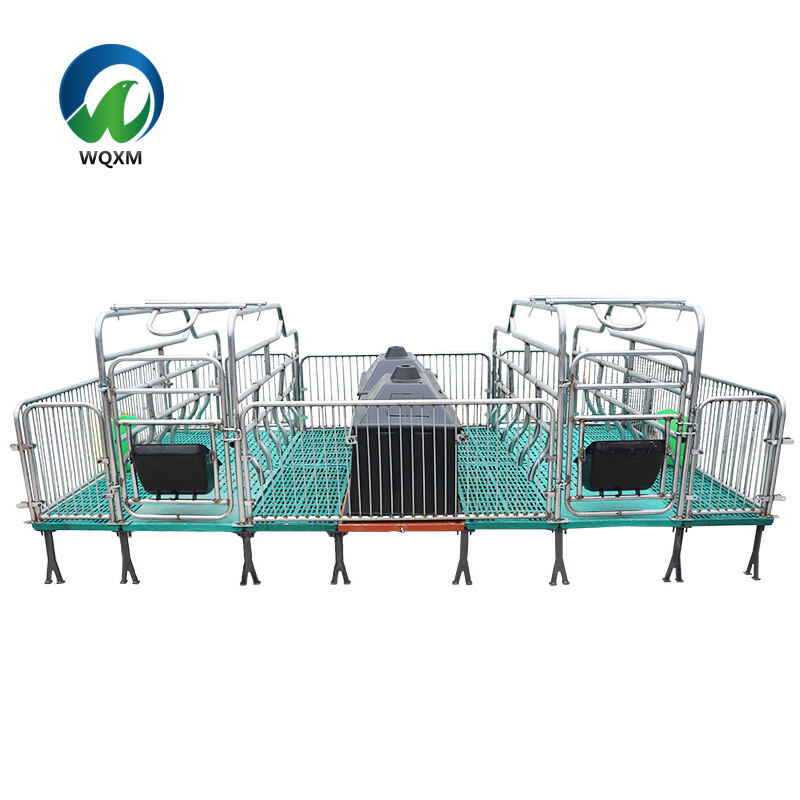
Modern pig farming requires careful attention to sow welfare during the critical farrowing period. Farrowing crates serve as essential housing systems designed to protect both sows and newborn piglets while ensuring optimal breeding outcomes. These specialized enclosures must balance safety considerations with animal comfort, incorporating thoughtful design elements that support natural maternal behaviors while preventing piglet mortality. Understanding the key comfort features in farrowing crates enables producers to make informed decisions that benefit both animal welfare and operational efficiency.
Essential Space Dimensions for Sow Comfort
Optimal Crate Width Requirements
The width of farrowing crates directly impacts sow comfort and movement capabilities during the birthing process. Industry standards recommend a minimum width of 60-65 centimeters to allow sows adequate space for lying down and standing without excessive restriction. This dimension accommodates various sow breeds while ensuring sufficient clearance for safe piglet movement around the mother. Proper width measurements prevent unnecessary stress on the sow's joints and muscles during extended periods of confinement.
Advanced crate designs incorporate adjustable width mechanisms that can be modified based on individual sow size and breeding stage requirements. These adaptive systems allow farmers to customize space allocation while maintaining safety protocols for both mother and offspring. The flexibility in width adjustment helps reduce pressure points and improves overall comfort during the critical farrowing period.
Length Considerations for Natural Positioning
Adequate length in farrowing crates enables sows to adopt natural lying positions without forcing uncomfortable postures. Standard lengths range from 200 to 220 centimeters, providing sufficient space for full body extension while maintaining containment safety. This dimension allows sows to shift positions during labor and nursing, reducing the risk of developing pressure sores or circulation problems.
The length specification must account for sow breed variations and individual size differences within production systems. Larger breed sows require extended length dimensions to prevent cramping and ensure comfortable positioning throughout the farrowing cycle. Proper length allocation supports natural maternal instincts while maintaining the protective benefits of contained housing systems.
Flooring Solutions for Enhanced Comfort
Anti-Slip Surface Technologies
Flooring materials in farrowing crates must provide secure footing while maintaining easy cleaning capabilities for optimal hygiene management. Anti-slip surface treatments reduce the risk of sow injuries during movement and position changes, particularly important during the vulnerable farrowing period. Textured concrete surfaces, rubberized mats, and specialized plastic flooring systems offer various solutions for improved traction and comfort.
Modern flooring technologies incorporate drainage channels and smooth surface areas strategically positioned to prevent waste accumulation while maintaining grip security. These hybrid systems combine the durability of traditional materials with enhanced comfort features that reduce joint stress and improve overall sow welfare. Regular maintenance of anti-slip surfaces ensures continued effectiveness throughout multiple production cycles.
Temperature Regulation Through Floor Design
Floor design significantly influences thermal comfort within farrowing crates, affecting both sow comfort and piglet survival rates. Heated floor sections provide warmth during cold periods while avoiding overheating in warmer conditions. Strategic placement of heating elements ensures even temperature distribution without creating hot spots that could cause discomfort or burns.
Insulation properties of flooring materials help maintain stable temperatures and reduce energy consumption in climate-controlled facilities. Advanced systems incorporate thermal sensors and automatic temperature adjustment capabilities that respond to environmental changes. These intelligent flooring solutions optimize comfort conditions while minimizing operational costs and energy usage.
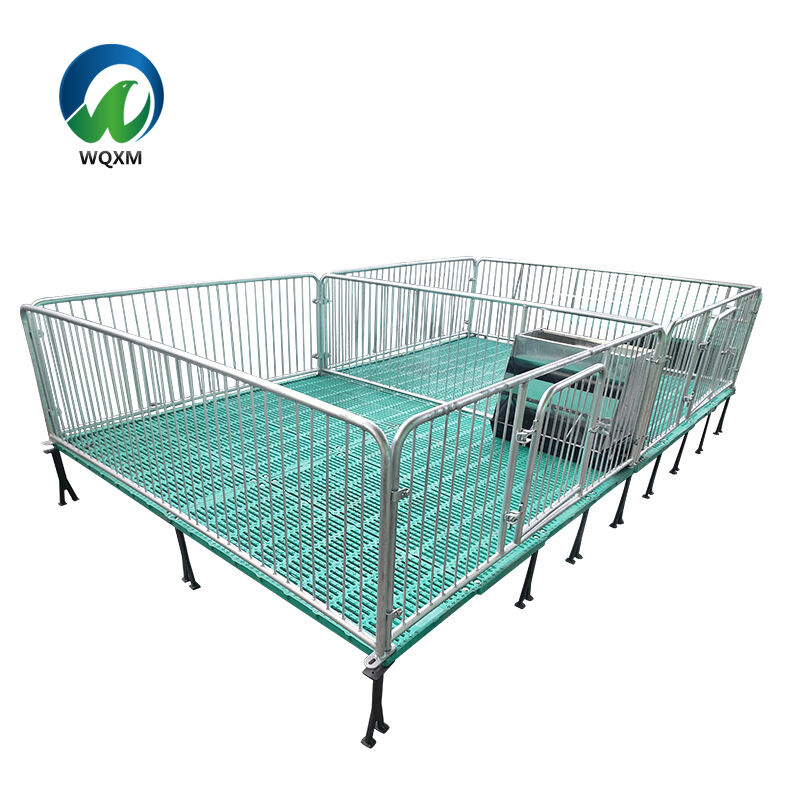
Feeding and Watering System Integration
Accessible Feeder Positioning
Strategic placement of feeding systems within farrowing crates ensures sows can access nutrition without excessive strain or uncomfortable positioning. Feed trough height and angle adjustments accommodate natural eating postures while preventing feed waste and contamination. Proper feeder design reduces neck and back strain during extended feeding periods throughout lactation.
Automated feeding systems integrate seamlessly with crate designs to provide consistent nutrition delivery while minimizing human intervention stress. These systems maintain feed freshness and portion control while allowing sows to eat at their natural pace. Advanced feeders incorporate sensors that monitor consumption patterns and adjust delivery schedules based on individual sow requirements.
Water Access Optimization
Continuous access to clean, fresh water is essential for maintaining sow health and milk production during the farrowing period. Water delivery systems must be positioned for easy access without interfering with piglet movement or creating spillage problems. Nipple drinkers and bite-ball systems provide controlled water access while maintaining sanitary conditions within the crate environment.
Water system pressure regulation ensures adequate flow rates without creating excessive noise or water waste that could stress both sows and piglets. Temperature-controlled water systems provide comfort during extreme weather conditions while encouraging adequate hydration for optimal milk production. Regular monitoring and maintenance of water systems ensures consistent performance throughout the production cycle.
Ventilation and Air Quality Management
Fresh Air Circulation Patterns
Proper ventilation design within farrowing facilities creates comfortable air movement patterns that remove moisture, odors, and harmful gases while maintaining optimal temperature conditions. Strategic placement of intake and exhaust points ensures even air distribution throughout the crate area without creating drafts that could stress animals. Natural and mechanical ventilation systems work together to provide consistent air quality management.
Advanced ventilation controls adjust air flow rates based on occupancy levels, outside weather conditions, and internal air quality measurements. These automated systems maintain optimal conditions while minimizing energy consumption and operational costs. Proper ventilation reduces respiratory stress and supports overall health for both sows and piglets during critical development periods.
Humidity Control Systems
Maintaining appropriate humidity levels within farrowing crates prevents respiratory problems and reduces disease transmission risks. Humidity control systems integrate with ventilation equipment to maintain optimal moisture levels throughout varying seasonal conditions. Proper humidity management supports natural respiratory function while preventing the growth of harmful bacteria and fungi.
Monitoring equipment tracks humidity levels continuously and triggers automatic adjustments when conditions exceed acceptable ranges. These systems prevent both excessive dryness that can irritate respiratory systems and high humidity that promotes pathogen growth. Consistent humidity control contributes to overall comfort and health outcomes for farrowing operations.
Safety Features and Injury Prevention
Protective Barrier Design
Safety barriers in farrowing crates protect piglets from crushing while allowing natural nursing behaviors to continue unimpeded. Strategic placement of protection rails at appropriate heights creates safe zones for newborn piglets without restricting sow movement or comfort. These barriers must be designed to prevent entrapment while maintaining easy access for routine care and cleaning.
Adjustable barrier systems accommodate different sow sizes and piglet development stages throughout the farrowing cycle. Smooth, rounded edges prevent injury during movement while maintaining structural integrity under normal use conditions. Regular inspection and maintenance of safety barriers ensures continued protection throughout multiple production cycles.
Edge and Corner Safety Considerations
Eliminating sharp edges and corners within farrowing crates reduces injury risks for both sows and piglets during normal movement and activity. Rounded corners and smooth surface finishes prevent cuts and abrasions while maintaining structural strength and durability. Safety design considerations extend to all hardware components including latches, hinges, and adjustment mechanisms.
Regular safety inspections identify potential hazards before they cause injury, ensuring continued protection throughout the operational life of farrowing equipment. Maintenance protocols address wear patterns and component deterioration that could create safety risks. Proactive safety management protects animal welfare while reducing liability and replacement costs.
Lighting and Environmental Comfort
Natural Light Integration
Incorporating natural light into farrowing facilities supports natural biological rhythms while reducing energy costs for artificial illumination. Skylight systems and strategically placed windows provide daylight exposure while maintaining environmental control capabilities. Natural light exposure promotes normal hormone production and behavioral patterns in both sows and piglets.
Light intensity control systems adjust artificial lighting to complement natural cycles while ensuring adequate visibility for routine care and monitoring activities. Dimming capabilities reduce stress during rest periods while providing bright illumination when needed for veterinary procedures or detailed inspections. Balanced lighting systems support animal welfare while meeting operational requirements.
Artificial Lighting Optimization
LED lighting systems provide energy-efficient illumination with minimal heat production, maintaining comfortable temperatures within farrowing crates. Programmable lighting controllers create consistent day-night cycles that support natural behavioral patterns and reduce stress-related problems. Color temperature adjustments optimize visibility while minimizing disruption to natural sleep patterns.
Emergency lighting systems ensure continued visibility during power outages or equipment failures, maintaining safety for both animals and caretakers. Battery backup systems provide reliable illumination for essential monitoring and care activities. Consistent lighting management contributes to overall comfort and productivity in farrowing operations.
FAQ
What is the minimum space requirement for comfortable farrowing crates?
The minimum space requirements for comfortable farrowing crates include a width of 60-65 centimeters and length of 200-220 centimeters, depending on sow breed and size. These dimensions allow adequate movement for natural positioning while maintaining safety for both mother and piglets. Proper space allocation reduces stress and supports normal maternal behaviors throughout the farrowing period.
How do flooring materials affect sow comfort in farrowing systems?
Flooring materials significantly impact sow comfort through traction, temperature control, and joint support properties. Anti-slip surfaces prevent injuries during movement while heated sections maintain optimal temperatures for both sows and piglets. Quality flooring reduces pressure points and joint stress while facilitating easy cleaning and maintenance procedures.
What safety features are essential in modern farrowing crate designs?
Essential safety features include protective piglet rails, rounded edges and corners, adjustable barriers, and secure latching mechanisms. These elements prevent crushing injuries while maintaining easy access for routine care and cleaning. Regular safety inspections ensure continued protection and identify potential hazards before they cause problems.
How does ventilation design impact comfort in farrowing facilities?
Proper ventilation design creates comfortable air circulation patterns that remove moisture, odors, and harmful gases while maintaining optimal temperature and humidity conditions. Strategic air flow management prevents drafts and temperature fluctuations that could stress animals. Advanced ventilation controls automatically adjust conditions based on occupancy and environmental factors to ensure consistent comfort throughout the farrowing cycle.