EN
EN


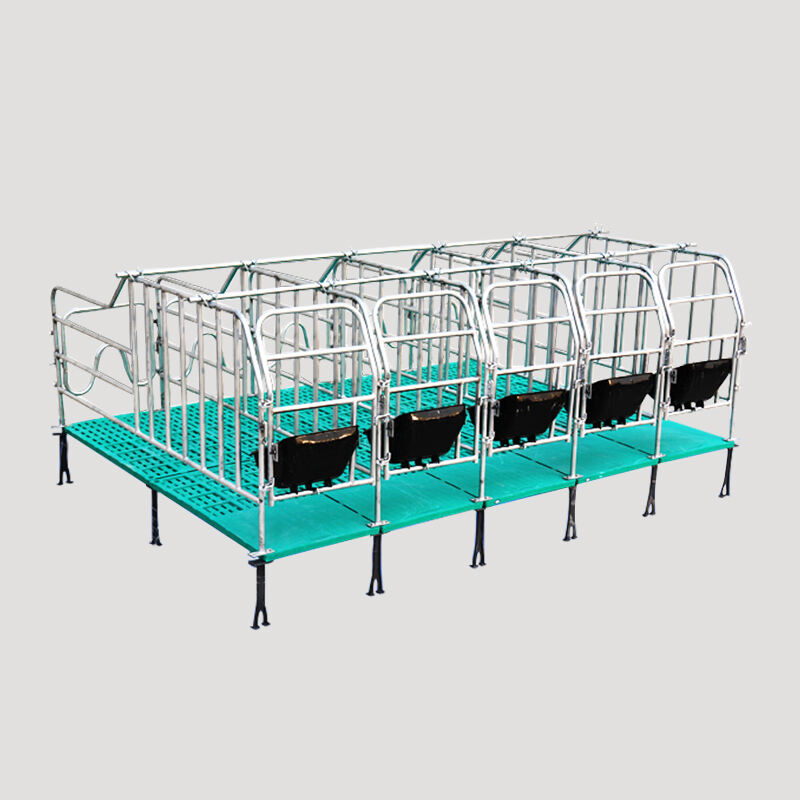
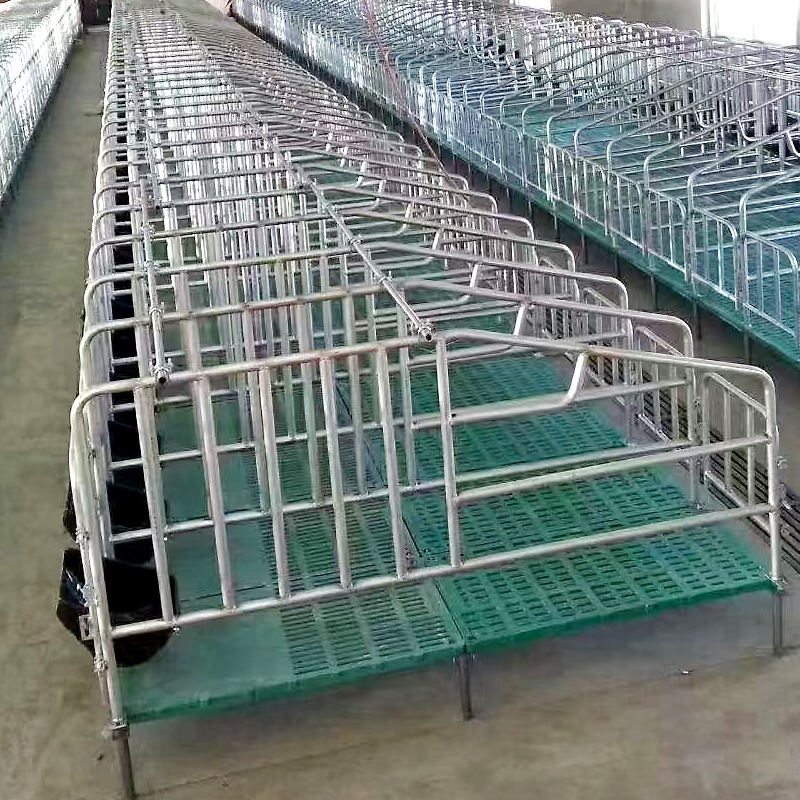
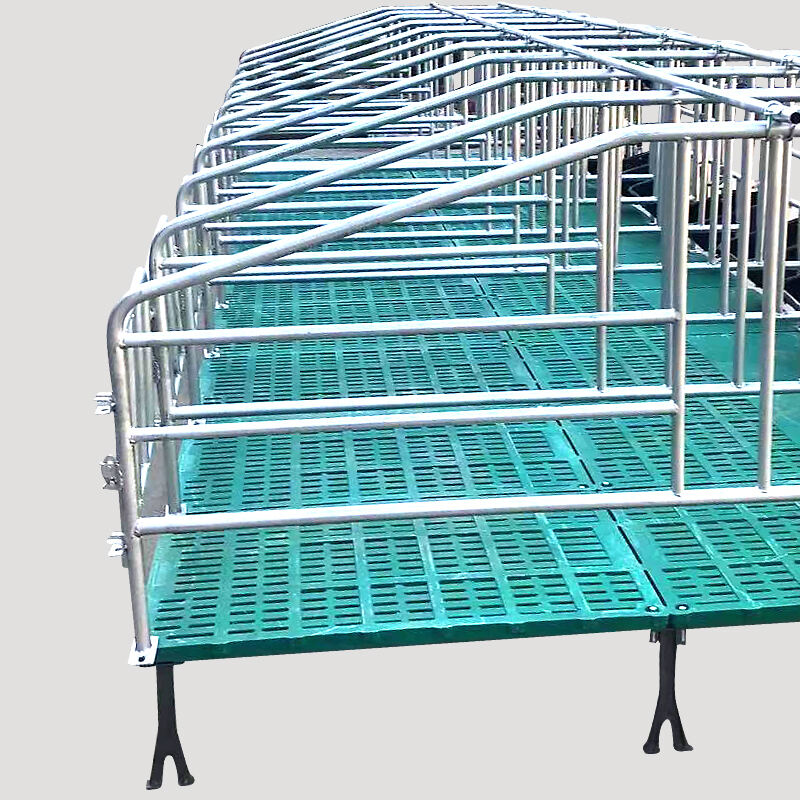
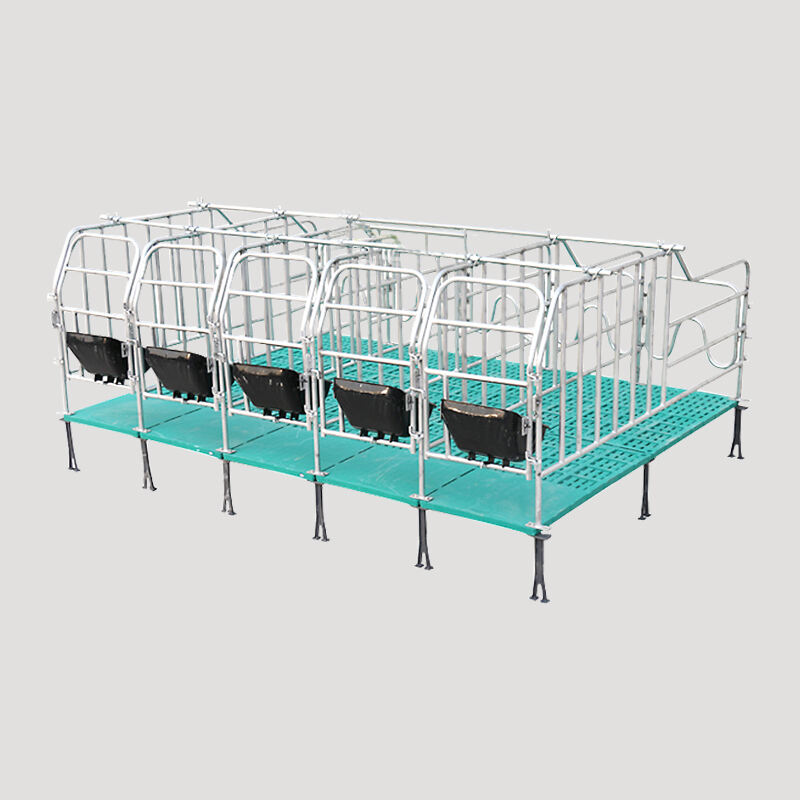
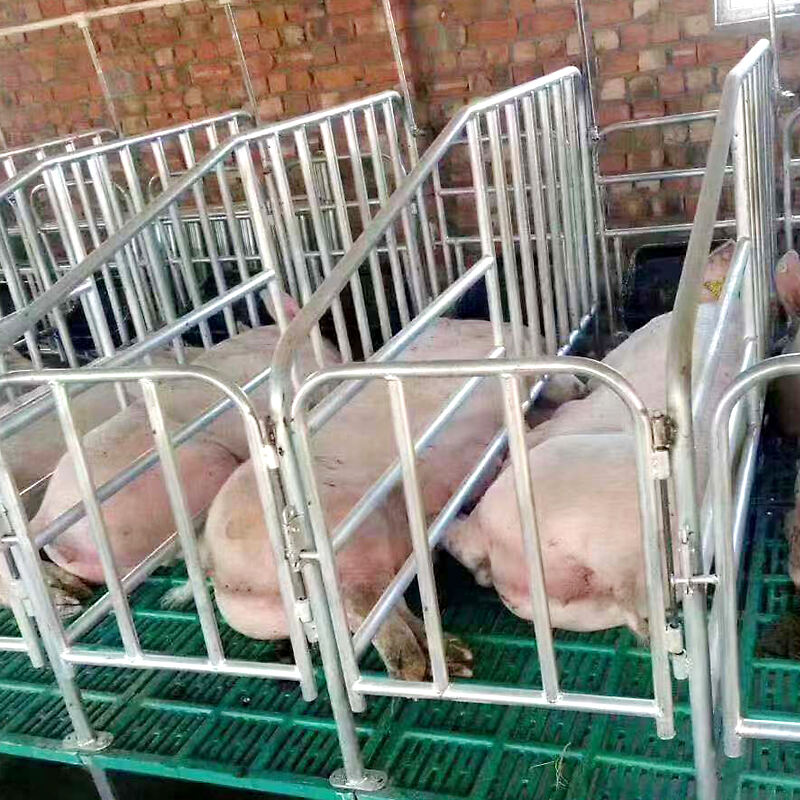
Hot Dip Galvanized Gestation Cages For Sow With Slat Floor represent a sophisticated solution for modern livestock management facilities seeking durable, hygienic, and efficient housing systems that align with contemporary animal husbandry practices and international farming standards. These specialized containment systems are engineered to provide optimal conditions for gestating sows during critical reproductive phases, incorporating advanced metallurgical treatments and thoughtfully designed structural elements that prioritize both animal welfare and operational efficiency. The hot dip galvanization process ensures exceptional corrosion resistance and longevity, making these units particularly suitable for demanding agricultural environments where moisture, ammonia exposure, and frequent cleaning protocols create challenging conditions for standard metal equipment. The integrated slat floor design facilitates superior waste management and ventilation while maintaining structural integrity under substantial weight loads, addressing fundamental requirements for commercial pig farming operations across diverse geographical regions and climatic conditions. Manufacturing approaches for these systems emphasize precision engineering and quality control protocols that meet stringent international standards, ensuring consistent performance characteristics regardless of installation location or operational intensity. The galvanization treatment involves immersing fabricated steel components in molten zinc baths, creating a metallurgically bonded protective coating that penetrates deeply into the base metal structure, providing comprehensive protection against oxidation and chemical degradation that typically affects untreated steel surfaces in agricultural applications. This surface treatment methodology not only extends operational lifespan but also reduces maintenance requirements and replacement costs, contributing to improved return on investment for farming enterprises and livestock management facilities. Design considerations for these gestation systems encompass ergonomic accessibility for caretakers, efficient space utilization within existing barn structures, and compatibility with automated feeding and monitoring equipment commonly employed in contemporary swine operations. The slat floor configuration allows for natural drainage and airflow while providing stable footing surfaces that accommodate the behavioral patterns and movement requirements of gestating sows throughout different stages of their reproductive cycle. Functional customization possibilities include adjustable dimensions to accommodate various sow breeds and sizes, specialized gate mechanisms for ease of animal movement and veterinary access, and integration points for supplementary equipment such as automatic waterers, feeding systems, and environmental monitoring devices. These adaptability features enable livestock producers to optimize their facilities according to specific operational requirements, breed characteristics, and management philosophies while maintaining compliance with evolving animal welfare regulations and industry best practices. Application suitability extends across commercial breeding facilities, research institutions, educational farms, and integrated livestock operations that require reliable, sanitary housing solutions capable of supporting intensive production schedules while maintaining high standards of animal care and operational efficiency. The robust construction methodology and protective coating systems make these units particularly well-suited for export markets and international distribution channels where equipment must withstand extended transportation periods, varying storage conditions, and diverse installation environments without compromising structural integrity or performance characteristics. Quality consistency philosophy underlying the manufacturing process emphasizes standardized production protocols, comprehensive testing procedures, and systematic quality assurance measures that ensure uniform performance across individual units and production batches, supporting the reliability expectations of international buyers and distributors who require predictable equipment characteristics for their client base. Export-oriented handling considerations include protective packaging systems, modular design elements that facilitate efficient shipping container utilization, and comprehensive assembly documentation that supports installation by local technicians with varying levels of specialized expertise. The manufacturing approach incorporates decades of experience in agricultural equipment production and international market requirements, ensuring that design specifications and material selections reflect real-world operational demands and long-term durability expectations. Customization collaboration opportunities encompass OEM partnerships where specifications can be adapted to meet regional preferences, regulatory requirements, or specific operational methodologies employed by different livestock management systems. ODM cooperation frameworks allow for the development of specialized variants that incorporate unique features or modifications requested by distributors or end-users who require equipment adaptations for particular market segments or operational environments. These collaborative approaches recognize that successful international business relationships require flexibility, responsiveness, and willingness to adapt standard products to meet diverse market requirements while maintaining core quality and performance standards. Packaging and logistics compatibility features include stackable configurations for efficient warehouse storage, protective covering systems that prevent damage during handling and transportation, and standardized dimensions that optimize shipping container capacity utilization and reduce per-unit transportation costs. The design philosophy also considers ease of installation and setup procedures, recognizing that many international customers require equipment that can be efficiently assembled using standard tools and techniques without requiring specialized installation services or extensive technical support. Long-term supplier cooperation expectations focus on establishing stable business relationships built upon consistent product quality, reliable delivery performance, and ongoing technical support that enables customers to maximize the operational benefits and lifespan of their equipment investments, ultimately supporting the growth and success of their livestock operations.
Hot Dip Galvanized Gestation Cages For Sow With Slat Floor
-
Durable & Corrosion-Resistant Frame – Galvanized steel construction ensures long-lasting performance in demanding farm environments.
-
Hygienic Slatted Flooring – Non-slip, elevated BMC plastic flooring keeps sows clean, promotes waste separation, and reduces disease risk.
-
Efficient Space & Sow Management – Compact modular design with individual stalls supports optimal barn layout and easy sow supervision.
-
Safe & Comfortable for Sows – Adjustable stalls and secure gating minimize aggression and ensure sow comfort throughout gestation.
- Overview
- Details
- Recommended Products
Product Parameter Information
| Product Name | Sow Gestation Cage |
| Size | 220*60cm*10 |
| Pipe Diameter and Thickness | 32mm* 2.0mm |
| Shipping Volume for 1 Set | 1.5 CBM |
| Weight for 1 Set | Around 500kg |
| Life Span | 15+ years |
Description
Gestation crates, or individual stalls, have traditionally been used to protect sows during pregnancy, reducing aggression and preventing injuries by separating animals. These crates also enable farmers to closely monitor individual health and administer vaccines efficiently. However, growing concerns over animal welfare have led many states and major pork-producing countries to restrict or ban the use of gestation crates for the entire duration of pregnancy. At the heart of the issue is the demand for improved animal welfare, with consumers and activists calling for systems that allow greater freedom of movement for pregnant sows while still ensuring their nutritional and safety needs are met. In response to these evolving standards, many producers are phasing out traditional crates. Even before these changes became widespread.
Product Introduction Video
https://www.youtube.com/embed/Rjm1YVME-4M?si=YS2dnmaGFMt656_U
Details
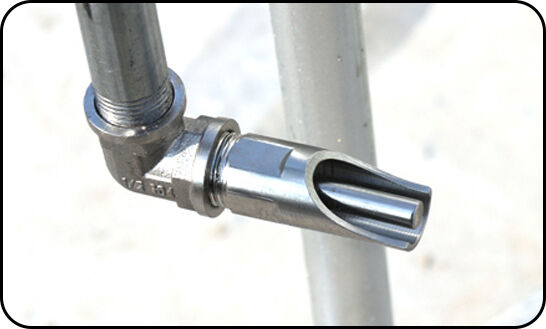 |
Free drinking water equipment Free accessories Connect the water pipe Ready to use |
|
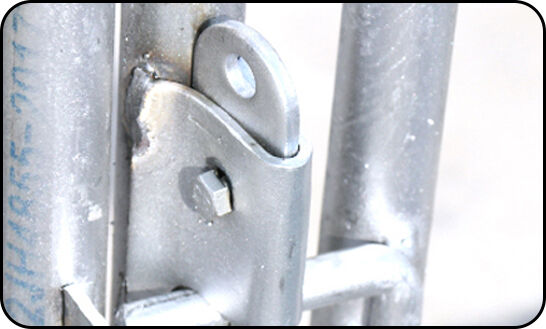
Thickened European style latch Thickened iron galvanized production More convenient switch Durable and corrosion resistant |
 |
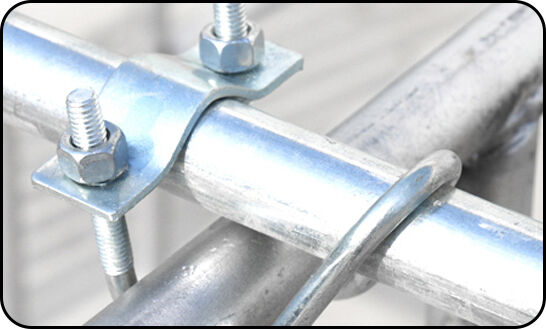 |
Galvanized iron U-shaped buckle Simultaneous use with anti-jumping bar Maintain overall stability |
|
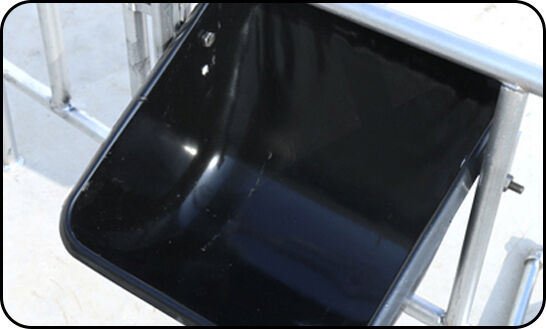
Baking varnish Steel plate trough Special food bowl for sow Three- jaw stable design Semicircle around, don't hurt the pig's mouth |
 |
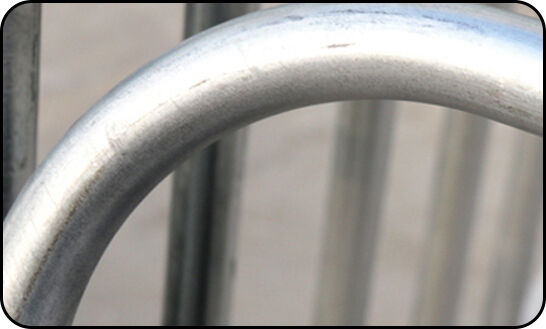 |
Round and smooth elbow National standard tube + high-end machine No burrs, no cracks |
| BMC plastic slat floor | 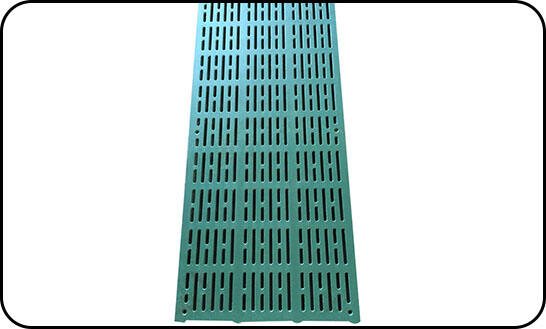 |