 EN
EN

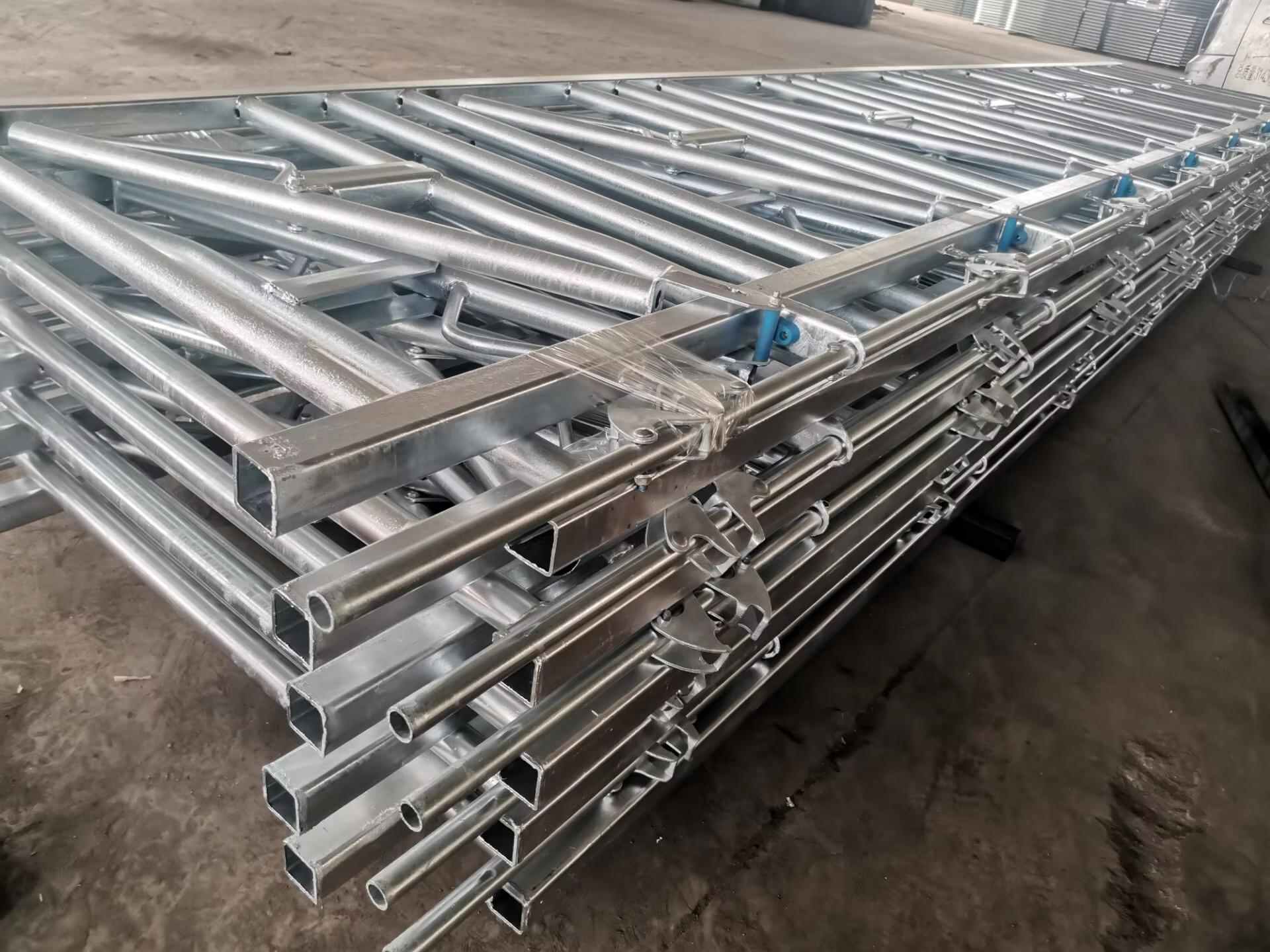
Modern livestock farming demands precision, efficiency, and animal welfare considerations that directly impact profitability. Among the essential equipment for cattle management, cattle neck locks stand as a critical investment that can transform daily operations. These restraining devices enable farmers to safely handle individual animals during feeding, veterinary procedures, and routine health checks without causing stress or injury to the livestock.
The agricultural industry has witnessed significant technological advancements in livestock management equipment over the past decade. High-quality cattle neck locks represent a convergence of durability, functionality, and animal comfort that addresses the evolving needs of commercial and small-scale farming operations. Understanding the benefits and applications of these devices helps farmers make informed decisions about their infrastructure investments.
Enhanced Safety and Operational Efficiency
Worker Protection and Risk Reduction
Professional-grade cattle neck locks significantly reduce workplace injuries by providing secure animal restraint during handling procedures. Traditional methods of cattle restraint often expose workers to unpredictable animal behavior, kicks, and sudden movements that can result in serious injuries. Modern neck lock systems create a controlled environment where veterinary treatments, vaccinations, and health examinations can be performed safely.
The ergonomic design of quality cattle neck locks allows farmers to position animals at appropriate heights for examination and treatment. This positioning reduces back strain and fatigue associated with bending or awkward postures during lengthy procedures. Additionally, the secure restraint eliminates the need for multiple workers to hold animals, optimizing labor allocation across farm operations.
Streamlined Daily Operations
Efficient cattle management depends on the ability to quickly and safely isolate individual animals for various procedures. High-quality neck locks integrate seamlessly into feeding systems, allowing farmers to secure animals during meal times while preventing feed theft and ensuring proper nutrition distribution. This controlled feeding environment enables accurate monitoring of individual animal consumption patterns.
The time savings achieved through proper cattle neck lock implementation can be substantial. Farmers report reducing animal handling time by up to sixty percent when using professional-grade restraint systems compared to traditional methods. This efficiency gain translates directly into increased productivity and the ability to manage larger herds with existing labor resources.
Superior Animal Welfare and Stress Reduction
Comfort-Focused Design Principles
Modern cattle neck locks prioritize animal comfort through thoughtful engineering that minimizes stress during restraint. The smooth, rounded surfaces and appropriate sizing prevent chafing, pressure points, and discomfort that can negatively impact animal behavior and performance. Quality materials and construction techniques ensure that the restraint device does not cause pain or anxiety during use.
Research in animal behavior demonstrates that cattle respond more favorably to gradual, gentle restraint compared to sudden or forceful methods. Premium neck lock systems incorporate adjustable mechanisms that accommodate different animal sizes while maintaining consistent, comfortable pressure. This adaptability reduces the stress response and helps maintain normal physiological functions during procedures.
Behavioral Benefits and Long-Term Impact
Consistent use of properly designed cattle neck locks contributes to positive conditioning and reduced handling stress over time. Animals become accustomed to the restraint process, making future procedures smoother and less traumatic. This behavioral adaptation is particularly valuable for breeding operations where animals undergo regular health monitoring and reproductive management.
The psychological benefits extend beyond individual procedures to overall herd management. Cattle that experience low-stress handling develop better human-animal relationships, resulting in calmer behavior during daily interactions. This improved relationship facilitates routine tasks such as movement between pastures, loading for transport, and general husbandry activities.
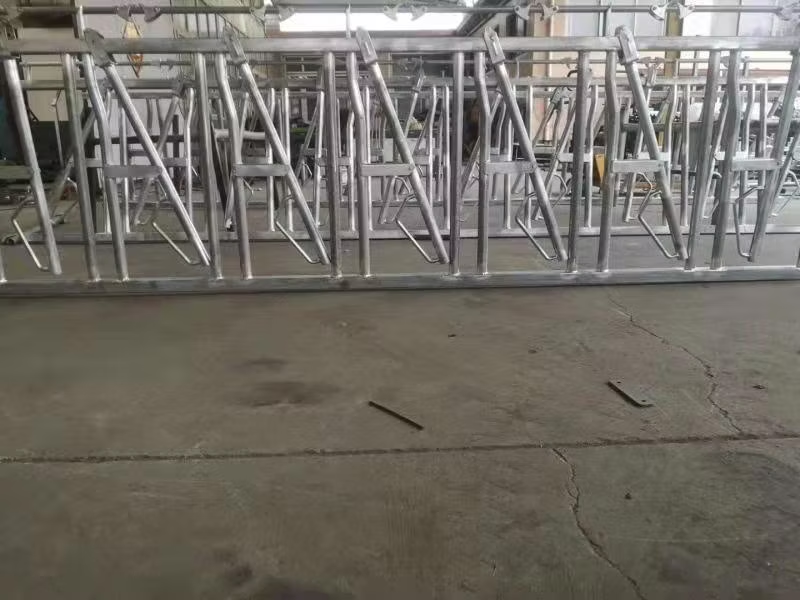
Durability and Long-Term Investment Value
Material Quality and Construction Standards
Professional cattle neck locks utilize high-grade materials designed to withstand harsh agricultural environments and constant use. Galvanized steel construction provides exceptional corrosion resistance, ensuring decades of reliable service even in humid or chemically challenging conditions. The initial investment in quality materials pays dividends through reduced maintenance costs and extended equipment lifespan.
Manufacturing standards for premium cattle neck locks incorporate precision engineering tolerances that maintain smooth operation under heavy use. Quality control processes ensure consistent performance across individual units, reducing the likelihood of premature failure or operational inconsistencies. This reliability is crucial for farms that depend on consistent animal handling capabilities for their operations.
Cost-Effectiveness and Return on Investment
While high-quality cattle neck locks require a larger initial investment compared to basic alternatives, the long-term financial benefits justify the expense. Reduced veterinary costs due to fewer handling-related injuries, decreased labor requirements, and improved animal performance contribute to positive return on investment calculations. Many farmers report recovering their equipment investment within the first year of operation.
The indirect financial benefits include improved animal health outcomes, reduced stress-related production losses, and enhanced operational efficiency. Quality restraint systems enable more thorough veterinary examinations, leading to early detection and treatment of health issues. This proactive approach to animal health management significantly reduces treatment costs and prevents production losses associated with untreated conditions.
Versatility and Application Range
Multi-Purpose Functionality
Modern cattle neck locks serve multiple functions beyond basic restraint, making them versatile tools for comprehensive livestock management. These systems integrate with feeding equipment, allowing controlled access to feed while preventing dominant animals from monopolizing resources. The restraint capability also facilitates artificial insemination procedures, pregnancy testing, and routine reproductive management tasks.
The adaptability of quality cattle neck locks extends to various farm sizes and management styles. Small-scale operations benefit from the ability to safely handle animals without additional labor, while large commercial facilities can integrate multiple units into automated feeding and management systems. This scalability ensures that the investment remains valuable as operations expand or evolve.
Integration with Farm Infrastructure
Professional-grade cattle neck locks are designed for seamless integration with existing farm infrastructure and equipment. Standardized mounting systems allow installation on various fence types, feeding barriers, and handling facility configurations. This compatibility eliminates the need for extensive modifications to existing structures, reducing installation costs and complexity.
The modular design of quality systems enables farmers to expand their restraint capabilities gradually as needs change or budgets allow. Individual units can be added to existing installations without compromising the functionality of previously installed equipment. This flexibility supports strategic farm development and allows for incremental improvements to livestock handling capabilities.
FAQ
What factors should I consider when selecting cattle neck locks for my operation?
Consider your herd size, animal breeds, available space, and primary use applications when selecting cattle neck locks. Evaluate material quality, adjustability features, and compatibility with existing infrastructure. Additionally, assess the manufacturer's reputation, warranty coverage, and availability of replacement parts to ensure long-term satisfaction with your investment.
How do cattle neck locks improve animal welfare compared to traditional restraint methods?
Quality cattle neck locks provide gentle, consistent restraint that minimizes stress and discomfort compared to rope halters or physical restraint by workers. The smooth surfaces and proper sizing prevent injury while allowing natural head movement within safe limits. This approach reduces cortisol levels and maintains normal physiological functions during procedures.
Can cattle neck locks be used for different cattle breeds and sizes?
Professional cattle neck locks feature adjustable mechanisms that accommodate various breeds and sizes within their design range. Most quality systems can handle cattle from young calves to mature bulls with proper adjustment. However, it is important to verify the size specifications and weight ratings to ensure appropriate fit for your specific animals.
What maintenance is required to keep cattle neck locks functioning properly?
Regular maintenance includes cleaning debris from moving parts, applying appropriate lubricants to hinges and adjustment mechanisms, and inspecting for wear or damage. Check mounting hardware periodically to ensure secure attachment and proper alignment. Most quality systems require minimal maintenance when used according to manufacturer specifications and cleaned regularly.
Table of Contents
- Enhanced Safety and Operational Efficiency
- Superior Animal Welfare and Stress Reduction
- Durability and Long-Term Investment Value
- Versatility and Application Range
-
FAQ
- What factors should I consider when selecting cattle neck locks for my operation?
- How do cattle neck locks improve animal welfare compared to traditional restraint methods?
- Can cattle neck locks be used for different cattle breeds and sizes?
- What maintenance is required to keep cattle neck locks functioning properly?