 EN
EN

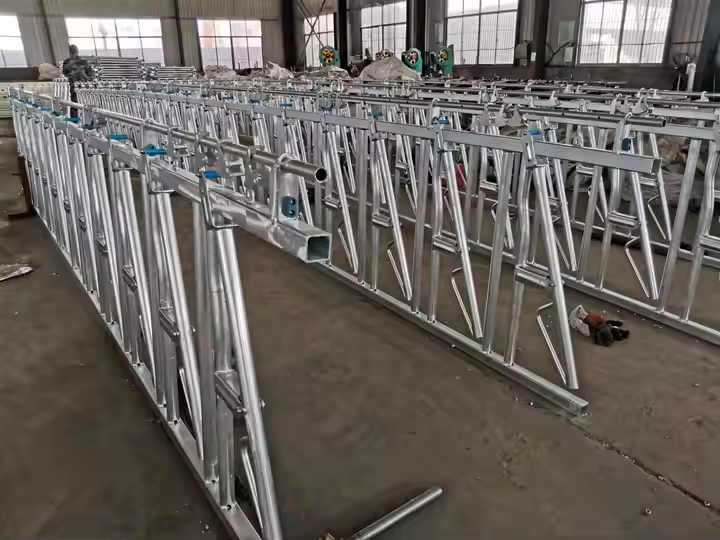
Selecting the right materials for cattle neck locks is crucial for ensuring long-term durability, animal safety, and operational efficiency in modern livestock management systems. The choice of materials directly impacts the lifespan of these restraining devices, affecting both economic returns and animal welfare. Understanding how different materials perform under various environmental conditions helps farmers and ranchers make informed decisions that protect their investments while maintaining ethical animal handling practices.
Modern agriculture demands equipment that withstands constant use, weather exposure, and the physical demands of handling large livestock. The materials used in manufacturing cattle neck locks must resist corrosion, maintain structural integrity under stress, and provide reliable performance across different climatic conditions. Quality materials not only extend equipment lifespan but also reduce maintenance costs and minimize the risk of equipment failure during critical operations.
Steel Composition and Galvanization Benefits
Heavy-Duty Steel Framework
Heavy-duty steel serves as the primary structural material for premium cattle neck locks due to its exceptional strength-to-weight ratio and load-bearing capacity. The steel used in quality livestock equipment typically features carbon content optimized for durability without excessive weight. This composition allows the equipment to withstand the substantial forces generated by adult cattle while maintaining manageable installation and operation requirements.
The manufacturing process involves precision engineering to ensure uniform steel thickness and consistent material properties throughout the entire structure. Quality control measures during steel selection eliminate materials with internal flaws or inconsistent composition that could compromise long-term performance. Professional-grade cattle neck locks utilize steel grades specifically chosen for agricultural applications, providing optimal balance between strength and workability.
Galvanization Process and Protection
Galvanization provides a protective zinc coating that prevents rust formation and extends the operational lifespan of cattle neck locks significantly. The hot-dip galvanizing process creates a metallurgical bond between zinc and steel, forming multiple layers of zinc-iron alloys that resist corrosion even when the coating surface is scratched or damaged. This protection method proves particularly valuable in humid environments or areas with frequent precipitation.
The thickness of galvanized coating directly correlates with corrosion resistance and equipment longevity. Premium manufacturers apply coating thicknesses that exceed industry standards, ensuring protection that lasts decades rather than years. The galvanization process also provides uniform coverage on complex shapes and internal surfaces that would be difficult to protect with paint or other coating methods.
Weather Resistance and Environmental Durability
Moisture Protection Systems
Effective moisture protection prevents the degradation that shortens equipment lifespan in agricultural environments. Quality cattle neck locks incorporate design features that minimize water accumulation while ensuring drainage from critical areas. The combination of galvanized surfaces and strategic design elements creates comprehensive protection against humidity, rain, and condensation that typically cause equipment failure.
Advanced manufacturing techniques seal potential entry points for moisture while maintaining necessary movement and adjustment capabilities. The protection system extends beyond surface treatments to include internal mechanisms and pivot points that require consistent operation regardless of environmental conditions. This comprehensive approach ensures reliable performance throughout varying seasonal conditions.
Temperature Variation Resistance
Materials used in cattle neck locks must maintain their properties across extreme temperature ranges commonly experienced in agricultural settings. Quality steel alloys retain strength and flexibility from sub-zero winter temperatures to intense summer heat. The expansion and contraction that occurs with temperature changes requires materials and designs that accommodate these movements without compromising structural integrity.
Thermal cycling tests during the manufacturing process verify that materials and connections maintain their performance characteristics through repeated temperature variations. This testing ensures that cattle neck locks continue operating smoothly regardless of seasonal temperature swings or daily temperature fluctuations common in many agricultural regions.
Load-Bearing Capacity and Structural Engineering
Weight Distribution Principles
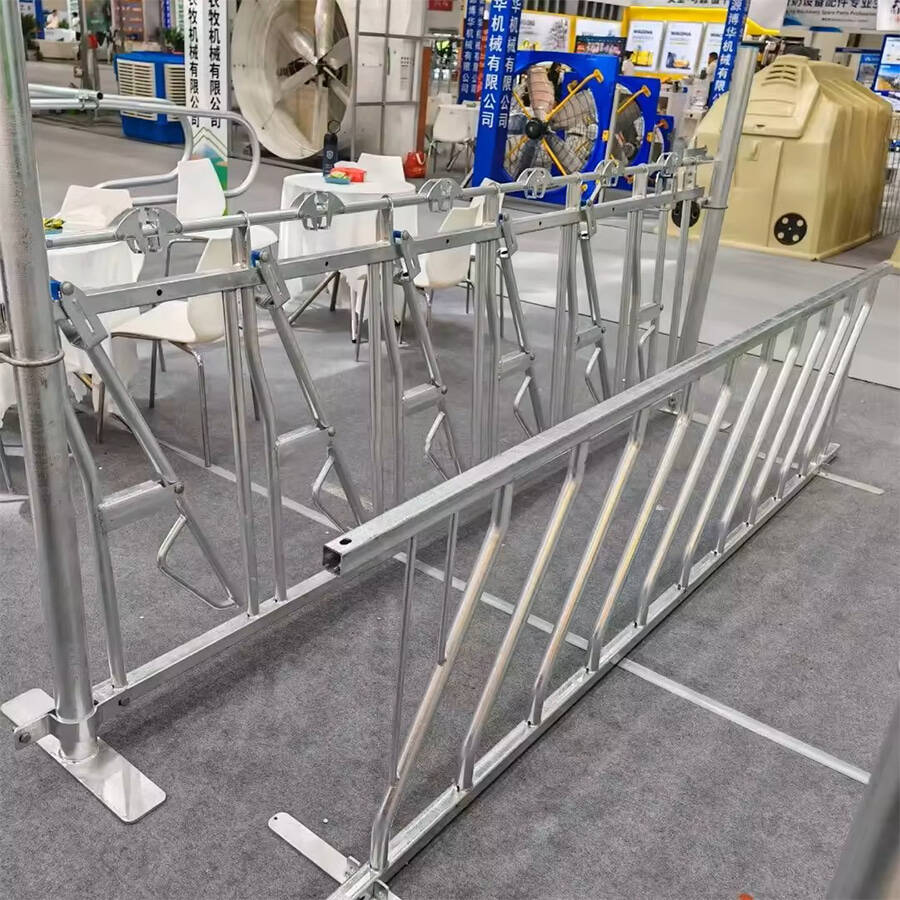
Effective weight distribution across the entire structure prevents stress concentration that could lead to premature failure in cattle neck locks. Engineering analysis determines optimal material thickness and reinforcement placement to handle forces generated by large livestock without excessive weight that complicates installation and operation. Strategic reinforcement in high-stress areas ensures long-term durability without unnecessary material usage.
The structural design considers both static loads from restrained animals and dynamic forces created during animal movement. Quality manufacturers use finite element analysis and real-world testing to validate that material selection and thickness provide adequate safety margins for expected use conditions. This engineering approach ensures reliable performance while maintaining cost-effective material usage.
Stress Point Reinforcement
Critical stress points require additional material thickness or specialized reinforcement to prevent failure under normal operating conditions. These areas typically include pivot points, locking mechanisms, and connection interfaces where forces concentrate during use. Quality cattle neck locks feature engineered reinforcement that distributes loads effectively while maintaining smooth operation.
Advanced manufacturing techniques create reinforced areas without compromising the overall design aesthetic or adding excessive weight. The reinforcement strategy considers fatigue resistance over thousands of operation cycles while maintaining the accessibility and ease of use required for efficient livestock management. This balanced approach ensures long-term reliability without sacrificing operational convenience.
Maintenance Requirements and Longevity Factors
Preventive Maintenance Protocols
Regular maintenance extends the operational lifespan of cattle neck locks while maintaining safe operation for both animals and handlers. Quality materials reduce maintenance requirements but cannot eliminate the need for periodic inspection and care. Establishing routine maintenance schedules prevents minor issues from developing into major problems that could compromise equipment integrity.
Effective maintenance protocols include visual inspections, lubrication of moving parts, and verification of proper operation under load. The galvanized surfaces require minimal maintenance beyond occasional cleaning, while moving components benefit from appropriate lubrication to ensure smooth operation. Documentation of maintenance activities helps identify patterns that could indicate developing issues requiring attention.
Replacement Part Availability
Access to replacement components ensures that cattle neck locks remain operational throughout their designed lifespan. Quality manufacturers provide replacement parts for wearing components such as bushings, pins, and springs that may require periodic replacement. The availability of parts prevents premature equipment retirement due to minor component wear.
Standardized component designs facilitate replacement part procurement while ensuring compatibility with existing equipment. Quality manufacturers maintain parts inventory for discontinued models, recognizing that agricultural equipment often remains in service for decades. This support extends the practical lifespan of cattle neck locks beyond the initial purchase consideration.
Cost-Effectiveness and Return on Investment
Initial Investment Considerations
The initial cost of quality cattle neck locks reflects the materials, engineering, and manufacturing processes required to ensure long-term durability. While premium materials increase upfront costs, the extended lifespan and reduced maintenance requirements often provide superior long-term value compared to lower-cost alternatives. Economic analysis should consider total ownership costs rather than purchase price alone.
Quality materials reduce the frequency of equipment replacement while minimizing unexpected repair costs that can disrupt operations. The reliability provided by premium materials ensures consistent availability of restraining equipment when needed for routine management tasks or emergency situations. This operational reliability provides value that extends beyond direct cost considerations.
Long-Term Value Analysis
Long-term value analysis considers equipment lifespan, maintenance costs, and operational reliability over the entire service period. Quality cattle neck locks manufactured from premium materials typically provide service lives measured in decades rather than years. This extended lifespan reduces the frequency of capital equipment purchases while maintaining consistent operational capability.
The reduced maintenance requirements associated with quality materials lower ongoing operational costs while improving equipment availability. Reliable equipment reduces labor costs associated with repairs and replacements while minimizing disruptions to scheduled livestock management activities. These operational benefits contribute to overall farm efficiency and profitability beyond the direct equipment costs.
FAQ
What makes galvanized steel superior to painted steel for cattle neck locks
Galvanized steel provides superior corrosion protection compared to painted surfaces because the zinc coating forms a metallurgical bond with the underlying steel. This bond creates multiple layers of protection that continue defending against corrosion even when the surface is scratched or damaged. Paint coatings rely on barrier protection that fails when the surface is compromised, leading to rapid corrosion spread underneath the coating.
How long should quality cattle neck locks last with proper maintenance
Quality cattle neck locks manufactured from heavy-duty galvanized steel typically provide 15-25 years of reliable service with proper maintenance. The actual lifespan depends on usage intensity, environmental conditions, and adherence to maintenance protocols. Regular inspection and lubrication of moving parts can extend service life beyond the typical range, while neglect or harsh conditions may reduce longevity.
What environmental factors most affect cattle neck lock durability
Moisture exposure represents the primary environmental threat to cattle neck lock durability, particularly in humid climates or areas with frequent precipitation. Temperature extremes and cycling create thermal stress that can affect material properties over time. Chemical exposure from cleaning agents, fertilizers, or other agricultural chemicals can accelerate corrosion if equipment is not properly protected or maintained.
Are there specific steel grades recommended for livestock equipment
Structural grade steels with carbon content between 0.15-0.25% provide optimal strength and workability for livestock equipment applications. These steel grades offer sufficient strength for heavy-duty applications while maintaining good welding characteristics and corrosion resistance when properly treated. Higher carbon content increases strength but may reduce workability, while lower carbon content may not provide adequate strength for demanding applications.