 EN
EN

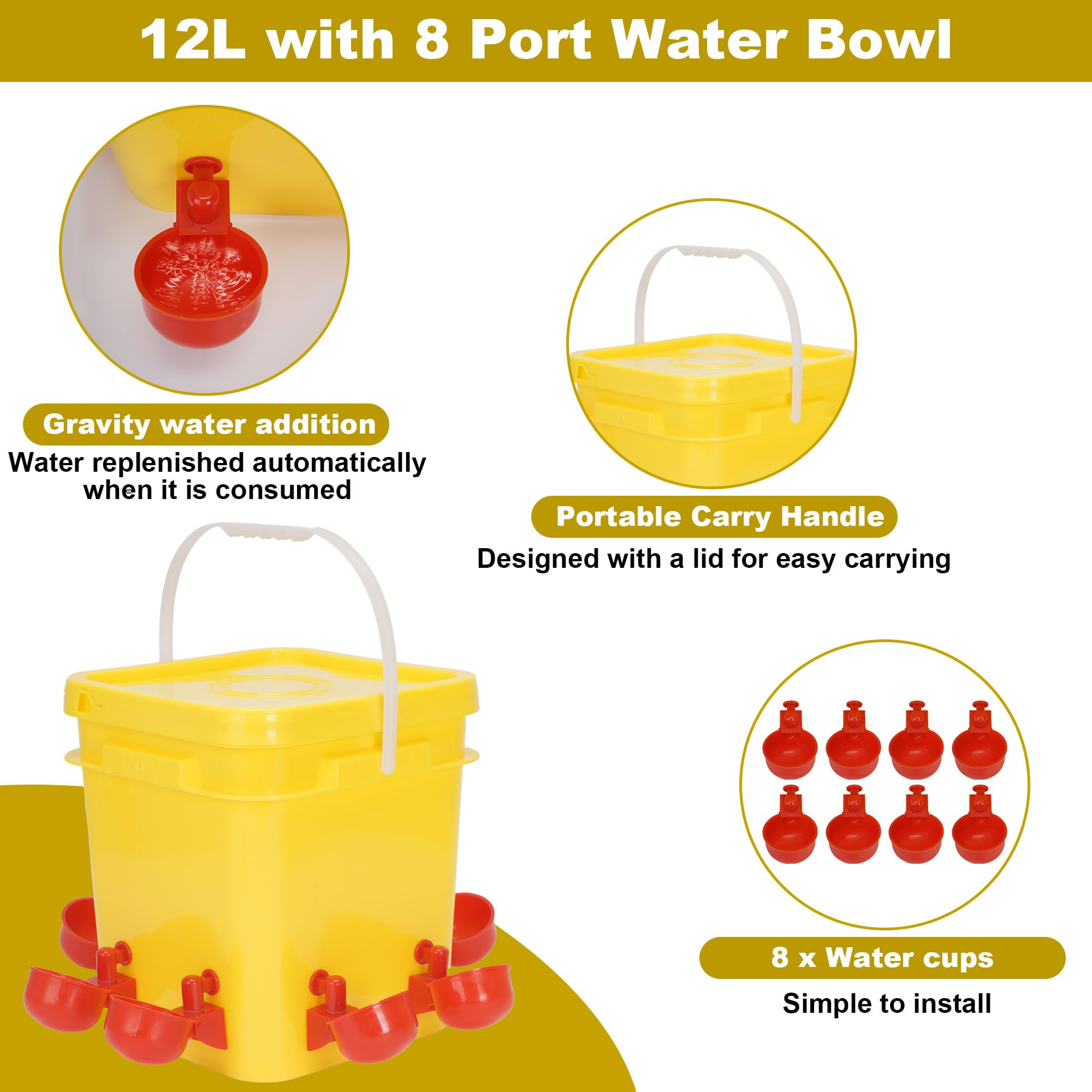
Essential Guidelines for Selecting Durable and Hygienic Animal Feeding Equipment
When it comes to maintaining the health and wellbeing of your livestock, the choice of feeding drinking buckets plays a crucial role. These essential tools serve as the primary vessels for delivering nutrition and hydration to your animals, making their quality and durability paramount. Understanding the various materials available and their respective benefits can help you make an informed decision that ensures both animal welfare and cost-effectiveness in the long run.
The material selection for feeding drinking buckets impacts not only the immediate functionality but also determines their longevity, maintenance requirements, and overall hygiene standards. Whether you're managing a small hobby farm or a large-scale agricultural operation, choosing the right equipment is fundamental to maintaining healthy livestock and efficient feeding practices.
Premium Materials for Superior Feeding Solutions
High-Grade Plastic Components
Modern feeding drinking buckets crafted from high-density polyethylene (HDPE) offer exceptional durability and resistance to impact. These materials are specifically engineered to withstand daily use while maintaining their structural integrity. The smooth surface of quality plastic prevents feed and water from accumulating in crevices, making cleaning and maintenance significantly easier.
UV-stabilized plastic compounds ensure that your feeding drinking buckets maintain their strength and don't become brittle, even when exposed to harsh outdoor conditions. This material choice proves particularly beneficial for facilities where equipment must endure various weather conditions while continuing to serve its purpose effectively.
Stainless Steel Solutions
For operations prioritizing maximum longevity, stainless steel feeding drinking buckets represent the gold standard. The corrosion-resistant properties of stainless steel make it an excellent choice for wet environments, while its inherent strength withstands the rough treatment often associated with livestock handling.
The non-porous nature of stainless steel prevents bacterial growth and makes sanitization straightforward. Though initially more expensive than other options, the extended lifespan and reduced replacement frequency often result in better long-term value for agricultural businesses.
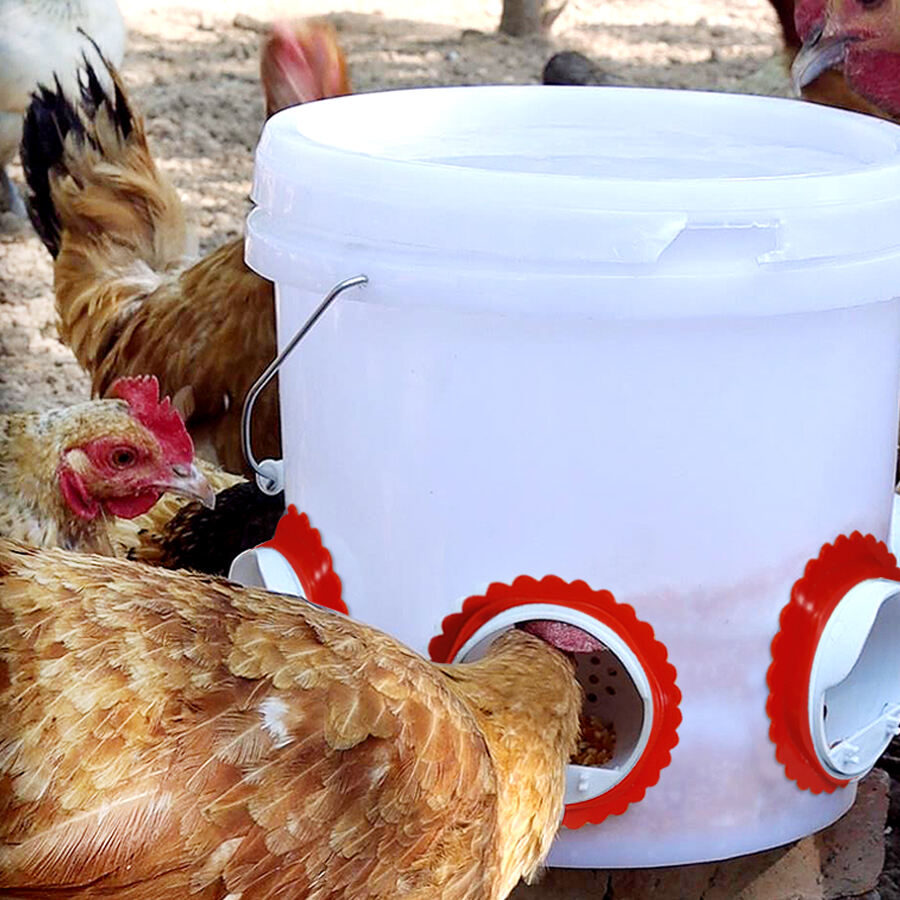
Hygiene Considerations in Material Selection
Surface Texture and Cleaning Efficiency
The texture of feeding drinking buckets significantly impacts their cleanability and hygiene maintenance. Smooth, non-porous surfaces prevent the accumulation of bacteria and make daily cleaning more effective. Materials that develop scratches or rough patches over time can harbor harmful microorganisms, potentially compromising animal health.
Modern manufacturing processes have led to the development of antimicrobial materials and special coatings that actively resist bacterial growth. These innovations provide an additional layer of protection, particularly valuable in intensive farming operations where disease prevention is crucial.
Chemical Resistance Properties
The ability to withstand regular cleaning with various disinfectants is crucial for feeding drinking buckets. Materials must maintain their integrity when exposed to common cleaning agents without degrading or leaching harmful substances. This consideration becomes particularly important in certified organic operations where specific cleaning protocols must be followed.
Advanced polymer blends and treated metals offer superior resistance to chemical cleaning agents while maintaining their structural integrity. This characteristic ensures that regular sanitization can be performed without compromising the equipment's longevity or safety.
Environmental Impact and Sustainability
Eco-Friendly Material Options
The growing focus on sustainable agriculture has led to innovations in eco-friendly feeding drinking buckets. Manufacturers now offer products made from recycled materials that maintain high standards of durability and hygiene. These sustainable options help reduce environmental impact while meeting the practical needs of modern farming operations.
Biodegradable alternatives are also emerging, though their application is currently limited to specific contexts where shorter lifespan equipment is acceptable. The key is finding the right balance between environmental responsibility and practical functionality in your feeding equipment.
Long-Term Environmental Considerations
When evaluating feeding drinking buckets, consider their entire lifecycle impact. Materials that offer extended durability ultimately contribute to reduced waste and resource consumption. Additionally, products that can be recycled at the end of their useful life provide additional environmental benefits.
The manufacturing processes used to create these products also merit consideration. Energy-efficient production methods and responsible material sourcing contribute to the overall environmental footprint of your feeding equipment choices.
Practical Maintenance and Care
Daily Cleaning Protocols
Regardless of material choice, proper maintenance of feeding drinking buckets is essential for maximizing their lifespan and maintaining hygiene standards. Regular cleaning routines should be established and followed consistently. This includes thorough rinsing after each use and periodic deep cleaning with appropriate sanitizing agents.
Different materials may require specific cleaning approaches to maintain their integrity. Understanding these requirements helps prevent premature degradation while ensuring optimal hygiene conditions for your livestock.
Storage and Handling Best Practices
Proper storage between uses significantly impacts the longevity of feeding drinking buckets. Protection from extreme weather conditions, proper stacking techniques, and appropriate handling methods all contribute to extended equipment life. Training staff in proper handling procedures helps prevent unnecessary wear and damage.
Regular inspection for signs of wear or damage allows for timely repairs or replacement, preventing potential health risks to animals and maintaining efficient feeding operations.
Frequently Asked Questions
How often should feeding drinking buckets be replaced?
The replacement frequency depends on the material quality and usage conditions. High-quality materials like stainless steel can last 5-10 years with proper maintenance, while premium plastics typically need replacement every 2-3 years. Regular inspection for wear, cracks, or damage should guide replacement decisions.
What is the best way to sanitize feeding drinking buckets?
Start with a thorough rinse using hot water to remove debris, followed by cleaning with an approved sanitizing solution. Ensure complete coverage of all surfaces and allow proper contact time. Rinse thoroughly with clean water and allow to dry completely before the next use. Always follow manufacturer guidelines for specific cleaning products.
Are there specific materials recommended for different types of livestock?
Yes, certain materials work better for specific animals. For example, robust stainless steel is often preferred for larger livestock like cattle and horses, while durable food-grade plastics work well for smaller animals. Consider factors such as animal size, behavior, and feeding habits when selecting materials.