 EN
EN

Essential Solutions for Livestock Hydration and Nutrition
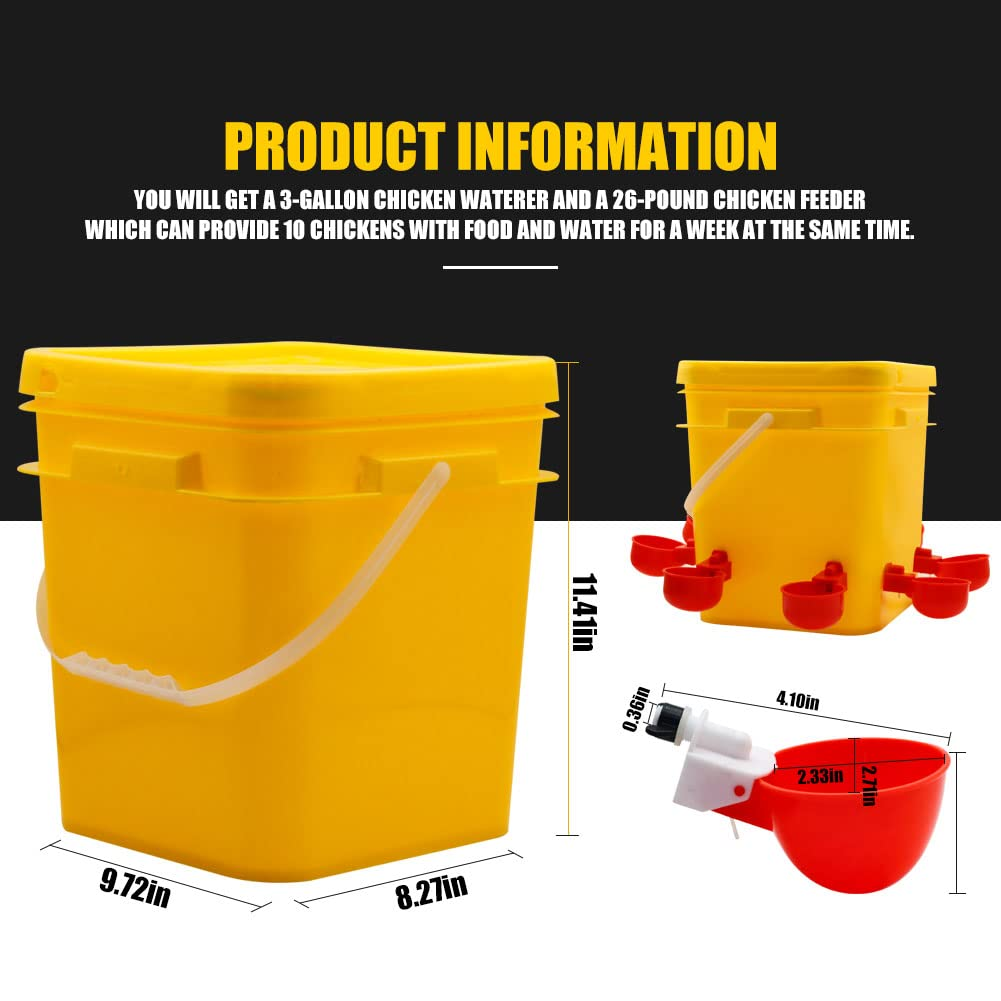
Modern farming practices demand efficient and reliable systems to provide animals with consistent access to clean water and feed. Feeding drinking buckets have revolutionized the way livestock owners manage their animals' basic needs. These innovative solutions combine durability with practical design to ensure animals maintain optimal health and productivity through proper hydration and nutrition.
The importance of feeding drinking buckets extends beyond mere convenience - they represent a crucial investment in animal welfare and farm efficiency. By providing a controlled environment for both feed and water consumption, these systems help prevent waste, contamination, and ensure consistent access to essential resources throughout the day.
Design Features and Benefits of Modern Feeding Systems
Structural Components and Materials
Today's feeding drinking buckets incorporate high-quality materials that withstand constant use and varying weather conditions. Most are constructed from food-grade, UV-resistant plastics or galvanized metal that resist corrosion and degradation. The robust construction ensures longevity while maintaining the purity of water and feed.
Advanced designs include reinforced attachment points, secure mounting brackets, and ergonomic handles for easy transport and cleaning. The materials chosen specifically prevent bacterial growth and are easy to sanitize, making maintenance straightforward for busy farm operations.
Innovative Safety Features
Modern feeding drinking buckets come equipped with multiple safety elements to protect both the animals and the quality of their sustenance. Raised edges and splash guards help prevent spillage and contamination, while smooth interior surfaces eliminate areas where bacteria could potentially accumulate.
Many designs incorporate automatic float valves that maintain optimal water levels and prevent overflow. These systems often include protective covers or guards that keep debris out while allowing easy access for drinking and feeding. The thoughtful engineering behind these features significantly reduces waste and maintains cleaner conditions in animal housing areas.
Maximizing Efficiency in Animal Care
Water Management Solutions
Proper water management through feeding drinking buckets involves more than just filling containers. Modern systems often include filtration mechanisms that ensure clean water delivery while reducing maintenance requirements. The buckets' design promotes natural drinking behaviors while preventing common issues like algae growth and sediment accumulation.
Advanced water management features include temperature regulation capabilities, helping maintain comfortable drinking water temperatures regardless of external conditions. This attention to detail significantly impacts animal health and production levels, particularly in intensive farming operations.
Feed Distribution Optimization
The feed storage and distribution aspects of feeding drinking buckets have been carefully engineered to promote efficient consumption while minimizing waste. Graduated markers help farmers measure and monitor feed intake, while specialized compartments keep feed dry and protected from moisture contamination.
Strategic placement of feeding areas within the bucket design encourages natural feeding behaviors while preventing excessive competition between animals. This thoughtful approach to feed management results in more consistent nutrition across the herd or flock.
Maintenance and Care Protocols
Daily Cleaning Requirements
Maintaining clean feeding drinking buckets is essential for animal health and system longevity. Daily cleaning protocols should include removing any leftover feed, scrubbing surfaces with appropriate cleaning solutions, and inspecting all components for proper function. Regular maintenance prevents the buildup of harmful bacteria and ensures consistent water flow.
Implementing a structured cleaning schedule helps farm staff maintain high hygiene standards while extending the life of the equipment. This includes checking water quality, removing mineral deposits, and ensuring all moving parts operate smoothly.
Long-term Durability Measures
To maximize the lifespan of feeding drinking buckets, owners should implement preventive maintenance practices. This includes regular inspection of mounting hardware, checking for wear on high-stress points, and addressing any issues before they become significant problems.
Seasonal maintenance tasks might include deep cleaning, parts replacement, and adjusting mounting heights to accommodate growing animals. These proactive measures help ensure reliable operation and protect the investment in quality feeding equipment.
Environmental Impact and Sustainability
Water Conservation Features
Modern feeding drinking buckets incorporate various water-saving features that benefit both the environment and operational costs. Precision-engineered drinking mechanisms reduce spillage and waste, while maintaining optimal water pressure for efficient consumption.
Some advanced systems include water recycling capabilities or rain collection features, further reducing the environmental impact of livestock operations. These sustainable solutions help farms meet increasingly stringent environmental regulations while maintaining productive operations.
Sustainable Materials and Production
Manufacturers are increasingly focusing on sustainable production methods and materials for feeding drinking buckets. This includes using recycled materials where appropriate and designing products for eventual recycling at the end of their useful life.
The durability of modern materials means fewer replacements are needed over time, reducing the overall environmental impact of farming operations. This commitment to sustainability extends to packaging and shipping methods used in the distribution of these essential farm tools.
Frequently Asked Questions
How often should feeding drinking buckets be cleaned?
Feeding drinking buckets should be cleaned daily to remove feed residue and prevent bacterial growth. A more thorough deep cleaning should be performed weekly, including sanitization and inspection of all components. During peak usage periods or hot weather, more frequent cleaning may be necessary.
What features should I look for when choosing feeding drinking buckets?
Key features to consider include durability of materials, ease of cleaning, capacity appropriate for your animals, automatic water level maintenance, splash prevention design, and secure mounting options. Additionally, look for UV-resistant materials if the buckets will be exposed to direct sunlight.
How can feeding drinking buckets reduce water waste?
These systems reduce waste through features like automatic float valves, splash guards, and precise water level control. The design prevents overflow and minimizes spillage during drinking, while maintaining adequate water pressure for efficient consumption. Some models include water recycling capabilities for even greater conservation.