 EN
EN

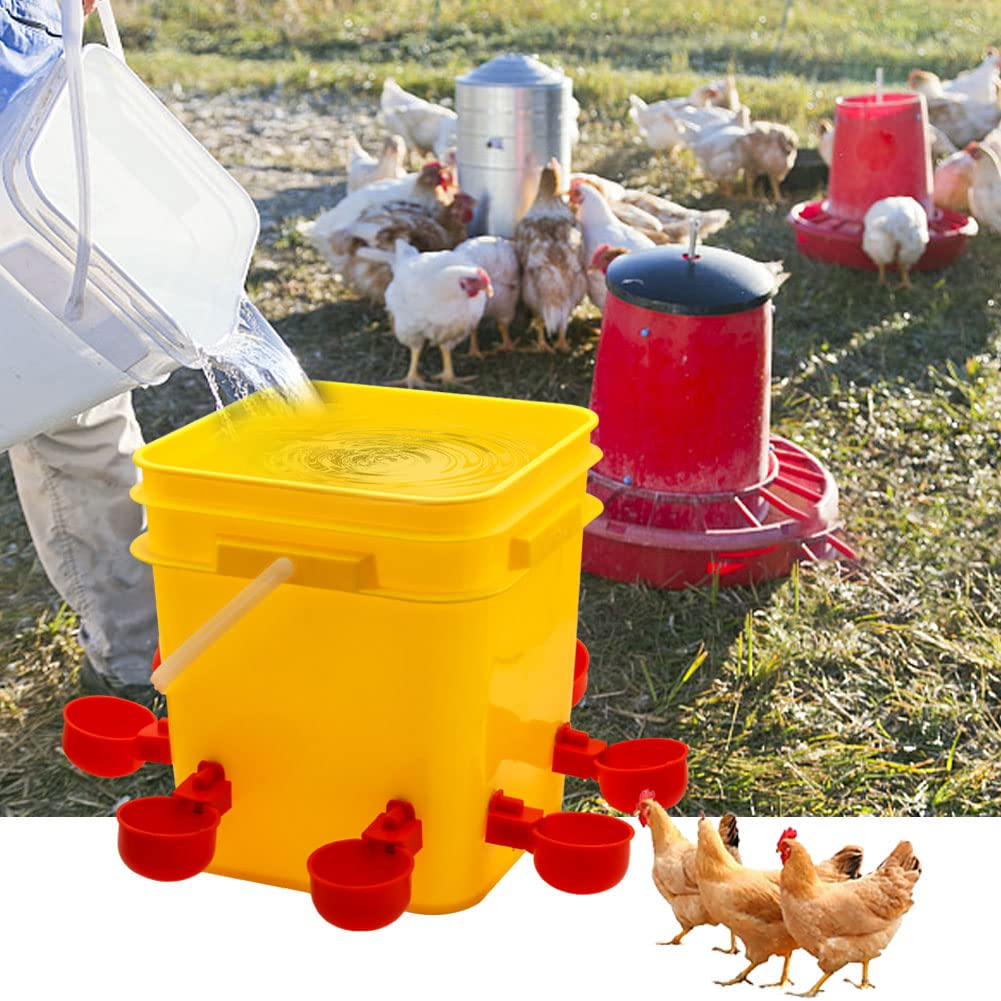
The Foundation of Modern Livestock Care: Essential Equipment for Animal Nutrition
In the realm of livestock management, the significance of proper feeding and watering equipment cannot be overstated. Feeding drinking buckets represent a cornerstone of daily animal care operations, playing a vital role in maintaining herd health, optimizing feed efficiency, and ensuring sustainable farm productivity. These essential tools have evolved from simple containers to sophisticated equipment designed to meet the specific needs of different livestock species while promoting better farming practices.
Modern agricultural operations recognize that investing in high-quality feeding drinking buckets directly impacts their bottom line. From dairy cattle to horses, sheep to goats, every animal requires reliable access to fresh water and nutritious feed. The right equipment not only facilitates proper nutrition but also helps prevent waste, reduce labor costs, and maintain optimal hygiene standards on the farm.
Design Features That Define Superior Feeding Equipment
Material Quality and Durability
The construction material of feeding drinking buckets plays a crucial role in their effectiveness and longevity. Premium-grade food-safe plastics and rust-resistant metals ensure that the equipment withstands daily use while maintaining safety standards. High-quality materials resist cracking, warping, and degradation from exposure to various weather conditions and chemical cleaning agents.
Durability extends beyond just the primary material - reinforced edges, sturdy handles, and impact-resistant design features ensure these buckets can withstand the rough treatment often experienced in livestock environments. This robustness translates to longer service life and better return on investment for farm operations.
Ergonomic Design Elements
Well-designed feeding drinking buckets incorporate ergonomic features that benefit both animals and handlers. Graduated measurements on the sides help monitor feed portions accurately. Non-slip bases prevent tipping and spillage, while smooth interior surfaces facilitate easy cleaning and prevent feed residue accumulation.
Smart design elements like comfortable grip handles, stackable profiles for storage, and proper weight distribution make daily feeding routines more efficient. These features reduce worker fatigue and improve overall farm productivity.
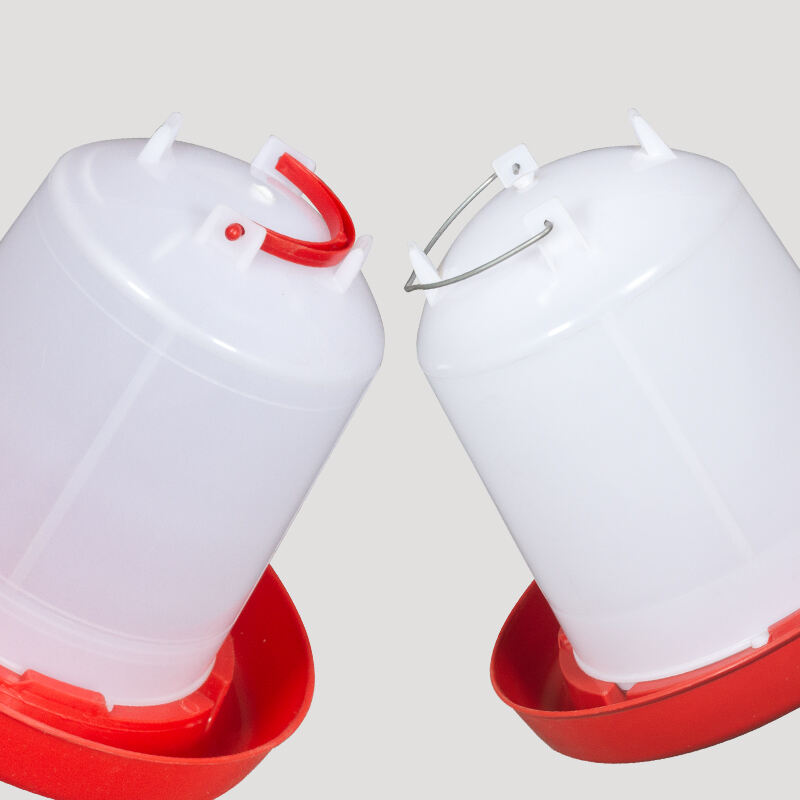
Impact on Animal Health and Welfare
Disease Prevention Through Proper Equipment
Quality feeding drinking buckets play a vital role in preventing disease transmission among livestock. Smooth, non-porous surfaces prevent bacteria growth and make sanitization more effective. Properly designed drinking vessels reduce cross-contamination risks and help maintain herd health standards.
Individual feeding equipment can help isolate sick animals while ensuring they receive proper nutrition and hydration during recovery. This targeted approach to animal care supports better health outcomes and reduces the spread of communicable diseases within the herd.
Stress Reduction and Behavioral Benefits
When animals have reliable access to well-designed feeding drinking buckets, their stress levels decrease significantly. Adequate feeding space and easily accessible water sources prevent competition and aggressive behavior during feeding times. This improved feeding environment leads to better weight gain, improved milk production, and overall healthier livestock.
Properly positioned and sized equipment encourages natural feeding postures, reducing strain on animals' necks and promoting better digestion. These considerations directly impact animal comfort and long-term well-being.
Economic Implications of Quality Equipment Investment
Cost Efficiency Through Waste Reduction
Investing in high-quality feeding drinking buckets yields significant economic benefits through reduced feed waste. Well-designed feeders prevent animals from pushing feed onto the ground or contaminating it with waste. This efficiency can result in substantial savings on feed costs over time.
The durability of premium equipment means less frequent replacement, reducing long-term operational costs. When combined with improved feed conversion rates due to better feeding conditions, the return on investment becomes clearly apparent.
Labor Optimization and Time Management
Quality feeding equipment streamlines daily farm operations, reducing the time and effort required for feeding and cleaning tasks. Easy-to-clean surfaces and efficient design features mean less time spent on maintenance and more time available for other important farm activities.
Automated features and well-thought-out feeding systems incorporating proper feeding drinking buckets can significantly reduce labor costs while improving feeding consistency and accuracy.
Environmental Considerations and Sustainability
Ecological Impact of Equipment Choice
Selecting environmentally conscious feeding drinking buckets aligns with sustainable farming practices. Durable equipment reduces plastic waste through less frequent replacement needs. Many manufacturers now offer recycled materials options that maintain high quality while reducing environmental impact.
Water conservation features in modern drinking buckets help reduce waste and support sustainable water management practices. This approach benefits both the environment and farm operating costs.
Long-term Sustainability Benefits
Investment in quality feeding equipment supports long-term farm sustainability goals. Reduced waste, improved resource utilization, and longer equipment life cycles contribute to a smaller environmental footprint. These considerations become increasingly important as consumers demand more sustainable farming practices.
The implementation of proper feeding systems helps farms meet environmental regulations while maintaining profitable operations. This balance is crucial for the future of sustainable livestock management.
Frequently Asked Questions
How Often Should Feeding Drinking Buckets Be Replaced?
High-quality feeding drinking buckets typically last 3-5 years with proper maintenance, though this can vary based on usage intensity and environmental conditions. Regular inspection for wear, cracks, or damage should guide replacement decisions. Consider replacing equipment if you notice degradation that could compromise hygiene or feeding efficiency.
What Features Should I Look for When Selecting Feeding Equipment?
Key features include food-grade materials, sturdy construction, easy-clean surfaces, and appropriate size for your livestock. Look for UV-resistant materials if used outdoors, proper drainage designs, and ergonomic handling features. Consider the specific needs of your animals and operational requirements when making selections.
How Can Proper Feeding Equipment Improve Farm Profitability?
Quality feeding drinking buckets improve profitability through reduced feed waste, lower labor costs, improved animal health, and better feed conversion rates. The initial investment in superior equipment typically pays for itself through these operational efficiencies and reduced replacement needs over time.
Table of Contents
- The Foundation of Modern Livestock Care: Essential Equipment for Animal Nutrition
- Design Features That Define Superior Feeding Equipment
- Impact on Animal Health and Welfare
- Economic Implications of Quality Equipment Investment
- Environmental Considerations and Sustainability
- Frequently Asked Questions