 EN
EN


Optimizing Livestock Hydration Systems for Modern Farm Operations
Modern farming success heavily depends on efficient livestock management, and one of the most crucial yet often overlooked aspects is the implementation of proper watering systems. Cattle drinking bowls have emerged as a game-changing solution for farmers seeking to enhance their operations' productivity and profitability. These innovative watering devices not only ensure consistent access to fresh water but also significantly impact feeding patterns and overall herd health.
Today's agricultural landscape demands smarter solutions that maximize resource utilization while maintaining optimal animal welfare standards. By incorporating cattle drinking bowls into their farm infrastructure, producers are witnessing remarkable improvements in feed conversion rates and daily weight gain among their herds.
Understanding the Impact of Water Access on Livestock Performance
The Science Behind Hydration and Feed Conversion
Proper hydration plays a fundamental role in how efficiently cattle process their feed. When animals have reliable access to clean water through cattle drinking bowls, they typically demonstrate better feed intake patterns. Research shows that cattle need to consume between 1-2 gallons of water for every pound of dry feed. Without adequate water availability, feed conversion rates can drop significantly, leading to reduced weight gain and decreased production efficiency.
The strategic placement of drinking bowls throughout feeding areas ensures that cattle maintain optimal hydration levels throughout the day. This consistent access to water helps maintain proper digestive function and nutrient absorption, ultimately leading to improved feed utilization.
Behavioral Patterns and Drinking Habits
Understanding cattle drinking behavior is essential for maximizing the benefits of watering systems. Cattle typically prefer to drink immediately after feeding and during cooler parts of the day. Installing cattle drinking bowls in close proximity to feeding areas accommodates these natural behavioral patterns, reducing the energy expended in searching for water sources.
When cattle have to travel long distances between feed and water sources, they often reduce their overall intake of both, resulting in decreased performance. Modern drinking bowls eliminate this issue by providing convenient access points throughout the farming facility.
Technical Advantages of Modern Drinking Bowl Systems
Design Features for Optimal Performance
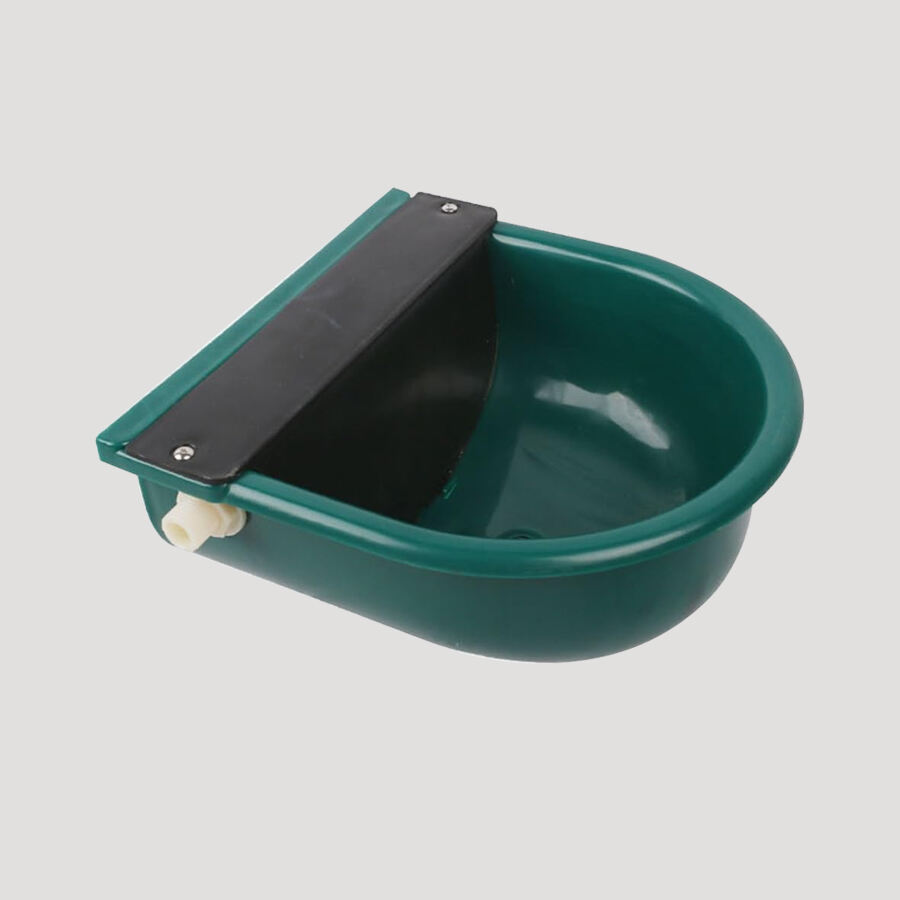
Today's cattle drinking bowls incorporate advanced design elements that significantly improve their functionality. Features such as automatic refill mechanisms, controlled water flow rates, and debris-prevention systems ensure consistent water availability while minimizing waste. The bowl's shape and depth are carefully engineered to match natural drinking behaviors, allowing cattle to consume water comfortably and efficiently.
Many modern systems also include frost-free capabilities, ensuring year-round operation in various climate conditions. This reliability is crucial for maintaining consistent feeding patterns regardless of seasonal changes.
Installation and Maintenance Benefits
Modern cattle drinking bowls are designed for straightforward installation and minimal maintenance requirements. The systems typically feature durable construction materials that resist wear and corrosion, extending their operational lifespan. Easy-access panels and simplified cleaning mechanisms reduce the time and effort required for regular maintenance, allowing farm staff to focus on other essential tasks.
The integration of monitoring systems in advanced models enables farmers to track water consumption patterns and quickly identify any potential issues before they impact herd performance.
Economic Benefits and Return on Investment
Cost Savings Through Improved Efficiency
The implementation of cattle drinking bowls represents a strategic investment that generates multiple economic benefits. Reduced water waste through precise delivery systems leads to lower utility costs, while improved feed conversion rates maximize the return on feed investments. These efficiency gains often result in significant cost savings over time.
Additionally, the durability and low maintenance requirements of modern drinking bowls minimize replacement and repair expenses, contributing to better long-term financial outcomes for the operation.
Production Performance Improvements
Farms utilizing cattle drinking bowls frequently report enhanced production metrics across their operations. Better hydrated cattle typically show improved weight gain rates, higher milk production in dairy operations, and better overall health outcomes. These performance improvements directly translate to increased revenue potential for the farm.
The consistent access to water also helps reduce stress-related health issues, potentially lowering veterinary costs and mortality rates within the herd.
Environmental and Sustainability Considerations
Water Conservation Impact
Modern cattle drinking bowls contribute significantly to water conservation efforts on farms. Their efficient design minimizes spillage and waste, while precise flow control ensures that cattle receive exactly what they need without excess consumption. This optimization of water usage aligns with increasing environmental regulations and sustainability goals in the agricultural sector.
The reduction in water waste also has positive implications for local watershed management and groundwater conservation efforts, making these systems an environmentally responsible choice for modern farming operations.
Sustainable Farming Practices
The integration of efficient watering systems supports broader sustainability initiatives in agriculture. By optimizing resource use and improving animal welfare, cattle drinking bowls help farms meet growing consumer demands for sustainably produced livestock products. These systems also contribute to reduced environmental impact through better waste management and resource utilization.
Farms implementing these solutions often find themselves better positioned to meet certification requirements for sustainable agricultural practices, potentially opening access to premium markets and improved pricing opportunities.
Frequently Asked Questions
How do cattle drinking bowls impact daily water consumption?
Cattle drinking bowls typically increase daily water consumption by providing consistent, easily accessible water sources. This improved access can lead to 15-25% higher water intake compared to traditional watering methods, resulting in better hydration and improved feed conversion rates.
What maintenance is required for cattle drinking bowls?
Regular maintenance includes daily visual inspections, weekly cleaning to remove debris, and quarterly checks of water pressure and flow rates. Most systems require minimal upkeep, with major maintenance typically scheduled annually to ensure optimal performance.
How many drinking bowls are needed per head of cattle?
The recommended ratio is typically one drinking bowl for every 15-20 cattle, though this can vary based on the specific operation type, climate conditions, and facility layout. Proper distribution throughout the facility is crucial for optimal results.
Table of Contents
- Optimizing Livestock Hydration Systems for Modern Farm Operations
- Understanding the Impact of Water Access on Livestock Performance
- Technical Advantages of Modern Drinking Bowl Systems
- Economic Benefits and Return on Investment
- Environmental and Sustainability Considerations
- Frequently Asked Questions