 EN
EN

Maximizing Water Conservation in Modern Livestock Operations
The efficient management of water resources on livestock farms has become increasingly critical as environmental concerns and operational costs continue to rise. Cattle drinking bowls represent a revolutionary solution in agricultural water management, offering farmers a practical way to minimize waste while ensuring their herds remain properly hydrated. These innovative watering systems are transforming how livestock operations approach water distribution, creating more sustainable and cost-effective farming practices.
Modern farming operations are discovering that traditional watering methods, such as open troughs and basic fountains, can lead to significant water waste through spillage, evaporation, and overflow. By implementing cattle drinking bowls, farmers are witnessing remarkable improvements in water conservation while maintaining optimal herd health and productivity.
Understanding Cattle Drinking Bowl Technology
Design Features and Mechanics
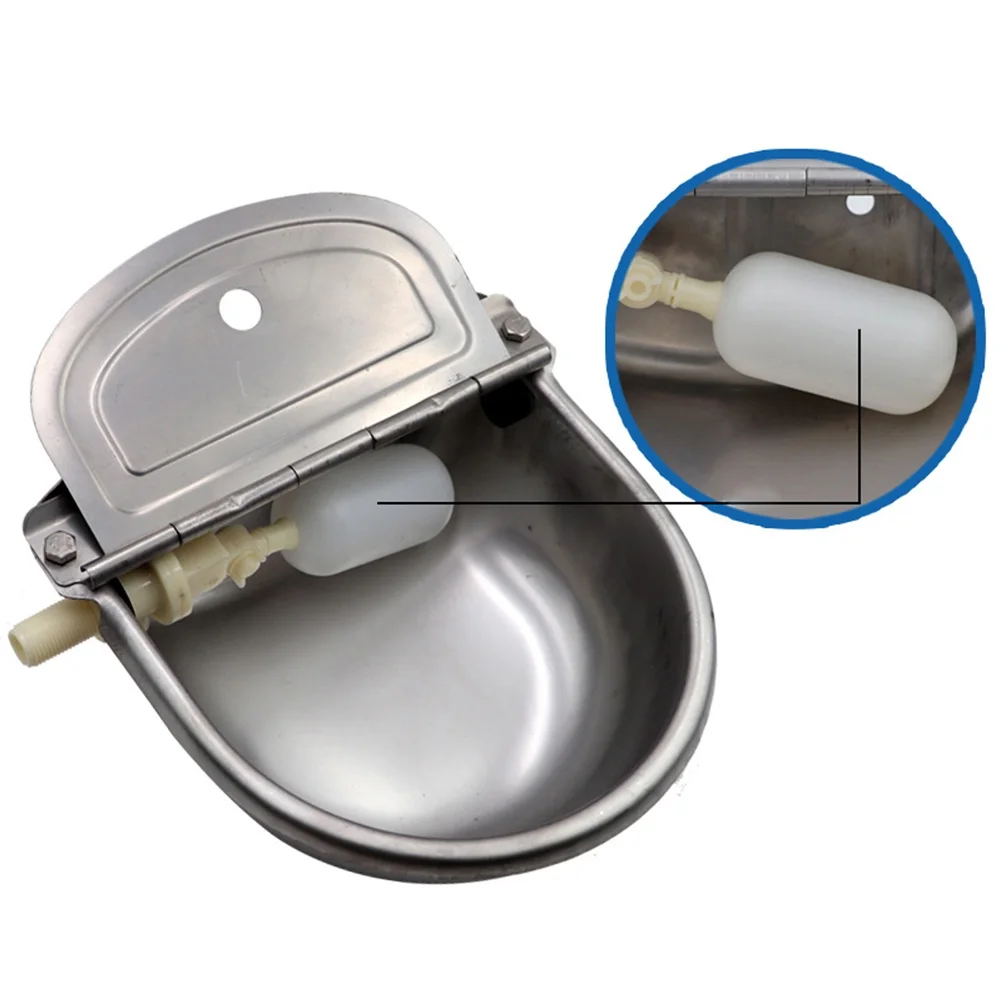
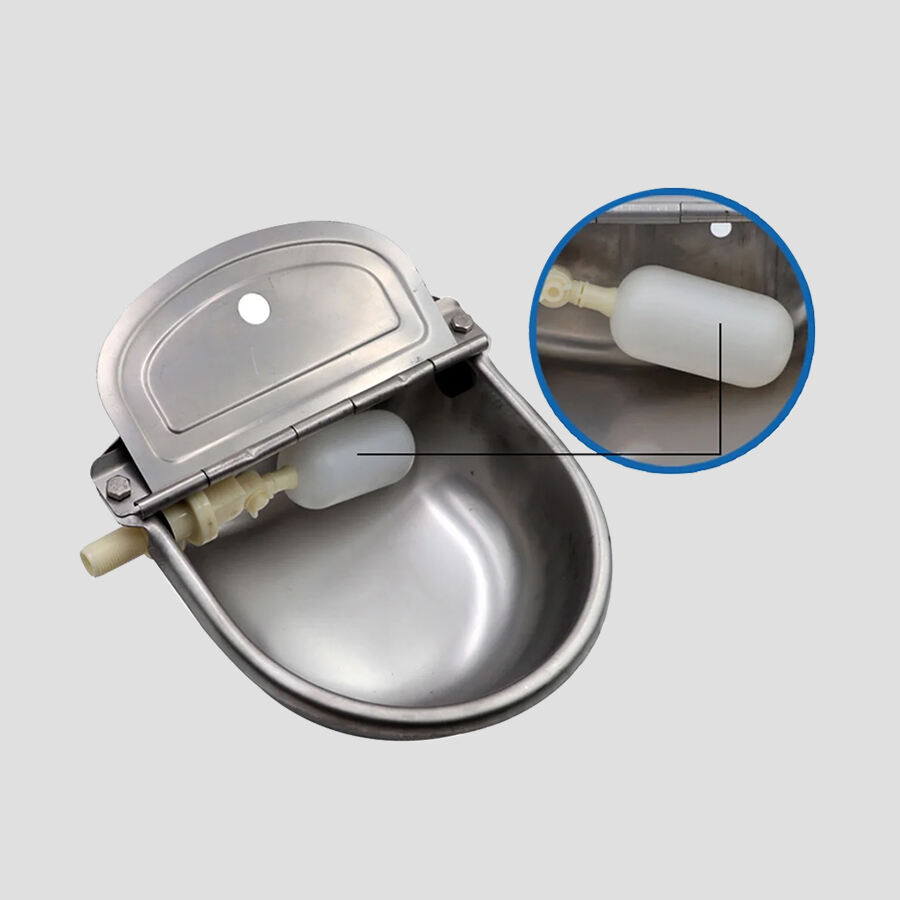
Cattle drinking bowls incorporate sophisticated engineering that caters specifically to bovine drinking behavior. These systems typically feature a bowl-shaped reservoir with a spring-loaded or pressure-activated valve mechanism. When an animal presses its muzzle against the paddle or drinking mechanism, it releases just the right amount of water for consumption. This precise delivery system ensures that water is available on demand while preventing unnecessary waste.
The bowls are typically constructed from durable materials such as heavy-duty stainless steel or high-grade plastic, designed to withstand the rigors of daily use by large livestock. Many models include features like protected valves and reinforced mounting brackets to enhance longevity and maintain consistent performance.
Water Flow Management Systems
Advanced cattle drinking bowls incorporate sophisticated flow control mechanisms that regulate water delivery based on actual consumption needs. These systems maintain optimal water pressure and volume, preventing overflow while ensuring adequate flow rates for efficient drinking. Some models feature adjustable flow rates that can be customized according to specific livestock requirements and environmental conditions.
The integration of float valves and pressure regulators helps maintain consistent water levels, reducing the risk of spillage and ensuring reliable access to fresh water. This technological advancement represents a significant improvement over traditional watering methods, where control over water distribution was limited or non-existent.
Environmental and Economic Benefits
Water Conservation Impact
The implementation of cattle drinking bowls can lead to substantial water savings, with some operations reporting reductions in water waste by up to 40% compared to conventional watering systems. This conservation effect is achieved through multiple mechanisms, including minimized spillage, reduced evaporation, and elimination of overflow scenarios common in traditional troughs.
Beyond immediate water savings, these systems contribute to broader environmental sustainability goals by reducing water runoff and soil erosion around watering points. This helps maintain pasture quality and prevents the formation of muddy areas that can become breeding grounds for parasites and bacteria.
Cost Reduction Analysis
While the initial investment in cattle drinking bowls may be higher than traditional watering systems, the long-term financial benefits are substantial. Reduced water consumption translates directly into lower utility costs, with many farmers recovering their investment within the first few years of implementation. The durability and low maintenance requirements of modern drinking bowls further contribute to their cost-effectiveness.
Additional economic advantages include decreased labor costs associated with water management and reduced equipment maintenance requirements. The automated nature of these systems means less time spent checking and maintaining water sources, allowing farm staff to focus on other essential tasks.
Implementation Strategies for Maximum Efficiency
Strategic Placement and Installation
Successful implementation of cattle drinking bowls begins with careful planning of their location and installation. Factors to consider include herd size, grazing patterns, and pasture layout. Optimal placement ensures easy access for all animals while minimizing competition and potential soil compaction around watering points.
Professional installation is crucial for system longevity and performance. This includes proper mounting at appropriate heights, secure connection to water supply lines, and installation of necessary pressure regulators and filters. Careful attention to these details helps prevent future maintenance issues and ensures maximum system efficiency.
Maintenance and Monitoring Protocols
Regular maintenance of cattle drinking bowls is essential for sustaining their water-saving benefits. This includes routine cleaning to prevent mineral buildup, checking valve function, and inspecting for wear or damage. Establishing a consistent maintenance schedule helps identify and address potential issues before they impact system performance.
Modern monitoring systems can be integrated with drinking bowls to track water consumption patterns and system performance. This data helps farmers optimize water usage and identify potential problems early, ensuring continuous efficient operation.
Future Developments and Innovations
Smart Technology Integration
The future of cattle drinking bowls lies in smart technology integration. Emerging innovations include IoT-enabled systems that can monitor water quality, consumption patterns, and system performance in real-time. These advanced features allow farmers to make data-driven decisions about water management and herd health.
Upcoming developments also focus on incorporating artificial intelligence to predict maintenance needs and optimize water distribution based on environmental conditions and animal behavior patterns. This technology promises to further enhance the efficiency and effectiveness of livestock watering systems.
Sustainable Design Improvements
Manufacturers are continuously working on improving the sustainability aspects of cattle drinking bowls. New materials and design innovations aim to increase durability while reducing environmental impact. Solar-powered options and water recycling features are being developed to create even more eco-friendly watering solutions.
Research is ongoing into materials that resist bacterial growth and improve water quality maintenance, potentially reducing the need for chemical treatments and frequent cleaning while ensuring optimal herd health.
Frequently Asked Questions
What is the typical return on investment for cattle drinking bowls?
Most farmers see a return on their investment within 2-3 years, primarily through reduced water costs and labor savings. The exact timeline depends on herd size, local water costs, and previous water management practices.
How do cattle drinking bowls perform in cold weather?
Modern cattle drinking bowls can be equipped with heating elements or insulation to prevent freezing in cold climates. Many models are specifically designed to operate efficiently in sub-zero temperatures while maintaining water conservation benefits.
What maintenance is required for optimal performance?
Regular maintenance includes daily visual inspections, weekly cleaning to prevent mineral buildup, and quarterly checks of valve function and mounting security. Most systems require minimal maintenance when properly installed and monitored.
How many drinking bowls are needed per head of cattle?
The general recommendation is one drinking bowl per 15-20 cattle, though this can vary based on factors such as pasture size, herd dynamics, and climate conditions. Proper distribution is crucial for ensuring adequate access for all animals.