 EN
EN

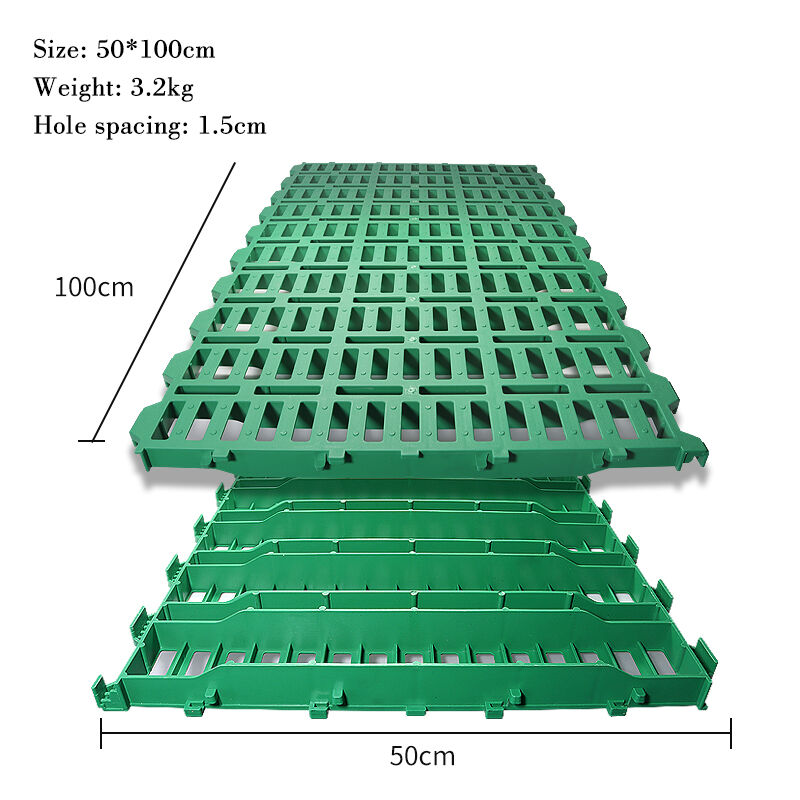
Modern livestock farming demands innovative solutions to maintain optimal hygiene standards while ensuring animal welfare and operational efficiency. The selection of appropriate flooring systems has become a critical decision for farmers seeking to create healthier environments for their animals. Among various flooring options available today, the goat slat floor represents a significant advancement in agricultural technology, offering superior drainage, cleanliness, and durability compared to traditional solid flooring systems.
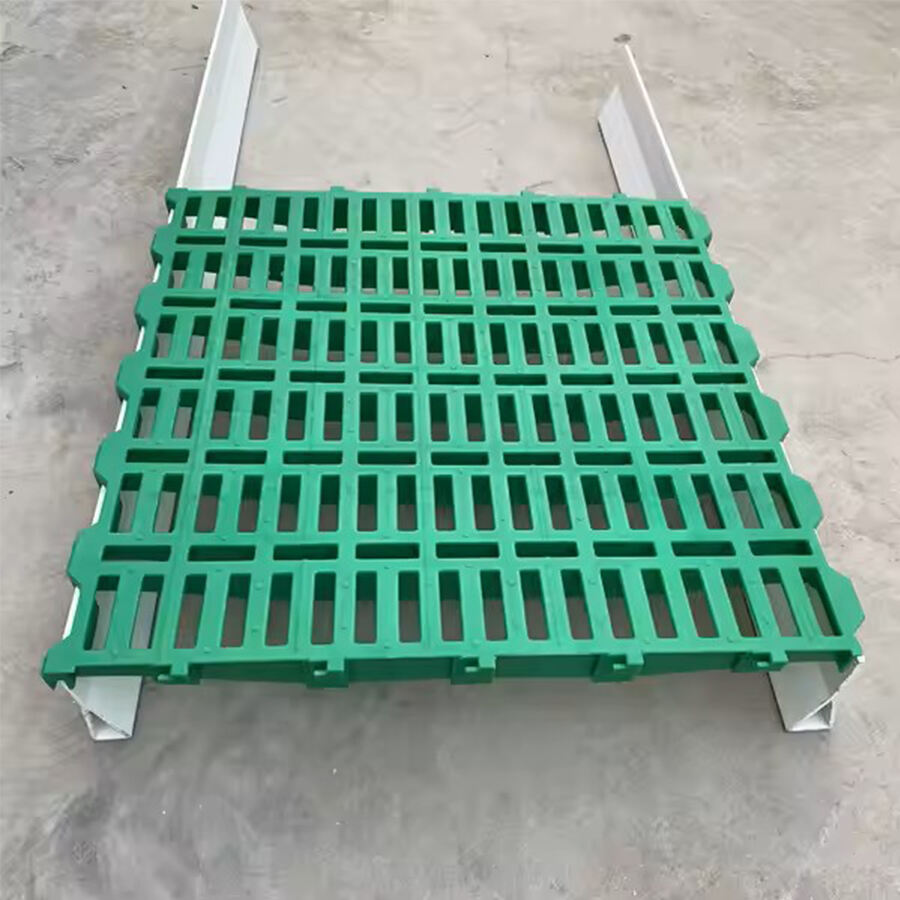
Farm hygiene control has evolved significantly over the past decades, with modern facilities incorporating advanced materials and design principles to minimize disease transmission and improve overall animal health. The strategic implementation of specialized flooring systems plays a crucial role in this comprehensive approach to livestock management. Professional farmers recognize that investing in quality infrastructure directly correlates with improved productivity, reduced veterinary costs, and enhanced animal welfare standards.
The agricultural industry continues to embrace technological innovations that address traditional challenges associated with livestock housing. Effective hygiene management requires careful consideration of multiple factors including drainage efficiency, material durability, maintenance requirements, and long-term cost effectiveness. These considerations become particularly important when evaluating flooring solutions for different animal species and farm sizes.
Understanding Goat Slat Floor Technology
Material Composition and Manufacturing Standards
Contemporary goat slat floor systems utilize advanced polymer technologies and precision manufacturing processes to deliver exceptional performance characteristics. High-quality polypropylene materials undergo specialized treatment procedures to enhance their resistance to chemical degradation, UV exposure, and mechanical stress. These manufacturing standards ensure consistent product quality and extended service life under demanding agricultural conditions.
The molecular structure of premium polypropylene provides inherent antibacterial properties while maintaining flexibility and impact resistance. Professional-grade materials resist cracking, warping, and discoloration even when exposed to harsh cleaning chemicals and extreme temperature variations. This durability translates into reduced replacement costs and consistent performance over extended periods.
Manufacturing precision directly impacts the effectiveness of any goat slat floor system. Computer-controlled production processes ensure uniform slot dimensions, consistent material thickness, and proper surface texturing. These specifications are critical for optimal drainage performance and animal comfort while maintaining structural integrity under varying load conditions.
Drainage Efficiency and Waste Management
Superior drainage capabilities represent one of the most significant advantages offered by modern goat slat floor installations. The engineered slot patterns facilitate rapid liquid waste removal while preventing solid waste accumulation on walking surfaces. This continuous waste evacuation process significantly reduces ammonia buildup and bacterial proliferation within animal housing areas.
Effective waste management systems incorporate multiple drainage layers that work together to maintain clean, dry surfaces. The primary slat layer allows waste to pass through while providing comfortable footing for animals. Secondary collection systems channel waste toward treatment facilities or storage areas, preventing groundwater contamination and environmental pollution.
The geometric design of individual slats influences drainage performance and animal safety simultaneously. Optimal slot widths prevent hoof entrapment while ensuring efficient waste passage. Professional installations consider animal size, weight distribution, and movement patterns when selecting appropriate slot configurations for specific applications.
Health Benefits and Disease Prevention
Pathogen Control and Environmental Hygiene
Implementation of quality goat slat floor systems creates significant barriers against pathogen transmission and disease outbreaks within livestock facilities. The continuous removal of waste materials eliminates breeding grounds for harmful bacteria, parasites, and other disease-causing organisms. This proactive approach to hygiene management reduces dependency on chemical treatments and antibiotics while promoting natural immunity development.
Clean, dry surfaces minimize moisture retention that typically supports microbial growth in traditional flooring systems. The elevated design allows air circulation beneath animal areas, creating unfavorable conditions for anaerobic pathogens while promoting faster surface drying. These environmental conditions contribute to overall herd health improvement and reduced veterinary intervention requirements.
Regular cleaning and disinfection procedures become more effective when applied to properly designed slat flooring systems. The smooth surfaces resist bacterial adhesion while allowing thorough penetration of cleaning agents into all surface areas. This enhanced cleaning efficiency translates into reduced labor costs and improved sanitation outcomes.
Respiratory Health and Air Quality Improvement
Ammonia reduction represents a critical health benefit associated with effective goat slat floor implementation. Traditional solid flooring allows urine and feces to accumulate, creating concentrated ammonia sources that irritate respiratory systems and compromise immune function. Slat systems eliminate these accumulation points by facilitating immediate waste removal from animal living spaces.
Improved air circulation beneath elevated flooring surfaces promotes better ventilation throughout animal housing areas. This enhanced airflow helps distribute fresh air while removing stagnant, contaminated air masses that contribute to respiratory stress. Animals maintained in well-ventilated environments demonstrate improved growth rates, reproductive performance, and overall vitality.
The reduction in dust accumulation associated with cleaner flooring surfaces further supports respiratory health improvement. Traditional bedding materials often generate airborne particles that irritate sensitive respiratory tissues. Modern slat systems eliminate the need for extensive bedding while maintaining comfortable surfaces for animal rest and movement.
Installation Considerations and Best Practices
Site Preparation and Foundation Requirements
Successful goat slat floor installation requires comprehensive site evaluation and proper foundation preparation. Professional assessment of drainage conditions, soil composition, and structural requirements ensures optimal system performance and longevity. Inadequate preparation can compromise the entire installation and lead to costly repairs or premature replacement.
Foundation systems must provide stable, level surfaces capable of supporting distributed loads without settlement or movement. Proper slope calculations ensure effective drainage while maintaining comfortable walking surfaces for animals. Professional contractors utilize laser leveling equipment and surveying techniques to achieve precise installation specifications.
Underground drainage systems require careful planning and integration with existing farm infrastructure. Collection pipes, pumping systems, and treatment facilities must coordinate with slat floor layouts to maximize waste removal efficiency. These systems often require permits and inspections to ensure compliance with environmental regulations.
Structural Support and Load Distribution
Engineering calculations determine appropriate support spacing and load-bearing requirements for different goat slat floor applications. Animal weights, dynamic loading conditions, and safety factors influence structural design decisions. Professional installations incorporate redundant support systems to prevent catastrophic failures while maintaining accessibility for maintenance activities.
Material expansion and contraction must be accommodated within the structural design to prevent stress concentrations and premature failure. Temperature variations cause dimensional changes in polymer materials that require appropriate joint spacing and flexible connections. These considerations become particularly important in climates with extreme temperature ranges.
Access requirements for cleaning, maintenance, and animal handling influence structural layout decisions. Removable sections allow access to drainage systems and underground infrastructure without compromising overall system integrity. Strategic placement of access points reduces maintenance costs while ensuring thorough cleaning capabilities.
Economic Analysis and Return on Investment
Initial Investment Considerations
The financial evaluation of goat slat floor systems requires comprehensive analysis of initial costs, ongoing expenses, and long-term benefits. High-quality systems represent significant capital investments that must be justified through improved operational efficiency, reduced labor requirements, and enhanced animal productivity. Professional cost-benefit analysis helps farmers make informed decisions based on their specific operational requirements and financial capabilities.
Material costs vary significantly based on quality specifications, manufacturing standards, and supplier reputation. Premium products command higher prices but typically deliver superior performance and extended service life. Budget-conscious farmers must balance initial savings against potential replacement costs and operational limitations associated with lower-quality alternatives.
Installation costs depend on site conditions, system complexity, and local labor availability. Professional installation ensures proper system performance and warranty coverage, while DIY approaches may reduce initial costs but risk performance issues and voided warranties. These considerations become particularly important for large-scale installations requiring specialized equipment and expertise.
Operational Savings and Productivity Gains
Labor cost reduction represents one of the most significant operational benefits associated with modern goat slat floor systems. Traditional solid flooring requires frequent mucking, bedding replacement, and manual waste removal activities. Automated waste management through slat systems eliminates many of these labor-intensive tasks while improving overall facility cleanliness.
Veterinary cost reductions result from improved herd health and reduced disease incidence in facilities with effective hygiene control systems. Cleaner environments support natural immunity development while reducing pathogen exposure risks. These health improvements translate into reduced medication costs, fewer treatment interventions, and improved reproductive performance.
Feed conversion efficiency often improves in cleaner environments where animals experience reduced stress and better overall health. Improved growth rates, milk production, and reproductive performance contribute to enhanced profitability that helps offset initial system investment costs. These productivity gains become more significant over time as herd performance improvements compound.
Maintenance and Longevity Factors
Routine Maintenance Procedures
Proper maintenance protocols ensure maximum service life and consistent performance from goat slat floor installations. Regular inspection procedures identify potential issues before they develop into costly problems requiring extensive repairs or system replacement. Professional maintenance schedules incorporate daily, weekly, and seasonal activities designed to preserve system integrity and performance.
Cleaning procedures for slat systems differ significantly from traditional flooring maintenance requirements. High-pressure washing systems effectively remove accumulated debris while sanitizing surfaces without damaging the underlying material. Specialized cleaning agents designed for polymer materials provide optimal sanitation without causing chemical degradation or surface damage.
Drainage system maintenance requires periodic inspection and cleaning of collection pipes, pumps, and treatment components. Blockages can cause system backups that compromise the effectiveness of the entire installation. Professional maintenance programs include specialized equipment and techniques for maintaining optimal drainage performance throughout the system lifecycle.
Durability Assessment and Replacement Planning
Long-term durability assessment helps farmers plan for eventual system replacement while maximizing return on investment. Quality goat slat floor systems typically provide 15-20 years of reliable service under normal operating conditions. Factors such as chemical exposure, mechanical stress, and environmental conditions influence actual service life and replacement timing.
Visual inspection techniques help identify early signs of wear, damage, or performance degradation. Crack development, surface roughening, and dimensional changes indicate material aging that may require attention or replacement. Professional assessment services provide objective evaluation of system condition and remaining service life estimates.
Replacement planning should consider technological improvements, changing operational requirements, and facility expansion plans. Newer systems often incorporate enhanced materials, improved drainage designs, and better integration with automated handling equipment. Strategic replacement timing can capture these technological advantages while minimizing operational disruptions.
Environmental Impact and Sustainability
Waste Management and Environmental Protection
Modern goat slat floor systems contribute significantly to environmental protection through improved waste management and reduced pollution risks. Controlled waste collection and treatment prevent groundwater contamination while facilitating beneficial reuse of organic materials. These environmental benefits align with increasing regulatory requirements and consumer expectations for sustainable agricultural practices.
Nutrient management becomes more efficient when waste collection systems capture and concentrate organic materials for appropriate treatment or disposal. Controlled application of processed waste materials provides valuable soil amendments while preventing over-application and environmental damage. This integrated approach to waste management creates value from what was previously considered a disposal problem.
Water conservation represents another important environmental benefit associated with effective slat flooring systems. Reduced cleaning water requirements and improved drainage efficiency minimize water consumption while maintaining superior sanitation standards. These conservation measures become increasingly important as water resources face greater demand and regulatory oversight.
Sustainable Materials and Recycling Options
The recyclability of modern polymer materials used in goat slat floor construction supports circular economy principles and reduces environmental impact. End-of-life materials can be processed into new products rather than contributing to landfill accumulation. Manufacturers increasingly incorporate recycled content into new products while maintaining performance standards.
Energy efficiency improvements in manufacturing processes reduce the carbon footprint associated with goat slat floor production. Advanced molding techniques, material optimization, and transportation efficiency contribute to overall sustainability improvements. These factors become increasingly important as agricultural operations seek to reduce their environmental impact.
Life cycle assessment methodologies help evaluate the total environmental impact of different flooring options from production through disposal. Comprehensive analysis often demonstrates that higher-quality, longer-lasting systems provide better environmental performance despite higher initial resource requirements. These assessments guide sustainable purchasing decisions while supporting environmental stewardship goals.
FAQ
What are the key advantages of goat slat floors compared to traditional solid flooring
Goat slat floors offer superior drainage capabilities, reduced labor requirements, improved hygiene control, and better animal health outcomes compared to traditional solid flooring. The elevated design allows waste to pass through while maintaining clean, dry surfaces that reduce pathogen transmission and improve air quality. These systems also eliminate the need for frequent bedding replacement and manual waste removal, resulting in significant operational cost savings.
How do you determine the appropriate slot size for different goat breeds
Slot sizing depends on animal hoof dimensions, weight distribution, and safety considerations specific to different goat breeds. Smaller breeds require narrower slots to prevent hoof entrapment, while larger breeds need wider slots for effective waste passage. Professional suppliers provide sizing guidelines based on extensive testing and field experience with various goat breeds and age groups.
What maintenance procedures are required for goat slat floor systems
Regular maintenance includes daily visual inspections, weekly high-pressure washing, and periodic drainage system cleaning. Annual professional inspections help identify potential issues before they require costly repairs. Proper maintenance protocols ensure maximum system performance and longevity while maintaining optimal hygiene standards throughout the facility.
How long do quality goat slat floors typically last before requiring replacement
High-quality goat slat floor systems typically provide 15-20 years of reliable service under normal operating conditions. Service life depends on factors such as installation quality, maintenance practices, chemical exposure, and mechanical stress levels. Premium materials and professional installation maximize system longevity while ensuring consistent performance throughout the operational lifecycle.
Table of Contents
- Understanding Goat Slat Floor Technology
- Health Benefits and Disease Prevention
- Installation Considerations and Best Practices
- Economic Analysis and Return on Investment
- Maintenance and Longevity Factors
- Environmental Impact and Sustainability
-
FAQ
- What are the key advantages of goat slat floors compared to traditional solid flooring
- How do you determine the appropriate slot size for different goat breeds
- What maintenance procedures are required for goat slat floor systems
- How long do quality goat slat floors typically last before requiring replacement