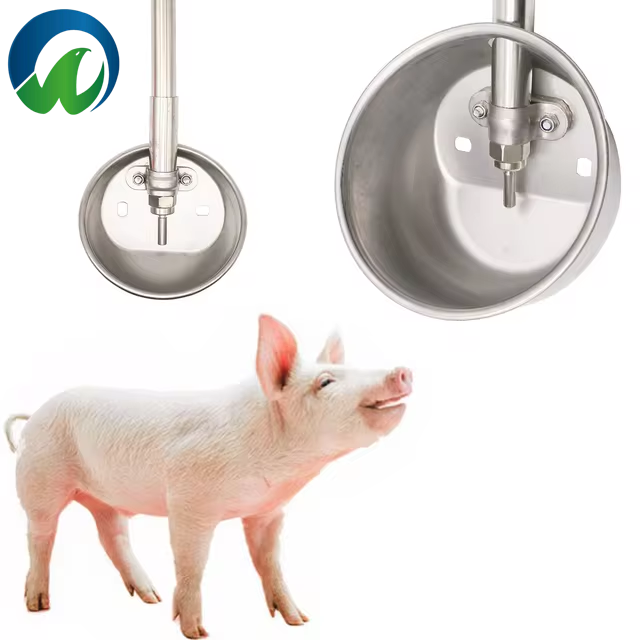
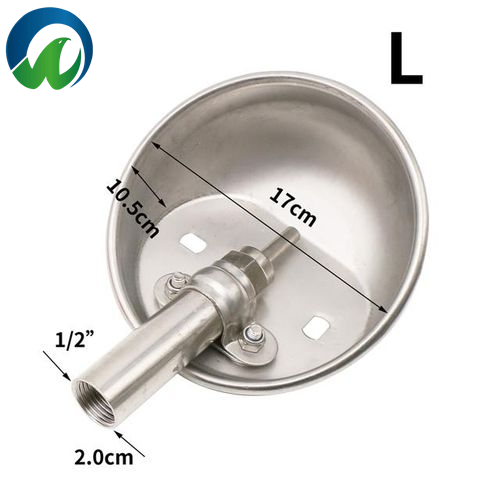
animal drinking bowl
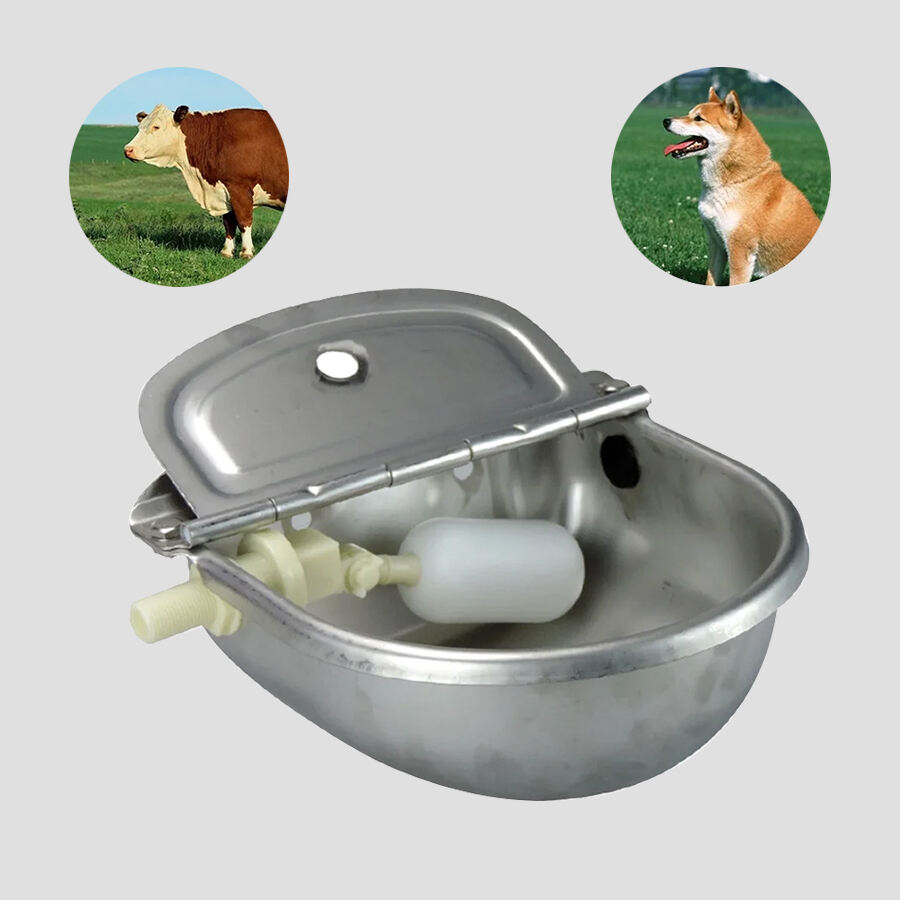
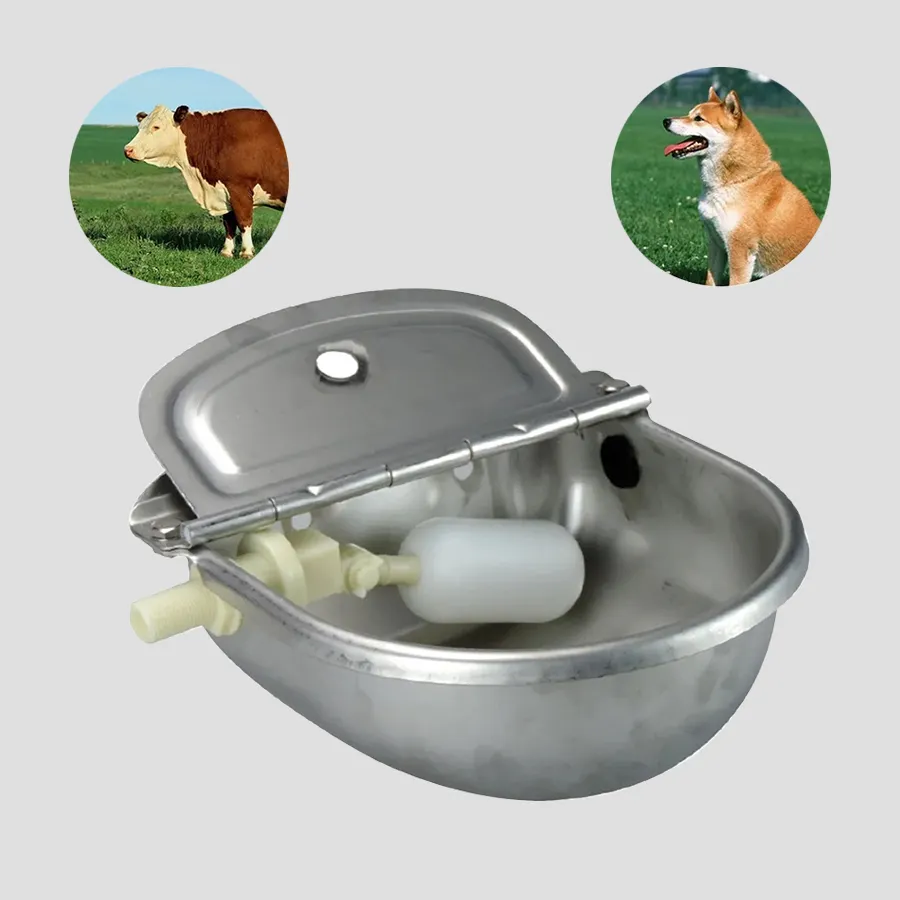
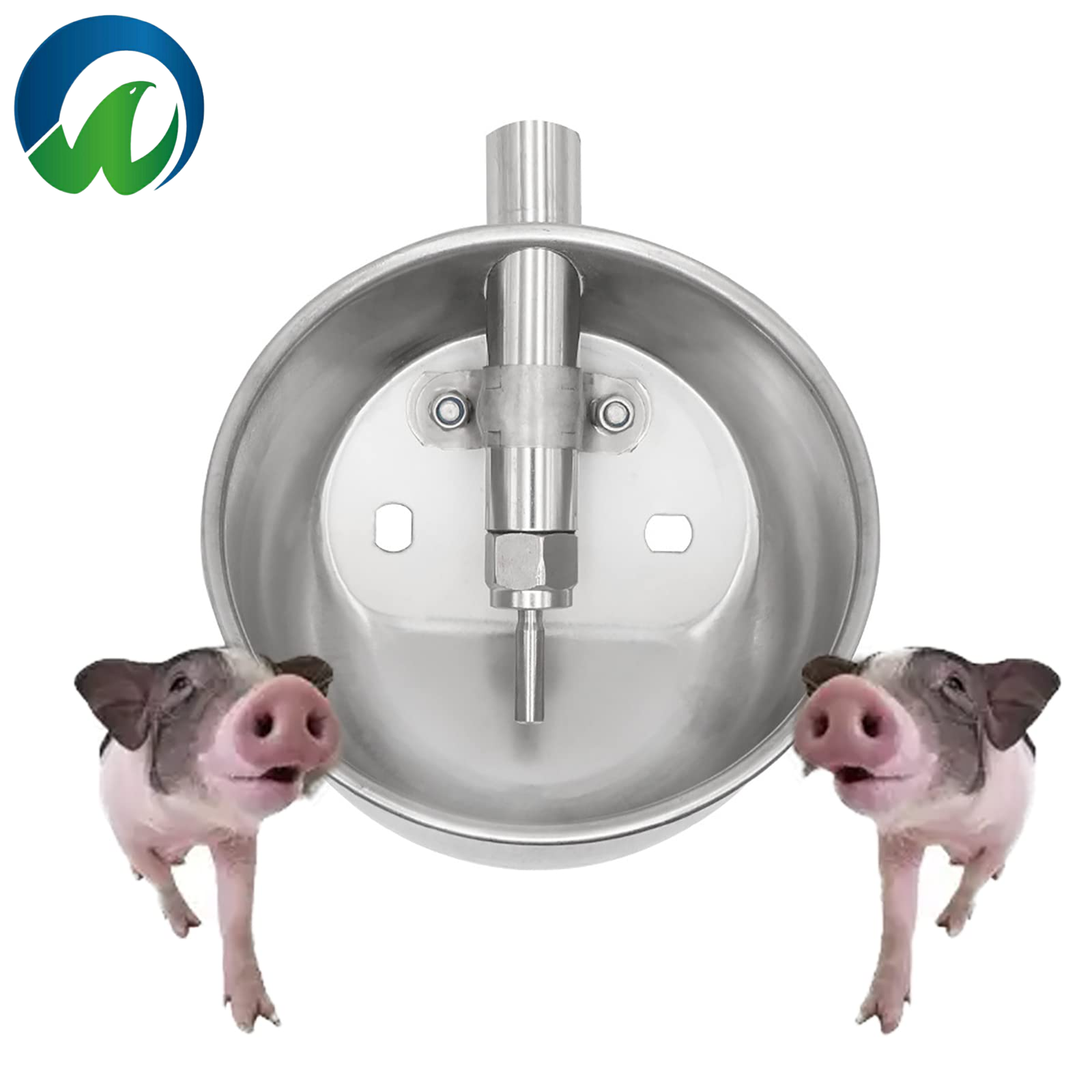
An animal drinking bowl represents a fundamental piece of equipment designed to provide consistent hydration for domestic pets, livestock, and various animal species in both residential and commercial settings. These specialized containers go far beyond traditional water dishes, incorporating advanced engineering principles to ensure optimal water delivery while maintaining hygiene standards essential for animal health. Modern animal drinking bowl systems feature sophisticated mechanisms that automatically refill water supplies, preventing dehydration risks and reducing manual maintenance requirements for pet owners and agricultural professionals. The primary function of an animal drinking bowl centers on delivering fresh, clean water continuously to animals of varying sizes and drinking behaviors. These systems utilize gravity-fed mechanisms, pressure-activated valves, or electronic sensors to detect water levels and trigger refill cycles automatically. Advanced models incorporate filtration systems that remove impurities, chlorine, and bacterial contaminants, ensuring superior water quality compared to static bowl alternatives. Temperature regulation features maintain optimal drinking conditions, preventing water from freezing in cold climates or becoming excessively warm in heated environments. The technological sophistication of contemporary animal drinking bowl designs includes corrosion-resistant materials such as stainless steel, food-grade plastics, and ceramic compounds that withstand constant moisture exposure without degrading or leaching harmful chemicals. Anti-slip base designs prevent accidental movement during use, while splash-resistant edges minimize water spillage around feeding areas. Many units feature adjustable height mechanisms to accommodate different animal breeds and growth stages, making them versatile solutions for multi-pet households or diverse livestock operations. Applications span across residential pet care, veterinary clinics, animal shelters, agricultural farms, zoos, and research facilities where reliable hydration systems are critical for animal welfare and operational efficiency.
 EN
EN