 EN
EN

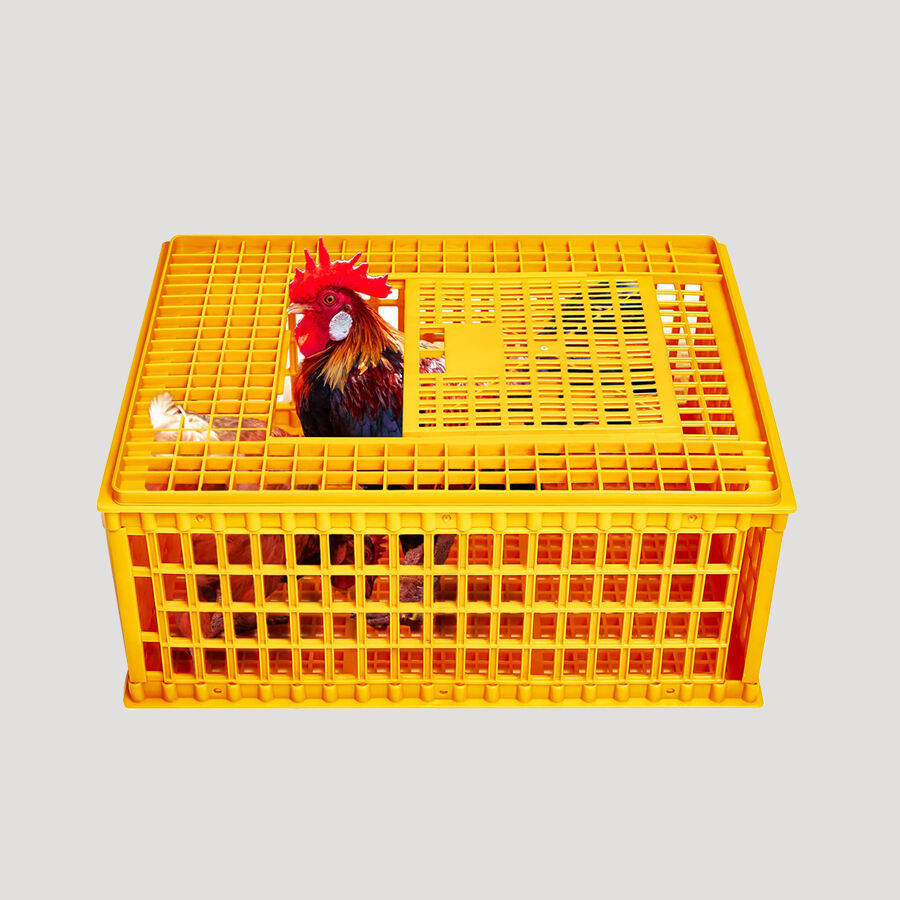
The global poultry industry relies heavily on specialized transportation solutions to ensure the safe and humane movement of live chickens across international borders. A well-designed chicken transport crate serves as the foundation for successful export operations, meeting stringent regulatory requirements while maintaining animal welfare standards. Export markets demand customized solutions that address specific climate conditions, transportation distances, and regulatory frameworks unique to each destination country. Modern manufacturers understand that a standard chicken transport crate must be adapted to meet diverse international requirements, from ventilation specifications to structural durability standards. The customization process involves careful consideration of multiple factors including destination climate, transportation methods, regulatory compliance, and specific customer requirements that vary significantly across global markets.
Understanding Export Market Requirements
Regulatory Compliance Standards
International export markets impose strict regulatory frameworks that directly influence chicken transport crate design and functionality. European Union markets require compliance with specific animal welfare directives that mandate minimum space allocations per bird, ventilation rates, and structural integrity standards. The chicken transport crate must demonstrate compliance with these regulations through certified testing and documentation. North American markets focus on biosecurity measures, requiring specialized materials and surface treatments that prevent pathogen transmission during transportation. Asian markets often emphasize durability and stackability features, as transportation distances and handling procedures differ significantly from Western markets.
Documentation requirements vary substantially across export destinations, with some markets requiring detailed material certificates, manufacturing process documentation, and third-party quality assurance verification. The chicken transport crate manufacturer must maintain comprehensive records that demonstrate compliance with destination-specific requirements. Regulatory updates occur frequently, necessitating ongoing communication between manufacturers and export customers to ensure continued compliance. Quality management systems must incorporate tracking mechanisms that monitor regulatory changes and implement necessary design modifications to maintain market access.
Climate Adaptation Requirements
Climate conditions in destination markets significantly influence chicken transport crate design specifications, particularly regarding ventilation systems and material selection. Tropical climates require enhanced ventilation features with increased airflow capacity to prevent heat stress during transportation. The chicken transport crate designed for hot climate exports incorporates larger ventilation openings, heat-resistant materials, and optimized airflow patterns that maintain appropriate temperature ranges. Cold climate destinations demand insulation features and wind protection elements that prevent hypothermia while maintaining adequate air circulation.
Humidity control becomes critical in certain export markets where high moisture levels can compromise bird health and crate structural integrity. Advanced chicken transport crate designs incorporate moisture-resistant materials and drainage systems that manage condensation effectively. UV resistance requirements vary based on exposure duration and intensity levels expected during transportation and temporary storage periods. Material selection must account for temperature extremes, with some markets experiencing temperature variations exceeding 50 degrees Celsius during transportation cycles.
Material Customization and Selection
Advanced Polymer Technologies
Modern chicken transport crate manufacturing utilizes advanced polymer technologies that offer superior performance characteristics compared to traditional materials. High-density polyethylene provides excellent chemical resistance, impact strength, and temperature stability required for international transportation applications. Polypropylene formulations offer enhanced flexibility and fatigue resistance, particularly important for crates subjected to repeated loading and unloading cycles during export operations. The chicken transport crate material selection process considers factors including chemical compatibility, structural performance, and regulatory approval status in target export markets.
Antimicrobial additives integrated into polymer matrices provide ongoing protection against bacterial and viral contamination during transportation and storage periods. These specialized materials maintain their antimicrobial properties throughout the operational lifetime of the chicken transport crate, reducing biosecurity risks in export operations. Color additives serve functional purposes beyond aesthetics, with specific colors selected to reduce heat absorption in sunny climates or improve visibility during handling operations. UV stabilizers protect against photodegradation in markets with high solar exposure levels, extending operational lifespan and maintaining structural integrity.
Structural Design Modifications
Export market requirements often necessitate structural modifications to standard chicken transport crate designs to accommodate specific transportation methods and handling procedures. Air freight applications require lightweight construction while maintaining structural strength sufficient for stacking multiple layers during transport. Ocean freight operations demand enhanced corrosion resistance and moisture protection features that prevent deterioration during extended voyage periods. The chicken transport crate must incorporate reinforcement elements that distribute loads effectively across the structure during various transportation scenarios.
Modular design features allow customization of interior configurations to accommodate different bird sizes and transportation densities required by specific export markets. Removable partition systems enable operators to adjust spacing based on bird age, size, and regulatory requirements in destination countries. Corner reinforcement systems provide additional protection against impact damage during handling operations, particularly important in markets with less sophisticated handling equipment. Stacking features must accommodate various pallet configurations and container loading patterns used in different transportation networks.
Ventilation System Optimization
Airflow Pattern Engineering
Effective ventilation system design represents a critical customization element for chicken transport crate applications in diverse export markets. Computational fluid dynamics modeling enables engineers to optimize airflow patterns that ensure uniform air distribution throughout the crate interior. The chicken transport crate ventilation system must provide adequate fresh air exchange while preventing drafts that could stress birds during transportation. Cross-flow ventilation patterns work effectively in moderate climates, while vertical flow systems provide superior performance in hot climate applications where thermal stratification becomes problematic.
Adjustable ventilation features allow operators to modify airflow rates based on ambient conditions and transportation duration. Seasonal variations in many export markets require ventilation systems capable of adaptation to changing environmental conditions throughout the year. The chicken transport crate must incorporate ventilation controls that remain accessible and functional during normal transportation operations. Backup ventilation provisions ensure continued air circulation even when primary openings become partially blocked during handling or stacking operations.
Biosecurity Integration
Ventilation system design must balance airflow requirements with biosecurity protocols mandated by export market regulations. Filter integration capabilities allow installation of pathogen barriers when required by specific destination markets or transportation routes. The chicken transport crate ventilation openings incorporate design features that prevent ingress of external contaminants while maintaining adequate air exchange rates. Self-cleaning mechanisms reduce maintenance requirements and ensure consistent performance throughout operational cycles.
Contamination prevention features include specialized surface treatments and geometric configurations that minimize pathogen accumulation in ventilation pathways. Removable components facilitate thorough cleaning and disinfection procedures required between transportation cycles. The chicken transport crate design must accommodate various disinfection methods used in different export markets, from chemical treatments to thermal sterilization processes. Material compatibility with approved disinfectants ensures long-term durability and maintains structural integrity throughout repeated cleaning cycles.
Size and Capacity Customization
Bird Size Accommodation
Export markets often involve transportation of different bird breeds and ages that require customized chicken transport crate dimensions and capacity configurations. Broiler chickens destined for processing facilities require different space allocations compared to breeding stock transported for genetic programs. The chicken transport crate interior dimensions must provide adequate space for bird movement while preventing injury during transportation. Height specifications vary based on bird posture requirements and regulatory standards in destination markets.
Weight distribution considerations influence floor design and support structure requirements for different bird sizes and loading densities. Larger birds require reinforced flooring systems that distribute weight evenly and prevent structural deformation during transportation. The chicken transport crate must accommodate growth during extended transportation periods, particularly for young birds that may increase in size during voyage durations. Flexible interior configurations allow adjustment of space allocations based on specific shipment requirements and destination market preferences.
Loading Density Optimization
Economic considerations in export operations require optimization of loading densities while maintaining animal welfare standards and regulatory compliance. The chicken transport crate design must maximize space utilization efficiency without compromising bird health or safety during transportation. Density calculations consider factors including transportation duration, ambient conditions, and specific requirements of destination markets. Modular systems allow operators to adjust capacity based on seasonal variations and market demand fluctuations.
Stacking capabilities influence overall transportation efficiency and must accommodate various container and vehicle configurations used in export operations. Multi-tier stacking systems require precise engineering to ensure structural stability and maintain adequate ventilation throughout all levels. The chicken transport crate must provide secure stacking interfaces that prevent shifting during transportation while allowing easy separation for unloading operations. Weight distribution across stacked configurations influences vehicle loading patterns and transportation cost calculations.
Handling and Logistics Features
Loading and Unloading Systems
Export operations often involve multiple handling stages that require specialized features integrated into chicken transport crate designs. Ergonomic handle systems reduce operator fatigue and improve handling safety during loading and unloading operations. The chicken transport crate must accommodate various handling equipment used in different export markets, from manual lifting to automated conveyor systems. Quick-release mechanisms enable rapid deployment and retrieval operations essential for maintaining transportation schedules.
Identification and tracking features facilitate logistics management throughout complex export supply chains. RFID compatibility allows integration with automated tracking systems used by major transportation providers and customs agencies. The chicken transport crate surface provides designated areas for labeling and documentation attachment required by export regulations. Tamper-evident features provide security assurance during transportation and temporary storage periods in export operations.
Storage and Return Logistics
Empty crate management represents a significant logistical consideration in export operations that influences chicken transport crate design specifications. Nesting capabilities reduce storage space requirements when crates are not in use, improving warehouse efficiency and reducing return shipping costs. Collapsible designs offer maximum space savings but require robust locking mechanisms that maintain structural integrity during operational use. The chicken transport crate must balance nesting efficiency with ease of deployment for rapid turnaround operations.
Return logistics considerations include weight minimization and durability requirements for empty crate transportation back to origin facilities. Cleaning and disinfection accessibility ensures compliance with biosecurity protocols during return shipments. The chicken transport crate design must facilitate efficient processing through cleaning facilities and preparation for subsequent export operations. Maintenance access points allow inspection and repair of wear components without requiring complete crate replacement.
Quality Assurance and Testing
Performance Validation Procedures
Export market requirements mandate comprehensive testing and validation procedures that verify chicken transport crate performance under various operational conditions. Structural testing protocols evaluate load-bearing capacity, impact resistance, and fatigue performance under simulated transportation conditions. The chicken transport crate must demonstrate compliance with safety factors and performance margins required by destination market regulations. Environmental testing includes exposure to temperature extremes, humidity variations, and UV radiation levels expected during export operations.
Ventilation performance testing validates airflow rates and distribution patterns under various loading configurations and ambient conditions. Computational models require validation through physical testing to ensure accurate performance predictions. The chicken transport crate undergoes field testing in actual export operations to verify design performance and identify potential improvement opportunities. Long-term durability testing evaluates material degradation and structural performance over extended operational periods.
Certification and Documentation
Export operations require extensive documentation and certification that demonstrates chicken transport crate compliance with applicable regulations and standards. Third-party testing facilities provide independent verification of performance characteristics and regulatory compliance. Material certificates document polymer specifications, additive content, and manufacturing process parameters relevant to food safety and animal welfare requirements. The chicken transport crate manufacturer maintains comprehensive quality records that support traceability and regulatory audit requirements.
Continuous improvement programs monitor field performance and incorporate customer feedback into design optimization processes. Statistical quality control systems track manufacturing consistency and identify trends that could affect export market compliance. The chicken transport crate production facility maintains certification with relevant quality management standards including ISO 9001 and industry-specific requirements. Regular calibration and validation of testing equipment ensures measurement accuracy and maintains certification validity.
FAQ
What are the most important factors when customizing chicken transport crates for export markets
The most critical factors include regulatory compliance with destination country requirements, climate adaptation for environmental conditions, material selection for durability and safety, ventilation system optimization for bird welfare, and logistics considerations for handling and transportation efficiency. Each export market presents unique challenges that require careful analysis and customized solutions to ensure successful operations.
How do ventilation requirements differ between various export destinations
Ventilation requirements vary significantly based on climate conditions, with tropical destinations requiring enhanced airflow capacity and heat dissipation features, while cold climate markets need wind protection and temperature retention capabilities. Humidity control becomes critical in high-moisture environments, and UV protection requirements depend on solar exposure levels during transportation and storage periods.
What materials are best suited for international chicken transport applications
High-density polyethylene and specialized polypropylene formulations offer optimal performance for international applications, providing chemical resistance, structural strength, and temperature stability. Advanced polymer additives including antimicrobial agents, UV stabilizers, and impact modifiers enhance performance characteristics specific to export market requirements and operational conditions.
How do loading density requirements vary across different export markets
Loading density requirements depend on regulatory standards in destination countries, transportation duration, bird size and age, and climate conditions during transport. European markets typically have stricter space allocation requirements, while other regions may focus more on ventilation and structural integrity. Economic considerations must balance density optimization with animal welfare and regulatory compliance requirements.
Table of Contents
- Understanding Export Market Requirements
- Material Customization and Selection
- Ventilation System Optimization
- Size and Capacity Customization
- Handling and Logistics Features
- Quality Assurance and Testing
-
FAQ
- What are the most important factors when customizing chicken transport crates for export markets
- How do ventilation requirements differ between various export destinations
- What materials are best suited for international chicken transport applications
- How do loading density requirements vary across different export markets