 EN
EN

Proper ventilation stands as the most critical factor in modern chicken transport crate design, directly impacting poultry welfare, mortality rates, and meat quality during transportation. The agricultural industry has witnessed significant advancements in crate engineering over recent decades, with manufacturers focusing on optimizing airflow patterns to ensure optimal breathing conditions for livestock during transit. Understanding the essential ventilation features helps poultry producers make informed decisions when selecting transport equipment that protects their investment while maintaining animal welfare standards.
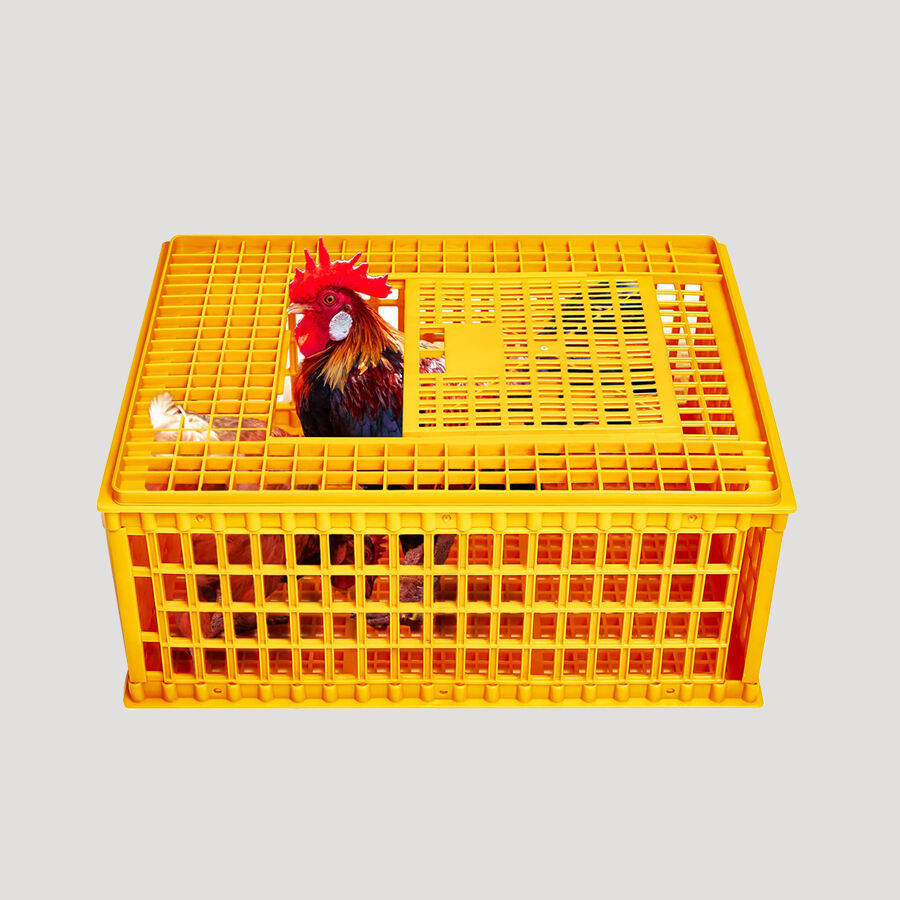
Modern poultry transportation faces increasing regulatory scrutiny regarding animal welfare, making advanced ventilation systems essential for compliance and operational success. The design complexity of effective chicken transport crate ventilation extends beyond simple perforations, encompassing sophisticated airflow engineering that accounts for varying environmental conditions, transport durations, and stocking densities. Professional poultry handlers recognize that inadequate ventilation leads to heat stress, respiratory distress, and economic losses that far exceed the initial investment in quality transport equipment.
Fundamental Airflow Principles in Poultry Transport
Cross-Ventilation Design Standards
Cross-ventilation represents the gold standard in chicken transport crate design, facilitating horizontal airflow that removes heat and moisture while providing fresh oxygen to all birds within the container. This ventilation approach requires strategically positioned openings on opposite sides of the crate, creating pressure differentials that drive consistent air movement regardless of external wind conditions. Professional transport operations typically specify cross-ventilation systems that maintain air exchange rates between 15-25 cubic feet per minute per bird, depending on ambient temperature and journey duration.
The geometric configuration of ventilation openings significantly influences airflow efficiency, with rectangular slots often outperforming circular holes in terms of air volume and debris resistance. Engineering studies demonstrate that optimal slot dimensions range from 8-12mm in width, providing adequate airflow while preventing escape attempts and external contamination. Quality chicken transport crate manufacturers incorporate these specifications into their designs, ensuring consistent performance across various transportation scenarios.
Vertical Air Movement Considerations
Vertical ventilation components complement horizontal airflow systems by facilitating natural convection currents that help regulate temperature distribution throughout the transport container. Top-mounted ventilation features allow heated air to escape naturally while drawing cooler air through lower openings, creating a thermodynamic cycle that maintains comfortable conditions for transported poultry. This vertical air movement becomes particularly crucial during stationary periods when vehicle-generated airflow is unavailable.
Strategic placement of vertical ventilation elements requires careful consideration of weather protection and structural integrity, as these openings must remain functional during rainfall while maintaining the crate's load-bearing capacity. Advanced chicken transport crate designs incorporate weather shields and drainage channels that protect ventilation openings without compromising airflow efficiency, ensuring reliable performance regardless of environmental conditions encountered during transport operations.
Material Selection and Ventilation Performance
Polypropylene Advantages in Airflow Design
Polypropylene construction offers superior advantages for ventilation-focused chicken transport crate manufacturing, providing the structural integrity necessary for precise opening geometry while resisting deformation that could compromise airflow patterns. This thermoplastic material maintains dimensional stability across temperature variations commonly encountered during poultry transport, ensuring consistent ventilation performance regardless of seasonal conditions. The smooth surface characteristics of polypropylene also facilitate easy cleaning and sanitization without affecting ventilation opening dimensions.
Manufacturing precision becomes critical when working with polypropylene, as injection molding processes can achieve tight tolerances necessary for optimal ventilation performance. Quality control standards in chicken transport crate production ensure that ventilation openings maintain specified dimensions throughout the manufacturing process, preventing variations that could impact airflow efficiency or compromise animal welfare during transport operations.
Durability and Ventilation Longevity
Long-term ventilation performance depends heavily on material durability and resistance to wear factors commonly encountered in commercial poultry transport operations. High-quality materials resist cracking, warping, and degradation that could alter ventilation opening dimensions over time, maintaining consistent airflow characteristics throughout the crate's operational lifespan. This durability consideration becomes particularly important for high-volume transport operations where equipment reliability directly impacts operational efficiency and animal welfare outcomes.
Regular maintenance and inspection protocols help ensure continued ventilation effectiveness, with quality chicken transport crate designs facilitating easy assessment of airflow openings and structural integrity. Professional transport operators implement scheduled maintenance programs that verify ventilation performance, replacing equipment before wear factors compromise animal welfare or regulatory compliance requirements.
Environmental Factors Affecting Ventilation Requirements
Temperature Management Systems
Ambient temperature variations significantly influence ventilation requirements for poultry transport, with hot weather conditions demanding increased airflow rates while cold temperatures require balance between ventilation and thermal protection. Professional chicken transport crate designs accommodate these varying requirements through adjustable ventilation features or modular components that allow operators to modify airflow characteristics based on environmental conditions and seasonal variations.
Heat stress prevention represents the primary concern in warm climate transport operations, requiring ventilation systems capable of maintaining internal temperatures within acceptable ranges despite external heat loads. Advanced crate designs incorporate reflective surfaces and enhanced airflow patterns that minimize solar heat gain while maximizing cooling air movement, protecting transported poultry from potentially fatal temperature elevations during extended transport periods.
Humidity Control Integration
Moisture management through effective ventilation prevents the buildup of harmful humidity levels that can compromise respiratory function and increase disease transmission risks during poultry transport. Proper chicken transport crate ventilation systems facilitate continuous moisture removal while maintaining adequate airflow for respiratory needs, creating environmental conditions that support animal health throughout the transportation process.
Condensation prevention requires careful balance between ventilation rate and environmental protection, as excessive air exchange during cold conditions can create internal condensation that compromises both animal comfort and equipment longevity. Quality crate designs incorporate features that manage moisture without creating thermal stress, ensuring optimal conditions across diverse environmental scenarios commonly encountered in commercial transport operations.
Regulatory Compliance and Industry Standards
Animal Welfare Legislation Requirements
Current animal welfare regulations establish specific ventilation requirements for poultry transport equipment, mandating minimum airflow rates and environmental conditions that must be maintained throughout transportation processes. Compliance with these regulations requires chicken transport crate designs that can demonstrate consistent ventilation performance under various operational conditions, with documentation and testing protocols that verify regulatory adherence.
International standards organizations continue to develop more stringent requirements for poultry transport ventilation, reflecting growing awareness of animal welfare considerations and their impact on product quality outcomes. Professional transport operations invest in equipment that exceeds current minimum requirements, anticipating future regulatory developments while ensuring consistent compliance with evolving industry standards.
Quality Assurance and Testing Protocols
Systematic testing and validation procedures ensure that chicken transport crate ventilation systems perform according to specifications and regulatory requirements throughout their operational lifespan. Quality assurance programs incorporate airflow measurement, temperature monitoring, and performance verification protocols that document equipment capabilities and identify potential issues before they impact animal welfare or regulatory compliance.
Certification processes and third-party verification provide additional assurance of ventilation system performance, with independent testing organizations evaluating crate designs according to established industry standards and animal welfare guidelines. These certification programs help transport operators demonstrate compliance while providing confidence in equipment performance and reliability.
Economic Impact of Proper Ventilation Design
Mortality Rate Reduction Benefits
Effective ventilation in chicken transport crate systems directly correlates with reduced mortality rates during transportation, providing significant economic benefits that justify investment in quality equipment. Industry statistics demonstrate that proper ventilation can reduce transport mortality by 40-60% compared to inadequately ventilated systems, translating to substantial financial savings for commercial poultry operations of all sizes.
Cost-benefit analysis consistently favors investment in superior ventilation systems when considering the total economic impact of transport mortality, including direct product losses, processing inefficiencies, and reputation risks associated with poor animal welfare practices. Professional poultry producers recognize that chicken transport crate ventilation represents a critical investment in operational profitability and sustainable business practices.
Product Quality Preservation
Proper ventilation during transport helps maintain meat quality characteristics that directly impact processing yields and market value, with stress reduction and temperature control contributing to superior product outcomes. Studies indicate that effective transport ventilation can improve processing yields by 2-4% while reducing quality downgrades associated with transport stress and environmental exposure.
Long-term equipment costs must be evaluated against these quality benefits, with superior chicken transport crate designs providing return on investment through improved product outcomes and reduced operational losses. Professional transport operators calculate total cost of ownership including ventilation performance impacts on product quality and processing efficiency when selecting transport equipment.
FAQ
What airflow rate is optimal for poultry transport ventilation?
Optimal airflow rates for chicken transport crate ventilation typically range from 15-25 cubic feet per minute per bird, depending on ambient temperature conditions and transport duration. Higher rates may be necessary during hot weather or extended transport periods, while lower rates suffice for short journeys in moderate temperatures. Professional transport operators often use adjustable ventilation systems to accommodate varying requirements based on environmental conditions and operational needs.
How do weather conditions affect ventilation requirements?
Weather conditions significantly influence ventilation needs, with hot temperatures requiring maximum airflow for cooling while cold conditions need balanced ventilation that prevents thermal stress without compromising respiratory needs. Rain and wind conditions also impact ventilation effectiveness, requiring weather protection features that maintain airflow while preventing water infiltration. Quality chicken transport crate designs incorporate weather-resistant features that ensure consistent ventilation performance regardless of environmental conditions.
What materials provide the best ventilation performance?
Polypropylene and other high-quality thermoplastics offer superior ventilation performance due to their ability to maintain precise opening dimensions and resist deformation over time. These materials provide the structural integrity necessary for consistent airflow patterns while facilitating easy cleaning and maintenance procedures. Metal components may be used for specific applications but require careful corrosion protection and design considerations to maintain long-term ventilation effectiveness.
How often should transport crate ventilation be inspected?
Regular inspection of chicken transport crate ventilation should occur before each use, with detailed assessments conducted weekly or monthly depending on usage frequency and environmental exposure. Professional transport operations implement systematic inspection protocols that verify airflow opening dimensions, structural integrity, and overall ventilation system performance. Any signs of damage, wear, or blockage should result in immediate repair or equipment replacement to maintain animal welfare standards and regulatory compliance.