 EN
EN

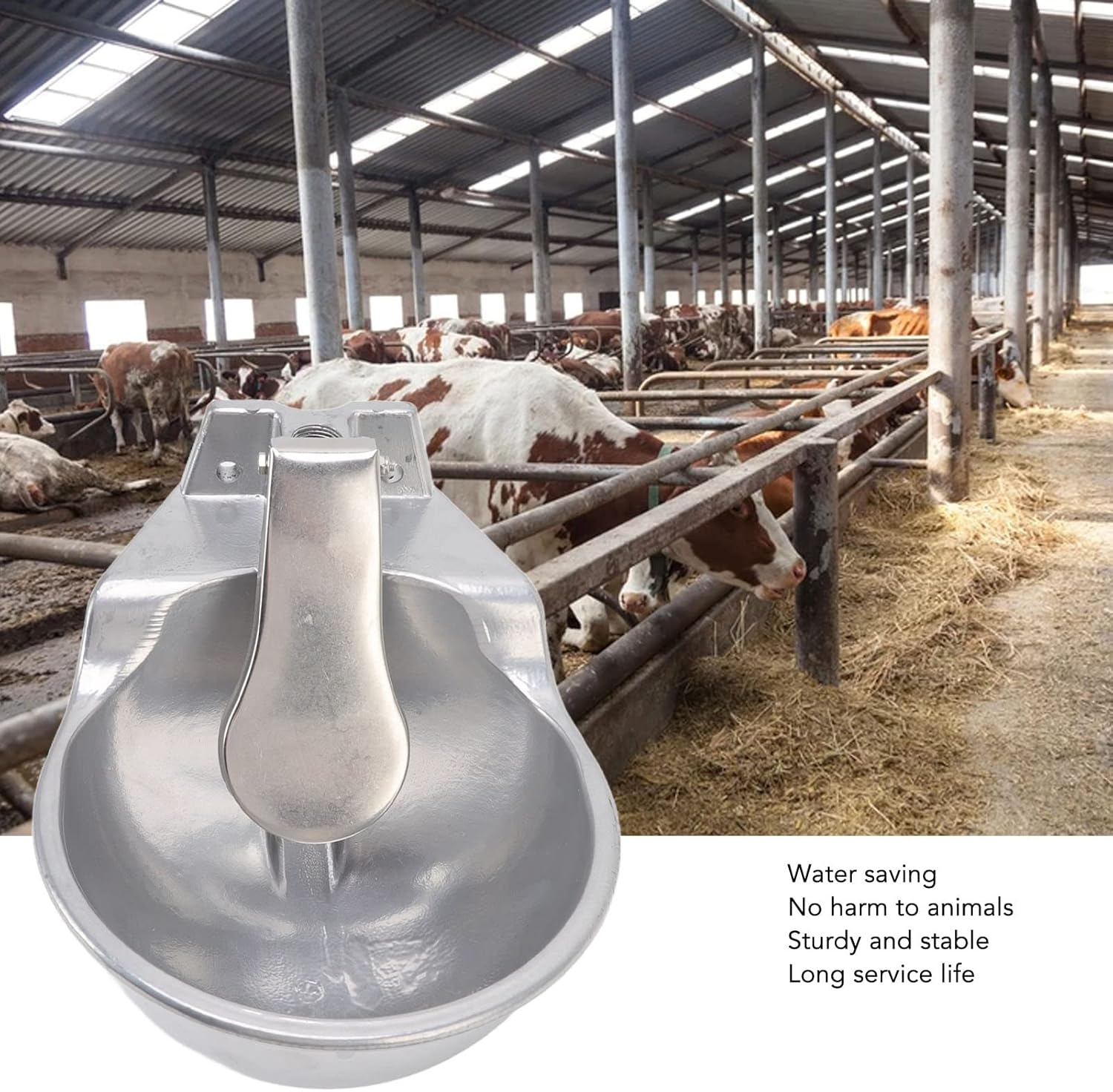
Modern dairy and beef operations increasingly rely on automated watering systems to ensure consistent hydration for their livestock. The selection of an appropriate cattle drinking bowl represents a critical decision that directly impacts animal welfare, water consumption efficiency, and overall farm productivity. Understanding the key factors involved in choosing the right watering solution helps farmers optimize their automated systems while maintaining cost-effectiveness and operational reliability.
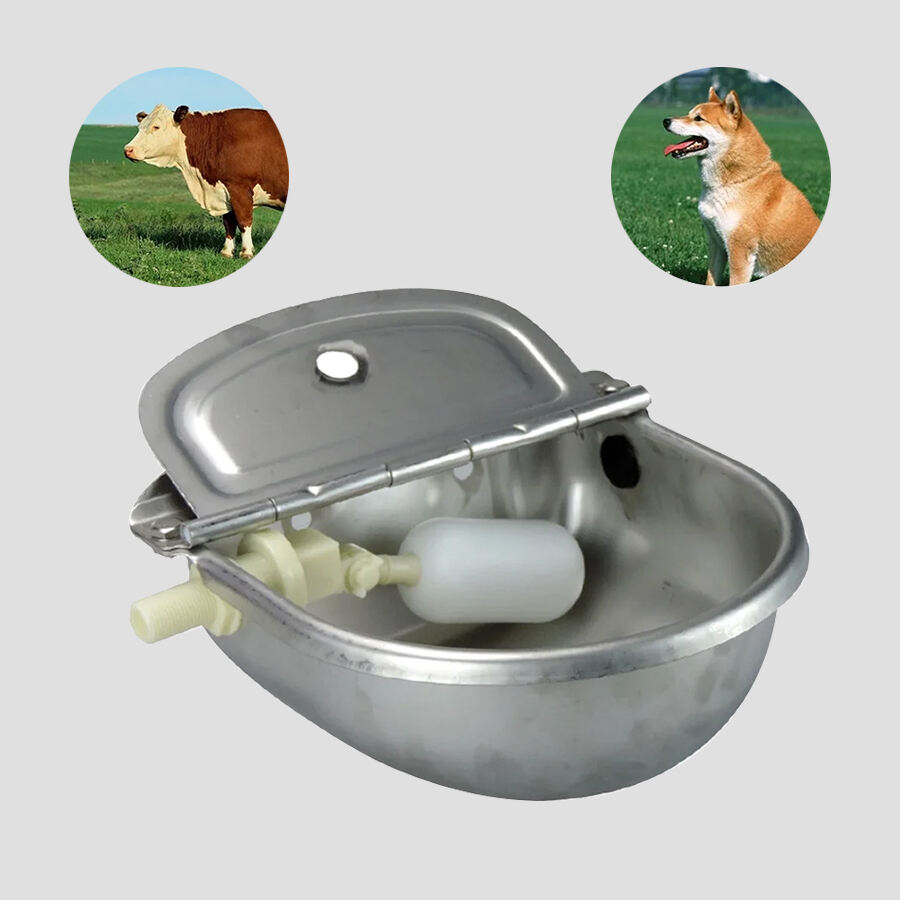
Material Considerations for Durability and Safety
Stainless Steel Advantages in Livestock Applications
Stainless steel emerges as the preferred material for cattle drinking bowl construction due to its exceptional durability and resistance to corrosion. This material withstands constant exposure to moisture, temperature fluctuations, and the physical stress imposed by large livestock. The non-porous surface of stainless steel prevents bacterial growth and facilitates thorough cleaning protocols essential for maintaining water quality standards in commercial operations.
The longevity of stainless steel construction translates into significant cost savings over time, as replacement frequency decreases compared to alternative materials. Additionally, stainless steel maintains its structural integrity under heavy use, ensuring consistent performance even in high-traffic watering areas where multiple animals access the same cattle drinking bowl throughout the day.
Alternative Materials and Their Limitations
While plastic and cast iron options exist in the market, each presents specific limitations that affect long-term performance. Plastic cattle drinking bowl units may crack under extreme temperature conditions or sustained impact from large animals. Cast iron, though durable, requires regular maintenance to prevent rust formation and may become prohibitively heavy for installation in certain automated systems.
Aluminum alternatives offer moderate durability but lack the corrosion resistance necessary for long-term outdoor exposure. The material selection process must balance initial investment costs against expected lifespan and maintenance requirements to determine the most economically viable option for each specific application.
Flow Rate and Volume Specifications
Calculating Optimal Water Delivery Rates
Determining appropriate flow rates requires careful consideration of animal size, herd density, and peak consumption periods. A standard cattle drinking bowl should deliver between 3-5 gallons per minute to accommodate the drinking patterns of adult cattle without creating excessive wait times or water waste. Peak consumption typically occurs during early morning and late afternoon periods when animals return from grazing or feeding areas.
Automated systems must account for simultaneous usage by multiple animals, particularly in high-density operations. The cattle drinking bowl capacity should support continuous flow even when several animals access the same watering point, preventing dehydration during critical consumption periods.
Seasonal Adjustments and Weather Considerations
Water consumption patterns fluctuate significantly based on seasonal temperature variations and weather conditions. During summer months, cattle water intake can increase by 30-50% compared to winter consumption levels. The automated system controlling each cattle drinking bowl must accommodate these variations through adjustable flow controls or multiple activation triggers.
Cold weather presents additional challenges, requiring freeze-resistant features or heated components to maintain water availability. The selection process should include evaluation of climate-specific requirements to ensure year-round functionality without manual intervention or system failures during extreme weather events.
Installation and Maintenance Requirements
Mounting Systems and Height Adjustments
Proper installation height significantly impacts animal comfort and water consumption efficiency. The optimal mounting height positions the cattle drinking bowl at shoulder level for the target animal size, typically 36-42 inches from ground level for adult cattle. Adjustable mounting systems accommodate different animal sizes within the same operation or allow for modifications as young cattle mature.
Wall-mounted installations require adequate structural support to withstand the forces generated by large animals during drinking activities. The mounting system must distribute weight effectively across multiple anchor points to prevent loosening or damage to the installation surface over time.
Cleaning Protocols and Accessibility
Regular cleaning maintains water quality and prevents the accumulation of algae, bacteria, or debris that could compromise animal health. The cattle drinking bowl design should facilitate easy access for cleaning personnel while maintaining secure operation during normal use. Removable components or hinged access panels simplify maintenance procedures without requiring complete system disassembly.
Automated cleaning features, such as self-draining mechanisms or integrated flushing systems, reduce manual labor requirements and ensure consistent hygiene standards. These features become particularly valuable in large operations where multiple cattle drinking bowl units require regular maintenance across extensive facility areas.
Integration with Automated Control Systems
Sensor Technology and Activation Methods
Modern automated systems utilize various sensor technologies to control water delivery, including pressure-activated paddles, infrared sensors, or mechanical float mechanisms. Each activation method offers specific advantages depending on the installation environment and animal behavior patterns. Pressure-activated systems respond directly to animal contact, ensuring water availability only when needed and minimizing waste.
Infrared sensor systems provide touchless activation but may require more sophisticated calibration to distinguish between actual drinking behavior and incidental animal movement near the cattle drinking bowl. The selection process should evaluate sensor reliability, power requirements, and maintenance needs for each technology option.
Water Pressure and Supply Line Considerations
Adequate water pressure ensures consistent performance across multiple cattle drinking bowl installations connected to the same supply line. Pressure regulators maintain optimal flow rates regardless of system demand fluctuations or elevation differences between watering points. The distribution network design must account for pressure losses through piping systems and elevation changes across the facility.
Backup water supplies or redundant systems prevent service interruptions during maintenance or supply line failures. Emergency shutoff valves allow isolation of individual cattle drinking bowl units without affecting the entire watering system, maintaining service availability during repairs or equipment replacement procedures.
Cost Analysis and Return on Investment
Initial Investment Versus Long-term Savings
The upfront cost of high-quality cattle drinking bowl systems often generates concern among farm operators, but proper analysis reveals substantial long-term savings through reduced labor costs, improved animal health, and increased production efficiency. Premium materials and construction methods extend service life while minimizing replacement frequency and maintenance expenses over the system's operational period.
Labor savings from automated watering systems compound over time, as manual water delivery and tank maintenance requirements decrease significantly. The consistent water availability provided by properly selected cattle drinking bowl installations supports optimal animal performance and milk production in dairy operations, generating measurable revenue improvements that justify the initial investment.
Operational Efficiency and Performance Metrics
Monitoring water consumption patterns provides valuable insights into herd health and system performance. Advanced cattle drinking bowl systems include flow monitoring capabilities that track individual usage patterns and identify potential health issues or system malfunctions before they impact animal welfare or production metrics.
Reduced water waste through precise delivery control contributes to environmental sustainability goals while decreasing utility costs. The elimination of overflow and spillage common in traditional watering methods generates measurable cost savings that accumulate over the system's operational lifetime, improving the overall return on investment for modern cattle drinking bowl installations.
FAQ
What capacity should a cattle drinking bowl have for optimal performance
A properly sized cattle drinking bowl should maintain a minimum capacity of 2-3 gallons with refill rates of 3-5 gallons per minute to accommodate typical adult cattle drinking patterns without creating wait times during peak consumption periods.
How often should automated cattle drinking bowl systems require maintenance
Routine maintenance should occur weekly for cleaning and inspection, with comprehensive system checks performed monthly. High-quality stainless steel cattle drinking bowl units typically require major component replacement every 5-7 years under normal operating conditions.
What environmental factors affect cattle drinking bowl material selection
Temperature extremes, humidity levels, and exposure to corrosive elements influence material durability. Stainless steel cattle drinking bowl construction provides optimal performance across diverse environmental conditions, while plastic alternatives may degrade under UV exposure or extreme temperatures.
How do automated systems determine when to activate water flow
Modern cattle drinking bowl systems utilize pressure-sensitive paddles, infrared sensors, or mechanical float switches to detect animal presence and drinking behavior, activating water flow only when needed to minimize waste while ensuring constant availability during consumption periods.