 EN
EN

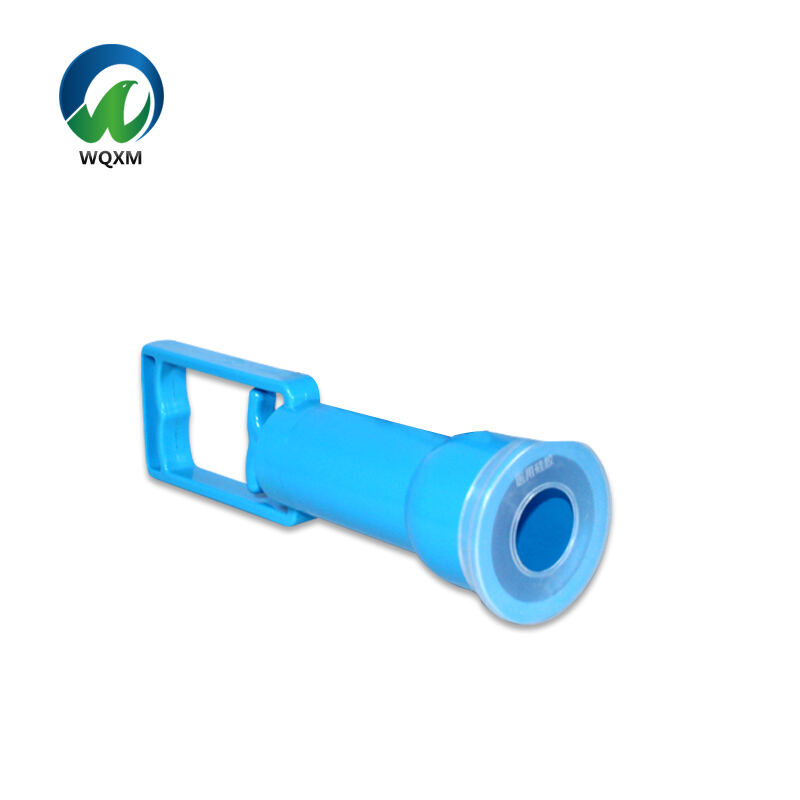
Modern pig farming operations face mounting pressure to balance efficiency, cost management, and animal welfare standards. Traditional manual feeding methods, once the backbone of agricultural practices, are increasingly scrutinized as farms expand and labor costs continue to rise. The question of sustainability extends beyond environmental impact to encompass economic viability, worker safety, and long-term operational success. Manual feeding systems require substantial human resources, create inconsistent feed distribution patterns, and often result in higher waste rates that directly impact farm profitability.
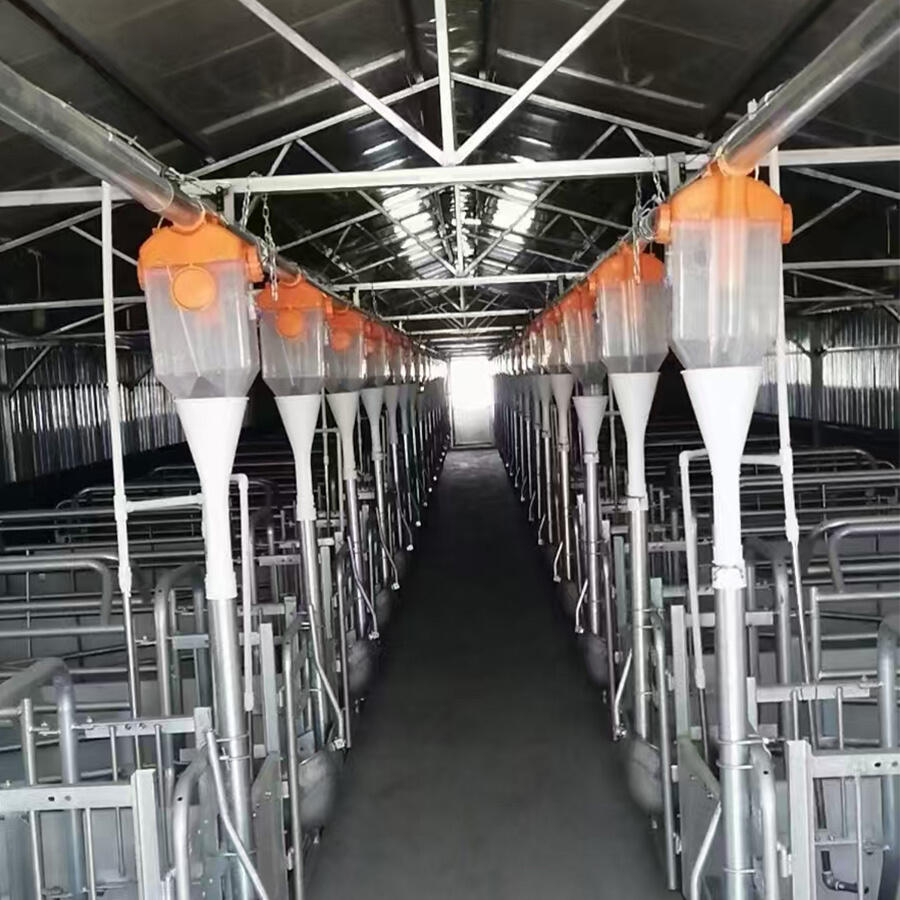
The transformation from manual to automated feeding represents more than technological advancement; it reflects a fundamental shift in agricultural philosophy. Farms that resist modernization often find themselves struggling with competitive disadvantages that compound over time. Labor shortages in rural areas further exacerbate these challenges, forcing many operations to reconsider their feeding methodologies. Contemporary pig farming demands precision, consistency, and scalability that manual systems simply cannot deliver at the required volumes and standards expected in today's market.
Economic Challenges of Manual Feeding Systems
Labor Costs and Workforce Dependencies
Manual feeding operations require significant human resources, with workers spending substantial portions of their daily schedules on repetitive feeding tasks. The financial burden extends beyond basic wages to include benefits, training, insurance, and managing high turnover rates common in agricultural labor positions. Seasonal variations in workforce availability create additional complications, particularly during peak farming periods when reliable labor becomes scarce and expensive.
Worker safety concerns also contribute to elevated operational costs through increased insurance premiums and potential liability exposure. Manual handling of feed materials creates ergonomic risks, while close contact with animals increases the likelihood of injuries. These factors combine to create a substantial ongoing expense that directly impacts farm profitability and long-term financial sustainability.
Feed Waste and Efficiency Losses
Manual distribution methods consistently generate higher feed waste percentages compared to automated systems. Human error in portion control, inconsistent timing, and spillage during transport contribute to significant financial losses over time. The lack of precise measurement capabilities means farms often overfeed to ensure adequate nutrition, resulting in unnecessary feed costs and potential health issues for livestock.
Feed conversion ratios suffer under manual systems due to irregular feeding schedules and portion inconsistencies. Pigs perform optimally when receiving consistent amounts of feed at regular intervals, something difficult to achieve with manual labor. The cumulative effect of these inefficiencies can represent substantial revenue losses that compound throughout production cycles.
Operational Limitations and Scalability Issues
Time Management and Productivity Constraints
Manual feeding operations consume disproportionate amounts of time that could be allocated to higher-value activities such as animal health monitoring, facility maintenance, and strategic planning. The repetitive nature of manual feeding creates bottlenecks that limit overall farm productivity and prevent operations from scaling effectively. As farm sizes increase, the time requirements for manual feeding grow exponentially rather than proportionally.
Weather conditions significantly impact manual feeding efficiency, creating delays and complications that disrupt established schedules. Extreme temperatures, precipitation, and seasonal changes force workers to adapt their approaches, often resulting in compromised feeding quality and increased stress for both animals and workers. These disruptions cascade through other farm operations, creating systemic inefficiencies.
Quality Control and Consistency Challenges
Maintaining consistent feed quality and distribution across large pig populations becomes increasingly difficult with manual systems. Individual workers may develop different approaches to feeding, creating variations in portion sizes, timing, and feed presentation that can affect animal performance. The lack of standardized procedures and monitoring capabilities makes it challenging to identify and correct feeding inconsistencies before they impact production outcomes.
Documentation and record-keeping suffer under manual systems, making it difficult to track feed consumption patterns, identify optimization opportunities, and maintain compliance with regulatory requirements. Modern agriculture increasingly relies on detailed data collection and analysis to optimize operations, capabilities that manual feeding systems cannot adequately provide.
Advantages of Automated Feeding Solutions
Precision and Consistency Benefits
Automated pig auto feeding line systems deliver precisely measured feed portions at predetermined intervals, eliminating human error and ensuring optimal nutrition delivery. This consistency directly translates to improved feed conversion ratios, better animal health outcomes, and more predictable production results. The ability to adjust feeding parameters based on growth stages, weather conditions, and individual pen requirements provides flexibility that manual systems cannot match.
Real-time monitoring capabilities enable immediate identification of feeding issues, equipment malfunctions, or consumption anomalies that might indicate health problems within the pig population. This early detection system allows for rapid intervention and prevention of larger issues that could impact entire production cycles.
Labor Optimization and Resource Allocation
Automated feeding systems free workers from repetitive tasks, allowing them to focus on higher-skilled activities such as animal health assessment, facility maintenance, and data analysis. This reallocation of human resources improves job satisfaction while increasing overall operational value. The reduction in physical labor requirements also expands the potential workforce pool and reduces training time for new employees.
Emergency backup systems and remote monitoring capabilities ensure feeding continuity even when workers are unavailable due to illness, weather conditions, or other circumstances. This reliability reduces stress on farm managers and provides peace of mind regarding animal welfare during challenging periods.
Technology Integration and Future-Proofing
Data Collection and Analytics Capabilities
Modern pig auto feeding line systems generate valuable data streams that enable sophisticated analysis of consumption patterns, growth rates, and operational efficiency metrics. This information supports evidence-based decision making and continuous improvement initiatives that manual systems cannot provide. Integration with farm management software creates comprehensive operational overviews that facilitate strategic planning and optimization.
Predictive analytics capabilities help identify trends and potential issues before they become critical problems. Machine learning algorithms can optimize feeding schedules, portion sizes, and nutritional combinations based on historical performance data and current conditions. These advanced capabilities position farms for competitive advantages in increasingly sophisticated agricultural markets.
Regulatory Compliance and Traceability
Automated systems provide detailed audit trails and documentation that simplify compliance with food safety regulations, animal welfare standards, and environmental requirements. The ability to demonstrate precise feed management and animal care practices becomes increasingly important as regulatory scrutiny intensifies and consumer awareness of agricultural practices grows.
Traceability requirements for livestock products demand comprehensive record-keeping that manual systems struggle to provide consistently. Automated pig auto feeding line solutions generate the detailed documentation necessary to meet current and anticipated future regulatory requirements while reducing administrative burden on farm staff.
Investment Considerations and Return Analysis
Initial Capital Requirements
The upfront investment in pig auto feeding line technology requires careful financial planning and analysis of expected returns. While initial costs may seem substantial compared to manual systems, the long-term benefits typically justify the expenditure through improved efficiency, reduced labor costs, and enhanced production outcomes. Financing options and government incentives may help offset initial capital requirements for qualifying operations.
Scalability considerations become crucial when evaluating investment options, as automated systems can accommodate growth more efficiently than manual alternatives. The modular nature of many pig auto feeding line solutions allows for phased implementation that spreads costs over time while providing immediate benefits in implemented areas.
Long-Term Financial Benefits
Return on investment calculations must consider multiple factors including labor savings, improved feed conversion ratios, reduced waste, enhanced animal health outcomes, and increased production capacity. Most operations experience positive returns within two to four years of implementation, with benefits accelerating as farm size and production volumes increase.
Risk mitigation represents another significant financial benefit, as automated systems reduce exposure to labor market volatility, weather-related disruptions, and human error costs. The predictability and reliability of automated pig auto feeding line systems provide operational stability that supports more accurate financial planning and business development strategies.
Implementation Strategies for Modern Farms
Transition Planning and Phased Adoption
Successful transition from manual to automated feeding requires comprehensive planning that addresses technical, financial, and operational considerations. Phased implementation approaches allow farms to maintain production while gradually introducing new systems and training staff on equipment operation and maintenance procedures. This strategy minimizes disruption while providing opportunities to refine processes before full-scale deployment.
Staff training and change management become critical success factors during implementation periods. Workers need time to adapt to new roles and responsibilities while developing confidence in automated systems. Clear communication about benefits and career development opportunities helps ensure smooth transitions and maintain workforce stability throughout implementation processes.
Technology Selection and Vendor Partnerships
Choosing appropriate pig auto feeding line technology requires careful evaluation of farm-specific requirements, growth projections, and integration capabilities. Vendor selection should prioritize companies with proven track records, comprehensive support services, and commitment to ongoing innovation and system updates. Long-term partnerships with reliable suppliers ensure access to maintenance, upgrades, and technical assistance throughout system lifecycles.
Customization capabilities become important considerations for farms with unique layouts, specialized requirements, or specific operational preferences. Flexible pig auto feeding line solutions that can be adapted to existing facilities and future modifications provide better long-term value than rigid systems that require significant infrastructure changes.
FAQ
What are the main cost savings associated with automated pig feeding systems?
Automated pig feeding systems typically reduce labor costs by 60-80% compared to manual methods while improving feed conversion efficiency by 10-15%. Additional savings come from reduced feed waste, improved animal health outcomes, and decreased insurance costs due to enhanced worker safety. Most operations see complete return on investment within 2-4 years of implementation.
How difficult is it to transition from manual to automated feeding?
The transition process typically takes 3-6 months depending on farm size and system complexity. Most modern pig auto feeding line manufacturers provide comprehensive training programs and ongoing support to ensure smooth implementation. Phased approaches allow operations to maintain production while gradually introducing automation, minimizing disruption to daily operations.
Can automated feeding systems accommodate different pig sizes and nutritional requirements?
Yes, advanced pig auto feeding line systems offer programmable feeding schedules that can be customized for different growth stages, pen sizes, and nutritional requirements. Many systems include multiple feed types and can automatically adjust portions based on animal age, weight, and performance metrics. This flexibility ensures optimal nutrition delivery throughout production cycles.
What happens if the automated system breaks down?
Modern pig auto feeding line systems include backup power supplies, redundant components, and emergency protocols to minimize disruption during equipment failures. Most systems also feature remote monitoring capabilities that alert operators to potential issues before they become critical problems. Preventive maintenance programs and rapid response service agreements further reduce the risk of extended downtime.