 EN
EN

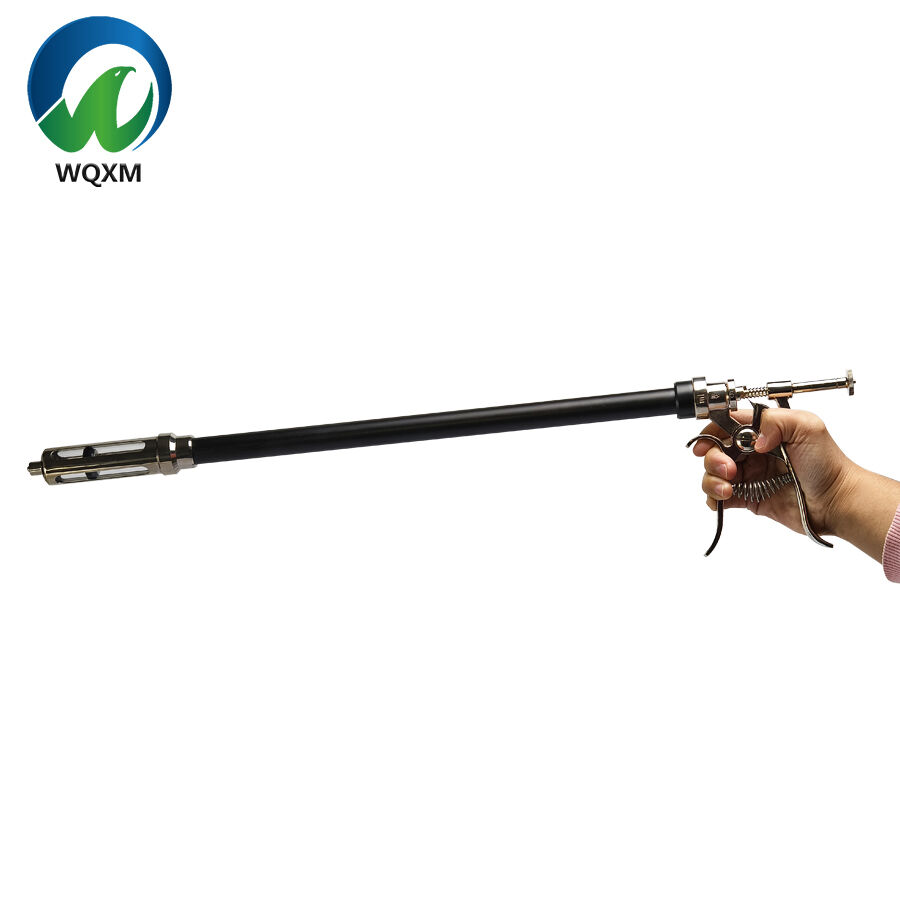
Operator fatigue during prolonged vaccination procedures represents a significant challenge in veterinary practice, directly impacting both professional comfort and treatment accuracy. The ergonomic design of a continuous syringe serves as the primary defense mechanism against repetitive strain injuries and muscular exhaustion that commonly affect veterinarians during mass vaccination campaigns or lengthy treatment sessions.
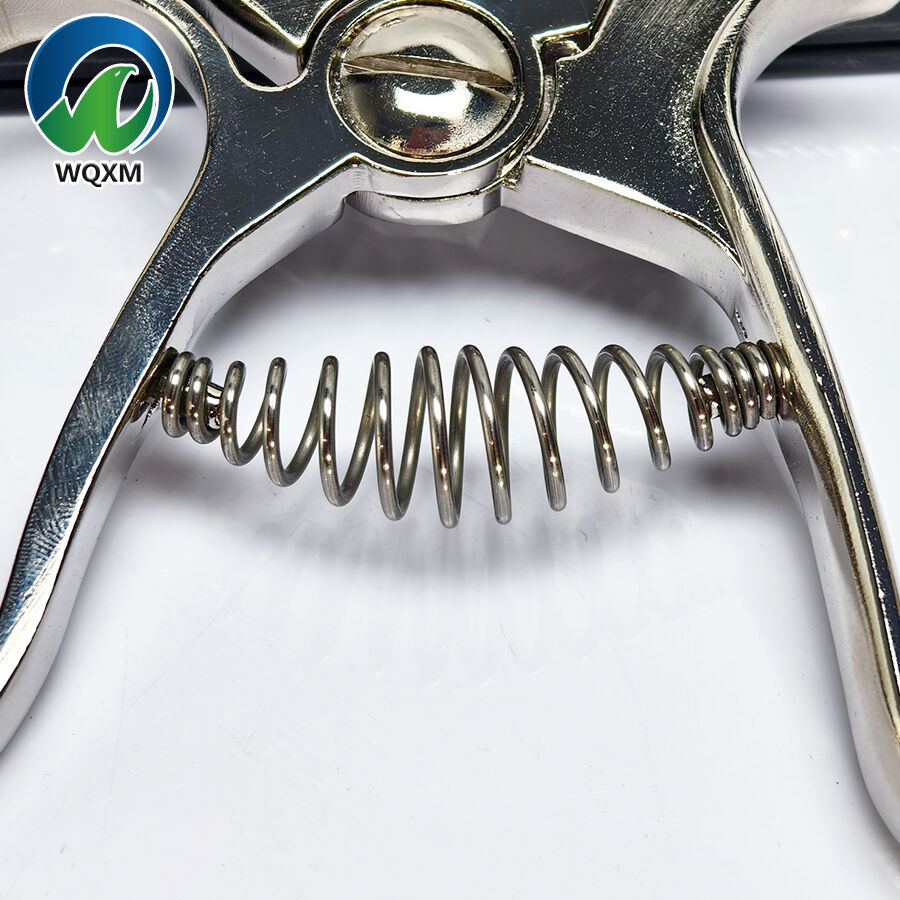
Understanding how ergonomic principles translate into fatigue prevention requires examining the biomechanical relationship between hand positioning, grip dynamics, and sustained muscle activation patterns. When a continuous syringe incorporates proper ergonomic features, it fundamentally alters the stress distribution across the operator's hand, wrist, and forearm, creating a sustainable working environment that maintains precision throughout extended procedures.
Grip Design and Hand Positioning Mechanics
Natural Grip Alignment
The ergonomic grip design of a continuous syringe prioritizes natural hand alignment to prevent unnatural wrist bending and finger hyperextension. Professional-grade continuous syringe models feature contoured grip surfaces that accommodate the natural curvature of the palm, allowing operators to maintain a neutral wrist position throughout vaccination procedures. This alignment prevents the development of carpal tunnel syndrome and reduces acute muscle tension in the flexor and extensor muscle groups.
Proper grip ergonomics also incorporate textured surfaces and finger indentations that provide secure hold without requiring excessive gripping force. The continuous syringe design distributes pressure evenly across multiple contact points, preventing concentrated stress on individual fingers or palm regions that typically lead to hotspots and discomfort during extended use.
Trigger Mechanism Optimization
The trigger mechanism represents the most critical ergonomic component in a continuous syringe, as it determines the force requirements and finger positioning for each injection. Advanced continuous syringe designs feature adjustable trigger sensitivity that allows operators to customize the activation force based on their hand strength and procedural requirements, significantly reducing the cumulative muscle fatigue associated with repetitive triggering motions.
Ergonomic trigger designs also consider the natural range of motion for index finger flexion, positioning the trigger within the optimal activation zone that minimizes finger strain. The continuous syringe trigger should require minimal displacement while providing tactile feedback that confirms successful activation, preventing operators from applying unnecessary force due to uncertainty about injection completion.
Weight Distribution and Balance Engineering
Center of Gravity Optimization
Strategic weight distribution in a continuous syringe prevents the development of wrist fatigue by positioning the center of gravity close to the grip point. This engineering principle reduces the torque forces that operators must counteract to maintain stable syringe positioning, particularly during overhead or angled injection procedures where gravitational forces create additional strain.
Balanced continuous syringe designs incorporate lightweight materials in non-critical components while maintaining structural integrity in stress-bearing elements. This selective material optimization creates a tool that feels substantial enough to provide control confidence while remaining light enough to prevent cumulative weight-related fatigue during extended vaccination sessions.
Dynamic Load Management
The continuous syringe design must account for the changing weight distribution as medication reservoirs empty during use. Ergonomic models feature compensation mechanisms that maintain consistent balance throughout the entire medication capacity range, preventing operators from unconsciously adjusting their grip or posture as the syringe weight changes during procedures.
Advanced continuous syringe systems also incorporate modular reservoir designs that allow for quick refilling without completely disrupting the established grip pattern, maintaining ergonomic consistency throughout extended vaccination sessions and preventing the fatigue associated with frequent grip readjustment.
Activation Force and Pressure Distribution
Force Reduction Technologies
Modern continuous syringe designs incorporate mechanical advantage systems that significantly reduce the force required for medication delivery. These systems utilize leverage principles and pneumatic assistance to minimize the muscular effort needed for each injection, preventing the accumulation of micro-trauma in the hand and forearm muscles that leads to chronic fatigue conditions.
The force reduction mechanisms in ergonomic continuous syringe models also provide consistent activation pressure regardless of medication viscosity or injection site resistance. This consistency prevents operators from unconsciously increasing grip tension in anticipation of difficult injections, maintaining relaxed muscle states that prevent premature fatigue onset.
Pressure Point Elimination
Ergonomic continuous syringe designs specifically address pressure point elimination through strategic padding placement and contour optimization. These features prevent concentrated pressure on sensitive areas such as the thenar eminence and finger joints, which are particularly susceptible to compression-related fatigue and circulatory restriction during prolonged use.
The pressure distribution system in a well-designed continuous syringe extends beyond the primary grip area to include thumb rest positioning and finger support surfaces. This comprehensive approach ensures that all contact points contribute to fatigue prevention rather than creating additional stress concentrations that compound operator discomfort.
Repetitive Motion Injury Prevention
Movement Pattern Optimization
The ergonomic design of a continuous syringe addresses repetitive motion injury prevention through careful analysis of the complete injection sequence. By optimizing the movement patterns required for medication preparation, injection execution, and syringe repositioning, ergonomic designs minimize the repetitive stress placed on specific muscle groups and joint structures.
Continuous syringe models that prioritize ergonomic movement patterns feature intuitive control placement that allows operators to perform all necessary functions without changing their basic grip position. This design philosophy prevents the development of awkward hand positions and reduces the frequency of grip adjustments that contribute to cumulative motion-related injuries.
Micro-Break Integration
Advanced continuous syringe designs incorporate features that naturally promote micro-breaks during vaccination procedures. These design elements include easy-refill mechanisms and comfortable rest positions that allow operators to momentarily relax their grip tension without compromising procedural efficiency or losing their position in the vaccination sequence.
The integration of micro-break opportunities within the continuous syringe workflow helps prevent the sustained muscle contractions that lead to fatigue accumulation. These brief relaxation periods allow for muscle recovery and circulatory restoration, significantly extending the duration that operators can maintain peak performance levels during demanding vaccination schedules.
Customization and Individual Adaptation
Adjustable Ergonomic Features
Recognition of individual anatomical differences drives the incorporation of adjustable ergonomic features in professional continuous syringe designs. These customization options include adjustable grip circumference, trigger reach modification, and thumb rest positioning that accommodate the natural variation in hand size and finger length among different operators.
The adjustability features in ergonomic continuous syringe models extend beyond basic dimensional modifications to include sensitivity adjustments and activation force customization. This comprehensive adaptability ensures that each operator can optimize their continuous syringe configuration to match their individual strength characteristics and comfort preferences, maximizing fatigue prevention effectiveness.
Long-term Comfort Maintenance
Sustainable ergonomic design in a continuous syringe considers the long-term comfort requirements that extend beyond initial setup optimization. This includes the use of materials that maintain their ergonomic properties through repeated sterilization cycles and extended use periods, ensuring that fatigue prevention benefits remain consistent throughout the operational life of the instrument.
The long-term comfort maintenance in continuous syringe design also incorporates wear pattern analysis and component replacement strategies that preserve ergonomic integrity. This approach prevents the gradual degradation of fatigue prevention features that can occur when grip surfaces wear smooth or adjustment mechanisms lose their precision over time.
FAQ
How quickly can ergonomic continuous syringe designs reduce operator fatigue?
Operators typically experience immediate comfort improvements when switching to an ergonomically designed continuous syringe, with measurable fatigue reduction occurring within the first 30 minutes of use. The most significant benefits develop over several days as operators adapt their technique to take full advantage of the ergonomic features, leading to cumulative fatigue reduction of up to 60% during extended vaccination sessions.
What specific hand conditions benefit most from ergonomic continuous syringe features?
Ergonomic continuous syringe designs provide the greatest benefit for operators experiencing early-stage carpal tunnel syndrome, trigger finger conditions, and general hand arthritis. The reduced grip force requirements and improved wrist alignment specifically address the mechanical factors that aggravate these conditions, often allowing affected operators to continue performing vaccination procedures comfortably when properly fitted ergonomic models are used.
Can ergonomic continuous syringe designs maintain precision during extended use?
Properly designed ergonomic continuous syringe models actually improve precision maintenance during extended procedures by preventing the hand tremor and grip instability associated with muscle fatigue. The reduced physical strain allows operators to maintain steady hand positioning and consistent injection pressure throughout lengthy vaccination sessions, resulting in more accurate dosing and improved treatment outcomes compared to conventional syringe designs.
How do ergonomic features affect continuous syringe maintenance and sterilization?
Modern ergonomic continuous syringe designs incorporate sterilization-compatible materials and simplified disassembly features that maintain ergonomic benefits without complicating maintenance procedures. The ergonomic components are typically designed to withstand standard autoclave cycles while retaining their grip texture and dimensional stability, ensuring that fatigue prevention benefits remain consistent throughout the operational life of the instrument.
Table of Contents
- Grip Design and Hand Positioning Mechanics
- Weight Distribution and Balance Engineering
- Activation Force and Pressure Distribution
- Repetitive Motion Injury Prevention
- Customization and Individual Adaptation
-
FAQ
- How quickly can ergonomic continuous syringe designs reduce operator fatigue?
- What specific hand conditions benefit most from ergonomic continuous syringe features?
- Can ergonomic continuous syringe designs maintain precision during extended use?
- How do ergonomic features affect continuous syringe maintenance and sterilization?