 EN
EN

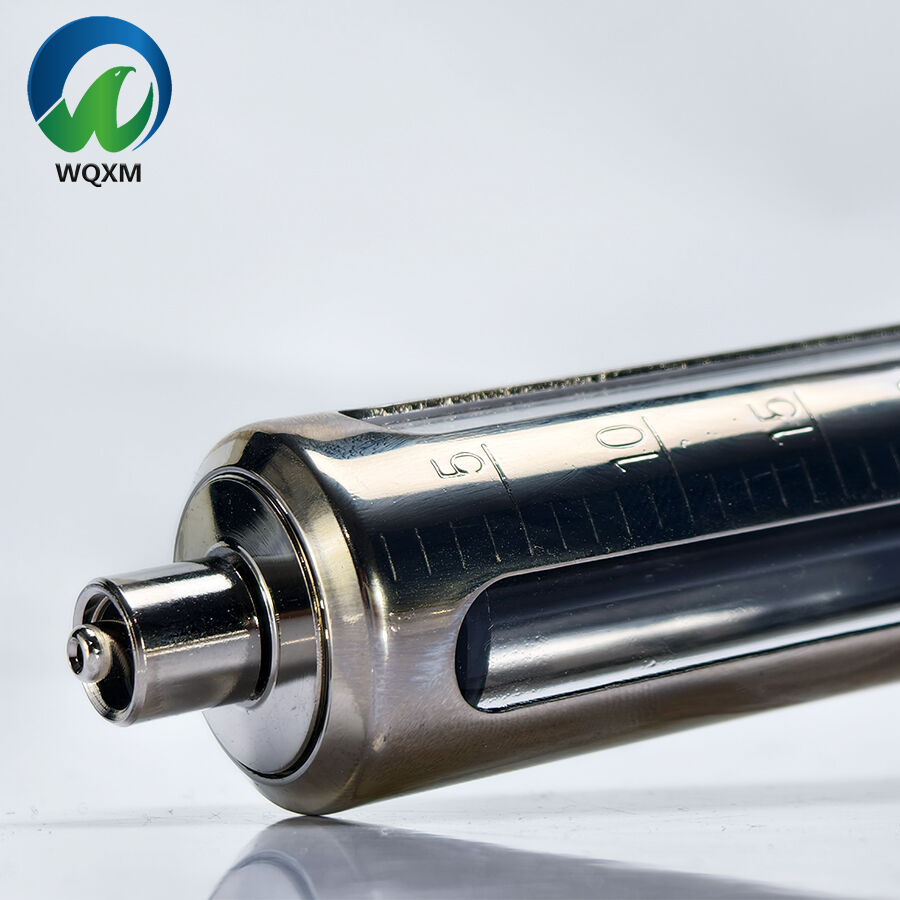
The precision of medication delivery in large-scale veterinary operations directly impacts animal health outcomes, treatment efficacy, and operational profitability. When administering vaccines, medications, or supplements to hundreds or thousands of animals, even minor dosing variations can compound into significant therapeutic failures or economic losses. The accuracy of a continuous syringe becomes the critical foundation upon which successful large-scale dosing programs are built, determining whether treatments achieve their intended biological effects consistently across entire populations.
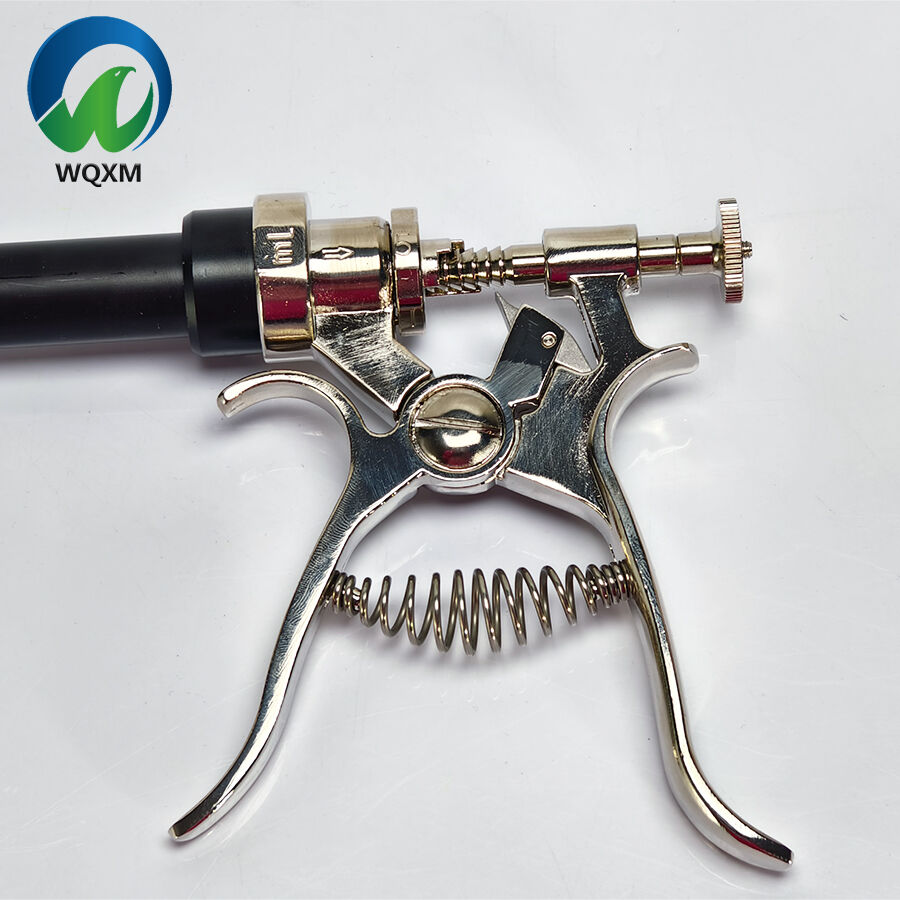
In commercial livestock operations, dairy farms, and poultry facilities, the stakes of dosing accuracy extend beyond individual animal welfare to encompass herd immunity, regulatory compliance, and financial sustainability. A continuous syringe that delivers inconsistent volumes can undermine vaccination protocols, create antibiotic resistance issues, and result in treatment failures that propagate throughout animal populations. Understanding why accuracy matters in these high-volume scenarios reveals the essential role that precision dosing equipment plays in modern agricultural and veterinary practice.
The Mathematical Reality of Dosing Variations in Large Populations
Cumulative Impact of Small Inaccuracies
When a continuous syringe exhibits even minimal dosing variations, these discrepancies amplify dramatically across large animal populations. A syringe with a 5% accuracy deviation might seem negligible for individual treatments, but when applied to 1,000 animals, this translates to significant under-dosing or over-dosing scenarios. For instance, if each animal requires 2ml of vaccine and the continuous syringe consistently delivers 1.9ml due to calibration drift, 500 animals in the herd receive subtherapeutic doses that may not provide adequate immune protection.
The statistical distribution of these dosing errors creates a bell curve of therapeutic outcomes within the treated population. Animals receiving insufficient doses remain vulnerable to disease challenges, while those receiving excessive doses may experience adverse reactions or unnecessary stress responses. This variability undermines the predictable efficacy that large-scale operations require for consistent herd health management and economic planning.
Research in veterinary pharmacology demonstrates that therapeutic windows for many medications and vaccines are narrower than commonly assumed. A continuous syringe delivering inconsistent volumes can push significant portions of treated animals outside these optimal ranges, creating pockets of treatment failure that compromise overall program effectiveness and potentially necessitate costly re-treatment protocols.
Economic Multiplication of Inaccuracy Costs
The financial implications of dosing inaccuracy compound rapidly in large-scale operations where medication costs, labor expenses, and production losses intersect. When a continuous syringe over-delivers medication consistently, the excess drug usage translates directly to increased input costs that multiply across thousands of treatments. Conversely, under-dosing scenarios often prove more expensive in the long term, as treatment failures necessitate additional veterinary interventions, extended treatment periods, and potential production losses.
Labor efficiency also suffers when dosing accuracy becomes unreliable. Workers must spend additional time monitoring for signs of treatment failure, re-treating animals that received insufficient doses, or managing adverse reactions from over-dosing incidents. These operational disruptions reduce the throughput advantages that continuous syringe systems are designed to provide in high-volume scenarios.
Insurance and liability considerations add another layer of financial risk when dosing accuracy fails to meet veterinary standards. Treatment failures attributed to equipment inaccuracy can result in coverage disputes, while regulatory violations stemming from improper medication administration may trigger fines and operational restrictions that far exceed the cost of precision dosing equipment.
Biological Consequences of Dosing Inconsistency
Immune Response Variability and Herd Protection
Vaccination programs in large-scale operations rely on achieving consistent immune responses across animal populations to establish effective herd immunity. When a continuous syringe delivers variable vaccine doses, the resulting immune responses create a patchwork of protection levels that can leave entire herds vulnerable to disease outbreaks. Animals receiving suboptimal vaccine doses may develop insufficient antibody titers, creating susceptible individuals within otherwise protected populations.
The concept of herd immunity depends on achieving vaccination coverage rates typically exceeding 80-90% of the population, but this threshold assumes that vaccinated animals actually receive effective doses. A continuous syringe with poor accuracy can reduce actual immunity rates well below calculated coverage rates, creating dangerous gaps in population protection that facilitate disease transmission and outbreak scenarios.
Maternal antibody interference and individual immune system variations already create natural variations in vaccine responses. Adding equipment-induced dosing variability compounds these biological variables, making it nearly impossible to predict or achieve consistent protection levels across treated populations. This uncertainty undermines the foundational assumptions of population health management strategies.
Antibiotic Resistance and Treatment Efficacy
The emergence of antibiotic-resistant bacterial strains represents one of the most serious consequences of inaccurate dosing in large-scale operations. When a continuous syringe consistently under-delivers antibiotic medications, treated animals receive subtherapeutic drug concentrations that create ideal conditions for resistance development. Bacteria exposed to insufficient antibiotic levels can develop adaptive mechanisms while continuing to multiply, leading to treatment-resistant infections that spread throughout animal populations.
Pharmacokinetic principles governing antibiotic efficacy require precise dose-to-body-weight ratios to achieve minimum inhibitory concentrations in target tissues. Even small deviations from prescribed doses can push drug levels below therapeutic thresholds, allowing pathogenic bacteria to survive treatment while developing resistance mechanisms. These resistant strains then become endemic within operations, making future treatments increasingly difficult and expensive.
The time-dependent and concentration-dependent killing characteristics of different antibiotic classes mean that dosing accuracy affects not only immediate treatment outcomes but also the long-term antimicrobial management strategies available to producers. Operations that experience repeated treatment failures due to inaccurate dosing often face restricted therapeutic options and increased regulatory scrutiny regarding antimicrobial stewardship.
Operational Efficiency and Workflow Optimization
Throughput Consistency in High-Volume Processing
Large-scale dosing operations require predictable workflow rhythms to maintain efficient animal processing rates and labor utilization. A continuous syringe that delivers accurate, consistent doses enables operators to develop standardized handling protocols that maximize throughput while minimizing animal stress and worker fatigue. When dosing accuracy becomes unreliable, these optimized workflows break down as operators must adjust techniques, verify doses, or repeat treatments.
The mechanical reliability of continuous syringe systems directly correlates with their dosing precision, as accurate mechanisms typically exhibit fewer maintenance issues and longer operational intervals between calibration requirements. This reliability translates to reduced downtime during critical processing periods when hundreds of animals await treatment and scheduling delays can cascade through entire production systems.
Worker confidence in equipment accuracy also affects operational efficiency in subtle but significant ways. Operators using precise continuous syringe systems can focus on animal handling and safety protocols rather than constantly questioning whether the equipment is functioning correctly. This mental bandwidth allows for better overall attention to animal welfare and processing quality indicators.
Quality Assurance and Record Keeping
Regulatory compliance in commercial animal operations requires detailed documentation of medication administration, including precise dose amounts, timing, and withdrawal periods. Accurate continuous syringe systems provide the foundation for reliable record-keeping by ensuring that documented doses actually reflect the amounts administered to animals. This accuracy becomes critical during regulatory inspections, food safety audits, and veterinary oversight reviews.
Traceability requirements for animal products often depend on accurate treatment records that can be correlated with individual animals or production groups. When continuous syringe accuracy becomes questionable, the entire chain of documentation credibility suffers, potentially affecting market access and premium pricing opportunities for producers who participate in verified production programs.
Quality management systems in modern agricultural operations integrate dosing accuracy data with performance metrics, health outcomes, and production efficiency indicators. Reliable continuous syringe performance provides the data integrity necessary for evidence-based management decisions and continuous improvement initiatives that drive operational optimization.
Risk Management and Regulatory Compliance
Food Safety and Withdrawal Period Accuracy
The accuracy of medication dosing directly affects drug withdrawal calculations that determine when treated animals can safely enter the food supply. When a continuous syringe over-delivers medications, the actual drug concentrations in animal tissues may exceed regulatory limits for longer periods than calculated withdrawal times suggest. This discrepancy can result in food safety violations, product recalls, and regulatory enforcement actions that damage producer reputations and market access.
Pharmacokinetic modeling used to establish withdrawal periods assumes accurate dosing at prescribed levels. Variations introduced by imprecise continuous syringe systems invalidate these calculations, creating uncertainty about when treated animals can safely be processed for human consumption. Conservative producers may extend withdrawal periods to account for dosing uncertainty, reducing operational efficiency and increasing production costs.
Residue testing programs conducted by regulatory agencies and processors assume that documented dose amounts accurately reflect actual administration levels. When continuous syringe inaccuracy creates discrepancies between recorded and actual doses, producers face increased risk of unexpected positive residue results that can trigger investigations, facility shutdowns, and long-term market access restrictions.
Veterinary Oversight and Professional Liability
Veterinarians prescribing treatment protocols for large-scale operations base their recommendations on the assumption that prescribed doses will be accurately delivered to animals. When continuous syringe systems fail to meet accuracy standards, treatment outcomes may not align with professional expectations, creating potential liability issues for both veterinarians and producers. This misalignment can strain veterinary-client relationships and complicate ongoing health management partnerships.
Professional veterinary standards require that medication administration equipment meet specified accuracy tolerances to ensure predictable therapeutic outcomes. Continuous syringe systems that fail to meet these standards may violate professional guidelines and expose operations to regulatory scrutiny regarding their adherence to veterinary oversight requirements.
The documentation requirements for veterinary-supervised treatment programs often include equipment calibration records and accuracy verification data. Continuous syringe systems that cannot provide reliable accuracy documentation may disqualify operations from certain market programs or veterinary health certification schemes that require verified precision in medication administration.
FAQ
How often should a continuous syringe be calibrated for large-scale operations?
Continuous syringe systems used in large-scale dosing should be calibrated at the beginning of each major treatment session and rechecked every 100-200 administrations to ensure consistent accuracy. High-volume operations may require daily calibration verification, particularly when using multiple medication types or working with temperature-sensitive formulations that can affect syringe performance. Many facilities establish calibration protocols that include both visual verification using graduated containers and documentation of accuracy measurements for regulatory compliance purposes.
What accuracy tolerance is acceptable for continuous syringes in commercial operations?
Professional veterinary guidelines typically require continuous syringe accuracy within ±5% of the intended dose for routine applications, though more stringent ±2% tolerances may be necessary for critical medications, vaccines with narrow therapeutic windows, or operations subject to enhanced regulatory oversight. The acceptable tolerance also depends on the specific medication being administered, with antibiotics and hormones often requiring tighter accuracy standards than nutritional supplements or routine preventive treatments.
Can environmental conditions affect continuous syringe accuracy during large-scale dosing?
Temperature fluctuations, humidity levels, and dust exposure can significantly impact continuous syringe performance during extended dosing sessions. Cold temperatures may cause medication viscosity changes that affect delivery accuracy, while hot conditions can create air bubbles or cause expansion of syringe components. Dust and debris common in agricultural environments can interfere with precision mechanisms, making regular cleaning and environmental protection measures essential for maintaining accuracy in field conditions.
What are the warning signs that a continuous syringe is losing accuracy?
Early indicators of declining continuous syringe accuracy include inconsistent medication usage rates compared to animal counts, unexpected treatment failures despite proper protocols, visible air bubbles or inconsistent flow patterns during administration, and mechanical resistance or irregular operation during dosing cycles. Operators should also watch for animals showing varied responses to standardized treatments, as this may indicate dosing variability. Regular calibration checks using graduated measurement containers can detect accuracy drift before it affects treatment outcomes.
Table of Contents
- The Mathematical Reality of Dosing Variations in Large Populations
- Biological Consequences of Dosing Inconsistency
- Operational Efficiency and Workflow Optimization
- Risk Management and Regulatory Compliance
-
FAQ
- How often should a continuous syringe be calibrated for large-scale operations?
- What accuracy tolerance is acceptable for continuous syringes in commercial operations?
- Can environmental conditions affect continuous syringe accuracy during large-scale dosing?
- What are the warning signs that a continuous syringe is losing accuracy?