 EN
EN

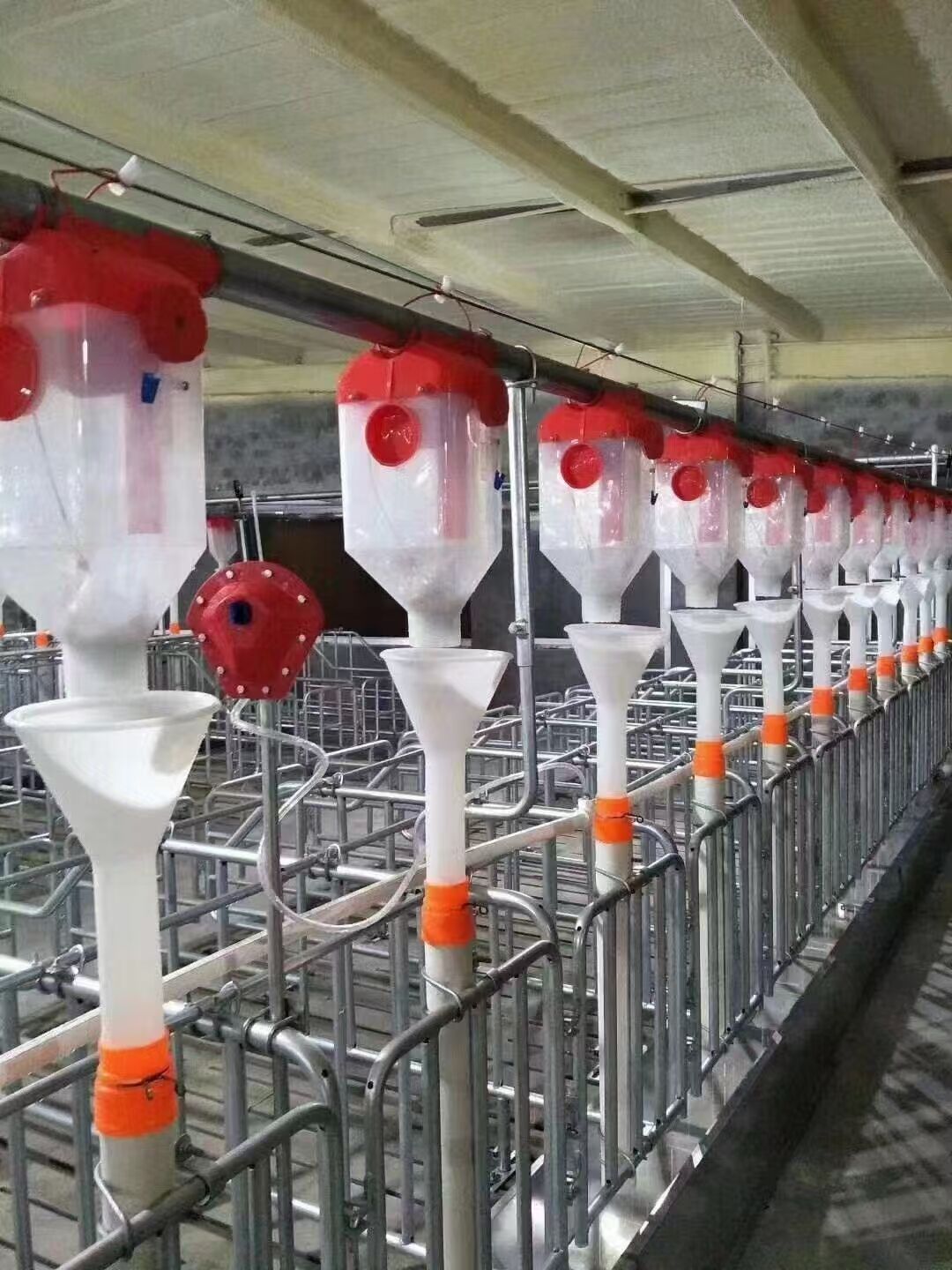
Modern poultry operations face increasing pressure to maximize production efficiency while maintaining optimal bird welfare standards. The strategic use of floor space has become a critical factor in determining the economic viability of commercial poultry houses. A flat feeding drinking line represents an innovative approach to space optimization, fundamentally changing how producers design and utilize their facility layouts. This integrated feeding and watering system eliminates the need for separate equipment installations, creating a streamlined solution that directly addresses the spatial constraints common in intensive poultry production environments.
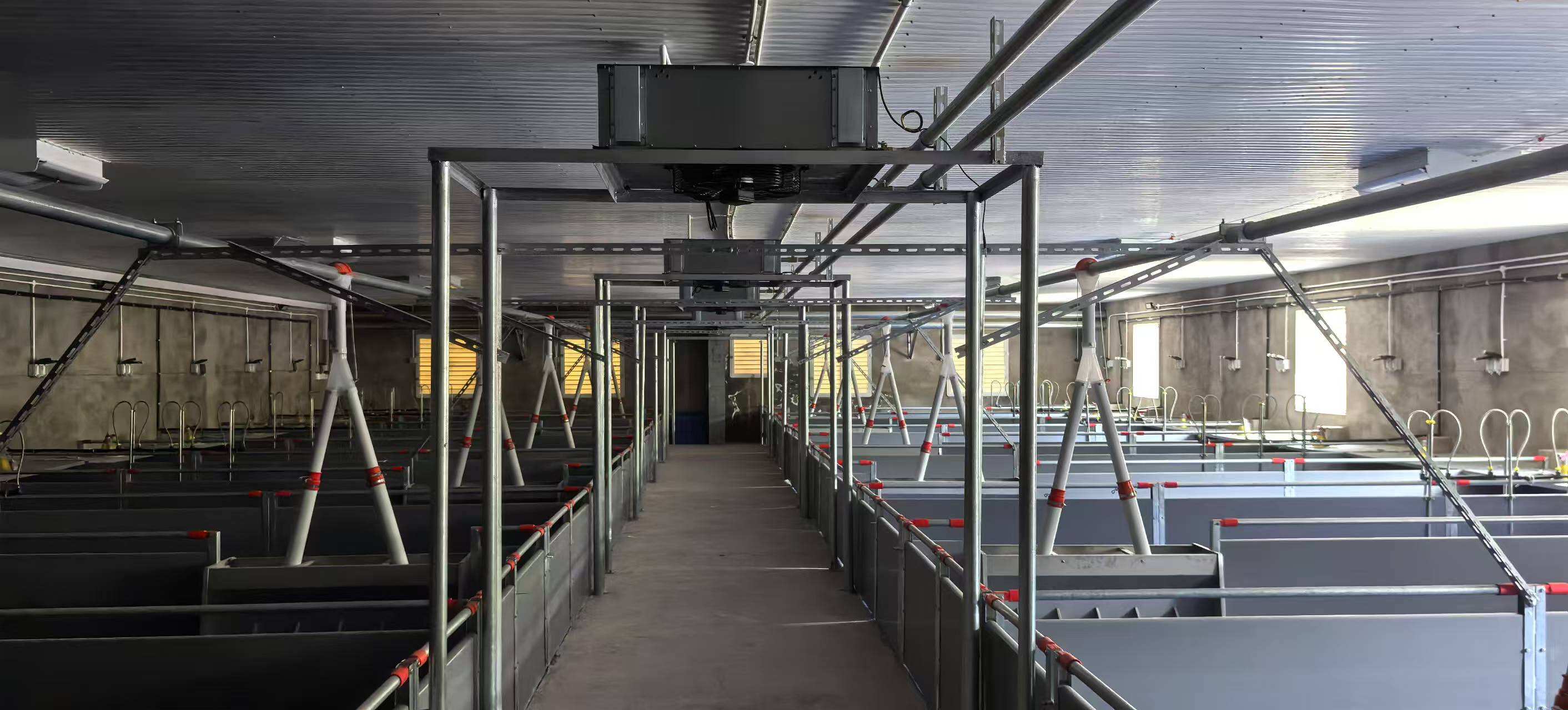
The optimization mechanism of a flat feeding drinking line operates through several interconnected design principles that collectively reduce the physical footprint required for essential bird management systems. Unlike traditional setups where feeding and watering equipment occupy separate floor areas, this integrated approach consolidates both functions into a single linear installation. The system typically runs along predetermined pathways within the house, creating efficient access corridors while preserving maximum open space for bird movement and resting areas. This configuration directly translates to higher stocking densities and improved space utilization ratios.
Spatial Integration Mechanisms of Flat Feeding Drinking Systems
Dual-Function Equipment Consolidation
The primary mechanism through which a flat feeding drinking line optimizes floor space involves the consolidation of traditionally separate feeding and watering systems into a single integrated unit. Traditional poultry house setups require distinct installations for feed distribution and water access, each occupying its own floor area and requiring specific clearance zones for bird access and maintenance activities. The flat feeding drinking line eliminates this redundancy by incorporating both functions within a unified linear system that occupies significantly less total floor area than separate installations would require.
This consolidation operates through carefully engineered spacing protocols that position feeding points and drinking nipples at optimal intervals along the same structural framework. The system maintains proper access distances for birds while reducing the overall equipment footprint by approximately thirty to forty percent compared to separate feeding and watering systems. The integrated design also eliminates the need for duplicate support structures, further reducing the physical presence of equipment within the house interior.
Linear Layout Optimization Principles
The linear configuration of a flat feeding drinking line creates natural traffic patterns that optimize bird movement and reduce congestion in high-use areas. The system establishes clear pathways that birds naturally follow for feeding and drinking activities, preventing the random clustering and inefficient space usage common with point-source feeding and watering systems. This organized flow pattern allows producers to predict and plan for bird behavior, enabling more precise calculation of required floor space per bird.
The linear arrangement also facilitates more efficient house geometry utilization, as the flat feeding drinking line can be positioned to complement the natural rectangular layout of most poultry houses. This alignment maximizes the usable floor area by minimizing dead spaces and awkward corners that typically occur with circular or point-based equipment arrangements. The result is a more uniform distribution of available space and improved overall facility efficiency.
Physical Footprint Reduction Strategies
Vertical Space Utilization
A flat feeding drinking line optimizes floor space by strategically utilizing vertical dimensions that would otherwise remain unused in traditional feeding and watering setups. The system incorporates elevated components for feed storage and distribution mechanisms, moving these elements above the primary bird activity zone while maintaining easy access for both birds and maintenance personnel. This vertical integration reduces the horizontal footprint required for support equipment and auxiliary systems.
The vertical design approach also allows for better integration with existing house infrastructure, such as ventilation systems and lighting arrangements. By positioning feed storage and distribution components at appropriate heights, the flat feeding drinking line avoids conflicts with overhead systems while creating more open floor space below. This three-dimensional approach to space utilization represents a significant improvement over traditional ground-based feeding and watering systems that compete directly with birds for floor area.
Perimeter Utilization Enhancement
The installation pattern of a flat feeding drinking line maximizes the utilization of house perimeter areas that are often underutilized in conventional setups. The system can be positioned along walls and structural elements where traditional feeding and watering equipment would be less accessible or efficient. This perimeter placement strategy frees up central floor areas for bird movement and resting while maintaining optimal access to feed and water resources.
Perimeter positioning also facilitates more efficient maintenance access, as technicians can service the flat feeding drinking line from outside pathways without disturbing birds in central areas. This arrangement reduces the need for internal maintenance corridors and access zones that would otherwise consume valuable floor space. The system design accommodates corner installations and complex house geometries, ensuring that every available square meter contributes to productive bird housing rather than equipment accommodation.
Operational Efficiency and Space Management
Stocking Density Optimization
The space savings achieved through flat feeding drinking line implementation directly translate to increased stocking density possibilities without compromising bird welfare or performance standards. The reduced equipment footprint allows producers to house more birds per square meter while maintaining adequate access to feed and water resources. This optimization occurs through precise calculation of the space requirements for feeding and drinking activities versus the space saved through equipment consolidation.
The system enables more accurate space allocation planning, as the predictable linear layout of the flat feeding drinking line provides consistent reference points for determining optimal bird density. Producers can calculate exact space savings and adjust stocking rates accordingly, ensuring that the additional birds housed per square meter do not exceed the facility's capacity to provide adequate environmental conditions and resource access. This precision in space management contributes to improved economic returns while maintaining production standards.
Movement Pattern Efficiency
A flat feeding drinking line creates more efficient bird movement patterns that indirectly optimize space utilization by reducing congestion and improving traffic flow throughout the house. The linear arrangement establishes natural pathways that birds follow for feeding and drinking, preventing the bottlenecks and overcrowding common with centralized or randomly distributed feeding and watering points. This improved flow reduces the effective space required per bird for comfortable movement and access to resources.
The predictable movement patterns generated by the flat feeding drinking line also allow for better coordination with other management activities, such as cleaning, inspection, and health monitoring. Producers can plan these activities around established bird traffic patterns, reducing disruption and maintaining efficient space utilization throughout the production cycle. The system's influence on bird behavior contributes to overall space optimization by creating more organized and predictable use of available floor area.
Installation and Layout Considerations
House Geometry Integration
The installation of a flat feeding drinking line requires careful consideration of existing house geometry to maximize space optimization benefits. The system works most effectively in rectangular or elongated house designs where the linear layout can be aligned with the natural building dimensions. This alignment ensures that the flat feeding drinking line complements rather than conflicts with the overall space utilization strategy for the facility.
Proper integration with house geometry also involves coordination with structural elements such as support columns, ventilation systems, and access doors. The flat feeding drinking line installation must account for these fixed elements while maintaining optimal spacing and accessibility. When properly planned, the system can actually enhance the functionality of existing structural elements by providing additional support points and creating more organized internal layouts.
Maintenance Access Optimization
The design of a flat feeding drinking line incorporates maintenance access considerations that further optimize space utilization by eliminating the need for dedicated service corridors and equipment access zones. The system allows for maintenance activities to be conducted from predetermined access points that do not interfere with bird housing areas. This approach maximizes the percentage of floor space dedicated to production while ensuring that maintenance requirements are met efficiently.
The maintenance-friendly design of the flat feeding drinking line also reduces downtime and service interruptions that could affect space utilization efficiency. Quick-access components and standardized service procedures minimize the time and space required for routine maintenance activities. This operational efficiency contributes to consistent space optimization throughout the production cycle, as maintenance activities do not require temporary relocation of birds or significant disruption of normal space usage patterns.
Economic Impact of Space Optimization
Capital Investment Efficiency
The space optimization achieved through flat feeding drinking line implementation provides direct economic benefits by reducing the building area required per bird housed. This reduction in space requirements translates to lower construction costs for new facilities and improved return on investment for existing buildings. Producers can achieve higher production capacity within existing structures or build smaller facilities for equivalent production targets.
The capital efficiency of the flat feeding drinking line extends beyond building costs to include reduced requirements for heating, cooling, and ventilation systems. Smaller building volumes require less environmental control capacity, resulting in lower equipment costs and reduced ongoing operational expenses. The space optimization benefits create compounding economic advantages that improve the overall profitability of poultry operations.
Operational Cost Reduction
The improved space utilization achieved through flat feeding drinking line installation reduces several categories of operational costs that are directly related to facility size and complexity. Heating and cooling costs decrease proportionally with the reduced space requirements, as less air volume needs to be conditioned to maintain optimal environmental conditions. The system's efficient design also reduces energy costs associated with feed distribution and water delivery systems.
Labor efficiency improvements represent another significant operational cost benefit of the space optimization provided by flat feeding drinking line systems. The streamlined layout reduces the time required for routine management activities such as monitoring, cleaning, and bird health assessments. Workers can cover more birds per hour due to the organized layout and predictable access patterns created by the system installation.
FAQ
How much floor space can be saved by installing a flat feeding drinking line system?
A properly designed flat feeding drinking line typically reduces equipment footprint by 30-40% compared to separate feeding and watering systems. This translates to approximately 0.8-1.2 square meters of additional usable floor space per 100 birds housed, depending on house layout and equipment configuration. The exact space savings depend on the original system design and the specific flat feeding drinking line model selected.
Can existing poultry houses be retrofitted with flat feeding drinking line systems for space optimization?
Most existing poultry houses can be successfully retrofitted with flat feeding drinking line systems, though the degree of space optimization achieved may vary based on current infrastructure. Retrofit installations typically achieve 20-35% space savings compared to new installations that can be designed specifically for the system. Professional assessment of existing structures is recommended to determine optimal placement and expected space optimization benefits.
Does the space optimization from flat feeding drinking lines affect bird welfare or performance?
When properly implemented, flat feeding drinking line systems maintain or improve bird welfare standards while optimizing space utilization. The system provides consistent access to feed and water resources while creating more organized movement patterns that reduce stress and competition. Studies indicate that birds housed with flat feeding drinking line systems show comparable or improved performance metrics compared to traditional separate feeding and watering setups.
What maintenance requirements should be considered when optimizing space with flat feeding drinking line systems?
Flat feeding drinking line systems require regular cleaning and inspection protocols that are designed to minimize disruption to the optimized space utilization. Maintenance activities typically require 10-15% less time and space compared to separate system maintenance due to the integrated design. Scheduled maintenance can be performed without significant bird relocation, preserving the space optimization benefits throughout the production cycle.
Table of Contents
- Spatial Integration Mechanisms of Flat Feeding Drinking Systems
- Physical Footprint Reduction Strategies
- Operational Efficiency and Space Management
- Installation and Layout Considerations
- Economic Impact of Space Optimization
-
FAQ
- How much floor space can be saved by installing a flat feeding drinking line system?
- Can existing poultry houses be retrofitted with flat feeding drinking line systems for space optimization?
- Does the space optimization from flat feeding drinking lines affect bird welfare or performance?
- What maintenance requirements should be considered when optimizing space with flat feeding drinking line systems?