 EN
EN

Water contamination in livestock drinking systems poses significant threats to animal health, productivity, and farm profitability. Traditional watering methods often expose water sources to bacterial growth, algae formation, and external contaminants that can lead to disease outbreaks and reduced feed conversion efficiency. Understanding how an automatic animal drinking bowl addresses these contamination risks is essential for modern livestock management strategies.
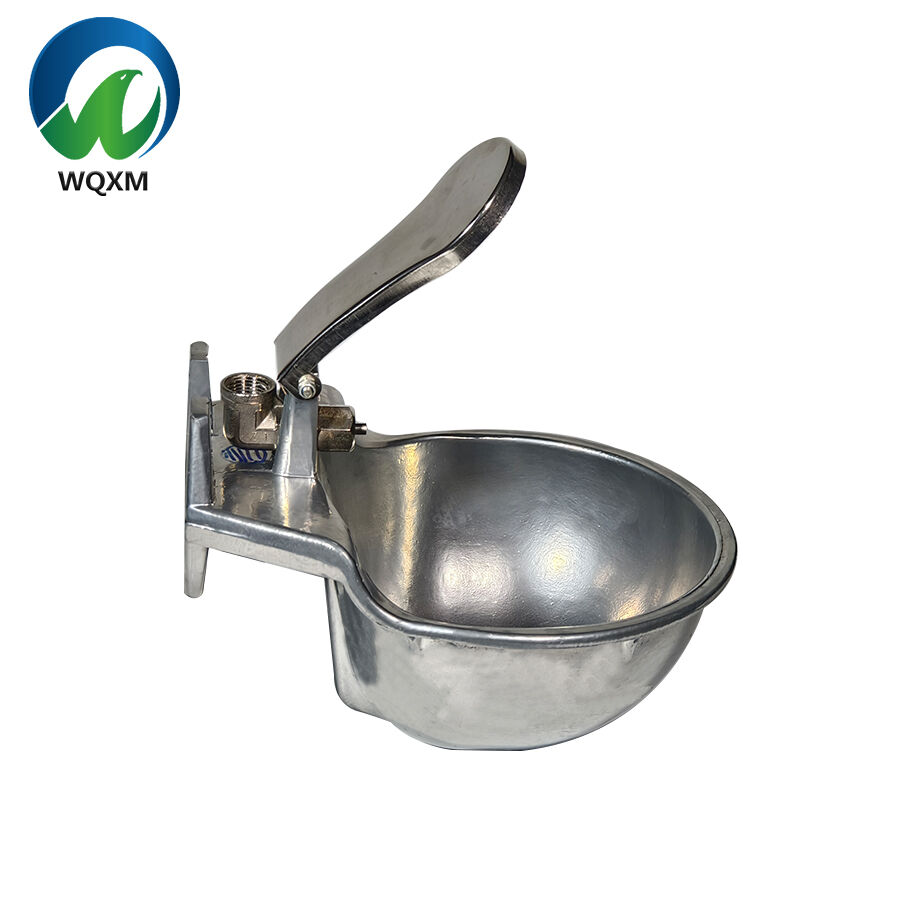
Automatic animal drinking bowl systems incorporate sophisticated mechanisms that maintain water quality through continuous flow control, sealed storage, and contamination prevention features. These systems eliminate stagnant water conditions while providing fresh water access on demand, creating an environment where harmful microorganisms cannot establish colonies. The engineering behind these bowls addresses multiple contamination pathways simultaneously, ensuring consistent water quality for optimal animal health outcomes.
Water Flow Control Mechanisms
Continuous Fresh Water Supply
The primary contamination prevention mechanism in an automatic animal drinking bowl operates through continuous water circulation and replacement. Unlike static water containers, these systems maintain constant flow patterns that prevent water from remaining stagnant for extended periods. Fresh water enters the bowl through controlled valves, while overflow mechanisms ensure that any water approaching contamination risk is automatically replaced with clean supply.
Flow control valves respond to water level changes, activating when animals drink and deactivating when optimal levels are restored. This dynamic system prevents the accumulation of organic matter, saliva residues, and external debris that commonly contaminate traditional watering systems. The constant turnover rate ensures that even if contamination occurs, its concentration remains below harmful thresholds through dilution and replacement.
Modern animal drinking bowl designs incorporate pressure-sensitive mechanisms that adjust flow rates based on consumption patterns. During peak drinking periods, increased flow rates accelerate water turnover, while reduced consumption triggers maintenance flows that prevent complete stagnation. This adaptive approach optimizes both water conservation and contamination prevention across varying operational conditions.
Pressure-Activated Cleaning Cycles
Advanced automatic animal drinking bowl systems integrate self-cleaning protocols activated by water pressure changes and consumption patterns. These cycles utilize increased flow velocities to remove biofilm formation, sediment accumulation, and organic deposits that could harbor bacterial growth. The cleaning mechanism operates without chemical additives, relying on hydraulic forces to maintain bowl cleanliness.
Pressure-activated cleaning occurs during specific intervals when animal activity is minimal, ensuring uninterrupted water access while maintaining system hygiene. High-velocity water flows scour internal surfaces, dislodging potential contamination sources before they can establish permanent colonies. This mechanical cleaning approach proves more reliable than chemical treatments, which may leave residues affecting water taste or animal consumption patterns.
The timing of these cleaning cycles is calibrated to animal behavior patterns, typically occurring during rest periods when water demand is lowest. This scheduling ensures maximum cleaning effectiveness while maintaining consistent water availability during peak consumption times. The automated nature eliminates human error factors that could compromise cleaning protocol effectiveness in manual systems.
Physical Contamination Barriers
Sealed Water Delivery Systems
Automatic animal drinking bowl designs incorporate sealed delivery systems that prevent external contamination from entering the water supply chain. These closed-loop systems maintain water quality from storage tanks through distribution lines to the drinking point, eliminating exposure to environmental contaminants during transport. Sealed connections prevent insects, debris, and airborne pathogens from accessing the water supply.
The sealing mechanisms extend beyond simple covers to include positive pressure systems that prevent backflow contamination. When animals drink, the system maintains forward pressure that prevents saliva, feed particles, or external matter from entering the supply lines. This uni-directional flow design creates physical barriers that protect the entire water distribution network from point-source contamination.
High-quality sealing materials resist degradation from environmental factors, UV exposure, and chemical cleaning agents used in farm sanitation protocols. The durability of these seals ensures long-term contamination prevention without requiring frequent maintenance or replacement. Properly sealed animal drinking bowl systems maintain their protective capabilities across multiple seasons and varying weather conditions.
Anti-Backflow Design Features
Sophisticated anti-backflow mechanisms in automatic animal drinking bowl systems prevent contaminated water or foreign substances from entering the clean water supply. These features utilize check valves, vacuum breakers, and pressure differential controls to maintain uni-directional flow patterns. When animals drink, the system prevents any consumed material from returning to the water source through mechanical or hydraulic barriers.
The engineering of anti-backflow systems considers various contamination scenarios, including feed particle introduction, saliva backflow, and external debris infiltration. Multiple redundant mechanisms ensure that if one barrier fails, secondary systems maintain water supply integrity. This layered protection approach significantly reduces contamination risks compared to simple gravity-fed watering systems.
Backflow prevention mechanisms operate automatically without requiring animal training or behavioral modification. The transparent operation ensures that animals receive clean water without adaptation periods or consumption hesitation. This seamless integration maintains natural drinking behaviors while providing superior contamination protection compared to traditional watering methods.
Microbial Growth Prevention
Biofilm Disruption Strategies
Automatic animal drinking bowl systems employ specific design features that disrupt biofilm formation, a primary source of microbial contamination in static water systems. Smooth, non-porous surfaces combined with continuous water movement prevent bacteria from establishing the stable colonies necessary for biofilm development. The materials used in quality animal drinking bowl construction resist bacterial adhesion and facilitate easy cleaning.
Regular water turnover disrupts the establishment of bacterial communities before they can form protective biofilm matrices. The constant flow creates shear forces that prevent initial bacterial attachment and remove any organisms that begin colonization processes. This mechanical disruption proves more effective than chemical treatments, which may create resistant bacterial strains over time.
Surface treatments on modern animal drinking bowl systems include antimicrobial properties that inhibit bacterial growth without affecting water quality or animal health. These treatments work in conjunction with flow-based disruption mechanisms to create multiple barriers against biofilm formation. The combination approach ensures comprehensive protection against microbial contamination across various environmental conditions.
Temperature and pH Management
Automatic animal drinking bowl systems help maintain water temperature and pH levels that discourage microbial growth while supporting animal health requirements. Continuous water flow prevents temperature stratification that can create favorable conditions for bacterial proliferation. Fresh water input maintains consistent temperature ranges that align with animal preferences while inhibiting pathogen development.
The pH stability in flowing water systems reduces the risk of conditions that favor harmful microorganism growth. Static water systems often experience pH fluctuations due to organic matter decomposition and bacterial activity, creating environments conducive to pathogen development. Automatic systems maintain more consistent pH levels through continuous water replacement and reduced organic matter accumulation.
Water temperature control in automatic animal drinking bowl systems prevents both freezing conditions that restrict access and warm conditions that accelerate bacterial growth. Insulated delivery lines and bowl designs maintain optimal temperature ranges across seasonal variations. This temperature management contributes to both water quality preservation and consistent animal consumption patterns.
Maintenance and System Integrity
Self-Monitoring Capabilities
Advanced automatic animal drinking bowl systems incorporate monitoring technologies that detect potential contamination risks and system malfunctions before they compromise water quality. Flow sensors identify unusual consumption patterns that may indicate contamination issues, while pressure monitors detect blockages or seal failures that could allow contaminant entry. These monitoring systems provide early warning capabilities that enable proactive maintenance responses.
Water quality sensors in sophisticated systems monitor parameters such as turbidity, dissolved oxygen levels, and bacterial indicators that signal contamination development. Automated alerts notify farm managers when water quality parameters exceed acceptable ranges, enabling immediate corrective action. This real-time monitoring capability prevents minor contamination issues from developing into serious animal health threats.
The data collection capabilities of modern animal drinking bowl systems support trend analysis and predictive maintenance scheduling. Historical water quality and consumption data help identify patterns that precede contamination events, enabling preventive interventions. This analytical approach optimizes system performance while minimizing contamination risks through evidence-based management strategies.
Component Durability and Replacement Protocols
The long-term contamination prevention effectiveness of automatic animal drinking bowl systems depends on component durability and systematic replacement protocols. High-quality materials resist wear, corrosion, and degradation that could create contamination pathways or reduce system effectiveness. Stainless steel components, for example, maintain their contamination resistance properties across extended operational periods without requiring frequent replacement.
Replacement protocols for consumable components such as seals, filters, and valve assemblies ensure continued contamination prevention performance. Scheduled maintenance programs address wear patterns before they compromise system integrity. The modular design of quality systems enables component replacement without disrupting water access or requiring complete system shutdowns.
Component standardization across animal drinking bowl systems simplifies maintenance logistics and ensures consistent contamination prevention performance. Interchangeable parts reduce inventory requirements while maintaining system reliability. This standardization approach supports cost-effective maintenance programs that sustain long-term water quality protection without compromising operational efficiency.
FAQ
How often does water completely turnover in an automatic animal drinking bowl?
Water turnover rates in automatic animal drinking bowl systems typically range from 4-8 complete changes per day, depending on animal consumption patterns and system design. High-traffic installations may experience turnover rates exceeding 10 cycles daily, while systems serving smaller animal groups maintain minimum turnover rates of 2-3 cycles to prevent stagnation. The continuous flow design ensures that even during low consumption periods, water remains fresh through maintenance flow protocols.
What materials are most effective at preventing contamination in animal drinking bowls?
Stainless steel, particularly 304-grade stainless steel, provides superior contamination resistance due to its non-porous surface, corrosion resistance, and ease of sanitization. Food-grade plastics with antimicrobial additives offer cost-effective alternatives while maintaining contamination prevention capabilities. The key factors are surface smoothness, chemical resistance, and durability under livestock environments and cleaning protocols.
Can automatic animal drinking bowls prevent contamination during power outages?
Many automatic animal drinking bowl systems incorporate gravity-fed backup mechanisms that maintain basic contamination prevention during power outages. These systems utilize elevated storage tanks and passive flow control to continue providing fresh water access. While active cleaning cycles may be suspended, the sealed system design continues preventing external contamination entry during emergency operation periods.
How do automatic systems compare to traditional water troughs in contamination prevention?
Automatic animal drinking bowl systems demonstrate significantly superior contamination prevention compared to traditional open troughs. Studies indicate bacterial counts in automatic systems remain 75-90% lower than static water containers. The continuous flow, sealed delivery, and anti-backflow features eliminate most contamination pathways present in traditional systems, while reducing cleaning labor requirements and improving overall water quality consistency.
Table of Contents
- Water Flow Control Mechanisms
- Physical Contamination Barriers
- Microbial Growth Prevention
- Maintenance and System Integrity
-
FAQ
- How often does water completely turnover in an automatic animal drinking bowl?
- What materials are most effective at preventing contamination in animal drinking bowls?
- Can automatic animal drinking bowls prevent contamination during power outages?
- How do automatic systems compare to traditional water troughs in contamination prevention?