 EN
EN

Livestock producers consistently seek practical solutions to improve animal health while reducing operational costs and labor requirements. A constant-level animal drinking bowl represents one such innovation that maintains consistent water access by automatically refilling as animals drink. This technology addresses fundamental hydration challenges that directly impact animal welfare, production efficiency, and overall herd health outcomes.
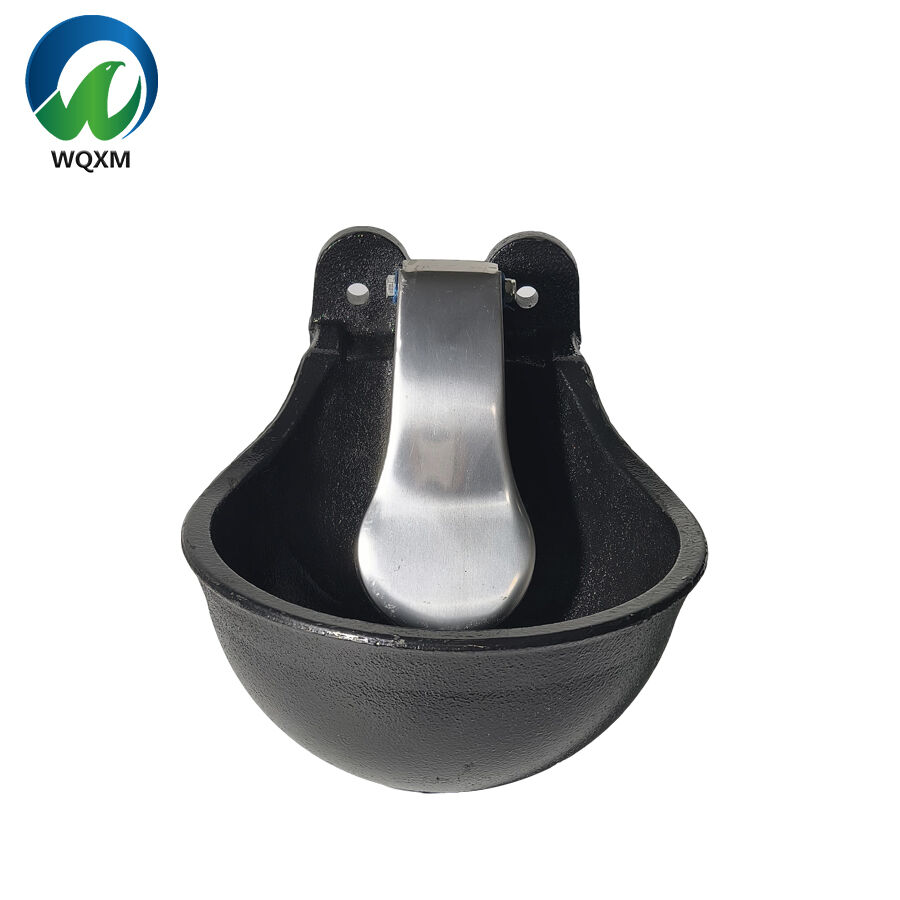
Research from agricultural institutions demonstrates that water access consistency significantly influences livestock health parameters including immune function, digestion efficiency, and stress reduction. A properly designed animal drinking bowl eliminates the hydration gaps that occur with traditional watering systems, providing continuous access to fresh water without the labor-intensive refilling requirements of conventional troughs or containers.
Direct Health Benefits of Consistent Water Access
Enhanced Immune System Function
Consistent hydration through a constant-level animal drinking bowl directly supports immune system efficiency in livestock. When animals maintain optimal hydration levels, their lymphatic systems function more effectively, facilitating toxin removal and pathogen resistance. Dehydration stress, even at mild levels, compromises white blood cell production and reduces the effectiveness of antibody responses to disease challenges.
Studies indicate that cattle with continuous water access through automated systems show measurably higher antibody titers following vaccinations compared to those with intermittent water availability. This improved immune response translates to reduced veterinary costs, fewer disease outbreaks, and lower mortality rates across the herd. The stress reduction achieved through reliable water access also minimizes cortisol production, which otherwise suppresses immune function.
Improved Digestive Efficiency
Proper hydration facilitated by a well-designed animal drinking bowl significantly enhances digestive processes in ruminants and monogastric animals alike. Water plays essential roles in saliva production, nutrient dissolution, and waste elimination. Consistent hydration maintains optimal rumen function in cattle and sheep, supporting beneficial microbial populations that break down complex carbohydrates and produce volatile fatty acids.
Research demonstrates that animals with continuous water access achieve better feed conversion ratios, meaning they convert feed to body weight more efficiently. This improved digestive efficiency reduces feed costs per pound of weight gain while supporting faster growth rates. Additionally, proper hydration prevents digestive disorders such as impaction and acidosis that can occur when animals consume large quantities of water irregularly.
Temperature Regulation and Heat Stress Prevention
A constant-level animal drinking bowl provides critical support for thermoregulation, particularly during hot weather conditions. Animals rely heavily on water for evaporative cooling through respiration and, in some species, sweating. Inadequate hydration quickly leads to heat stress, which compromises multiple physiological systems and can prove fatal in extreme conditions.
Heat-stressed animals exhibit reduced feed intake, decreased milk production in dairy animals, and impaired reproductive performance. By ensuring continuous water availability, automated drinking systems help maintain normal body temperature and prevent the cascade of negative health effects associated with heat stress. This benefit proves especially valuable in regions with high ambient temperatures or during seasonal heat waves.
Operational Advantages Supporting Animal Health
Reduced Labor Requirements
Traditional watering systems require significant manual labor for cleaning, refilling, and maintenance, often leading to inconsistent water availability when caretakers are absent or overwhelmed with other duties. A properly installed animal drinking bowl eliminates these labor bottlenecks by maintaining water levels automatically, ensuring animals never experience hydration gaps due to human oversight or scheduling conflicts.
This labor reduction allows farm personnel to focus on other critical animal care tasks such as health monitoring, nutrition management, and facility maintenance. The time savings achieved through automated watering systems often enables more frequent animal health assessments, leading to earlier disease detection and intervention. Consistent water availability also reduces animal stress and behavioral issues that can arise when animals compete for limited water resources.
Water Quality Maintenance
Constant-level systems typically incorporate fresh water flow-through designs that prevent stagnation and bacterial growth common in static water containers. Fresh water circulation supported by an efficient animal drinking bowl reduces the bacterial load that animals consume, decreasing the risk of waterborne diseases and digestive disorders.
Automated systems also minimize contamination from feed, manure, and environmental debris that commonly affect open water sources. The reduced contamination levels mean animals consume cleaner water, which supports better overall health outcomes and reduces the need for water-related disease treatments. Additionally, many modern drinking bowl systems include filtration components that further improve water quality.
Economic Impact Through Health Improvements
Veterinary Cost Reduction
The health benefits provided by consistent water access through a reliable animal drinking bowl translate directly into reduced veterinary expenses. Healthier animals require fewer medical interventions, reducing costs for antibiotics, anti-inflammatory medications, and emergency treatments. Prevention of dehydration-related conditions eliminates the need for expensive fluid therapy and intensive care procedures.
Farm financial records consistently show that operations with automated watering systems experience lower per-head veterinary costs compared to those relying on manual watering methods. The investment in quality watering infrastructure typically pays for itself within two to three years through reduced medical expenses and improved animal productivity. This economic benefit becomes more pronounced in larger operations where the absolute cost savings multiply across greater numbers of animals.
Production Efficiency Gains
Improved hydration status achieved through constant-level watering systems directly enhances production metrics across different types of livestock. Dairy cattle with consistent water access produce more milk with higher butterfat content, while beef cattle achieve better weight gain rates and improved feed conversion ratios. These production improvements increase revenue while reducing per-unit production costs.
The economic value of production improvements often exceeds the cost of installing automated drinking systems within the first production cycle. For dairy operations, even small increases in milk production per cow can generate substantial additional revenue over the system's operational lifetime. Similarly, improved weight gain rates in beef cattle reduce the time to market and increase profit margins per animal.
Implementation Considerations for Maximum Health Benefits
System Sizing and Placement
Proper sizing and strategic placement of animal drinking bowl systems significantly influences their effectiveness in supporting livestock health. Each system must provide adequate flow rate to meet peak demand periods when multiple animals drink simultaneously. Insufficient capacity leads to water level drops that can stress animals and reduce the health benefits of automated watering.
Placement considerations include accessibility for all animals in the group, protection from contamination sources, and ease of maintenance access for caretakers. Systems should be positioned to minimize aggressive interactions between animals while ensuring that submissive individuals maintain access to water. Proper placement also considers environmental factors such as drainage, freeze protection, and protection from direct sunlight that can encourage algae growth.
Maintenance Requirements
Regular maintenance of animal drinking bowl systems ensures continued health benefits and system reliability. Maintenance protocols typically include cleaning procedures, mechanical component inspection, and water quality testing. Well-maintained systems provide consistent performance over many years, delivering ongoing health benefits to livestock while minimizing operational disruptions.
Maintenance scheduling should account for seasonal variations, animal group changes, and environmental conditions that may affect system performance. Proper maintenance not only preserves the health benefits of automated watering but also protects the investment in watering infrastructure through extended equipment life and reduced repair costs.
FAQ
How much water should an animal drinking bowl provide per day?
A properly designed animal drinking bowl should accommodate each animal's daily water requirements, which vary by species, size, production stage, and environmental conditions. Adult dairy cattle typically consume 30-50 gallons per day, while beef cattle require 20-30 gallons daily. The system should maintain adequate flow rates to meet peak demand periods when multiple animals drink simultaneously, typically 2-4 gallons per minute for cattle systems.
Can constant-level drinking systems work in freezing climates?
Yes, animal drinking bowl systems can function effectively in freezing climates when properly designed with freeze protection features. These may include heated elements, insulation, continuous water circulation, or ground-level installation below the frost line. Many commercial systems incorporate thermostatically controlled heating elements that activate automatically when temperatures approach freezing, ensuring continuous water access throughout winter months.
Do automated drinking bowls require special water pressure conditions?
Most animal drinking bowl systems are designed to operate within standard farm water pressure ranges of 20-60 PSI. Systems typically include pressure regulation valves to ensure consistent operation regardless of minor pressure variations. Very low pressure may require booster pumps, while excessive pressure may require pressure reduction valves to prevent system damage and ensure proper float valve operation.
How often should animal drinking bowl systems be cleaned and maintained?
Animal drinking bowl systems should undergo visual inspection daily, with thorough cleaning performed weekly or bi-weekly depending on environmental conditions and animal group size. Monthly maintenance should include mechanical component inspection, water quality testing, and valve adjustment as needed. Seasonal maintenance typically involves complete system disassembly, deep cleaning, and replacement of wear components to ensure continued reliable operation.