 EN
EN

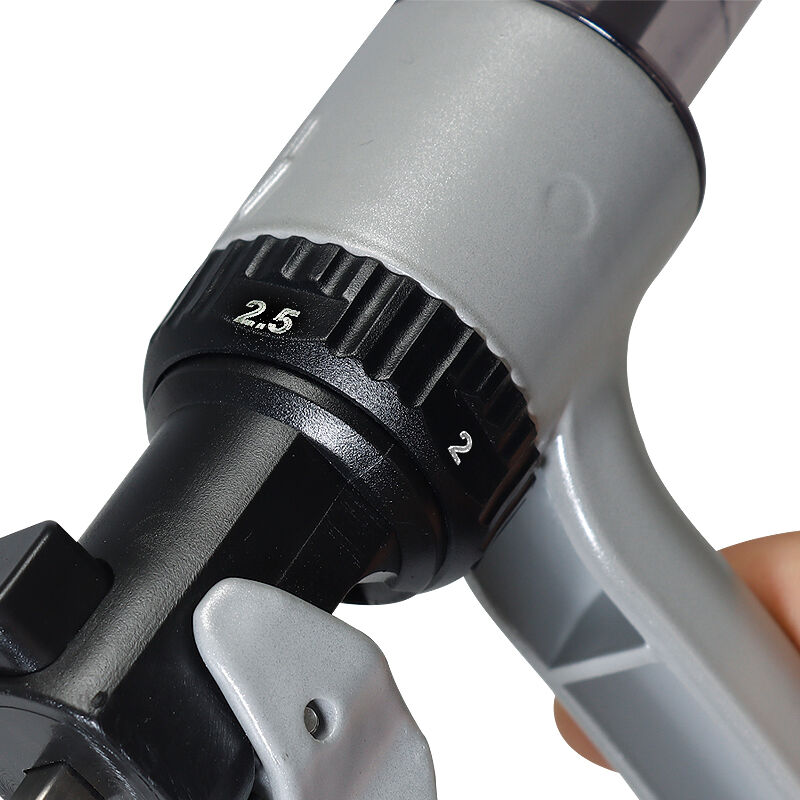
High-volume animal treatment operations in modern veterinary medicine and livestock management demand equipment that delivers precision, efficiency, and consistent performance across hundreds or thousands of administrations. When veterinarians, livestock managers, and animal health technicians face the challenge of vaccinating large herds, treating extensive populations, or managing mass immunization campaigns, the choice of delivery instrument becomes a decisive factor in operational success. The continuous syringe stands as an indispensable tool in these scenarios, engineered specifically to address the unique demands of repetitive dosing workflows where traditional single-dose syringes prove impractical and time-consuming.
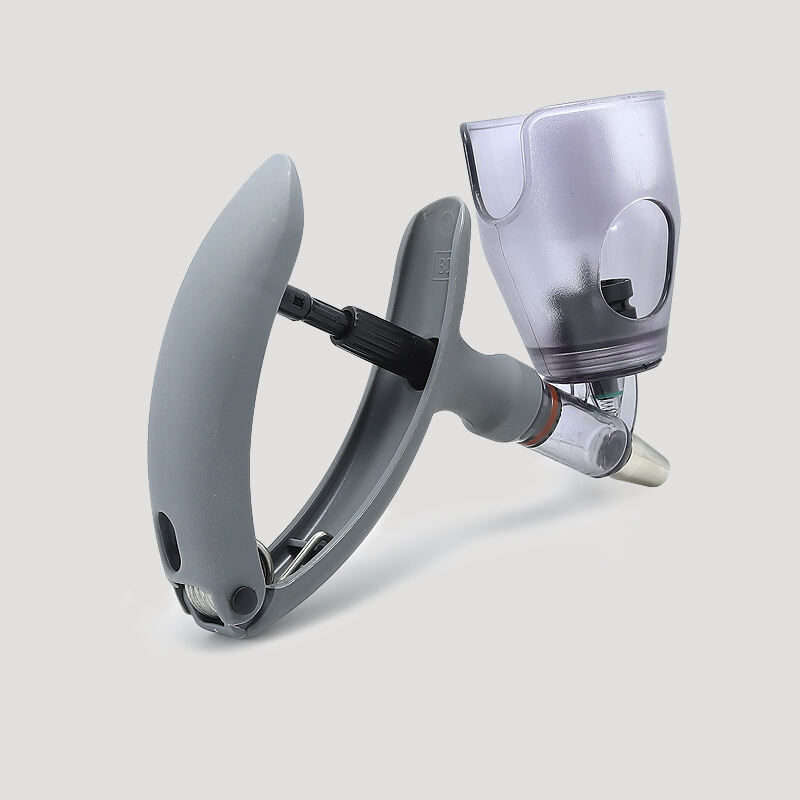
Understanding what makes a continuous syringe critical for high-volume animal treatments requires examining the fundamental operational differences between standard syringes and continuous delivery systems. While conventional syringes necessitate repeated filling, manual measurement, and individual preparation for each animal, a continuous syringe maintains a connection to a medication reservoir and automatically refills between doses. This fundamental design difference translates into dramatic improvements in treatment speed, dosing accuracy, operator fatigue reduction, and overall workflow efficiency when processing large animal populations. The criticality of this tool becomes evident when considering the practical realities of mass animal treatment scenarios where hundreds of doses must be administered within limited time windows while maintaining strict biosecurity protocols and ensuring animal welfare.
The Operational Efficiency Imperative in Mass Treatment Scenarios
Time Constraints in Large-Scale Veterinary Operations
Large-scale animal treatment operations operate under severe time constraints that make equipment choice a strategic business decision rather than a simple preference. When a livestock operation needs to vaccinate 500 head of cattle before transport, or a poultry facility must treat 10,000 birds within a single work shift, the mathematics of treatment speed become unavoidable. A traditional syringe approach requiring manual refilling after each animal typically allows for 30-40 treatments per hour per operator, meaning a 500-animal vaccination program would require approximately 13-17 hours of continuous work with a single technician. This timeline becomes operationally impossible when factoring in animal handling logistics, worker fatigue, and the biological stress placed on animals during prolonged processing sessions.
The continuous syringe transforms these operational parameters by eliminating the refilling step and enabling treatment rates of 150-250 animals per hour depending on animal handling efficiency and facility design. This efficiency gain reduces the 500-animal vaccination program to approximately 2-3.5 hours of actual treatment time, fundamentally changing what is operationally feasible within standard working hours. The time savings extend beyond simple speed, as shorter processing sessions reduce animal stress, minimize disruption to normal feeding and production schedules, and allow facilities to respond rapidly to disease threats or regulatory requirements that demand immediate intervention across entire populations.
Labor Cost Optimization Through Equipment Selection
Labor represents one of the largest variable costs in animal agriculture and veterinary services, making labor efficiency a primary concern for operation managers. The continuous syringe directly addresses this cost factor by enabling single operators to accomplish treatment volumes that would otherwise require multiple workers using conventional methods. In practical terms, a farm that can complete herd vaccination with one technician using a continuous syringe rather than three technicians using standard syringes realizes immediate labor cost savings that compound over multiple treatment cycles throughout the production year.
Beyond direct labor hour reduction, the continuous syringe mitigates the skill variability problem that affects treatment quality in operations dependent on temporary or seasonal workers. The simplified operation of continuous systems with preset dosing reduces the training time required to achieve competent performance, allowing operations to maintain treatment quality standards even when using less experienced personnel. This training efficiency becomes particularly valuable in agricultural regions where labor availability fluctuates seasonally and operations must rapidly onboard workers for time-sensitive treatment campaigns. The equipment essentially transfers complexity from operator skill to engineered automation, creating more consistent outcomes across varying workforce compositions.
Biosecurity Protocol Compliance in Intensive Treatment Settings
Modern animal production facilities operate under increasingly stringent biosecurity protocols designed to prevent disease transmission within and between animal populations. The continuous syringe supports these protocols more effectively than traditional equipment because it minimizes the number of equipment pieces that must be handled, cleaned, and sterilized between treatment groups. A single continuous syringe connected to a reservoir bottle can complete an entire treatment session without the repeated touching and manipulation required when constantly refilling individual syringes from multi-dose vials.
This reduction in handling frequency decreases contamination risk through multiple pathways. Fewer equipment transitions mean fewer opportunities for needle contamination, reduced exposure of medication to environmental pathogens, and decreased likelihood of cross-contamination between animal groups if proper needle management protocols are followed. The continuous syringe also facilitates the implementation of single-use needle strategies where needles are changed at predetermined intervals rather than reused throughout entire sessions, as the efficiency of the continuous system makes the time investment of periodic needle changes operationally acceptable while significantly improving biosecurity outcomes.
Precision Dosing Requirements Across Diverse Animal Populations
Weight-Based Dosing Accuracy in Mixed Populations
Many veterinary medications and vaccines require administration at specific doses calculated according to animal body weight, creating complex dosing requirements when treating populations with significant size variation. A cattle herd, for example, might contain animals ranging from 300-pound yearlings to 1,500-pound mature cows, requiring dose adjustments across a five-fold range. Traditional syringes demand constant mental calculation and manual measurement adjustment for each animal, introducing substantial opportunity for dosing errors that can result in treatment failure or medication waste.
The continuous syringe addresses this challenge through adjustable dosing mechanisms that allow operators to quickly modify delivered volumes without refilling or changing equipment. Quality continuous syringe systems feature clearly marked dosing scales and positive-lock adjustment mechanisms that enable rapid, accurate dose changes as animals of different sizes move through treatment chutes. This adjustability maintains dosing precision across population diversity while preserving the workflow efficiency that makes continuous systems valuable. The combination of speed and accuracy proves particularly critical in mixed-age livestock operations where under-dosing younger animals may result in inadequate immunity while over-dosing can waste expensive biologicals and potentially cause adverse reactions.
Consistency in Biologicals and Temperature-Sensitive Medications
Vaccines, hormones, and certain antibiotics used in veterinary medicine exhibit temperature sensitivity that can compromise efficacy if medications remain at ambient temperatures for extended periods during administration sessions. The continuous syringe system, particularly when equipped with insulated reservoir bottles or cooling accessories, maintains medication at appropriate temperatures more effectively than the repeated opening and handling of multi-dose vials required with traditional syringe methods. This temperature stability becomes critical during summer treatment sessions or in tropical climates where ambient temperatures can rapidly degrade biological products.
Dosing consistency also depends on medication suspension homogeneity, as many vaccines and parasiticides contain particulate components that can settle during storage. The continuous syringe design naturally maintains better suspension mixing through the continuous flow dynamics within the reservoir and delivery line, whereas repeatedly drawing from static vials can result in concentration gradients where early doses contain less active ingredient than later doses drawn from the same vial after settling has occurred. This physical consistency translates into more uniform therapeutic outcomes across treated animal populations and reduces the risk of treatment failures attributable to dose variation rather than biological factors.
Documentation and Traceability in Regulated Environments
Regulatory frameworks governing animal agriculture increasingly demand detailed treatment records documenting what medications were administered, in what quantities, to which animals, and on what dates. The continuous syringe facilitates this documentation requirement through several mechanisms. First, the visible dose counters present on quality continuous syringe designs allow operators to accurately track total doses administered during a session, enabling precise reconciliation between medication withdrawn from inventory and animals treated. This tracking capability helps operations maintain regulatory compliance while also identifying medication waste or loss that might indicate equipment malfunction or operator error.
Second, the consistent dosing performance of continuous syringe systems creates inherent documentation reliability. When records indicate that 500 animals received a specific vaccine using a continuous syringe calibrated and verified to deliver the prescribed dose, regulators and operation managers can have higher confidence in the accuracy of that documentation compared to scenarios where dosing depended on manual measurement repeated 500 times with opportunities for variation in each instance. This documentation reliability becomes particularly valuable in operations subject to food safety audits, export certification requirements, or legal challenges related to animal treatment practices.
Operator Ergonomics and Sustained Performance Quality
Repetitive Strain Prevention in High-Volume Treatments
The physical demands of administering hundreds of injections during a single treatment session create significant ergonomic challenges that affect both worker wellbeing and treatment quality. Traditional syringe operation requires repeated forceful hand movements to draw medication, expel air, and depress plungers, with each complete cycle generating cumulative stress on hand, wrist, and forearm musculature. A worker performing 300 manual injections during a shift executes over 900 forceful hand movements when counting draw, prime, and injection actions, creating conditions conducive to repetitive strain injuries that plague intensive animal handling occupations.
The continuous syringe dramatically reduces these repetitive force requirements by eliminating the drawing and priming actions entirely and often incorporating mechanical advantage systems that reduce the force required for injection. Many continuous syringe designs feature trigger or lever mechanisms that require only 2-3 pounds of activation force compared to the 8-12 pounds often needed to depress traditional syringe plungers, particularly when injecting viscous medications or using small-gauge needles. This force reduction allows operators to maintain consistent injection technique throughout extended sessions rather than experiencing progressive fatigue-related technique deterioration that compromises dosing accuracy and increases the risk of needle sticks or other safety incidents as the work session progresses.
Technique Consistency Across Extended Treatment Sessions
Treatment quality in high-volume scenarios depends not only on initial operator competence but on the ability to maintain consistent technique as fatigue accumulates during long sessions. The continuous syringe supports technique consistency through design features that automate the most variable aspects of injection procedure. Automatic refilling eliminates the potential for incomplete filling that can result in short doses, while preset volume stops prevent over-dosing caused by excessive plunger depression. These engineered consistency mechanisms ensure that the 250th animal treated receives the same quality of care as the first animal, regardless of operator fatigue status.
The simplified operation of continuous syringe systems also reduces the cognitive load on operators, allowing greater attention to be directed toward animal handling safety and injection site selection rather than manual dosing mechanics. When operators can rely on equipment to automatically deliver the correct dose upon trigger activation, mental resources can focus on proper needle insertion angle, injection site palpation to avoid vessels or nerves, and monitoring animal behavioral responses that might indicate distress or adverse reactions. This cognitive efficiency becomes particularly valuable in challenging handling situations where animals are stressed or fractious and operators must divide attention between treatment technique and personal safety.
Equipment Weight and Balance in Prolonged Use
While continuous syringe systems are necessarily larger than traditional syringes due to their reservoir components, quality designs carefully engineer weight distribution and balance to minimize operator fatigue during prolonged holding and manipulation. The best continuous syringe configurations position the medication reservoir to create neutral balance that prevents wrist strain from fighting asymmetric weight distribution during the hundreds of repetitions typical in mass treatment scenarios. Some advanced designs incorporate harness systems that transfer equipment weight from the operator's hand and wrist to shoulder and torso musculature, dramatically extending the duration that an operator can work without experiencing debilitating fatigue.
The total weight equation must also account for medication capacity, as larger reservoir volumes reduce refilling frequency but increase carried weight. The critical continuous syringe designs optimize this tradeoff by offering reservoir sizes matched to typical treatment session lengths—large enough to minimize disruptive refilling but not so large that empty weight becomes burdensome. Operations treating moderate-sized groups might select 50-100ml capacity continuous syringes that balance convenience with ergonomics, while those processing very large populations might choose 250-500ml capacity systems and utilize weight-bearing harnesses to mitigate the ergonomic impact of the larger fluid mass.
Economic Justification Through Medication Conservation
Dead Space Minimization in Expensive Biologicals
Veterinary biologicals including vaccines, hormones, and specialty therapeutics often cost several dollars per dose, making medication waste a significant operational expense in large-scale treatment programs. Traditional syringe methods create substantial waste through dead space—the volume of medication that remains in the syringe hub, needle, and plunger mechanism after an apparently complete injection. This dead space typically ranges from 0.1 to 0.3 milliliters per injection, which seems negligible until multiplied across hundreds or thousands of doses.
A 500-animal vaccination program using 2ml doses loses 50-150ml of vaccine to dead space when using traditional syringes—enough medication for 25-75 additional doses at an economic loss potentially exceeding several hundred dollars for premium products. The continuous syringe substantially reduces this waste because the delivery system is filled once and maintains a continuous fluid column throughout the treatment session, eliminating the repeated dead space losses inherent in the fill-inject-empty-refill cycle of conventional methods. Quality continuous syringe designs feature optimized internal geometries that minimize fluid retention, often reducing total dead space to the needle volume alone, which must be accepted as unavoidable with any injection system.
Spillage and Handling Loss Prevention
Beyond dead space, traditional syringe methods generate medication loss through spillage during repeated filling operations, drips during equipment handling between animals, and waste from partially filled syringes that must be discarded when dose requirements change or treatment sessions end unexpectedly. These handling losses, while difficult to quantify precisely, can easily add another five to ten percent to total medication consumption compared to the theoretical requirements calculated from animal numbers and prescribed doses.
The continuous syringe design inherently prevents most handling losses because medication remains within a closed system from reservoir to animal rather than being repeatedly exposed during drawing operations. The positive-displacement mechanisms common in quality continuous syringe systems also prevent the dripping that occurs with traditional syringes when medications continue to seep from needles between animals due to residual pressure or gravity effects. This drip prevention proves particularly valuable with viscous medications or when treating aggressive animals where equipment must be moved quickly between individuals, creating scenarios where traditional syringes would lose significant quantities of medication during the rapid equipment repositioning necessary for operator safety.
Reduced Contamination and Product Discard Events
Contamination events that require discarding partially used medication vials represent another economic loss that continuous syringe systems help mitigate. When using traditional syringes repeatedly drawn from the same vial, each entry creates contamination risk, and any observed or suspected contamination typically mandates discarding the entire remaining vial contents per pharmaceutical safety protocols. A contamination event in a 100ml vial after 30ml has been used results in wasting 70ml of product—a loss that can reach considerable economic impact with expensive biologicals.
The continuous syringe reduces contamination risk through multiple design features. The closed system design limits medication exposure to environmental contaminants, while the unidirectional flow prevents backflow that could introduce biological material from treated animals into the medication reservoir. Many continuous syringe systems also incorporate filtering elements that trap particulates and prevent their injection, further reducing the risk of contamination-related product loss. The combination of these protective features means that operations using continuous syringe systems typically experience fewer product discard events, translating directly into reduced medication costs over the course of multiple treatment cycles throughout a production year.
Equipment Durability and Lifecycle Economics in Demanding Environments
Component Lifespan in Intensive Use Applications
The true economic value of a continuous syringe extends beyond operational efficiency to encompass equipment lifecycle costs determined by component durability and replacement frequency. Agricultural and veterinary environments subject equipment to harsh conditions including chemical exposure from disinfectants, mechanical stress from repeated use cycles, and potential physical damage from animal contact or accidental drops. Equipment that cannot withstand these conditions requires frequent replacement, undermining the operational advantages through recurring capital costs and workflow disruptions when equipment fails mid-session.
Critical continuous syringe systems designed for professional use incorporate durable materials specifically selected for agricultural environments, such as chemical-resistant polymers that maintain dimensional stability despite repeated exposure to cleaning agents, corrosion-resistant metal components in stress-bearing mechanisms, and robust seal materials that maintain positive sealing despite thousands of actuation cycles. Quality systems typically specify expected lifespans measured in tens of thousands of doses or multiple years of regular use before major component replacement becomes necessary. This durability ensures that the equipment investment amortizes favorably across the many treatment sessions it supports during its working life.
Maintenance Requirements and Operational Uptime
Equipment maintenance requirements directly impact operational efficiency through the downtime necessary for servicing and the ongoing costs of replacement parts and maintenance supplies. The continuous syringe designs that prove most critical for high-volume operations balance engineering sophistication with maintainability, incorporating features that enable rapid field servicing without requiring specialized tools or extended disassembly procedures. Well-designed systems allow operators to replace common wear items such as seals, valves, and needle holders in minutes rather than hours, minimizing treatment delays when maintenance becomes necessary.
Maintenance simplicity also affects the total cost of ownership by determining whether operations can perform servicing with existing personnel or must arrange for specialized technician visits. Continuous syringe systems that provide clear maintenance instructions and utilize common fastener types and readily available replacement parts empower operations to maintain equipment autonomously, reducing both direct service costs and the schedule disruptions associated with coordinating external maintenance support. This maintenance independence proves particularly valuable for operations in remote rural locations where technical support access may require significant travel time and expense.
Standardization Benefits in Multi-Site Operations
Large livestock operations managing multiple facilities gain additional economic advantages from continuous syringe standardization across sites. When all locations utilize the same equipment model, operations can consolidate parts inventory, standardize training programs, and develop systematic maintenance protocols that apply across the entire operation. This standardization reduces the per-site investment in spare parts inventory because components can be shared among locations rather than each site maintaining complete redundant inventory for potentially different equipment models.
Equipment standardization also facilitates personnel flexibility, as workers trained at one location can immediately operate equipment productively when transferred or temporarily assigned to different sites without requiring model-specific retraining. This workforce flexibility becomes valuable when operations must respond to unexpected situations such as disease outbreaks requiring rapid treatment of larger animal populations than normally handled by the permanent workforce at a given location. The ability to quickly deploy personnel from other sites with confidence they can operate equipment effectively can mean the difference between timely treatment that controls disease spread and delays that allow conditions to worsen with consequent economic and animal welfare impacts.
FAQ
How does a continuous syringe maintain accurate dosing throughout extended treatment sessions?
A continuous syringe maintains dosing accuracy through precision-engineered metering mechanisms, typically using calibrated pistons or displacement chambers that deliver exactly the same volume with each actuation regardless of reservoir fill level or medication viscosity. Quality systems incorporate positive stops that physically limit piston travel to the preset dose volume, preventing over-dosing even if operators apply excessive force during injection. The automatic refilling function draws medication from the reservoir through a one-way valve system that completely fills the metering chamber between doses, ensuring that each subsequent injection starts with a full charge of medication. This automation eliminates the manual measurement variability inherent in traditional syringe methods where dosing accuracy depends entirely on operator ability to consistently fill to the correct graduation mark while managing plunger positioning and air bubble elimination.
What maintenance procedures are necessary to keep a continuous syringe functioning reliably?
Routine continuous syringe maintenance centers on cleaning after each use session, lubrication of moving components according to manufacturer specifications, and periodic replacement of wear items such as seals and valves. Proper cleaning involves disassembling the equipment to the level specified in user documentation, thoroughly flushing all medication contact surfaces with appropriate cleaning solutions, and allowing complete drying before reassembly and storage. Many medications, particularly oil-based or suspension formulations, can leave residues that impair valve function or create bacterial growth substrate if not removed promptly. Seal and valve replacement intervals depend on use intensity but typically range from annually for moderate-use operations to every few months for intensive daily use applications. Operators should inspect equipment before each use session for signs of damage, leakage, or unusual resistance during operation, addressing any abnormalities immediately to prevent mid-session failures that disrupt treatment workflows and potentially compromise animal welfare.
Can continuous syringes be used with all types of veterinary medications and vaccines?
Continuous syringes work effectively with most injectable veterinary products including aqueous solutions, oil-based formulations, and suspensions, though some specialized products may require specific considerations. Extremely viscous products or those containing large particulates may require continuous syringe models with larger internal passages and more powerful actuation mechanisms to ensure reliable flow and complete dose delivery. Certain biologicals requiring strict cold chain maintenance may necessitate continuous syringe systems with insulated reservoirs or active cooling to maintain appropriate temperatures during extended treatment sessions. Operators should always consult medication labeling and manufacturer guidelines regarding appropriate administration equipment, and verify that the continuous syringe model selected provides the dosing range, accuracy, and chemical compatibility required for the specific products being administered. Some medications explicitly contraindicate use with certain equipment types or materials, making verification an essential step before implementing any new treatment protocol.
What needle management practices should be followed when using a continuous syringe for large animal populations?
Proper needle management with continuous syringe systems requires balancing biosecurity considerations with practical workflow efficiency. Best practice recommendations typically suggest changing needles after every 10-15 animals when treating healthy populations for routine procedures like vaccination, or more frequently when treating diseased animals or performing procedures with high contamination risk. The continuous syringe design makes this frequent needle changing operationally feasible because only the needle must be replaced rather than the entire syringe assembly, requiring just seconds per change without disrupting treatment flow. Needles should be inspected visually during changes and replaced immediately if damage such as barb formation or bending is observed, as damaged needles cause increased tissue trauma and animal discomfort while potentially compromising injection accuracy. Using color-coded needle systems helps operators track usage and maintain consistent change intervals without requiring detailed counting during the focus demands of active animal treatment. All used needles must be immediately placed in approved sharps containers to protect both personnel and animals from accidental stick injuries.
Table of Contents
- The Operational Efficiency Imperative in Mass Treatment Scenarios
- Precision Dosing Requirements Across Diverse Animal Populations
- Operator Ergonomics and Sustained Performance Quality
- Economic Justification Through Medication Conservation
- Equipment Durability and Lifecycle Economics in Demanding Environments
-
FAQ
- How does a continuous syringe maintain accurate dosing throughout extended treatment sessions?
- What maintenance procedures are necessary to keep a continuous syringe functioning reliably?
- Can continuous syringes be used with all types of veterinary medications and vaccines?
- What needle management practices should be followed when using a continuous syringe for large animal populations?