 EN
EN

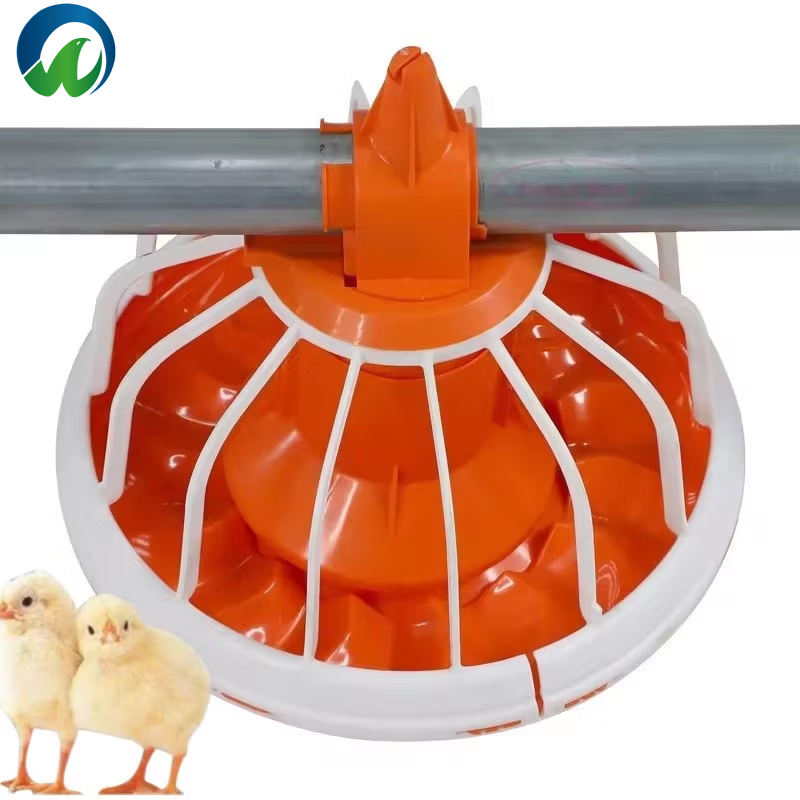
Modern poultry farming demands precision, consistency, and efficiency in delivering essential resources to livestock. Among the critical infrastructure components that directly influence flock health and production performance, the flat feeding drinking line has emerged as a transformative solution for optimizing feed and water distribution across large-scale operations. This integrated system addresses fundamental challenges in conventional feeding and watering methods by providing uniform access, reducing waste, and minimizing labor requirements while maintaining biosecurity standards. Understanding how this technology improves distribution efficiency requires examining its mechanical design principles, operational advantages, and practical impact on daily farm management protocols.
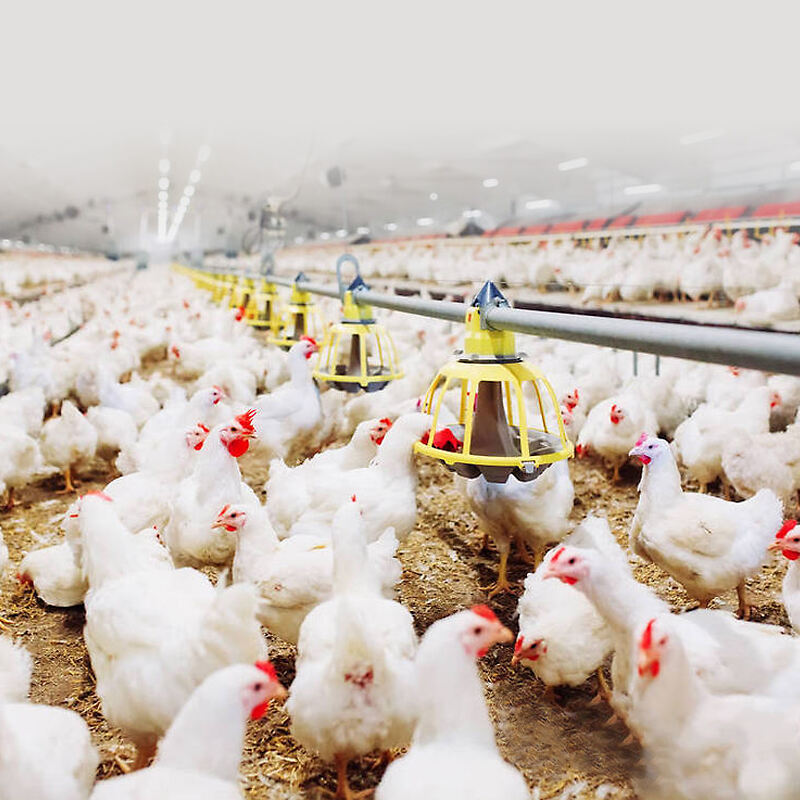
The efficiency gains delivered by a flat feeding drinking line stem from its ability to eliminate the spatial and temporal inconsistencies inherent in traditional feeding systems. By positioning feed troughs and water lines at optimal heights along a horizontal plane, these systems ensure that every bird within a house has equal opportunity to access nutrition and hydration simultaneously. This design philosophy fundamentally changes the distribution dynamics, transforming resource delivery from a competitive scramble into a coordinated process that maximizes intake uniformity while minimizing stress-related behavior. The mechanical advantages translate directly into measurable improvements in feed conversion ratios, weight gain consistency, and overall flock welfare metrics that drive profitability in commercial operations.
Mechanical Design Principles Behind Distribution Efficiency
Horizontal Layout and Uniform Access Points
The defining characteristic of a flat feeding drinking line lies in its horizontal configuration that creates evenly spaced access points throughout the poultry house. Unlike hanging feeders or bell drinkers that create crowding zones, this system distributes feeding and watering stations at regular intervals along the length of the structure. The flat trough design allows multiple birds to feed simultaneously without aggressive competition, while integrated nipple drinkers or cup waterers positioned at consistent heights eliminate the need for birds to travel long distances or wait for access. This spatial distribution directly improves efficiency by reducing the energy birds expend searching for resources and minimizing the time lost to competitive interactions.
The engineering behind flat feeding drinking line systems incorporates precise height adjustments that accommodate birds throughout their growth cycle. Automated raising mechanisms allow operators to maintain optimal access heights as flocks mature, ensuring that young chicks and fully grown birds alike can reach feed and water without strain. This adaptability prevents the distribution inefficiencies that occur when equipment heights force birds into awkward postures or create physical barriers that exclude smaller individuals from accessing resources. The consistent height maintenance across the entire line eliminates the uneven consumption patterns seen in systems where access difficulty varies by location.
Integrated Delivery Mechanisms
Modern flat feeding drinking line configurations integrate feed augers or chain-and-disc delivery systems that transport feed continuously from storage bins to trough sections. This continuous-flow approach maintains consistent feed levels throughout the line, preventing the depletion that occurs at distant ends of simpler systems. The mechanical transport eliminates manual filling requirements and ensures that fresh feed reaches all sections simultaneously, improving distribution efficiency by making high-quality nutrition available at all times regardless of house length or flock size. The automated delivery also reduces feed degradation caused by prolonged exposure and handling.
Water distribution within the flat feeding drinking line operates through pressurized pipelines that supply consistent flow rates to drinkers positioned along the feed trough or on parallel lines. Pressure regulation systems maintain uniform water availability regardless of distance from the main supply, eliminating the flow variations that plague gravity-fed systems. This consistent pressure ensures that birds at any location receive adequate hydration without waiting for reservoir refills or competing for limited access points. The integration of water delivery with feed access creates synergistic efficiency gains, as birds can consume both resources in a single visit without relocating between separate stations.
Operational Advantages That Enhance Distribution Performance
Waste Reduction Through Controlled Dispensing
One of the most significant efficiency improvements delivered by flat feeding drinking line systems involves dramatic reductions in feed wastage. Traditional feeding methods often result in spillage rates exceeding fifteen percent of total feed usage, representing substantial economic losses and creating biosecurity risks from spoiled material. The flat trough design with raised edges contains feed effectively, while adjustable pan depths allow operators to calibrate dispensing volumes that match consumption patterns without overfilling. This controlled presentation reduces scratching behavior that scatters feed outside accessible areas, and the continuous supply chain prevents birds from overturning containers in attempts to access remaining feed.
Water waste reduction represents another critical efficiency factor in flat feeding drinking line operations. Nipple and cup drinker designs minimize spillage compared to open waterers, reducing moisture accumulation in litter that creates ammonia buildup and disease vectors. The closed delivery system prevents contamination from dust, feed particles, and fecal matter that degrade water quality in open systems, ensuring that all supplied water contributes to bird hydration rather than being discarded due to fouling. These waste reductions translate directly into lower resource costs and improved environmental conditions that support better flock health and performance outcomes.
Labor Efficiency and Management Simplification
The automated nature of flat feeding drinking line systems dramatically reduces the labor hours required for routine feeding and watering tasks. Traditional methods requiring manual filling of feeders and waterers multiple times daily consume significant staff time and create opportunities for inconsistent resource availability. Automated flat feeding drinking line configurations eliminate these repetitive tasks, allowing farm personnel to focus on health monitoring, environmental management, and other value-added activities that directly improve production outcomes. The labor savings become particularly significant in large operations managing multiple houses, where automated systems enable smaller crews to maintain larger flocks without compromising animal welfare.
Management simplification extends beyond labor reduction to encompass improved monitoring and control capabilities. Modern flat feeding drinking line systems incorporate sensors that track feed consumption rates, water usage patterns, and equipment malfunctions in real-time. These data streams enable managers to identify distribution problems immediately rather than discovering issues through delayed performance metrics or mortality events. The early detection capabilities improve efficiency by allowing rapid interventions that correct problems before they significantly impact flock performance, reducing the cumulative losses associated with prolonged periods of suboptimal resource distribution.
Biological and Behavioral Efficiency Improvements
Uniform Growth and Feed Conversion Optimization
The distribution uniformity provided by flat feeding drinking line systems directly influences flock growth consistency by ensuring all birds receive adequate nutrition throughout their development. In conventional systems, dominant birds secure preferential access to feed and water, creating size hierarchies where smaller individuals lag increasingly behind as production cycles progress. The abundant access points and continuous availability in flat feeding drinking line configurations minimize competitive advantages, allowing subordinate birds to consume resources without harassment from dominant flock members. This behavioral leveling produces more uniform weights at processing, reducing the proportion of birds falling outside optimal size ranges that command premium prices.
Feed conversion efficiency improvements represent one of the most economically significant benefits of flat feeding drinking line systems. When birds spend less energy competing for resources and traveling between feeding and watering stations, more consumed calories support productive growth rather than maintenance activities. The stress reduction associated with consistent resource access further improves conversion efficiency by minimizing cortisol elevation and immune system activation that divert energy from muscle development. Commercial operations implementing flat feeding drinking line technology typically document feed conversion ratio improvements ranging from five to eight percent compared to conventional systems, representing substantial cost savings across production cycles.
Health Status and Disease Prevention
The closed design and automated delivery mechanisms inherent in flat feeding drinking line systems create significant biosecurity advantages that improve overall flock health status. The elimination of manual feeding reduces human traffic through poultry houses, limiting opportunities for pathogen introduction through clothing, footwear, and equipment. The contained feed and water delivery prevents contamination from wild birds, rodents, and insects that access open feeders and waterers in traditional systems. These biosecurity improvements reduce disease incidence rates, decreasing mortality losses and antibiotic usage while maintaining the robust health status necessary for optimal growth performance and feed efficiency.
Water quality maintenance represents a particularly important health benefit of flat feeding drinking line systems. The closed pipeline delivery prevents algae growth, bacterial colonization, and particulate contamination that compromise water palatability and safety in open systems. Birds consuming clean water exhibit better hydration status, improved digestion efficiency, and enhanced immune function compared to those accessing contaminated water sources. The health advantages translate into distribution efficiency improvements as healthier birds consume feed more consistently and convert nutrition more effectively into productive growth, maximizing the value extracted from each kilogram of feed delivered through the system.
Economic and Operational Efficiency Metrics
Resource Utilization and Cost Performance
The economic efficiency of flat feeding drinking line systems manifests through multiple cost reduction pathways that collectively improve operation profitability. Feed represents the largest variable cost in poultry production, typically comprising sixty to seventy percent of total expenses, making even small percentage improvements in feed efficiency or waste reduction highly valuable. The combination of reduced spillage, improved feed conversion ratios, and enhanced growth uniformity delivered by flat feeding drinking line technology typically generates feed cost savings exceeding the system's capital investment within two to three production cycles. These rapid payback periods make the technology economically attractive even for operations with limited capital budgets.
Water efficiency improvements, while representing smaller absolute cost savings than feed reductions, contribute meaningful economic benefits in regions facing water scarcity or high utility costs. The spillage reduction and consumption optimization enabled by flat feeding drinking line systems can decrease water usage by twenty to thirty percent compared to conventional waterers, reducing both direct water costs and indirect expenses associated with litter management and ventilation requirements for moisture control. The cumulative resource savings demonstrate how distribution efficiency improvements translate directly into enhanced profitability through reduced input costs per unit of production output.
Scalability and Production Intensity
The efficiency advantages of flat feeding drinking line systems enable increased production intensity within existing facility footprints. The space efficiency of flat line configurations compared to traditional bell drinkers and hanging feeders allows higher stocking densities without compromising resource access or animal welfare. The automated delivery and waste reduction characteristics maintain acceptable litter conditions and air quality even at elevated densities, enabling operators to increase output from existing structures without proportional increases in land, building, or labor costs. This scalability advantage becomes particularly valuable in markets where land availability or zoning restrictions limit facility expansion options.
Production consistency represents another dimension of operational efficiency enhanced by flat feeding drinking line technology. The reduced variability in resource distribution produces more predictable growth curves and processing weights, enabling better production planning and market contract fulfillment. The reliability of automated systems reduces the operational disruptions caused by equipment failures or management errors in manual systems, maintaining consistent production flows that support reliable customer relationships and stable cash flows. These consistency benefits complement the direct efficiency improvements in resource utilization, creating comprehensive operational advantages that strengthen competitive positioning in increasingly demanding poultry markets.
Implementation Considerations for Maximizing Efficiency Gains
System Design and Configuration Optimization
Realizing the full efficiency potential of flat feeding drinking line systems requires careful attention to design specifications that match system characteristics to specific operation requirements. Line spacing calculations must account for bird density, breed characteristics, and growth targets to ensure adequate access points throughout production cycles. Feeder trough widths, water line spacing relative to feed lines, and drinker spacing along water lines all influence distribution efficiency and require optimization based on flock size and house dimensions. Undersized systems create the same crowding and competition problems they aim to eliminate, while oversized configurations waste capital and operating resources without delivering proportional performance benefits.
Control system sophistication represents another important design consideration that influences operational efficiency. Basic flat feeding drinking line systems provide fundamental distribution improvements through mechanical design alone, while advanced configurations incorporating automated feed delivery scheduling, water medication dosing systems, and environmental sensors deliver additional efficiency gains through precise management capabilities. The appropriate technology level depends on operation scale, management expertise, and specific performance goals, with larger commercial operations typically benefiting from advanced automation that smaller farms may find unnecessarily complex. Matching system sophistication to operational capacity ensures that technology investments deliver maximum efficiency returns without creating management burdens that offset technical advantages.
Maintenance Protocols and Performance Sustainability
Sustaining the efficiency advantages of flat feeding drinking line systems requires implementing comprehensive maintenance protocols that preserve equipment performance throughout its service life. Regular inspection schedules should verify that feed augers operate without blockages, water lines maintain consistent pressure, and height adjustment mechanisms function properly. Preventive maintenance prevents the gradual performance degradation that erodes efficiency gains as components wear or calibration drifts from optimal settings. The relatively simple mechanical design of most flat feeding drinking line systems makes maintenance straightforward compared to complex alternatives, but consistent attention remains essential for realizing long-term efficiency benefits.
Performance monitoring systems enable operators to quantify efficiency gains and identify optimization opportunities throughout production cycles. Tracking feed consumption rates, water usage patterns, growth uniformity metrics, and feed conversion ratios provides objective evidence of system performance and highlights areas requiring adjustment or improvement. Comparative analysis across production cycles reveals trends that inform equipment upgrades, management practice refinements, and operational strategy adjustments. This data-driven approach to efficiency optimization ensures that flat feeding drinking line systems continue delivering maximum value as production conditions evolve and technology capabilities advance.
FAQ
What is the typical payback period for investing in a flat feeding drinking line system?
Most commercial poultry operations realize complete payback on flat feeding drinking line investments within two to three years through combined savings from reduced feed waste, improved feed conversion efficiency, lower labor costs, and decreased mortality rates. The exact payback period varies based on operation size, previous system inefficiency levels, and local feed costs, but the majority of installations demonstrate positive cash flow improvements within the first production cycle following implementation.
How does a flat feeding drinking line system affect daily management routines?
The automated nature of flat feeding drinking line systems significantly reduces time spent on routine feeding and watering tasks, typically decreasing daily labor requirements by forty to sixty percent compared to manual systems. Management routines shift from repetitive resource delivery activities toward monitoring equipment function, observing bird behavior, managing environmental conditions, and analyzing performance data. This transition allows farm personnel to focus on value-added management activities that directly improve flock health and production outcomes rather than dedicating time to basic resource distribution tasks.
Can flat feeding drinking line systems accommodate different poultry species and production systems?
Flat feeding drinking line technology adapts effectively to various poultry species including broilers, layers, turkeys, and ducks through appropriate sizing adjustments and configuration modifications. The fundamental distribution efficiency principles apply across species, though specific design parameters such as trough dimensions, drinker spacing, and height adjustment ranges require customization based on bird size, behavior patterns, and production objectives. Both floor-based and cage-free production systems can incorporate flat feeding drinking line configurations, with design variations addressing the specific spatial and access requirements of different housing types.
What maintenance requirements are necessary to sustain efficiency performance over time?
Maintaining optimal efficiency from flat feeding drinking line systems requires regular inspection and cleaning protocols between production cycles, including flushing water lines to prevent biofilm accumulation, clearing feed delivery mechanisms of residual material, and verifying proper function of mechanical components such as motors, chains, and height adjustment systems. During production cycles, daily visual inspections should confirm consistent feed levels and water availability throughout line lengths, with immediate attention to any detected irregularities. Preventive maintenance following manufacturer recommendations typically involves quarterly lubrication of moving parts, annual replacement of wear components, and periodic recalibration of automated control systems to maintain peak performance standards.
Table of Contents
- Mechanical Design Principles Behind Distribution Efficiency
- Operational Advantages That Enhance Distribution Performance
- Biological and Behavioral Efficiency Improvements
- Economic and Operational Efficiency Metrics
- Implementation Considerations for Maximizing Efficiency Gains
-
FAQ
- What is the typical payback period for investing in a flat feeding drinking line system?
- How does a flat feeding drinking line system affect daily management routines?
- Can flat feeding drinking line systems accommodate different poultry species and production systems?
- What maintenance requirements are necessary to sustain efficiency performance over time?