 EN
EN

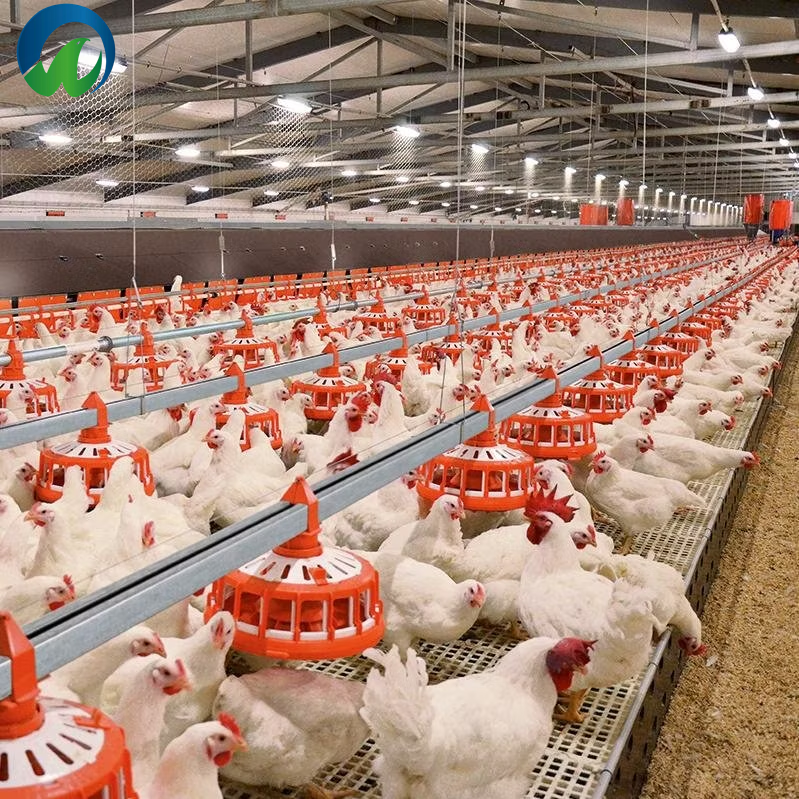
Modern poultry farming faces an ongoing challenge that directly impacts bird health, production efficiency, and profitability: maintaining rigorous hygiene standards across feeding and drinking systems. The flat feeding drinking line has emerged as a critical infrastructure component that addresses this challenge through engineered design principles, material selection, and operational protocols. Unlike traditional feeding methods that often create contamination hotspots, contemporary automated systems integrate multiple hygiene-preserving mechanisms that minimize pathogen transmission, reduce manual handling contamination, and support biosecurity frameworks essential for commercial-scale operations.
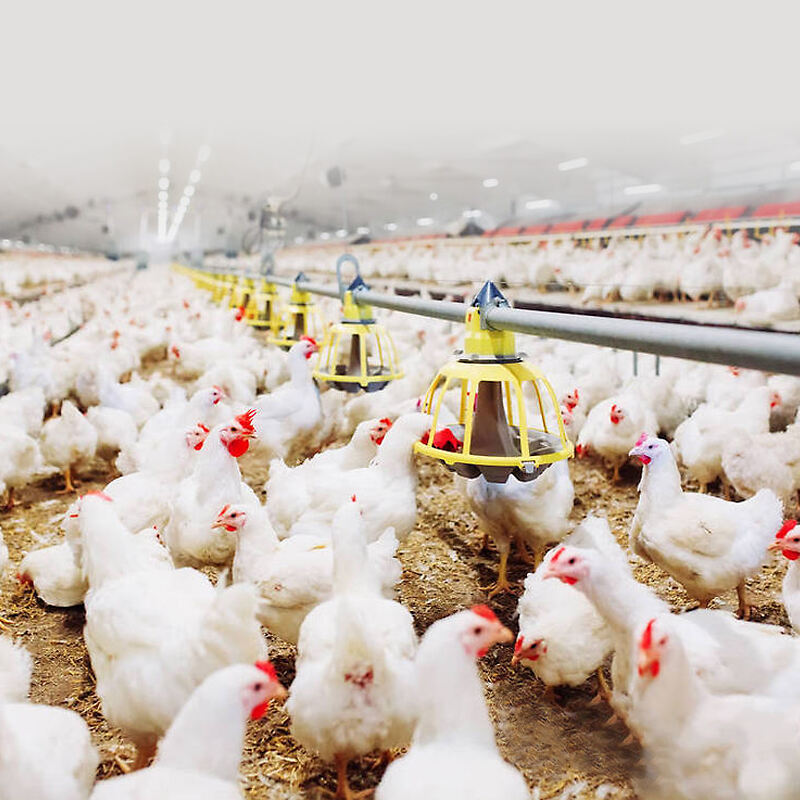
The hygiene maintenance mechanisms in feeding and drinking lines operate through interconnected engineering strategies that prevent microbial colonization, facilitate effective cleaning, and ensure continuous delivery of uncontaminated feed and water. These systems employ closed-delivery architectures, antimicrobial material compositions, self-draining geometries, and automated flushing capabilities that collectively reduce disease pressure within poultry houses. Understanding how these technical features translate into practical hygiene outcomes enables farm managers to optimize system selection, maintenance scheduling, and operational protocols that protect flock health while meeting regulatory standards for food safety and animal welfare.
Engineering Design Principles That Prevent Contamination Accumulation
Closed System Architecture and Environmental Isolation
The fundamental hygiene advantage of modern flat feeding drinking line systems stems from their closed-loop design that isolates feed and water from environmental contaminants throughout the distribution pathway. Traditional open feeding systems expose nutritional resources to airborne particles, dust, feather debris, and fecal contamination that rapidly multiply bacterial populations. Closed piping networks with sealed connection points eliminate these exposure vectors, creating a controlled microenvironment where only pre-sanitized resources contact birds at designated access points.
This architectural approach extends from storage silos through main distribution lines to individual feeding pans or drinker nipples, maintaining barrier integrity across the entire delivery chain. Sealed feed bins equipped with filtered air vents prevent atmospheric moisture infiltration that promotes mold growth, while pressure-regulated water lines minimize backflow risks that could introduce contaminants from bird contact zones. The systematic elimination of open interfaces reduces microbial load by orders of magnitude compared to manual feeding methods, creating baseline hygiene conditions that subsequent cleaning protocols can effectively maintain.
Material Selection for Antimicrobial Surface Properties
Contemporary flat feeding drinking line components utilize engineered polymers and corrosion-resistant metals specifically selected for their antimicrobial surface characteristics and cleanability profiles. Food-grade plastics with smooth, non-porous finishes prevent bacterial adhesion and biofilm formation that occur readily on rough or degraded surfaces. Stainless steel elements in water delivery systems resist oxidation and mineral scaling that create protective niches for pathogen survival, while specialized polymer formulations incorporate antimicrobial additives that actively inhibit microbial colonization on contact surfaces.
The material science behind these selections addresses both immediate contamination prevention and long-term system durability. High-density polyethylene and polypropylene compounds maintain structural integrity through repeated chemical cleaning cycles without developing microfractures that harbor bacteria, while UV-stabilized formulations resist degradation from cleaning agents and environmental exposure. These material properties enable aggressive sanitation protocols that would rapidly compromise inferior materials, ensuring that hygiene infrastructure maintains its protective capabilities throughout extended service life in demanding production environments.
Self-Draining Geometry and Stagnation Prevention
The geometric design of piping networks and component interfaces in flat feeding drinking line installations incorporates self-draining features that eliminate standing water and residual feed accumulation. Strategically engineered slopes, drain ports, and junction configurations ensure complete fluid evacuation during system downtime and cleaning cycles, preventing the stagnant conditions where microbial populations explosively multiply. Water lines designed with continuous gentle gradients drain completely when supply is interrupted, while feed augers with pitched troughs shed residual particles rather than allowing accumulation in low-velocity zones.
This attention to fluid dynamics extends to component-level design details including drinker valve assemblies, feed pan connections, and inspection ports. Smooth radius transitions replace sharp corners where particles lodge, while valve mechanisms incorporate spring-loaded closure systems that prevent drip accumulation beneath drinker points. The cumulative effect of these geometric refinements dramatically reduces the maintenance burden required to achieve sanitary conditions, as gravity-assisted evacuation removes the bulk of potential contamination without manual intervention between production cycles.
Operational Protocols That Sustain System Cleanliness
Automated Flushing Sequences and Chemical Sanitization
Modern flat feeding drinking line systems incorporate programmable flushing protocols that systematically purge distribution networks with sanitizing solutions at scheduled intervals. Automated controllers activate sequenced valve operations that flush water lines with chlorinated solutions or approved disinfectants, maintaining residual antimicrobial concentrations that suppress bacterial proliferation between complete cleaning cycles. These routine flushes remove biofilm precursors before they establish protective matrices, preventing the progressive contamination buildup that compromises water quality in static systems.
The chemical sanitization protocols integrate with farm management systems to coordinate cleaning cycles with production schedules, maximizing contact time during bird-free intervals while ensuring complete residue removal before flock placement. Programmable dosing pumps inject precise sanitizer concentrations that achieve microbial kill targets without creating chemical residues that affect bird health or leave taste deterrents that reduce water consumption. This systematic approach transforms hygiene maintenance from labor-intensive manual processes into consistent, verifiable procedures that maintain baseline sanitation regardless of staffing variables or operational pressures.
Feed Flow Management and Turnover Optimization
Hygiene maintenance in feeding components of the flat feeding drinking line depends critically on ensuring continuous feed turnover that prevents prolonged storage within distribution systems. Advanced feed management protocols calculate delivery volumes matched to flock consumption patterns, minimizing retention time in auger systems and feed pans where humidity exposure and temperature fluctuations can trigger mold development or nutritional degradation. Variable-speed auger controls adjust delivery rates in response to real-time consumption monitoring, maintaining just-in-time supply strategies that keep feed moving through the system.
This dynamic flow management complements physical system design by addressing the temporal dimension of contamination risk. Fresh feed introduced at appropriate intervals displaces aged material before quality deterioration occurs, while coordinated pan fill levels prevent both wastage from overflow and stagnation from insufficient circulation. The integration of sensors that monitor feed levels and consumption rates enables predictive adjustments that optimize turnover rates across varying growth phases, maintaining hygiene standards through operational intelligence rather than relying solely on physical barriers.
Routine Inspection and Preventive Maintenance Schedules
Effective hygiene maintenance requires systematic inspection protocols that identify emerging contamination risks before they compromise system integrity. Trained personnel conduct regular visual assessments of feed and water line components, checking for biofilm formation, mineral deposits, mechanical wear, and seal degradation that could create hygiene vulnerabilities. These inspections follow documented checklists that ensure comprehensive coverage of critical control points including storage interfaces, line connections, valve assemblies, and end-point delivery mechanisms where contamination risks concentrate.
The preventive maintenance schedules derived from these inspections address wear components before failure, replacing seals, filters, and valve elements according to manufacturer specifications and observed condition trends. This proactive approach prevents the gradual performance degradation that allows contamination to establish footholds in aging systems, maintaining the hygiene performance characteristics that new installations provide. Documentation of inspection findings and maintenance actions creates verifiable records that support biosecurity audits and regulatory compliance while enabling continuous improvement of maintenance protocols based on actual system performance data.
Water Quality Management and Distribution System Hygiene
Source Water Treatment and Quality Monitoring
The hygiene performance of drinking components within flat feeding drinking line systems begins with source water quality management that eliminates pathogens and contaminants before distribution. Multi-stage filtration removes particulate matter, turbidity, and suspended solids that provide attachment surfaces for bacterial colonization, while chemical treatment protocols address dissolved minerals, pH balance, and microbial populations. Ultraviolet sterilization or chlorination systems provide continuous disinfection that maintains baseline water quality, with residual antimicrobial concentrations sustained throughout distribution networks.
Real-time water quality monitoring integrates sensors that track pH, oxidation-reduction potential, turbidity, and temperature throughout the distribution system, alerting operators to deviations that indicate contamination events or treatment system failures. These monitoring systems create data records demonstrating water quality compliance with poultry health standards while enabling rapid response to quality excursions before they affect flock health. The combination of proactive treatment and continuous verification establishes water hygiene as a controlled variable rather than an assumed condition, elevating drinking water management from basic provision to precision resource delivery.
Nipple Drinker Design and Contamination Prevention
Nipple drinker technology represents a critical hygiene advancement in flat feeding drinking line systems by eliminating open water surfaces where fecal contamination and backwash introduce pathogens. Modern nipple designs incorporate spring-loaded pins that birds activate through pecking action, delivering measured water volumes while maintaining sealed closure between drinking events. This mechanical interface prevents backward flow of saliva or beak debris into supply lines, maintaining one-way delivery that protects water quality throughout the distribution network.
Advanced nipple configurations include cup attachments that capture excess water release, preventing spillage that creates wet litter conditions conducive to bacterial proliferation and ammonia generation. These integrated designs balance bird access convenience with hygiene protection, using gravity-draining cup geometries that prevent standing water accumulation while providing visual cues that encourage drinking behavior. The systematic elimination of contamination pathways at bird-system interfaces represents a fundamental hygiene improvement over bell drinkers or open troughs that continuously expose water to environmental contamination.
Pressure Regulation and Flow Velocity Control
Water line pressure management directly influences hygiene maintenance by controlling flow velocities that prevent sediment deposition and support effective flushing protocols. Properly regulated pressure maintains sufficient flow rates through distribution lines to prevent stagnant zones where biofilm formation initiates, while avoiding excessive velocities that cause erosion of pipe materials or drinker mechanism wear. Pressure-reducing valves and flow restrictors create consistent delivery conditions across extensive line lengths, ensuring uniform hygiene performance from nearest to farthest drinker points.
The engineering of pressure management systems considers both normal operational requirements and enhanced flushing protocols, providing adjustable flow capabilities that support routine sanitation procedures. Higher flush velocities during cleaning cycles generate turbulent flow that dislodges biofilm and sediment accumulations, while normal operating pressures optimize water delivery without creating wasteful spillage. This dual-mode capability enables flat feeding drinking line systems to maintain hygiene through operational flexibility rather than relying exclusively on chemical treatments or manual intervention.
Feed Delivery Hygiene in Automated Distribution Systems
Auger System Design and Residue Minimization
The mechanical feed delivery components of flat feeding drinking line systems utilize auger designs optimized for complete feed transport with minimal residue accumulation. Precision-manufactured spiral flights maintain consistent clearances with tube walls, creating efficient material transfer that prevents particle buildup in low-velocity zones. Stainless steel or coated auger flights resist corrosion and wear while providing smooth surfaces that shed feed particles rather than accumulating sticky residues, particularly important when delivering feeds containing molasses or fat supplements.
Modern auger motors incorporate variable frequency drives that adjust rotation speeds according to feed characteristics and delivery distances, preventing both excessive particle breakage from high-speed operation and incomplete transport from insufficient velocity. This operational flexibility maintains feed quality while supporting hygiene objectives, as properly transported feed arrives at delivery points in optimal condition without the deterioration that occurs when particles are subjected to mechanical damage or prolonged retention within distribution systems. The integration of torque monitoring detects auger blockages or overload conditions that could create stagnation points, enabling immediate intervention before contamination develops.
Feed Pan Configuration and Access Management
The terminal delivery points in flat feeding drinking line systems utilize feed pan designs that balance bird access requirements with contamination prevention objectives. Adjustable pan heights maintain appropriate positioning throughout growth phases, ensuring that birds access feed without scratching behavior that introduces litter contamination into feeding areas. Pan depth and rim configurations prevent spillage while discouraging perching behavior that leads to fecal contamination of feed supplies, creating physical barriers between environmental contamination sources and nutritional resources.
Advanced pan designs incorporate grille inserts or cone structures that limit feed depth while maximizing surface area, encouraging natural feeding behavior while preventing birds from standing in feed or defecating into pans. These geometric features work synergistically with adjustable fill levels to maintain fresh feed presentation without wasteful overfilling that leads to staleness or contamination accumulation. The systematic attention to access interface design represents a critical hygiene control point where engineering solutions directly influence bird interaction patterns that affect feed quality maintenance.
Storage Silo Hygiene and Feed Preservation
External feed storage silos that supply flat feeding drinking line systems incorporate multiple design features that preserve feed quality and prevent contamination during bulk storage periods. Sealed inspection hatches with gasket systems prevent atmospheric moisture infiltration while providing access for routine cleanliness verification, while filtered ventilation ports equalize pressure during filling operations without admitting environmental contaminants. Interior surfaces utilize smooth finishes that facilitate complete cleanout between feed batches, preventing cross-contamination when feed formulations change.
Temperature management within storage silos addresses the biological activity that compromises feed hygiene during warm weather periods. Insulated silo walls combined with ventilation systems prevent heat accumulation that accelerates mold growth and insect proliferation, while moisture sensors monitor conditions that could trigger quality deterioration. The integration of silo monitoring with overall farm management systems creates visibility into storage conditions that affect downstream hygiene performance, enabling proactive interventions that prevent contamination at the earliest supply chain stage.
System Integration and Comprehensive Biosecurity Frameworks
Coordinated Cleaning Protocols and Production Cycle Management
Comprehensive hygiene maintenance requires coordinated cleaning protocols that address all flat feeding drinking line components during production cycle transitions. Systematic procedures document the sequential cleaning of storage systems, distribution lines, and delivery points using compatible cleaning agents and verified contact times. These protocols distinguish between routine operational cleaning performed during flock presence and deep sanitation conducted during depopulation intervals, with intensity and chemical selection appropriate to each context.
The coordination of cleaning activities with production scheduling maximizes system accessibility while minimizing economic disruption, conducting major maintenance during planned downtime rather than allowing gradual contamination buildup that eventually forces emergency interventions. Documented cleaning records create verifiable evidence of hygiene maintenance for biosecurity audits and regulatory inspections, while standardized procedures ensure consistent execution regardless of personnel changes. This systematic approach transforms hygiene maintenance from reactive responses to proactive management, maintaining system performance through planned interventions rather than crisis-driven corrections.
Personnel Training and Hygiene Protocol Compliance
The effectiveness of engineered hygiene features in flat feeding drinking line systems depends ultimately on personnel understanding and consistent protocol execution. Comprehensive training programs educate farm staff on contamination pathways, cleaning procedure rationale, and monitoring techniques that verify hygiene maintenance. Hands-on demonstrations ensure competency in equipment operation, chemical handling, and inspection procedures, while ongoing refresher training addresses evolving best practices and system modifications.
Protocol compliance monitoring verifies that established procedures receive consistent implementation through supervision, checklist documentation, and periodic audit processes. Management systems track cleaning completion, chemical usage rates, and inspection findings, identifying performance trends that indicate training needs or protocol refinement opportunities. This human factors dimension of hygiene maintenance recognizes that even optimally designed systems require informed operators who understand their role in maintaining the protective barriers that engineering provides.
Performance Metrics and Continuous Improvement
Quantitative assessment of hygiene maintenance effectiveness utilizes multiple performance metrics that translate system conditions into actionable management information. Microbiological sampling of water and feed at strategic points throughout flat feeding drinking line systems provides direct contamination measurements, while flock health indicators including mortality rates, disease incidence, and growth performance reflect the cumulative impact of hygiene practices. Water consumption patterns and feed conversion efficiency offer real-time proxies for system palatability and resource quality that complement periodic laboratory analyses.
The systematic collection and analysis of these metrics enables continuous improvement of hygiene protocols through data-driven decision making. Trend analysis identifies emerging issues before they escalate into health crises, while comparative evaluation of different cleaning agents, frequencies, or procedures reveals optimal maintenance strategies for specific operational contexts. This evidence-based approach elevates hygiene management from prescriptive rule-following to adaptive optimization, continuously refining practices based on measured outcomes rather than static assumptions.
FAQ
How often should flat feeding drinking line systems undergo complete sanitation?
Complete sanitation of flat feeding drinking line systems should occur during production cycle transitions between flocks, typically every 42 to 56 days depending on production schedules. During active production periods, routine flushing with sanitizing solutions should occur weekly for water lines, while feed systems benefit from monthly inspections and cleanouts of accessible components. High-biosecurity operations or farms with previous disease challenges may implement more frequent deep cleaning protocols, with quarterly disassembly and chemical treatment of critical components. The specific frequency depends on water quality characteristics, environmental conditions, flock health history, and regulatory requirements applicable to the operation.
What are the most critical control points for contamination prevention in these systems?
The most critical contamination control points in flat feeding drinking line systems include source water entry interfaces where external contaminants can enter distribution networks, storage silo inspection ports and ventilation systems that connect bulk feed to atmospheric conditions, and bird-system interfaces at nipple drinkers and feed pans where backflow or behavioral contamination can occur. Additionally, system dead-ends where flow velocities drop to zero create stagnation zones requiring special attention, while connection joints and valve assemblies represent potential breach points in otherwise sealed systems. Maintenance protocols should prioritize these critical control points with enhanced monitoring frequency and more rigorous cleaning procedures compared to main distribution lines.
Can automated monitoring systems replace manual inspection for hygiene verification?
Automated monitoring systems provide valuable continuous data on water quality parameters, flow rates, and system pressures that indicate potential hygiene issues, but they complement rather than replace manual inspection protocols. Sensors effectively detect quantifiable variables like pH, turbidity, and temperature deviations, enabling rapid response to measurable quality excursions. However, visual inspection remains essential for identifying biofilm formation, mechanical wear, seal degradation, and physical contamination that sensors cannot detect. The optimal approach integrates automated monitoring for real-time operational parameters with scheduled manual inspections that assess physical condition, creating layered verification that combines technological capability with human judgment and situational awareness.
What role does water line material selection play in long-term hygiene maintenance?
Water line material selection fundamentally determines long-term hygiene maintenance requirements and system performance durability. High-quality materials like cross-linked polyethylene or polypropylene resist biofilm adhesion through smooth interior surfaces while maintaining structural integrity through repeated chemical cleaning cycles. Inferior materials develop surface roughness from chemical exposure or mechanical wear, creating protected niches where bacteria colonize despite cleaning efforts. Material choices also affect scaling susceptibility in hard water conditions, with some polymers resisting mineral deposition better than others. The initial investment in premium materials reduces lifetime maintenance costs by extending replacement intervals and supporting more aggressive sanitation protocols without material degradation, making material selection a critical long-term hygiene investment rather than a simple procurement decision.
Table of Contents
- Engineering Design Principles That Prevent Contamination Accumulation
- Operational Protocols That Sustain System Cleanliness
- Water Quality Management and Distribution System Hygiene
- Feed Delivery Hygiene in Automated Distribution Systems
- System Integration and Comprehensive Biosecurity Frameworks
-
FAQ
- How often should flat feeding drinking line systems undergo complete sanitation?
- What are the most critical control points for contamination prevention in these systems?
- Can automated monitoring systems replace manual inspection for hygiene verification?
- What role does water line material selection play in long-term hygiene maintenance?