 EN
EN

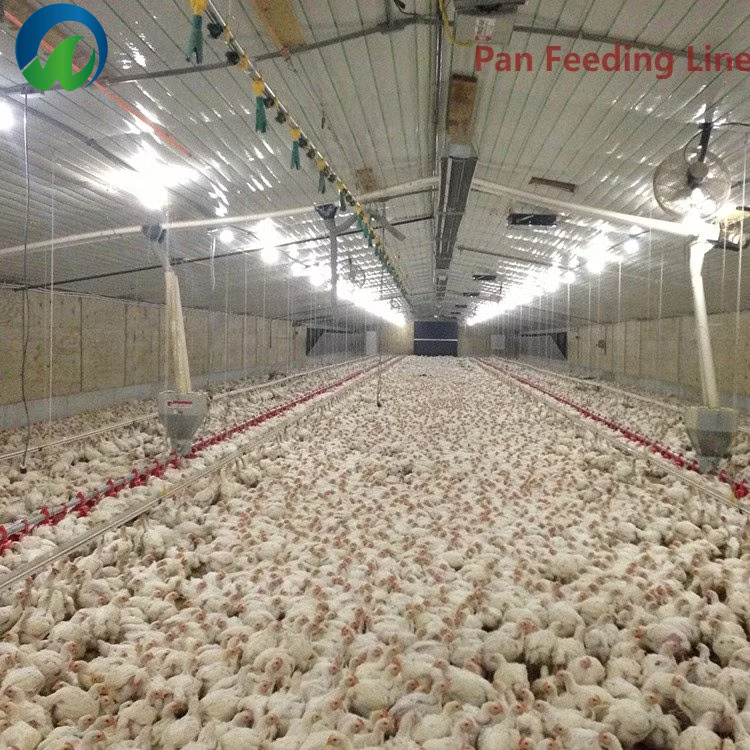
Poultry producers worldwide consistently seek operational strategies that maximize flock performance while controlling costs and labor inputs. Among the infrastructure decisions that directly influence bird development, the configuration of feeding and watering systems stands as a critical determinant of daily weight gain, feed conversion efficiency, and overall production outcomes. Modern flat feeding drinking line systems have emerged as a widely adopted solution across commercial broiler and layer operations, yet the specific ways in which configuration choices—such as line spacing, feeder height adjustment protocols, drinker placement density, and environmental integration—impact poultry growth rates remain underappreciated by many farm managers. Understanding these relationships enables producers to optimize system layouts during facility design and to implement management practices that align equipment performance with genetic potential, ultimately translating infrastructure investment into measurable improvements in bird health, uniformity, and market readiness.
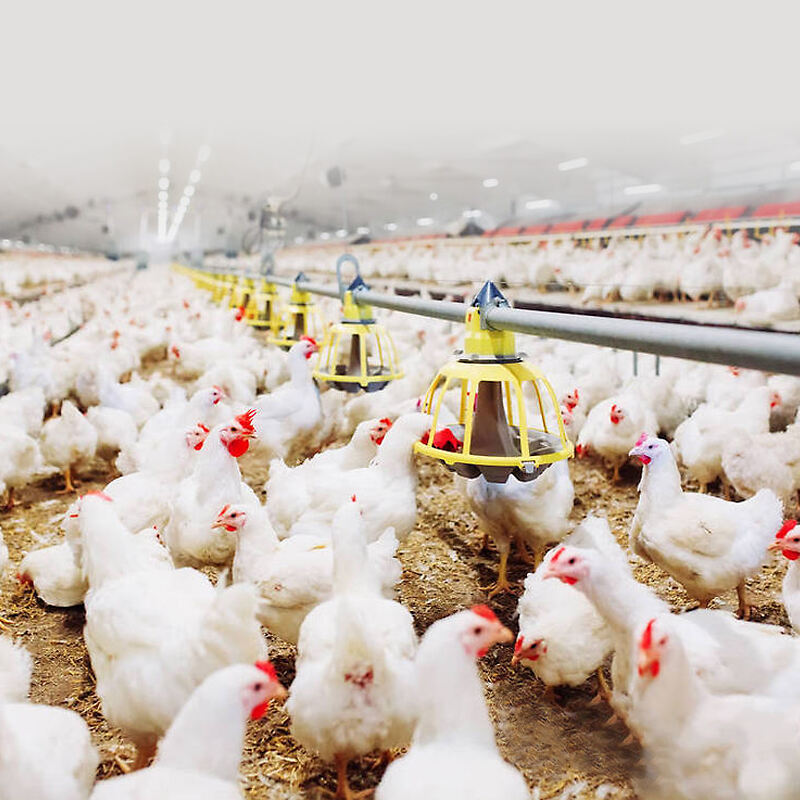
The influence of flat feeding drinking line configurations on growth rates operates through multiple interconnected pathways, including nutrient access uniformity, behavioral stress reduction, disease pressure mitigation, and metabolic energy conservation. Birds that encounter optimal access to feed and water throughout each growth phase allocate more energy toward tissue synthesis rather than competitive foraging or stress response, resulting in superior average daily gain and reduced coefficient of variation within flocks. Configuration parameters such as the number of feeding points per thousand birds, the spatial relationship between feeders and drinkers, and the synchronization of equipment adjustments with flock age collectively determine whether the system supports or constrains genetic growth potential. This article examines the mechanistic connections between flat feeding drinking line design choices and poultry development outcomes, offering practical guidance for producers aiming to extract maximum performance from their housing and equipment investments.
Mechanisms Linking Feeding and Drinking Line Layout to Growth Performance
Nutrient Access Uniformity and Competitive Behavior Reduction
The spatial distribution of feeding points along a flat feeding drinking line directly influences the degree of competition birds experience during feeding periods, which in turn affects individual feed intake and growth consistency across the flock. When feeder spacing is insufficient relative to bird density, dominant individuals monopolize prime feeding positions, forcing subordinate birds to wait or consume feed during suboptimal periods when activity levels are high and environmental temperatures may be elevated. This competitive dynamic not only reduces total feed consumption among lower-ranking birds but also increases energy expenditure associated with social conflict and movement, diverting metabolic resources away from tissue growth. Research conducted across multiple broiler trials has demonstrated that flocks housed with inadequate feeder space exhibit wider weight distributions at market age, with the lightest tertile of birds often falling significantly below genetic growth curves. Conversely, flat feeding drinking line configurations that provide at least four centimeters of linear feeder space per bird during the finisher phase enable simultaneous feeding access for a larger proportion of the flock, minimizing wait times and aggressive interactions. This democratization of nutrient access translates directly into improved flock uniformity and elevated average daily gain, as more birds consistently achieve their genetic potential for growth rather than being constrained by equipment-imposed competition.
Hydration Status and Metabolic Efficiency Optimization
Water availability and consumption patterns exert profound effects on poultry growth rates through multiple physiological pathways, including thermoregulation support, nutrient digestion facilitation, and cellular metabolic function maintenance. Birds experiencing even mild dehydration exhibit reduced feed intake due to the physiological coupling between water consumption and voluntary feed consumption, with research indicating that broilers typically consume water at approximately twice the mass of feed consumed. When flat feeding drinking line systems incorporate drinker spacing or flow rate configurations that limit water access, birds may reduce feed intake proportionally, directly constraining growth rates regardless of feed nutrient density. Additionally, suboptimal hydration compromises digestive efficiency by reducing the fluidity of intestinal contents and impairing enzyme activity, leading to decreased nutrient absorption coefficients and elevated feed conversion ratios. Effective flat feeding drinking line configurations position drinker points at intervals that ensure no bird travels more than three meters to access water, while maintaining flow rates sufficient to support peak consumption periods without creating wet litter conditions. Systems incorporating nipple drinkers with flow rates calibrated to bird age enable high water intake without waste, supporting optimal hydration status throughout the growth cycle. This consistent water availability sustains voluntary feed consumption at genetic potential levels while maintaining digestive function efficiency, both of which contribute directly to maximized daily weight gain and improved feed-to-gain ratios that define economically successful production cycles.
Behavioral Pattern Support and Energy Expenditure Management
Poultry exhibit natural behavioral rhythms involving alternating periods of feeding, drinking, resting, and social interaction, and the spatial configuration of flat feeding drinking line systems either facilitates or disrupts these patterns with direct consequences for energy balance and growth. Birds expend significant metabolic energy during locomotion between resource points, and configurations requiring excessive movement between feeders and drinkers impose an energy tax that reduces the calories available for tissue synthesis. Time-budget studies using video surveillance have revealed that broilers in suboptimally configured houses spend up to twenty percent more time walking compared to birds in well-designed facilities, representing a meaningful diversion of energy from productive growth. Furthermore, configurations that force birds to choose between feeding and drinking locations due to crowding or poor spatial relationships can disrupt natural behavioral sequences, increasing stress hormone concentrations that negatively affect growth hormone signaling and muscle protein deposition. Optimal flat feeding drinking line configurations position feeders and drinkers in alternating patterns along the length of the house, creating multiple feeding-drinking clusters that reduce average travel distances while supporting natural behavioral transitions. This spatial organization minimizes unnecessary locomotion, reduces social stress at resource points, and enables birds to allocate maximum energy toward growth rather than maintenance activities. The cumulative effect of these energy savings manifests as measurably improved feed conversion efficiency and elevated growth rates, particularly during the critical mid-growth phase when daily gain peaks and energy demands are highest.
Critical Configuration Parameters That Determine Growth Outcomes
Line Spacing and Bird Density Relationships
The distance between parallel flat feeding drinking line runs establishes the foundational spatial framework that determines bird movement patterns, feeder access distribution, and litter quality maintenance throughout the production cycle. Industry standards typically recommend line spacing between 2.5 and 3.5 meters for broiler operations, but optimal spacing varies based on target stocking density, house width, ventilation system design, and management intensity. Narrow line spacing in high-density operations can create congestion zones between lines during peak activity periods, limiting bird access to both feeders and drinkers simultaneously and forcing subordinate individuals toward house perimeters where environmental conditions may be less favorable. Conversely, excessively wide line spacing in attempt to reduce congestion can increase average travel distances to the point where energy expenditure negates the benefits of reduced competition, particularly for younger birds with limited locomotor capacity. Effective flat feeding drinking line configurations balance these competing factors by calibrating line spacing to maintain no more than 35 kilograms of live weight per square meter at market age while ensuring that all birds can access feeding and drinking points within efficient travel distances. Additionally, line spacing must account for equipment servicing requirements and litter management access, as compromised litter quality due to inadequate maintenance pathways indirectly affects growth through increased disease pressure and behavioral disruption. Producers achieving superior growth outcomes typically employ line spacing that creates a modular house layout with clearly defined bird zones, each serviced by dedicated feeding and drinking resources that prevent cross-traffic congestion while maintaining operational accessibility for daily management tasks.
Height Adjustment Protocols Throughout the Growth Cycle
The vertical positioning of feeders and drinkers relative to bird back height represents one of the most management-intensive aspects of flat feeding drinking line operation, yet proper height adjustment throughout the growth cycle yields substantial dividends in feed efficiency and growth rate optimization. Birds consume most efficiently when feeder pans sit at a height approximately equal to their back, reducing neck strain during feeding while minimizing feed spillage that represents both economic loss and litter quality degradation. Similarly, drinker height significantly affects water consumption patterns, with heights set too low creating unsanitary conditions as birds walk through accumulated water, while excessive heights force birds into uncomfortable postures that discourage adequate water intake. The challenge lies in the rapid growth rate of modern broiler genetics, which can require height adjustments multiple times per week during peak growth phases to maintain optimal equipment positioning. Flat feeding drinking line systems incorporating automated or easily adjustable height mechanisms enable producers to maintain ideal positioning throughout the cycle without excessive labor investment. Management protocols that specify height adjustments synchronized with weekly weighing events ensure that equipment positioning tracks actual bird development rather than calendar age, accommodating variations in growth rate between flocks and houses. Research comparing flocks with diligent height adjustment protocols versus static equipment positioning has documented growth rate improvements of five to eight percent and feed conversion improvements of three to six points, demonstrating the substantial performance impact of this seemingly simple management practice. The mechanistic explanation involves both increased voluntary feed intake due to reduced feeding effort and decreased energy expenditure for feed acquisition, both contributing to enhanced nutrient availability for tissue growth.
Drinker Density and Water Delivery System Integration
Water consumption requirements for rapidly growing poultry create significant demands on flat feeding drinking line configurations, as inadequate drinker density can become a bottleneck limiting both hydration status and feed intake regardless of feeder system adequacy. Modern broiler lines exhibit peak water consumption rates during afternoon hours when environmental temperatures are highest, creating temporary demand surges that can overwhelm systems designed only for average consumption rates. Industry recommendations typically specify one nipple drinker per eight to twelve birds for broiler operations, but optimal density depends on nipple flow rate, line pressure consistency, bird genetics, and thermal environment management. Underprovision of drinker points forces birds into queuing behavior during peak demand periods, resulting in some individuals experiencing insufficient water access that triggers voluntary feed intake reduction and compromised thermoregulation capacity. Additionally, competition at drinker points can activate stress responses that elevate circulating corticosterone concentrations, which interfere with growth hormone signaling and protein synthesis pathways essential for optimal growth. Effective flat feeding drinking line configurations integrate drinker spacing that ensures adequate access during peak consumption periods while incorporating pressure regulation systems that maintain consistent flow rates across all drinker points regardless of simultaneous usage. Systems employing cup drinkers as supplementary water sources in addition to nipple lines provide backup access that prevents bottlenecks during high-demand periods while accommodating natural behavioral preferences of some birds. The performance impact of optimal drinker density manifests through sustained voluntary feed intake throughout all daylight hours, maintained thermoregulatory efficiency during heat stress periods, and reduced social stress that collectively support maximum genetic expression of growth potential.
Environmental Control Integration with Feeding and Drinking Systems
Ventilation Pattern Coordination with Equipment Layout
The interaction between flat feeding drinking line positioning and house ventilation patterns creates microenvironmental conditions that significantly influence bird comfort, activity levels, and ultimately growth performance. Feed and water consumption patterns concentrate birds along equipment lines during active periods, creating zones of elevated heat and moisture production that ventilation systems must effectively manage to prevent localized thermal stress. Suboptimal coordination between equipment layout and air movement patterns can result in dead air zones along feeding lines where temperature and humidity accumulate above threshold levels, reducing bird comfort and time spent feeding during these periods. Conversely, excessive air velocity directly over feeding and drinking lines can create drafts that deter bird activity in those zones, particularly affecting younger birds with limited thermoregulatory capacity. Sophisticated flat feeding drinking line configurations account for prevailing air movement patterns during facility design, positioning lines perpendicular to primary air flow in tunnel-ventilated houses to ensure uniform environmental conditions along equipment length. In cross-ventilated facilities, alternating feeder and drinker positions between inlet and outlet zones prevents the concentration of bird activity in areas with suboptimal air quality or temperature profiles. Additionally, configuration planning considers the thermal environment created by birds congregating at feeding and drinking points, ensuring adequate air exchange rates in those zones to maintain target temperature ranges throughout daily activity cycles. Producers achieving consistent growth performance across seasonal variations typically demonstrate superior integration between flat feeding drinking line layouts and environmental control strategies, recognizing that equipment configuration must support rather than conflict with thermal management objectives.
Lighting Program Compatibility and Behavioral Synchronization
Photoperiod management exerts powerful effects on poultry feeding behavior, activity patterns, and growth rates, and flat feeding drinking line configurations must support rather than constrain the behavioral responses that lighting programs aim to induce. Modern broiler lighting protocols often employ intermittent lighting schedules with multiple dark periods designed to promote rest, reduce metabolic disorders, and improve leg health without sacrificing growth rates. The effectiveness of these programs depends partly on equipment configurations that enable birds to quickly access feed and water during lighted periods, maximizing nutrient intake within the available feeding windows. Flat feeding drinking line systems with inadequate feeder density or poor spatial distribution may create bottlenecks during the initial feeding surge following dark periods, preventing some birds from achieving target nutrient intake within the lighted phase. This constraint becomes particularly problematic in programs with shortened photoperiods where total daily feeding time is compressed, making efficient equipment access critical for maintaining growth rates. Optimal configurations provide sufficient feeding and drinking capacity to accommodate surge consumption at the beginning of each light period without competition delays, typically requiring slightly higher equipment density compared to continuous lighting programs. Additionally, line positioning that creates uniform light distribution along equipment length prevents the development of preferred feeding zones based on light intensity variations, supporting even flock distribution and uniform access throughout lighted periods. Research comparing growth outcomes under identical lighting programs but different equipment configurations has revealed that inadequate feeder density can negate up to thirty percent of the expected benefits from optimized photoperiod management, underscoring the critical interaction between lighting strategy and flat feeding drinking line design decisions.
Temperature Zone Management and Equipment Positioning Strategy
Poultry houses inevitably contain thermal gradients due to heating system placement, ventilation air distribution patterns, and external wall effects, and strategic flat feeding drinking line positioning can either exploit or mitigate these temperature variations to support growth optimization. Young birds during the brooding phase seek warmer zones near heating sources, while older birds during the finisher phase preferentially occupy cooler areas to facilitate heat dissipation during periods of peak metabolic heat production. Equipment configurations that position feeders and drinkers exclusively in zones that become thermally suboptimal as birds age can reduce voluntary feed intake and compromise growth rates during critical development phases. Sophisticated facility designs employ flat feeding drinking line layouts that span thermal gradients, enabling birds to self-select feeding and drinking locations based on their momentary thermoregulatory needs without foregoing nutrient access. This approach proves particularly valuable during transitional seasons when diurnal temperature swings create shifting optimal thermal zones throughout the day, as equipment distribution across the thermal landscape ensures continuous access regardless of where birds congregate for comfort. Additionally, positioning drinker lines in slightly cooler zones compared to feeder lines can encourage birds to move between thermal environments during natural feeding-drinking behavioral sequences, preventing prolonged occupation of excessively warm areas that could trigger heat stress responses. The growth performance benefits of thermally intelligent equipment positioning manifest through sustained voluntary feed intake across all thermal conditions, reduced energy expenditure for thermoregulation, and behavioral flexibility that enables birds to maintain comfort while meeting nutritional requirements. Producers operating in climatically challenging regions consistently report that attention to the thermal integration of flat feeding drinking line configurations yields growth rate advantages ranging from three to seven percent compared to thermally naive equipment layouts.
Practical Implementation Strategies for Growth Rate Optimization
Initial Configuration Design for New Construction or Renovation
The opportunity to optimize flat feeding drinking line configurations for growth performance begins during facility planning, when spatial constraints are minimal and equipment positioning can be integrated with structural, environmental, and operational requirements. New construction projects should initiate equipment layout planning by establishing target stocking density and market weight objectives, then calculating required feeder and drinker capacity based on genetic performance standards rather than minimum industry recommendations. This approach ensures that equipment capacity supports genetic potential rather than merely meeting basic survival needs, creating the foundation for superior growth outcomes. Equipment manufacturers and system designers recommend positioning flat feeding drinking line runs to create modular house zones of approximately twelve to fifteen meters in width, each serviced by independent feeding and drinking resources that prevent cross-traffic and enable section-specific management when needed for health or experimental purposes. Line length within each zone should not exceed dimensions that maintain consistent feed delivery and water pressure at all points, typically ranging between seventy and one hundred meters depending on system specifications and house width. Initial configuration design must also incorporate adequate clearance for equipment servicing, bird catching operations, and mortality removal without requiring movement of installed lines, as operational disruption during the production cycle negatively affects bird behavior and growth consistency. Forward-thinking producers increasingly specify flat feeding drinking line systems with integrated height adjustment mechanisms and modular component designs that enable configuration refinement based on operational experience without requiring complete equipment replacement. The investment in sophisticated initial configuration design typically yields returns through improved growth rates and feed efficiency that accumulate across multiple production cycles, with payback periods often under three years even when premium equipment systems are specified.
Progressive Adjustment Protocols Aligned with Flock Development
Maximizing the growth performance benefits of flat feeding drinking line systems requires dynamic management that adjusts equipment parameters in synchronization with changing bird requirements throughout the production cycle. The most critical adjustment involves feeder and drinker height modifications that track bird growth, with optimal protocols specifying initial height settings during chick placement and subsequent adjustment schedules tied to weekly flock weighing results rather than rigid calendar dates. Leading producers employ management checklists that trigger equipment adjustments whenever average bird weight increases by predetermined increments, ensuring that positioning remains optimal regardless of variations in growth rate between flocks. Additionally, progressive feeder pan depth adjustment throughout the cycle optimizes feed presentation, with shallower settings during early growth reducing the effort required for small birds to access feed, transitioning to deeper settings as birds mature and require greater feed volume per feeding visit. Water system management protocols should specify progressive increases in line pressure or flow rate calibration as bird size and consumption capacity increase, preventing the development of hydration deficits during rapid growth phases when water requirements escalate faster than many producers anticipate. Some advanced flat feeding drinking line installations incorporate automated monitoring systems that track feed and water consumption patterns in real-time, alerting managers to deviations from expected profiles that may indicate equipment positioning issues, environmental problems, or emerging health challenges before growth rate impacts become measurable. The discipline required to implement progressive adjustment protocols consistently across multiple houses and production cycles separates producers achieving elite growth performance from those obtaining average results, as the cumulative effect of maintaining optimal equipment positioning throughout each flock's development maximizes the proportion of days when birds grow at their genetic potential rather than being constrained by management oversights.
Performance Monitoring and Configuration Refinement Methodology
Continuous improvement in flat feeding drinking line configuration effectiveness requires systematic performance monitoring that connects equipment parameters with measurable growth outcomes, enabling evidence-based refinement over successive production cycles. Comprehensive monitoring programs track not only flock-average metrics such as daily weight gain and feed conversion ratio but also within-flock uniformity measurements including coefficient of variation and the percentage of birds falling below target weight ranges at market age. Configurations that support optimal growth demonstrate tight weight distributions with coefficient of variation values below ten percent, indicating that equipment positioning and capacity enable all birds to express genetic potential rather than creating winners and losers based on competitive access. Additionally, monitoring programs should document operational challenges encountered during each cycle, including instances of feeder or drinker line overcrowding during specific growth phases, equipment height adjustment difficulties, or maintenance access problems that required disruptive interventions. Post-flock analysis sessions that systematically review performance data alongside configuration parameters and management event logs reveal opportunities for incremental improvements that compound over time. Progressive producers maintain configuration logbooks documenting equipment settings, adjustment schedules, and corresponding performance outcomes across multiple cycles, building institutional knowledge about optimal practices for their specific facility designs and management systems. When performance monitoring reveals that certain flat feeding drinking line configuration elements consistently correlate with superior growth outcomes, those practices become standardized across the operation's facility portfolio, creating organizational capability that transcends individual manager expertise. The most sophisticated operations employ statistical analysis comparing growth performance across houses with varying equipment configurations to isolate the specific design elements delivering measurable advantages, then systematically implement those findings through renovation projects or new construction specifications. This evidence-based approach to configuration optimization transforms flat feeding drinking line systems from static infrastructure into dynamic tools for continuous growth performance improvement.
FAQ
What is the optimal feeder space allocation per bird in a flat feeding drinking line system to maximize growth rates?
Optimal feeder space requirements vary throughout the growth cycle based on bird size and consumption capacity, but general industry recommendations for broiler operations suggest maintaining at least 2.5 centimeters of linear feeder edge space per bird during the starter phase, increasing to 4 centimeters per bird during the finisher phase when body size and feed intake are maximized. These allocations enable simultaneous feeding access for approximately thirty to forty percent of the flock at any given time, which research has demonstrated to be sufficient for minimizing competitive stress while supporting voluntary feed intake at genetic potential levels. However, producers should recognize that these represent minimum thresholds rather than optimal targets, and operations pursuing maximum growth performance often specify feeder capacity fifteen to twenty percent above minimum recommendations to provide operational margin during peak consumption periods and to accommodate natural variations in feeding behavior across different genetic lines. Additionally, feeder space requirements interact with feeding schedule management, as operations employing restricted feeding programs or intermittent photoperiods may require increased feeder capacity to prevent bottlenecks during surge consumption periods following feed delivery or dark periods.
How frequently should feeder and drinker height adjustments occur in flat feeding drinking line systems during the broiler growth cycle?
Height adjustment frequency should be determined by actual bird growth progression rather than fixed calendar schedules, with best practice protocols specifying adjustments whenever average flock weight increases by predetermined increments that vary based on growth phase and genetic line characteristics. During the rapid growth phase typically occurring between fourteen and thirty-five days of age when broilers gain fifty to seventy grams daily, equipment height adjustments may be necessary twice weekly to maintain optimal positioning as bird back height increases substantially. Earlier in the cycle during the starter phase and later during the finisher phase when daily gain rates are lower, weekly adjustments typically prove sufficient. The practical approach employed by leading producers involves conducting weekly flock weighing sessions and using the measured average weight to calculate appropriate equipment height based on manufacturer specifications, implementing adjustments immediately when positioning deviates more than two centimeters from target height. Systems incorporating mechanical or automated height adjustment mechanisms significantly reduce the labor investment required for frequent adjustments, making optimal positioning economically feasible even for large commercial operations managing multiple houses simultaneously.
Can flat feeding drinking line configurations compensate for suboptimal environmental conditions to maintain growth rates?
While properly designed flat feeding drinking line systems provide birds with improved access to nutritional resources and can partially buffer against environmental challenges, equipment configuration alone cannot fully compensate for significant deficiencies in thermal management, air quality, or biosecurity that create physiological stress beyond what nutritional optimization can overcome. Birds experiencing chronic heat stress, ammonia exposure, or disease challenge will demonstrate reduced voluntary feed intake and compromised nutrient utilization efficiency regardless of feeding and drinking system configuration, as these stressors directly impair metabolic function and redirect energy away from growth toward maintenance and immune responses. However, within the normal operational range of commercial facilities where environmental parameters are generally controlled but may experience occasional fluctuations, superior flat feeding drinking line configurations can minimize the growth rate impact of temporary environmental challenges by ensuring that birds maintain adequate nutrient and water intake during stress periods. For example, increased drinker density and optimal positioning can support elevated water consumption during heat stress events, enhancing evaporative cooling capacity and enabling birds to maintain higher feed intake compared to situations with inadequate water access. The realistic perspective recognizes that equipment configuration and environmental management function as complementary rather than substitutable factors, with optimal growth performance requiring excellence in both domains rather than expecting one to compensate for deficiencies in the other.
What performance indicators suggest that current flat feeding drinking line configurations are limiting flock growth potential?
Several measurable performance indicators signal that equipment configuration may be constraining growth rates and warrant investigation for potential optimization opportunities. The most direct indicator involves flock-average daily gain falling below genetic breed standard expectations when other factors such as health status, nutrition program adequacy, and environmental conditions are confirmed to be appropriate, suggesting that birds are unable to consume sufficient nutrients to support genetic growth potential due to equipment access limitations. Additionally, elevated within-flock weight variation with coefficient of variation values exceeding ten to twelve percent indicates that competitive access is creating growth disparities, with dominant birds achieving acceptable performance while subordinate individuals fall progressively behind target curves. Behavioral observations revealing birds queuing or competing aggressively at feeder or drinker locations, particularly during expected peak consumption periods, directly demonstrate inadequate equipment capacity or suboptimal positioning. Feed conversion ratios trending above breed standards despite confirmed feed quality and health status suggest that birds are expending excessive energy in feed acquisition activities or experiencing stress responses that impair nutrient utilization efficiency, both potentially related to equipment configuration issues. Finally, spatial distribution patterns showing birds avoiding certain house zones or congregating disproportionately in specific areas may indicate that flat feeding drinking line positioning creates preferred access locations, forcing some birds to occupy suboptimal areas with reduced growth performance outcomes.
Table of Contents
- Mechanisms Linking Feeding and Drinking Line Layout to Growth Performance
- Critical Configuration Parameters That Determine Growth Outcomes
- Environmental Control Integration with Feeding and Drinking Systems
- Practical Implementation Strategies for Growth Rate Optimization
-
FAQ
- What is the optimal feeder space allocation per bird in a flat feeding drinking line system to maximize growth rates?
- How frequently should feeder and drinker height adjustments occur in flat feeding drinking line systems during the broiler growth cycle?
- Can flat feeding drinking line configurations compensate for suboptimal environmental conditions to maintain growth rates?
- What performance indicators suggest that current flat feeding drinking line configurations are limiting flock growth potential?