 EN
EN

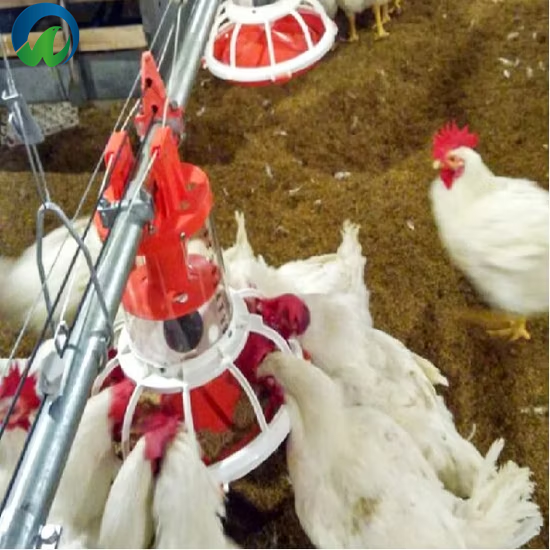
Modern poultry farming increasingly relies on automation to improve efficiency, reduce labor costs, and optimize bird welfare outcomes. Central to this transformation is the integration of feeding and watering systems with farm management platforms. The flat feeding drinking line represents a comprehensive solution that combines both nutritional delivery and hydration in a single streamlined system, designed specifically for floor-raised poultry operations. Understanding how these systems integrate with automated management platforms is essential for producers seeking to maximize operational control and data-driven decision-making capabilities.
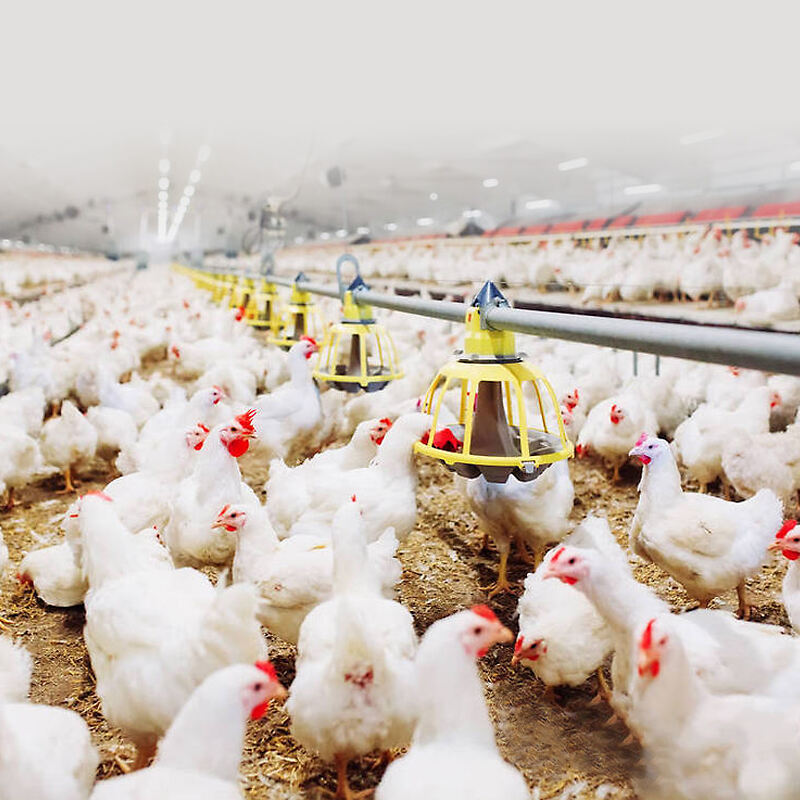
Integration between flat feeding drinking line infrastructure and automated farm management systems occurs through multiple technological pathways, including sensor networks, programmable controllers, and centralized software platforms. This connection enables real-time monitoring of feed consumption patterns, water intake metrics, system performance indicators, and environmental conditions that influence flock behavior. When properly configured, these integrated systems provide farm managers with actionable intelligence that supports proactive intervention, reduces waste, and creates an auditable record of resource utilization throughout production cycles.
System Architecture and Communication Protocols
Hardware Components Enabling Integration
The foundation of integration between a flat feeding drinking line and automated management systems begins with embedded hardware components. Modern systems incorporate flow sensors on water lines, weight-based feed consumption monitors, and pressure transducers that continuously capture operational data. These sensors connect to local control units or programmable logic controllers that aggregate information from multiple zones within a poultry house. The control units typically feature digital communication interfaces such as RS-485, Modbus, or Ethernet connectivity, allowing them to transmit data to centralized farm management platforms.
The physical design of the flat feeding drinking line facilitates sensor placement at strategic intervals along the distribution network. Feed pan sensors detect consumption rates by measuring weight changes or pan activation frequency, while nipple drinker lines incorporate inline flow meters that track water usage per section. These measurement points create a granular data map of resource consumption across the entire floor space, enabling zone-specific analysis and targeted interventions when consumption patterns deviate from expected norms.
Advanced installations include actuators that receive commands from the management system to adjust feed delivery rates, modify water pressure settings, or activate cleaning cycles. This bidirectional communication transforms the flat feeding drinking line from a passive distribution network into an active component of the farm's automated control ecosystem. The hardware architecture must support both monitoring functions and control operations to achieve full integration potential.
Software Integration and Data Exchange Standards
Software integration relies on standardized protocols that enable different system components to exchange information reliably. Modern farm management platforms typically support industry-standard protocols such as Modbus TCP/IP, OPC UA, or proprietary APIs provided by equipment manufacturers. The flat feeding drinking line control system must implement compatible communication protocols to ensure seamless data flow between field-level devices and central management software.
Data exchange occurs at scheduled intervals or in real-time, depending on system configuration and network capacity. Typical data points transmitted from the flat feeding drinking line include cumulative feed consumption, water flow rates, system pressure readings, and alarm status indicators. The management platform processes this information alongside data from other farm systems such as climate control, lighting schedules, and ventilation management to create a holistic operational picture.
Integration software often includes middleware layers that translate between different protocols and normalize data formats. This abstraction layer allows farm managers to view information from multiple equipment brands within a unified interface, reducing training requirements and simplifying operational workflows. The software architecture should support scalability, allowing additional flat feeding drinking line zones or entirely new poultry houses to be incorporated without system redesign.
Network Infrastructure Requirements
Reliable integration depends on robust network infrastructure connecting field devices to central management systems. Wired Ethernet connections offer the most stable communication pathway, though wireless solutions using Wi-Fi or cellular networks provide flexibility in retrofit situations. The network must deliver sufficient bandwidth to handle continuous data streams from multiple flat feeding drinking line zones while maintaining low latency for control commands.
Network segmentation strategies help isolate critical control systems from administrative networks, reducing cybersecurity risks and preventing operational disruptions. Managed switches with quality-of-service capabilities prioritize control traffic over less time-sensitive data, ensuring that commands to adjust feed delivery or water pressure receive immediate processing even during periods of high network utilization.
Redundancy provisions such as backup power supplies for network equipment and failover communication pathways protect against single points of failure. If the primary network connection fails, local controllers managing the flat feeding drinking line should continue autonomous operation based on pre-programmed schedules until connectivity is restored, preventing disruptions to flock nutrition and hydration.
Operational Benefits of Integrated Systems
Real-Time Monitoring and Performance Tracking
Integration enables continuous visibility into flat feeding drinking line performance metrics that would be impossible to capture through manual observation. Farm managers can monitor feed consumption curves throughout the day, identifying deviations from expected patterns that may indicate health issues, equipment malfunctions, or environmental stressors affecting flock behavior. Water intake monitoring provides similar insights, with sudden changes often serving as early warning indicators of disease outbreaks or climate control problems.
The management platform aggregates data from multiple production cycles, establishing baseline performance benchmarks for specific flock ages, genetic lines, and seasonal conditions. These historical comparisons enable more accurate identification of abnormal patterns and support data-driven adjustments to feeding programs. Graphical dashboards present complex information in accessible formats, allowing managers to quickly assess system status across multiple houses or farm locations from a single interface.
Automated reporting functions generate daily, weekly, or cycle-based summaries of resource consumption, feed conversion ratios, and system uptime metrics. These reports support operational reviews, financial analysis, and continuous improvement initiatives by providing objective performance data that eliminates estimation and manual calculation errors common in traditional record-keeping approaches.
Automated Control and Schedule Optimization
Integration transforms the flat feeding drinking line from a manually controlled system into an intelligent component of automated production protocols. Management platforms can execute complex feeding schedules that adjust delivery timing, duration, and quantity based on flock age, target growth curves, and environmental conditions. This automation reduces labor requirements while ensuring consistent implementation of nutritional programs designed by poultry nutritionists.
Dynamic adjustment capabilities allow the system to modify operations in response to real-time conditions. If temperature sensors indicate heat stress conditions, the management platform can automatically increase water line pressure or extend drinking periods to encourage hydration. Similarly, if feed consumption falls below expected levels during a scheduled feeding period, the system can extend pan availability or adjust feed depth to improve accessibility.
Coordinated control between the flat feeding drinking line and other farm systems optimizes overall production efficiency. Feeding schedules can synchronize with lighting programs to encourage natural feeding behavior patterns, while water availability can increase before and after feeding periods to support digestion and nutrient absorption. This systematic coordination would be extremely difficult to achieve through manual control methods.
Resource Efficiency and Waste Reduction
Precise monitoring and control capabilities inherent in integrated systems significantly reduce resource waste. The flat feeding drinking line equipped with consumption sensors enables managers to calibrate delivery quantities to actual flock requirements, minimizing feed spillage and reducing water wastage from leaking connections or excessive flow rates. Over an entire production cycle, these efficiency gains translate to measurable reductions in input costs and environmental impact.
Leak detection algorithms analyze water flow patterns to identify anomalies indicating equipment failures or damaged components. Early detection prevents minor issues from escalating into major problems that waste resources and compromise flock welfare. Similarly, feed level monitoring in distribution hoppers ensures timely refilling while preventing overflows that lead to spoilage and contamination.
Data-driven insights from integrated systems support continuous improvement in resource utilization. By analyzing consumption patterns across multiple flocks, managers can refine feeding programs, adjust water pressure settings, and optimize equipment configurations to achieve better performance with lower input requirements. These incremental improvements accumulate over time, delivering sustained competitive advantages in increasingly margin-sensitive poultry production markets.
Technical Implementation Considerations
Sensor Calibration and Data Accuracy
The value of integration depends fundamentally on data accuracy, making sensor calibration a critical implementation consideration. Flow meters, load cells, and pressure sensors all require initial calibration and periodic verification to ensure measurement reliability. Installation procedures for the flat feeding drinking line must include calibration protocols that establish baseline readings and validate sensor performance against known reference standards.
Environmental factors within poultry houses present unique challenges for sensor accuracy. Dust accumulation can affect optical sensors, while humidity and ammonia exposure may degrade electrical connections over time. Equipment selection should prioritize sensors with appropriate ingress protection ratings and corrosion-resistant materials suitable for harsh agricultural environments. Regular maintenance schedules should include sensor inspection and cleaning procedures to maintain measurement accuracy throughout production cycles.
The management platform should implement data validation algorithms that identify obviously erroneous readings resulting from sensor malfunctions or communication errors. Statistical methods such as outlier detection and trend analysis help distinguish genuine changes in flock behavior from instrumentation problems, preventing false alarms while ensuring legitimate issues receive prompt attention.
System Scalability and Expansion Planning
Poultry operations frequently expand over time, adding new houses or increasing flock densities within existing facilities. Integration architecture should support scalability without requiring complete system replacements. Modular designs that allow additional flat feeding drinking line zones to connect to existing control infrastructure provide cost-effective expansion pathways while protecting initial investment in management platforms.
Cloud-based management platforms offer particular advantages for multi-site operations, centralizing data from geographically dispersed farms into unified dashboards and reporting systems. This architecture eliminates the need for separate management systems at each location while enabling corporate-level performance analysis and operational standardization across the entire production network.
Capacity planning should consider both immediate requirements and anticipated future expansion when selecting control hardware and network infrastructure. Over-provisioning network bandwidth and controller processing capacity provides headroom for additional sensors, more frequent data collection intervals, or integration of new system types without performance degradation of existing functions.
Cybersecurity and Access Control
As flat feeding drinking line systems become connected components of broader farm networks, cybersecurity considerations become increasingly important. Unauthorized access to control systems could enable malicious actors to disrupt feeding schedules, modify water delivery parameters, or extract proprietary production data. Implementation should include robust authentication mechanisms, encrypted communication channels, and network segmentation strategies that limit potential attack surfaces.
User access controls within the management platform should follow least-privilege principles, granting personnel only the permissions necessary for their specific roles. Detailed audit logs track all system changes, creating accountability and supporting forensic analysis if operational problems occur. Regular security updates for both hardware firmware and management software protect against newly discovered vulnerabilities.
Physical security of network infrastructure and control panels prevents unauthorized local access that could bypass software-based security measures. Equipment cabinets should include locking mechanisms, and critical infrastructure should be located in secured areas accessible only to authorized personnel. Backup and disaster recovery procedures ensure operational continuity if primary systems become compromised or fail.
Practical Deployment and Commissioning
Pre-Installation Planning and Site Assessment
Successful integration begins with comprehensive planning that assesses existing infrastructure and identifies requirements for new installations. Site surveys should document current flat feeding drinking line configurations, available power supplies, network connectivity options, and physical constraints that might affect equipment placement. This information guides equipment selection and installation design, preventing costly modifications during deployment.
Stakeholder engagement during planning ensures the integrated system meets operational requirements of farm managers, maintenance personnel, and production supervisors. User interviews identify essential monitoring parameters, desired control capabilities, and reporting formats that support existing decision-making workflows. Aligning system capabilities with actual operational needs prevents over-engineering while ensuring critical functions receive adequate attention.
Vendor coordination between flat feeding drinking line manufacturers, control system suppliers, and management software providers establishes compatibility requirements and integration responsibilities. Clear specifications and interface agreements prevent misunderstandings that could delay commissioning or result in systems that fail to communicate properly despite individual component functionality.
Installation Best Practices and Quality Assurance
Installation of integrated flat feeding drinking line systems requires coordination between mechanical trades installing physical infrastructure and technical specialists configuring control systems and network connectivity. Work sequencing should allow mechanical installation to proceed without delays while providing appropriate access for control wiring and sensor mounting after main equipment is in place.
Quality assurance procedures should verify proper sensor installation, confirm accurate calibration, and validate communication connectivity before the system enters production service. Functional testing under simulated operating conditions identifies configuration errors or equipment defects that would be difficult to troubleshoot once flocks occupy the facility. Documentation of installation details, wiring diagrams, and configuration settings supports future maintenance and system modifications.
Commissioning activities should include operator training that familiarizes farm personnel with management platform interfaces, routine monitoring procedures, and basic troubleshooting techniques. Hands-on training during the initial production cycle builds confidence and ensures staff can effectively utilize system capabilities to improve operational outcomes.
Performance Validation and Optimization
The first production cycle after integration provides valuable opportunities to validate system performance and optimize configurations. Baseline data collection during this period establishes normal operating parameters specific to the facility's flock genetics, feed formulations, and management practices. Comparison between automated measurements and manual verification samples confirms data accuracy and builds confidence in system reliability.
Fine-tuning of control algorithms based on observed flock behavior improves system responsiveness and reduces unnecessary adjustments. Feeding schedule modifications that align with actual consumption patterns reduce waste while maintaining nutritional adequacy. Water pressure adjustments that account for variations in bird size and drinking behavior across different house zones optimize resource utilization throughout the production cycle.
Continuous monitoring of key performance indicators such as feed conversion ratios, water-to-feed consumption ratios, and daily weight gain metrics validates the operational benefits of integration. Documentation of improvements relative to pre-integration baselines demonstrates return on investment and supports expansion of integrated systems to additional facilities within the production network.
FAQ
What types of data do integrated flat feeding drinking line systems typically collect?
Integrated systems collect feed consumption data by weight or volume, water flow rates measured in liters per hour or per day, system pressure readings at various distribution points, and equipment status indicators such as motor run times and alarm conditions. Advanced systems also capture environmental data like temperature and humidity at bird level, enabling correlation analysis between climate conditions and consumption patterns. This comprehensive data collection provides managers with detailed operational visibility that supports both immediate troubleshooting and long-term performance optimization across production cycles.
Can existing flat feeding drinking line equipment be retrofitted for integration with management systems?
Many existing installations can be retrofitted with sensors and control components that enable integration, though the feasibility and cost-effectiveness depend on the age and design of current equipment. Older mechanical systems may require significant modifications to accommodate flow meters, load cells, and motorized controls, while newer installations with electronic components often support integration through firmware updates and communication interface additions. A thorough assessment by qualified technicians can determine retrofit viability and provide cost comparisons against complete system replacement to guide investment decisions.
How does flat feeding drinking line integration affect daily labor requirements?
Integration typically reduces routine monitoring labor since automated sensors continuously track parameters that previously required manual observation and recording. However, it shifts labor focus toward data analysis, system maintenance, and proactive intervention based on automated alerts rather than eliminating workforce requirements entirely. Farm personnel need training to interpret management platform data and respond appropriately to system notifications. While total labor hours may decrease, the skill level required for effective system operation generally increases, potentially affecting staffing strategies and compensation structures.
What maintenance requirements do integrated flat feeding drinking line systems have?
Regular maintenance includes sensor calibration verification, cleaning of flow meters and pressure transducers to prevent accuracy degradation from dust and debris accumulation, inspection of electrical connections for corrosion or damage, and software updates to control systems and management platforms. Physical components of the flat feeding drinking line such as feed pans, nipple drinkers, and distribution pipes require the same maintenance as non-integrated systems. Additional attention to network infrastructure including switches, cables, and wireless access points ensures continuous data connectivity. Establishing preventive maintenance schedules that address both mechanical and electronic components maximizes system reliability and data accuracy throughout production cycles.
Table of Contents
- System Architecture and Communication Protocols
- Operational Benefits of Integrated Systems
- Technical Implementation Considerations
- Practical Deployment and Commissioning
-
FAQ
- What types of data do integrated flat feeding drinking line systems typically collect?
- Can existing flat feeding drinking line equipment be retrofitted for integration with management systems?
- How does flat feeding drinking line integration affect daily labor requirements?
- What maintenance requirements do integrated flat feeding drinking line systems have?