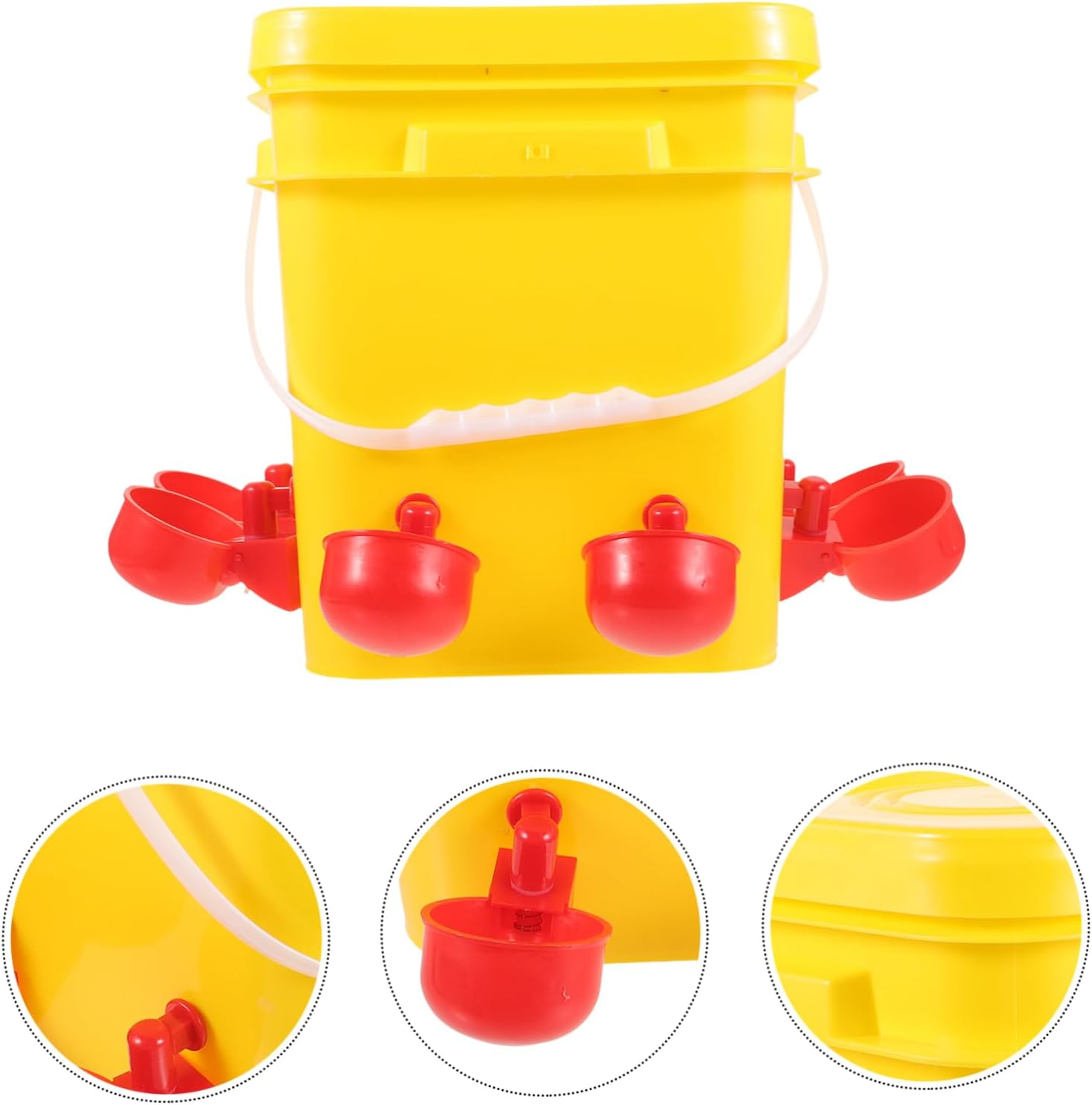
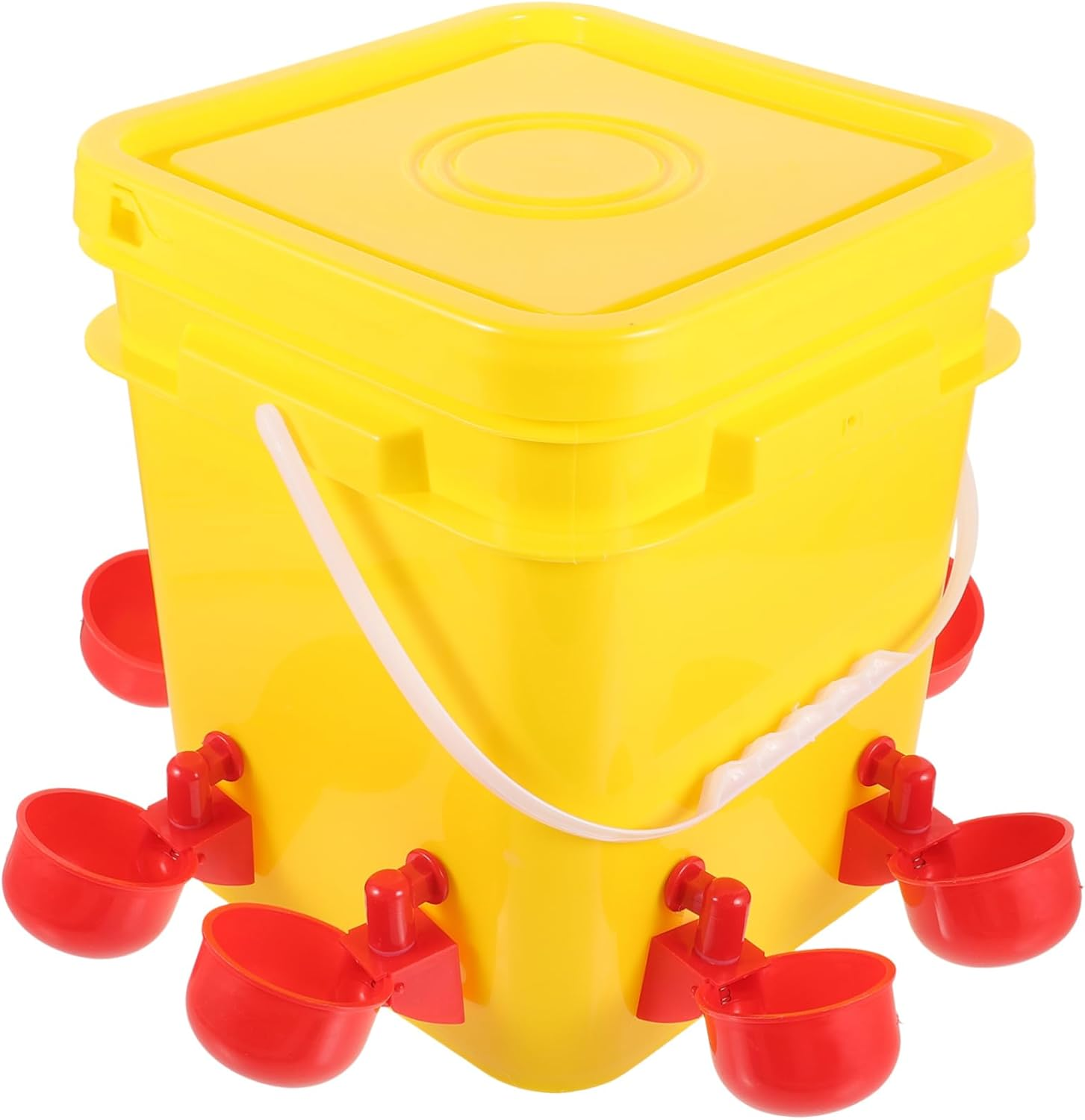
Advanced Broiler Feeding Systems - Automated Poultry Feed Distribution Solutions

Get a Free Quote

Our representative will contact you soon.
Email
Name
Company Name
Intended Products
Message
0/1000

broiler feeding system

The broiler feeding system represents a comprehensive automated solution designed specifically for commercial poultry operations focused on meat production. This sophisticated technology streamlines the entire feeding process for broiler chickens, ensuring consistent nutrition delivery while reducing labor costs and improving operational efficiency. Modern broiler feeding systems integrate advanced mechanical components, precision control mechanisms, and intelligent monitoring capabilities to create an optimal feeding environment that promotes healthy growth and maximizes production yields. The core functionality of a broiler feeding system revolves around automated feed distribution throughout poultry houses. These systems utilize chain-driven conveyors, auger mechanisms, or pneumatic transport methods to move feed from storage silos directly to feeding stations positioned strategically throughout the facility. The technological framework incorporates programmable control units that regulate feeding schedules, portion sizes, and distribution timing based on predetermined parameters. Advanced sensors monitor feed levels, detect system malfunctions, and provide real-time data on consumption patterns. The integration of variable speed drives allows operators to adjust feed flow rates according to bird age, weight targets, and nutritional requirements. Feed storage components typically include weatherproof silos with capacity management systems that prevent contamination while maintaining feed quality. Distribution networks feature flexible tubing or enclosed chain systems that minimize waste and ensure hygienic transport. Feeding stations are engineered with adjustable height mechanisms to accommodate growing birds, while spillage collection systems reduce waste and maintain clean environments. Temperature and humidity sensors within storage areas help preserve feed nutritional value. Applications span across various scales of broiler production, from small family operations to large commercial facilities processing thousands of birds. The broiler feeding system adapts to different housing configurations, including tunnel-ventilated barns, open-sided structures, and climate-controlled environments. Integration capabilities allow seamless connection with existing farm management software, environmental control systems, and production monitoring platforms, creating a unified approach to modern poultry farming that enhances overall operational effectiveness.

New Product Releases

The broiler feeding system delivers substantial operational benefits that directly impact profitability and production efficiency in commercial poultry operations. Labor reduction stands as one of the most immediate advantages, as automated feeding eliminates the need for manual feed distribution multiple times daily. This automation allows farm workers to focus on critical tasks such as bird health monitoring, facility maintenance, and quality control activities. The consistent feeding schedules maintained by automated systems ensure birds receive nutrition at optimal intervals, promoting uniform growth rates and reducing stress-related health issues that can negatively impact meat quality and conversion ratios. Feed waste reduction represents another significant economic benefit, as precise portion control and enclosed distribution systems minimize spillage and contamination. Traditional manual feeding methods often result in considerable feed losses due to overfilling, spillage during transport, and exposure to environmental contaminants. The broiler feeding system addresses these issues through calibrated dispensing mechanisms and protected transport pathways that preserve feed quality while delivering exact quantities to designated locations. Improved feed conversion efficiency occurs when birds receive consistent nutrition without competition or irregular access patterns. The system ensures equal access to feed across all areas of the facility, preventing aggressive feeding behaviors that can lead to uneven growth patterns within flocks. Enhanced biosecurity measures are integral to modern broiler feeding systems, as enclosed transport mechanisms reduce exposure to external contaminants and disease vectors. Sealed feed lines prevent rodent access and minimize opportunities for pathogen introduction, supporting overall flock health and reducing medication requirements. Real-time monitoring capabilities provide valuable production data that enables informed decision-making regarding feed formulations, consumption patterns, and growth projections. This data-driven approach allows producers to optimize feed conversion ratios, adjust nutritional programs based on actual consumption, and identify potential health issues before they impact entire flocks. The scalability of broiler feeding systems accommodates business growth without requiring proportional increases in labor costs. As operations expand, the automated infrastructure can be extended to cover additional housing units while maintaining consistent feeding protocols across all facilities. Energy efficiency improvements result from optimized distribution schedules and reduced equipment operation time compared to manual feeding methods. Modern systems incorporate variable speed controls and demand-based operation modes that minimize energy consumption while maintaining feeding effectiveness. The professional appearance and organized infrastructure of automated feeding systems also contribute to improved relationships with regulatory inspectors, potential buyers, and industry partners who value modern, efficient production methods.

Practical Tips

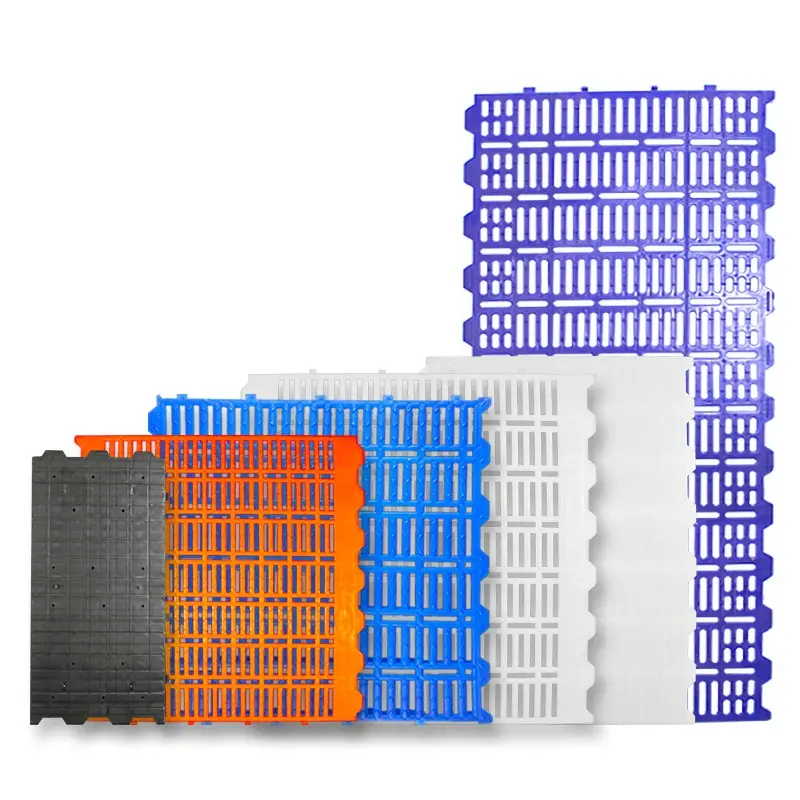
How to Select the Right Slat Floor for Your Needs

30

Dec

How to Select the Right Slat Floor for Your Needs

Understanding Slat Floors and Their Core Applications Slat Floors 101: Core Features and Construction Slat floors—defined by their spaced-slat design—are engineered for superior drainage and ventilation, making them indispensable in in...
View More
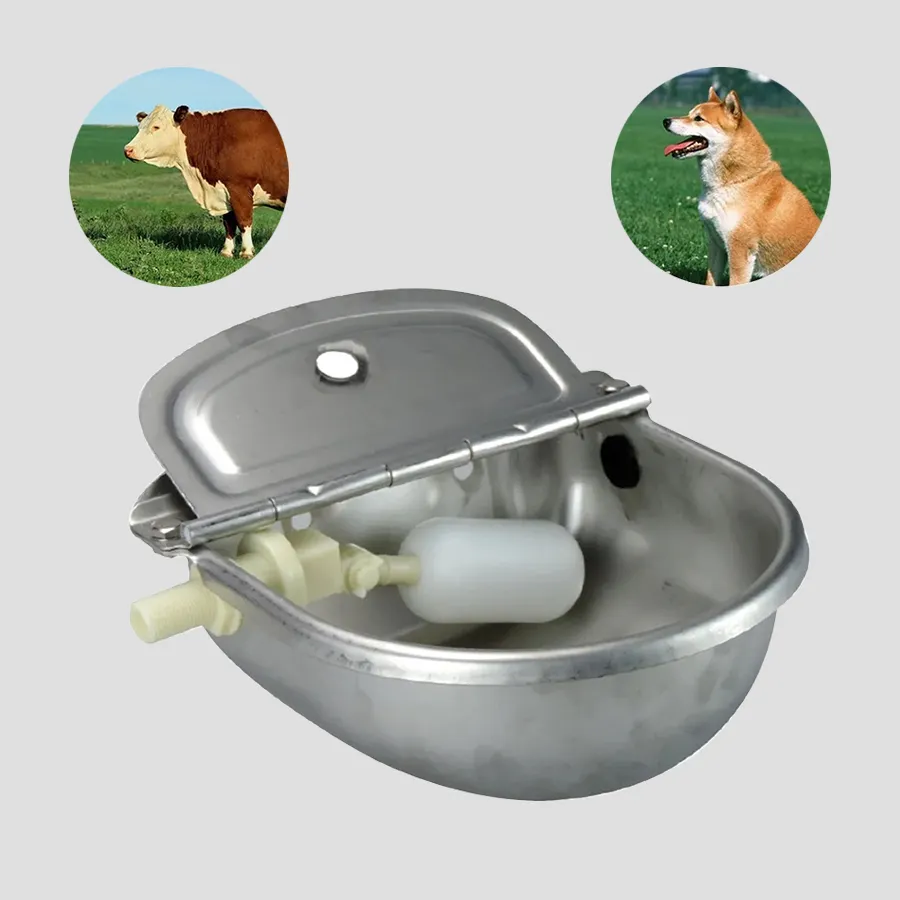
How Do Animal Drinking Bowls Vary by Animal Type?

05

Jan

How Do Animal Drinking Bowls Vary by Animal Type?

Designing Livestock Hydration: The Science Behind Effective Animal Drinking Bowls Animal drinking bowls play a pivotal role in safeguarding the health, hydration and productivity of diverse livestock and domestic animals. The significance of pro...
View More
Which ventilation features matter in chicken transport crate design?

29

Jan

Which ventilation features matter in chicken transport crate design?

Proper ventilation stands as the most critical factor in modern chicken transport crate design, directly impacting poultry welfare, mortality rates, and meat quality during transportation. The agricultural industry has witnessed significant advanceme...
View More
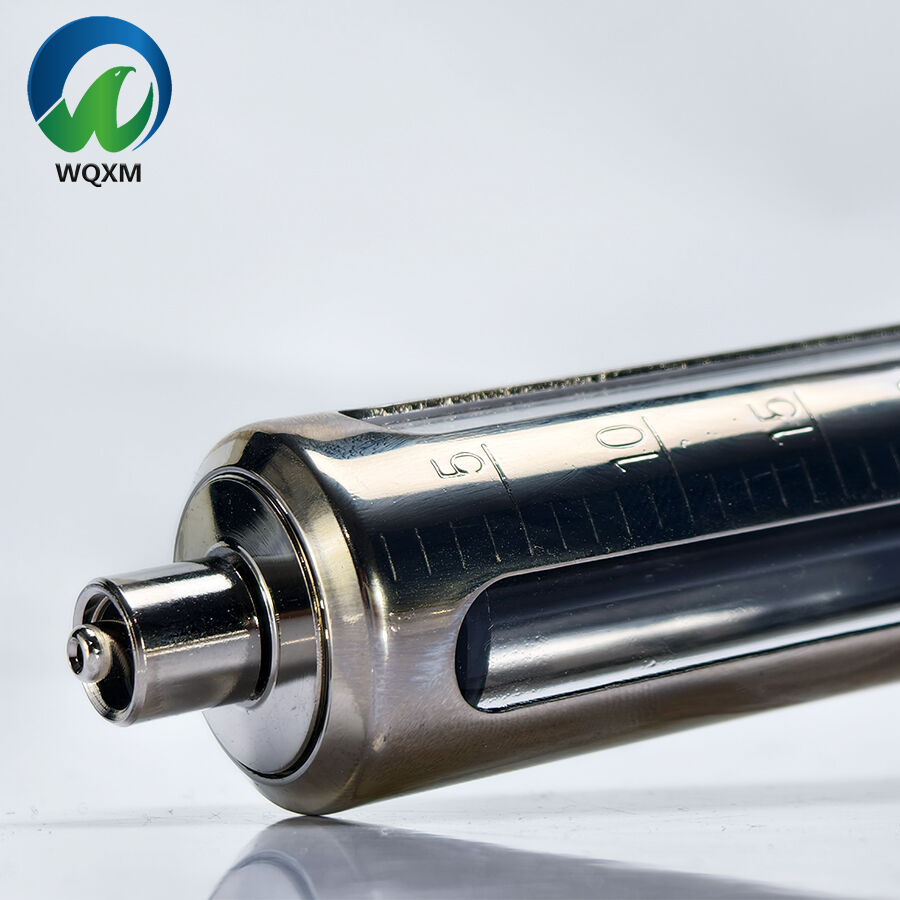
Why is the accuracy of a continuous syringe vital for large-scale dosing?

31

Mar

Why is the accuracy of a continuous syringe vital for large-scale dosing?

The precision of medication delivery in large-scale veterinary operations directly impacts animal health outcomes, treatment efficacy, and operational profitability. When administering vaccines, medications, or supplements to hundreds or thousands of...
View More

Get a Free Quote

Our representative will contact you soon.
Email
Name
Company Name
Intended Products
Message
0/1000

broiler feeding system

Advanced Precision Feed Distribution Technology

Advanced Precision Feed Distribution Technology

The sophisticated precision feed distribution technology integrated into modern broiler feeding systems represents a revolutionary advancement in poultry nutrition management. This cutting-edge feature utilizes state-of-the-art sensors, computerized control units, and calibrated dispensing mechanisms to deliver exact feed quantities to designated locations throughout the facility with unprecedented accuracy. The system employs load cells and flow meters that continuously monitor feed movement, ensuring consistent portion sizes regardless of external factors such as feed density variations or environmental conditions that might affect traditional feeding methods. The precision distribution technology eliminates common feeding problems such as over-concentration in certain areas and under-feeding in distant locations, issues that frequently plague manual feeding operations. Advanced algorithms calculate optimal distribution patterns based on bird density, age groups, and consumption history, automatically adjusting delivery rates to maintain consistent access across all feeding stations. This intelligent approach prevents competitive feeding behaviors that can lead to uneven growth patterns and ensures smaller or less aggressive birds receive adequate nutrition. The technology incorporates multiple safety mechanisms including blockage detection systems, overflow prevention protocols, and emergency shutdown procedures that protect both equipment and livestock. Programmable feeding schedules allow operators to customize nutrition delivery timing based on specific production requirements, seasonal variations, and bird behavioral patterns. The precision control extends to feed particle size management, ensuring consistent texture and quality throughout the distribution process. Maintenance requirements are significantly reduced through self-monitoring capabilities that alert operators to potential issues before they impact feeding operations. The system maintains detailed logs of feed consumption, distribution timing, and system performance metrics that provide valuable insights for production optimization. Integration with farm management software enables remote monitoring and control capabilities, allowing operators to adjust feeding parameters from centralized control rooms or mobile devices. This advanced precision technology ultimately translates into improved feed conversion ratios, more uniform flock weights, reduced medication requirements due to improved bird health, and enhanced overall production efficiency that directly impacts profitability and operational success in competitive poultry markets.
Comprehensive Waste Reduction and Cost Management

Comprehensive Waste Reduction and Cost Management

The comprehensive waste reduction and cost management capabilities of modern broiler feeding systems provide substantial economic advantages that significantly impact operational profitability over time. Traditional manual feeding methods typically result in feed losses ranging from eight to fifteen percent due to spillage, contamination, and inefficient distribution practices. The broiler feeding system addresses these costly inefficiencies through enclosed transport mechanisms, precise dispensing controls, and spillage recovery features that capture and redirect wasted feed back into the distribution cycle. The economic impact extends beyond simple waste prevention to encompass improved feed utilization efficiency and reduced labor costs associated with cleanup and re-filling activities. Enclosed feed lines prevent exposure to moisture, dust, and contaminants that can spoil large quantities of expensive feed, while automatic dispensing eliminates overfilling that leads to significant waste accumulation around feeding areas. The system incorporates spillage collection troughs and vacuum recovery mechanisms that capture dropped feed and return it to the distribution system, ensuring maximum utilization of purchased feed materials. Advanced portion control technology calculates exact feed requirements based on current flock size, bird age, and consumption patterns, preventing over-ordering and reducing storage costs associated with excess inventory. Real-time monitoring of consumption rates enables precise feed purchasing decisions that minimize waste due to feed aging or deterioration during extended storage periods. The cost management benefits extend to reduced medication expenses, as consistent nutrition delivery improves overall flock health and reduces disease susceptibility that can lead to expensive treatment programs. Labor cost reductions are substantial, as automated feeding eliminates the need for multiple daily manual feeding sessions that require significant workforce allocation. The time savings allow workers to focus on value-added activities such as bird health monitoring, facility maintenance, and production optimization tasks that contribute more directly to operational profitability. Energy cost optimization occurs through efficient distribution scheduling and reduced equipment operation time compared to manual feeding methods that require extended periods of conveyor or auger operation. The long-term financial benefits include extended equipment life due to reduced wear from manual handling, lower insurance costs due to improved safety protocols, and enhanced property values from modern infrastructure investments that demonstrate operational sophistication to potential buyers or investors in commercial poultry operations.
Intelligent Health Monitoring and Flock Management Integration

Intelligent Health Monitoring and Flock Management Integration

The intelligent health monitoring and flock management integration features of advanced broiler feeding systems represent a paradigm shift toward data-driven poultry production that maximizes bird welfare while optimizing commercial outcomes. These sophisticated systems incorporate multiple sensor technologies that continuously monitor feeding behaviors, consumption patterns, and flock activity levels to provide early warning indicators of potential health issues before they become visible through traditional observation methods. The integration creates a comprehensive picture of flock health status by correlating feeding data with environmental conditions, growth rates, and behavioral patterns that experienced operators recognize as indicators of developing problems. Advanced algorithms analyze consumption variations, feeding frequency changes, and appetite fluctuations that often precede disease outbreaks or stress-related issues by several days. This early detection capability enables proactive intervention strategies that can prevent minor issues from escalating into major health crises that affect entire flocks and result in significant economic losses. The system maintains detailed records of individual feeding station activity, allowing operators to identify specific areas within facilities where birds may be experiencing health challenges or environmental stresses. Temperature and humidity sensors integrated with feeding monitoring provide comprehensive environmental data that helps identify correlations between environmental conditions and feeding behaviors. The intelligent monitoring extends to feed quality assessment, with sensors detecting changes in feed characteristics that might indicate spoilage, contamination, or nutritional degradation that could impact bird health. Integration with veterinary management software enables automatic generation of health reports, medication scheduling, and treatment tracking that supports comprehensive healthcare programs. The system can automatically adjust feeding schedules and portions based on health status indicators, ensuring sick birds receive appropriate nutritional support while preventing over-medication or under-treatment scenarios. Real-time alerts notify operators of unusual feeding patterns that may indicate equipment malfunctions, environmental problems, or emerging health issues requiring immediate attention. The data collection capabilities support research and development activities aimed at improving feed formulations, optimizing growth curves, and developing more effective health management protocols. Long-term trend analysis helps identify seasonal patterns, genetic variations, and management practices that correlate with improved flock performance and reduced mortality rates, contributing to continuous improvement in production efficiency and animal welfare standards that meet increasingly stringent regulatory requirements and consumer expectations for responsibly produced poultry products.

Tel Tel WhatApp WhatApp Email Email WeChat WeChat
WeChat