Smart Technology Integration and Data-Driven Optimization
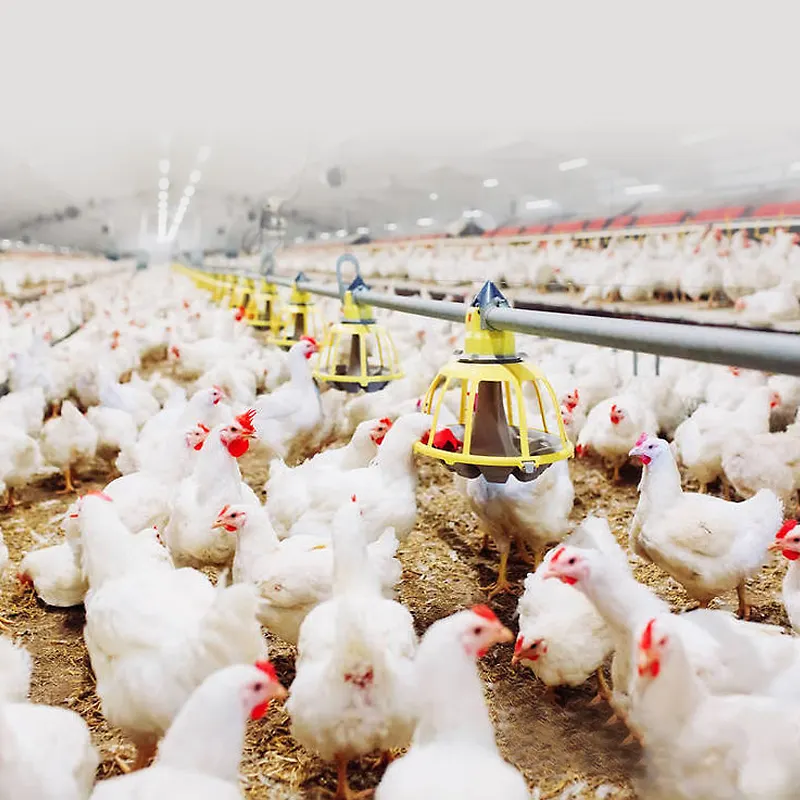
The automatic feeding system for poultry incorporates cutting-edge smart technology features that enable data-driven decision making and continuous optimization of feeding strategies through real-time monitoring, analysis, and adaptive control systems. Modern installations include Internet of Things connectivity that transmits feeding data, consumption patterns, and system performance metrics to cloud-based platforms accessible through smartphones, tablets, and computers from any location with internet access. This connectivity enables remote system management, allowing farmers to adjust feeding schedules, monitor equipment status, and receive alerts about potential issues without physically visiting the facility, particularly valuable for multi-site operations or during travel periods. Advanced analytics capabilities process historical consumption data to identify trends, predict optimal feeding times, and recommend nutritional adjustments based on growth performance and seasonal variations, supporting evidence-based management decisions that improve production outcomes. The system integrates seamlessly with other smart farm technologies including environmental controls, lighting systems, and health monitoring equipment to create comprehensive automated management ecosystems that optimize all aspects of bird welfare and production efficiency. Artificial intelligence algorithms learn from feeding patterns and bird responses to continuously refine delivery schedules and quantities, adapting to changing conditions and improving performance over time without manual intervention. Predictive maintenance features monitor equipment wear patterns, operating temperatures, and performance indicators to schedule preventive maintenance before failures occur, minimizing downtime and extending system lifespan while reducing unexpected repair costs. The automatic feeding system for poultry includes customizable alert systems that notify managers about feed level changes, equipment malfunctions, consumption anomalies, or environmental conditions that might affect feeding efficiency or bird health. Data visualization tools present complex information through easy-to-understand graphs, charts, and reports that help farmers identify opportunities for improvement and track progress toward production goals. Integration capabilities extend to farm management software, accounting systems, and regulatory reporting platforms, streamlining record-keeping and compliance requirements while providing comprehensive operational insights. Quality control monitoring includes feed temperature sensors, moisture detection, and contamination alerts that ensure nutritional integrity throughout the storage and distribution process, supporting optimal bird health and performance outcomes through consistent high-quality nutrition delivery.
 EN
EN