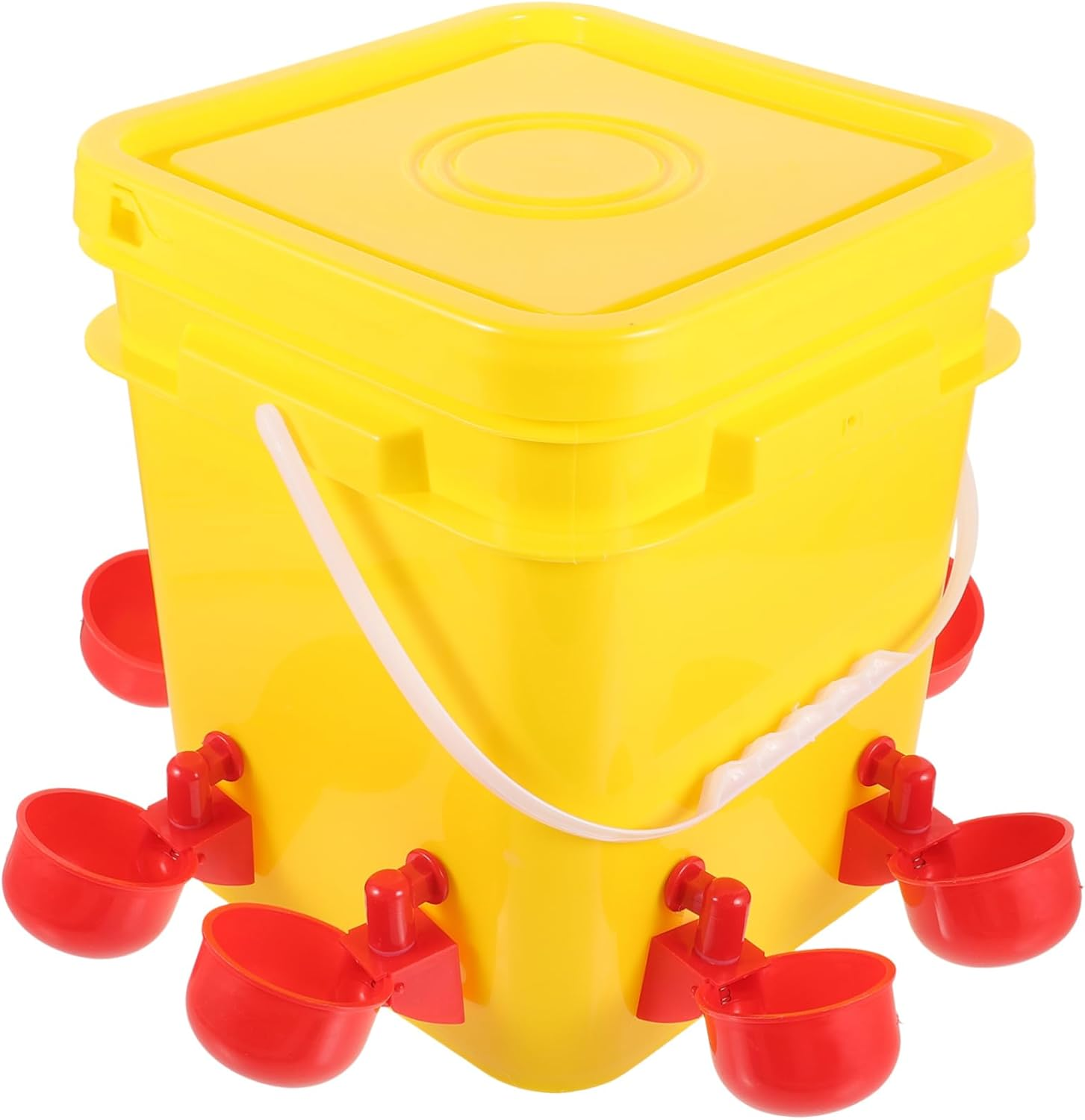
Best Chicken Feeding System: Advanced Automated Solutions for Modern Poultry Farms

Get a Free Quote

Our representative will contact you soon.
Email
Name
Company Name
Intended Products
Message
0/1000

best chicken feeding system

The best chicken feeding system represents a revolutionary advancement in poultry management, combining cutting-edge automation with precision nutrition delivery to optimize bird health and farm productivity. This sophisticated system integrates multiple technological components including programmable feed dispensers, real-time monitoring sensors, and intelligent control units that work seamlessly together. The best chicken feeding system features automated scheduling capabilities that ensure consistent meal timing throughout the day, reducing labor costs while maintaining optimal feeding routines. Advanced weight measurement sensors accurately dispense predetermined feed quantities, preventing waste and ensuring each bird receives proper nutrition. The system incorporates environmental monitoring technology that adjusts feeding schedules based on temperature, humidity, and lighting conditions, creating ideal feeding environments. Smart connectivity features allow remote monitoring and control through mobile applications, enabling farmers to manage operations from anywhere. The best chicken feeding system utilizes durable stainless steel construction designed to withstand harsh agricultural environments while maintaining hygiene standards. Multi-level feeding stations accommodate different bird sizes and ages, making the system versatile for various poultry operations. Integrated alarm systems notify operators of potential issues such as feed shortages, equipment malfunctions, or unusual consumption patterns. The system supports customizable feeding programs tailored to specific breed requirements, growth stages, and nutritional objectives. Data logging capabilities track consumption patterns, enabling farmers to optimize feed conversion ratios and identify performance trends. The best chicken feeding system reduces feed contamination risks through enclosed delivery mechanisms and automated cleaning cycles, promoting healthier flocks and improved meat quality.

New Products

The best chicken feeding system delivers substantial operational benefits that transform traditional poultry farming practices into efficient, profitable enterprises. Labor cost reduction stands as the most immediate advantage, with automated feeding eliminating the need for manual feed distribution multiple times daily. Farmers save significant time previously spent on repetitive feeding tasks, allowing focus on other critical farm operations such as health monitoring, facility maintenance, and business planning. Feed waste reduction creates substantial cost savings, as the best chicken feeding system dispenses precise quantities based on flock size, age, and nutritional requirements. Traditional feeding methods often result in spillage, contamination, and overconsumption, whereas automated systems deliver exact portions directly to feeding stations. Improved feed conversion ratios emerge from consistent feeding schedules and portion control, leading to better weight gain and enhanced production efficiency. The best chicken feeding system maintains optimal feeding consistency regardless of weather conditions, staff availability, or operational disruptions. Birds receive nutrition at programmed intervals, promoting steady growth patterns and reducing stress associated with irregular feeding. Enhanced flock health results from reduced feed contamination and improved hygiene standards maintained by enclosed feeding mechanisms. The system prevents cross-contamination between feeding stations and minimizes exposure to external contaminants such as rodents, wild birds, and environmental pollutants. Real-time monitoring capabilities provide valuable insights into consumption patterns, enabling early detection of health issues or performance problems. Farmers can identify sick birds through altered eating behaviors and implement timely interventions. Scalability advantages make the best chicken feeding system suitable for operations ranging from small family farms to large commercial facilities. Modular designs allow expansion as operations grow, protecting initial investments while accommodating changing needs. Energy efficiency features reduce operational costs through optimized motor usage, intelligent scheduling, and standby modes during inactive periods. The system integrates with existing farm management software, creating comprehensive data management solutions that support informed decision-making. Consistent feed quality delivery ensures uniform flock development, resulting in more predictable production outcomes and improved market prices. Remote monitoring capabilities enable farmers to maintain oversight during travel or emergency situations, providing peace of mind and operational continuity.

Practical Tips

How to Select the Right Slat Floor for Your Needs

30

Dec

How to Select the Right Slat Floor for Your Needs

Understanding Slat Floors and Their Core Applications Slat Floors 101: Core Features and Construction Slat floors—defined by their spaced-slat design—are engineered for superior drainage and ventilation, making them indispensable in in...
View More
How are chicken transport crates customized for export requirements?

29

Jan

How are chicken transport crates customized for export requirements?

The global poultry industry relies heavily on specialized transportation solutions to ensure the safe and humane movement of live chickens across international borders. A well-designed chicken transport crate serves as the foundation for successful e...
View More
What Do Farmers Often Overlook When Choosing a Pig Farrowing Crate Design?

28

Feb

What Do Farmers Often Overlook When Choosing a Pig Farrowing Crate Design?

Modern swine production demands careful consideration of every detail that affects animal welfare, operational efficiency, and profitability. When selecting the optimal pig farrowing crate design, farmers often focus on immediate cost factors while o...
View More
Is Manual Feeding Still Sustainable on Farms Without a Pig Auto Feeding Line?

28

Feb

Is Manual Feeding Still Sustainable on Farms Without a Pig Auto Feeding Line?

Modern pig farming operations face mounting pressure to balance efficiency, cost management, and animal welfare standards. Traditional manual feeding methods, once the backbone of agricultural practices, are increasingly scrutinized as farms expand a...
View More

Get a Free Quote

Our representative will contact you soon.
Email
Name
Company Name
Intended Products
Message
0/1000

best chicken feeding system

Advanced Automation Technology

Advanced Automation Technology

The best chicken feeding system incorporates state-of-the-art automation technology that revolutionizes traditional poultry feeding practices through intelligent programming and precision control mechanisms. This sophisticated automation framework consists of programmable logic controllers that execute complex feeding schedules based on customizable parameters including bird age, breed specifications, environmental conditions, and nutritional requirements. The system utilizes servo motors and precision dispensing mechanisms that deliver exact feed quantities with remarkable accuracy, eliminating human error and ensuring consistent portion control across all feeding stations. Advanced sensor technology continuously monitors feed levels, consumption rates, and environmental factors, automatically adjusting dispensing schedules to optimize feeding efficiency. The best chicken feeding system features multi-zone control capabilities, allowing different feeding programs for various sections of the facility simultaneously. This flexibility proves invaluable for operations managing multiple age groups or different poultry breeds within the same facility. Integrated weight sensors provide real-time feedback on actual feed consumption versus programmed amounts, enabling automatic adjustments to prevent waste or undernourishment. The automation system includes fail-safe mechanisms that prevent equipment malfunctions from disrupting feeding schedules, incorporating backup power systems and emergency feeding protocols. Smart algorithms analyze historical consumption data to predict optimal feeding times and quantities, continuously improving system performance through machine learning capabilities. The best chicken feeding system offers seamless integration with existing farm management systems, creating unified control platforms that streamline overall operations. Remote access capabilities enable farmers to monitor and adjust feeding programs from mobile devices, providing unprecedented operational flexibility and control. Automated cleaning cycles maintain system hygiene without manual intervention, reducing maintenance requirements and ensuring consistent feed quality. The technology platform supports future upgrades and expansions, protecting investments while accommodating evolving operational needs and technological advancements in poultry farming.
Precision Nutrition Management

Precision Nutrition Management

The best chicken feeding system excels in delivering precision nutrition management that optimizes bird health, growth performance, and overall production efficiency through scientifically calibrated feeding protocols. This comprehensive nutrition management approach utilizes advanced weighing systems and dispensing mechanisms to deliver exact feed quantities tailored to specific nutritional requirements at different growth stages. The system accommodates multiple feed types simultaneously, enabling farmers to implement complex nutritional programs that transition seamlessly between starter, grower, and finisher feeds without manual intervention. Customizable feeding curves allow precise adjustment of daily feed allocations based on breed-specific growth patterns, environmental conditions, and production objectives. The best chicken feeding system incorporates nutritional monitoring capabilities that track feed conversion ratios, average daily weight gain, and consumption patterns to optimize feeding strategies continuously. Real-time data collection enables immediate identification of nutritional deficiencies or excesses, allowing for prompt corrective actions that maintain optimal flock health. The system supports precision feeding schedules that deliver smaller, more frequent meals throughout the day, improving digestion efficiency and reducing feed waste compared to traditional bulk feeding methods. Environmental sensors integrated within the best chicken feeding system adjust feeding schedules based on temperature, humidity, and lighting conditions, ensuring birds receive appropriate nutrition regardless of external factors. Automated record-keeping features maintain detailed nutritional logs that support regulatory compliance, veterinary consultations, and performance analysis. The system accommodates special dietary requirements for organic, antibiotic-free, or specialized production systems, maintaining ingredient integrity and preventing cross-contamination. Quality control mechanisms ensure feed freshness through first-in-first-out rotation protocols and automated expiration monitoring. The best chicken feeding system enables cost-effective nutrition management by optimizing ingredient utilization, reducing waste, and improving feed conversion efficiency. Integration with nutritional databases and formulation software creates comprehensive nutrition management platforms that support informed decision-making and continuous improvement in feeding practices.
Comprehensive Data Analytics and Monitoring

Comprehensive Data Analytics and Monitoring

The best chicken feeding system provides comprehensive data analytics and monitoring capabilities that transform raw operational information into actionable insights for enhanced decision-making and performance optimization. This sophisticated monitoring framework collects real-time data from multiple sources including feed consumption sensors, environmental monitors, equipment status indicators, and production performance metrics. Advanced analytics algorithms process this information to identify trends, patterns, and anomalies that might otherwise go unnoticed in traditional farming operations. The system generates detailed consumption reports that track individual feeding station performance, identifying variations in intake patterns that could indicate health issues, equipment problems, or environmental stresses affecting specific areas of the facility. Historical data analysis capabilities enable farmers to establish baseline performance metrics and monitor improvements over time, supporting evidence-based management decisions. The best chicken feeding system incorporates predictive analytics that forecast future feed requirements based on flock growth projections, seasonal variations, and historical consumption patterns, enabling proactive inventory management and cost optimization. Customizable dashboard interfaces present complex data in easily understandable formats, featuring graphical representations, trend charts, and alert notifications that highlight critical information requiring immediate attention. Mobile connectivity ensures farmers can access monitoring data from any location, receiving push notifications for urgent alerts or system status updates. Integration with farm management software creates unified data platforms that combine feeding information with other operational metrics such as mortality rates, egg production, and environmental conditions. The monitoring system maintains detailed audit trails that support regulatory compliance, quality assurance programs, and third-party certifications. Automated reporting features generate comprehensive performance summaries at predetermined intervals, reducing administrative burden while maintaining thorough documentation. The best chicken feeding system enables benchmarking against industry standards and best practices, identifying opportunities for continuous improvement and competitive advantage. Data export capabilities facilitate sharing information with veterinarians, nutritionists, and agricultural consultants for professional analysis and recommendations. The system supports multiple user access levels with customizable permissions, ensuring data security while enabling appropriate team members to access relevant information for their specific roles and responsibilities.

Tel Tel WhatApp WhatApp Email Email WeChat WeChat
WeChat