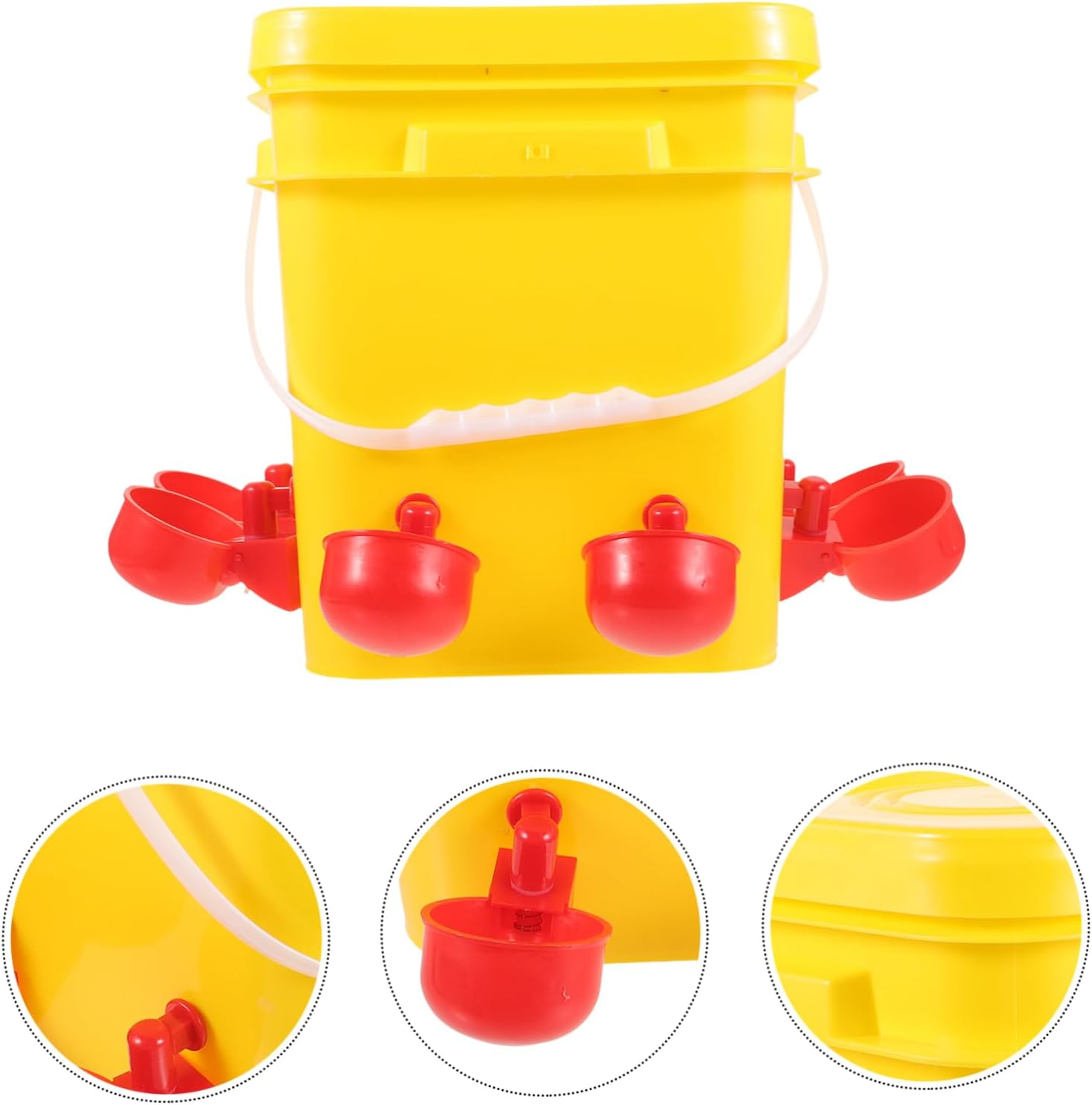
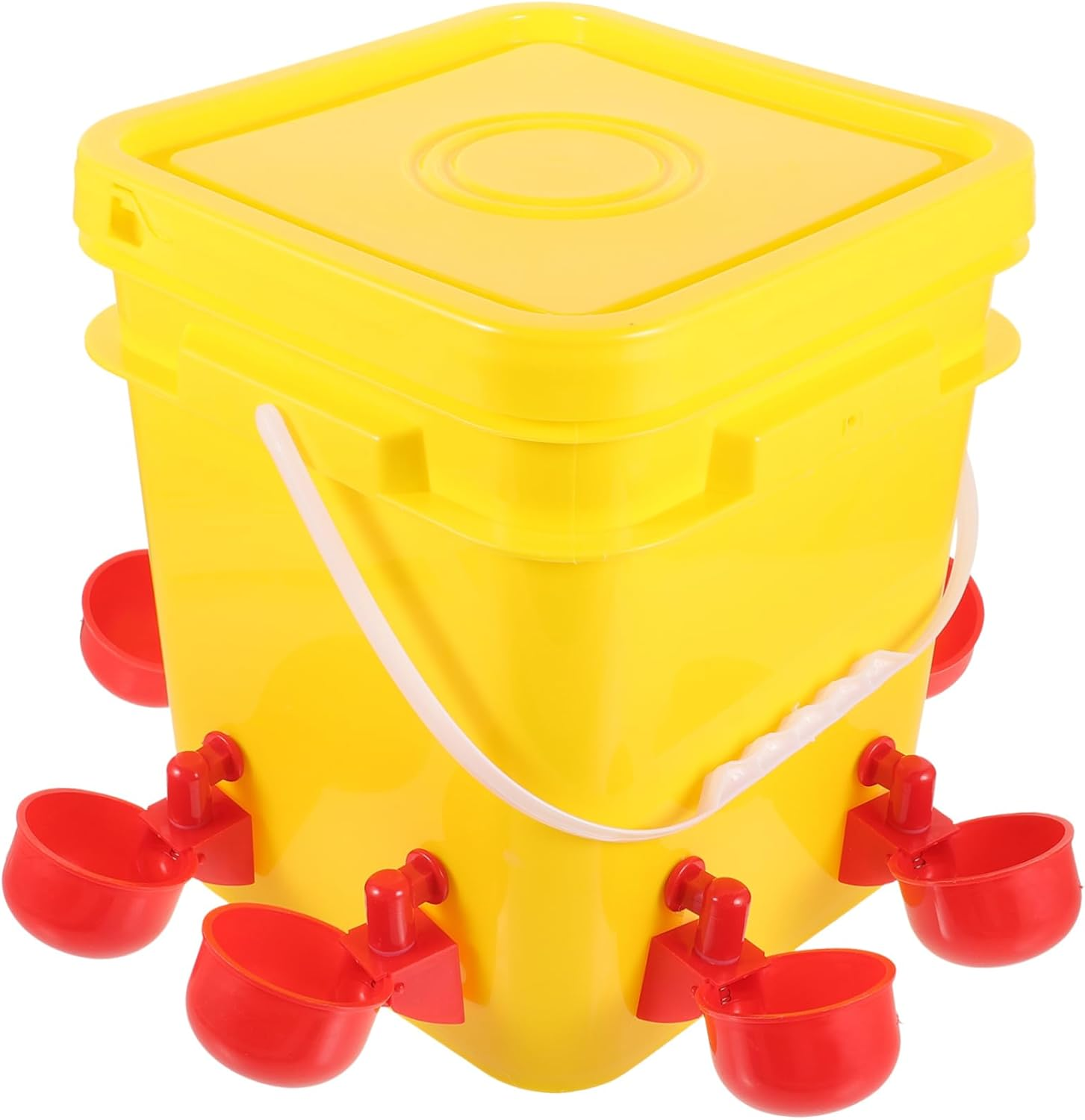
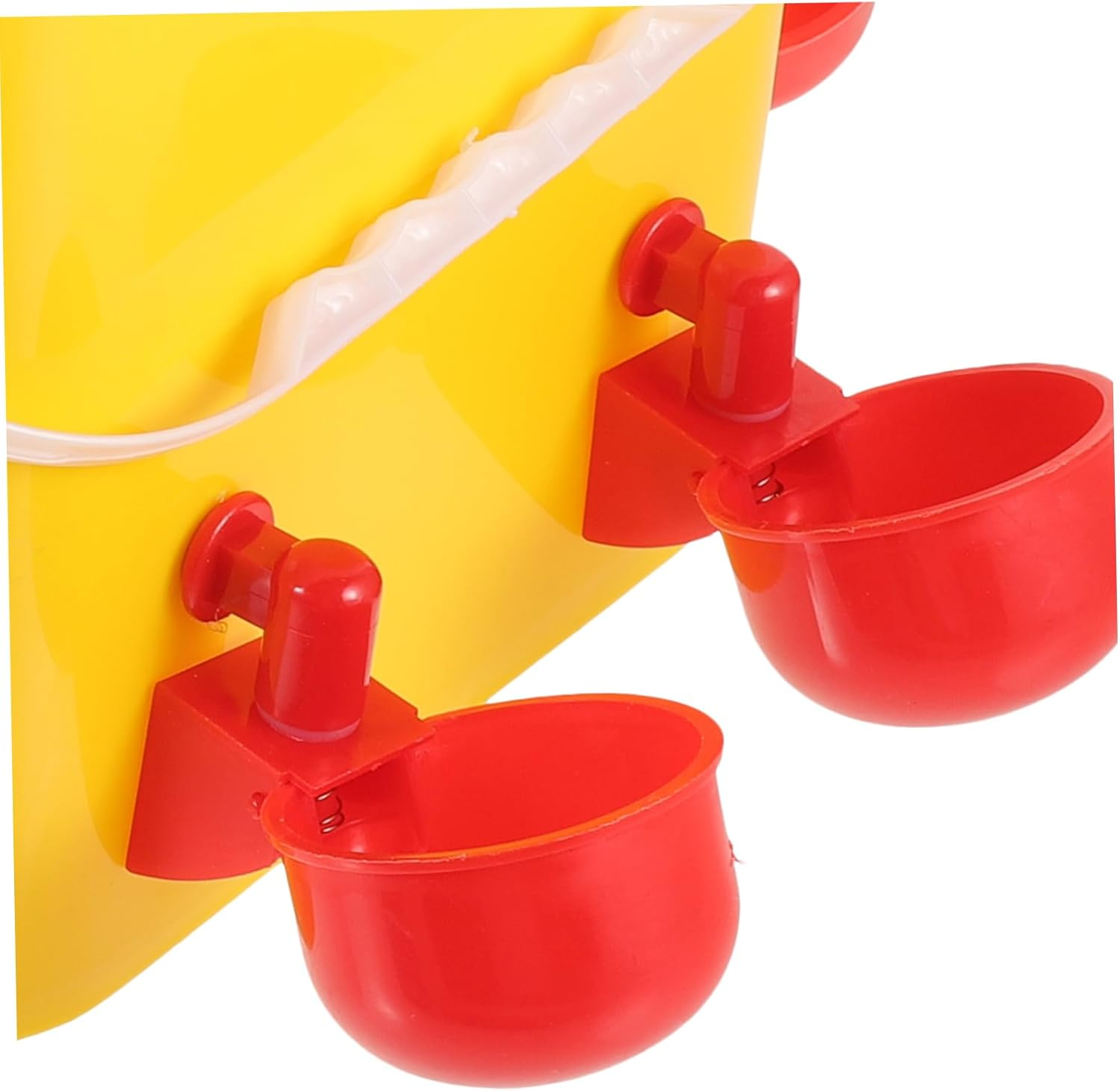
broiler automatic feeder
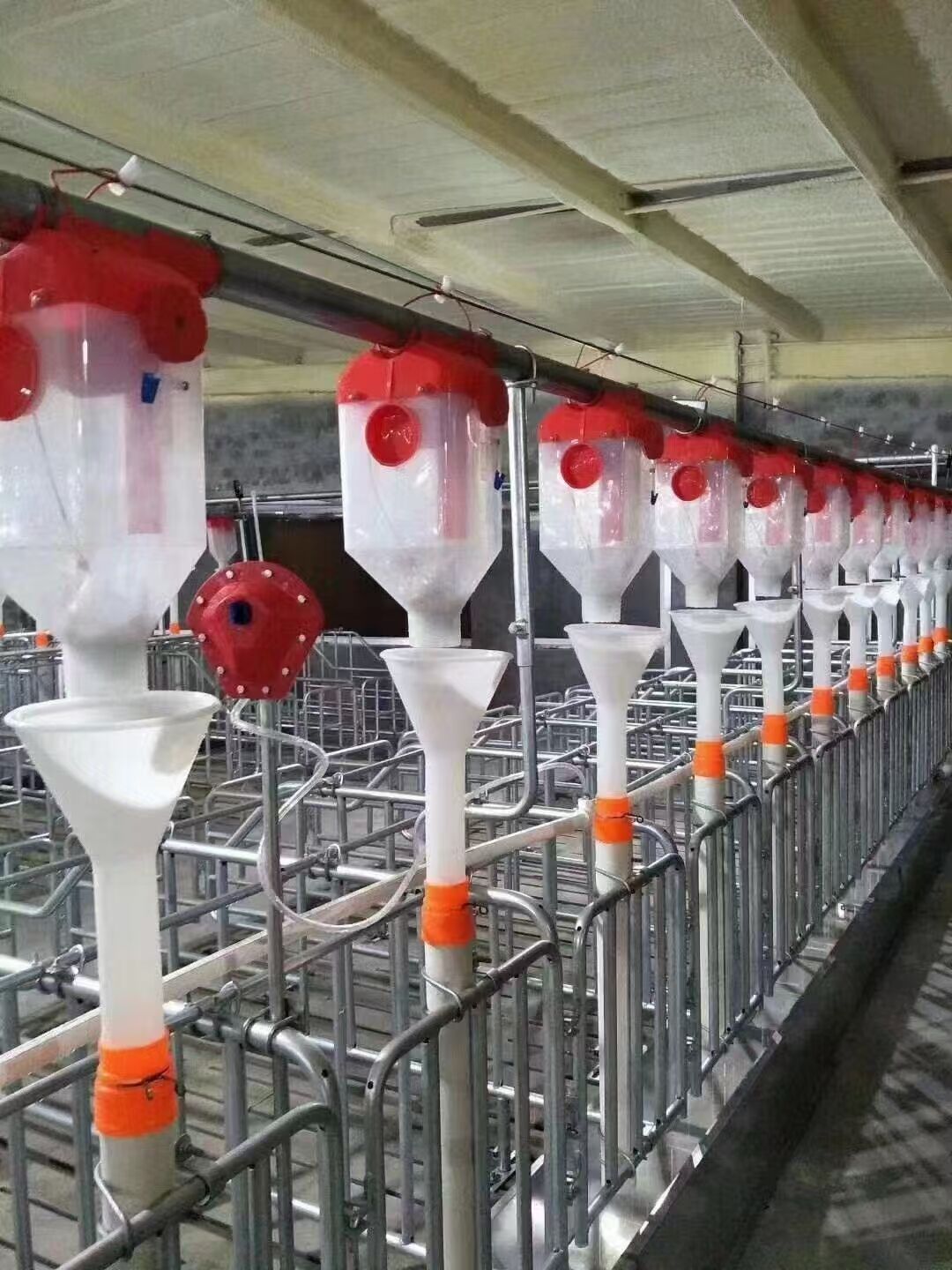
The broiler automatic feeder represents a revolutionary advancement in modern poultry farming technology, designed to streamline feeding operations while maximizing efficiency and productivity. This sophisticated system eliminates manual labor requirements and ensures consistent, precise feed distribution throughout broiler facilities. The broiler automatic feeder operates through programmable control systems that deliver predetermined amounts of feed at scheduled intervals, maintaining optimal nutrition levels for growing birds. Advanced sensors monitor feed levels continuously, preventing both overfeeding and underfeeding scenarios that can negatively impact bird health and farm profitability. The system integrates seamlessly with existing poultry house infrastructure, featuring modular components that adapt to various facility sizes and configurations. Key technological features include precision weighing mechanisms, automated conveyor systems, and intelligent control panels that allow farmers to customize feeding schedules based on bird age, weight, and growth requirements. The broiler automatic feeder utilizes weather-resistant materials and corrosion-proof components, ensuring long-term durability in harsh agricultural environments. Digital monitoring capabilities provide real-time data on feed consumption patterns, enabling farmers to make informed decisions about nutrition management and cost optimization. The system supports multiple feed types, from starter crumbles to finisher pellets, automatically adjusting delivery mechanisms to accommodate different feed textures and sizes. Remote monitoring capabilities allow farm managers to oversee feeding operations from mobile devices, receiving alerts for maintenance needs or system irregularities. Environmental sensors integrated within the broiler automatic feeder system monitor temperature and humidity levels, adjusting feeding schedules to account for seasonal variations that affect bird appetite and metabolism. The technology significantly reduces feed waste through precise portion control and spill-prevention mechanisms, directly impacting farm economics and sustainability goals.
 EN
EN