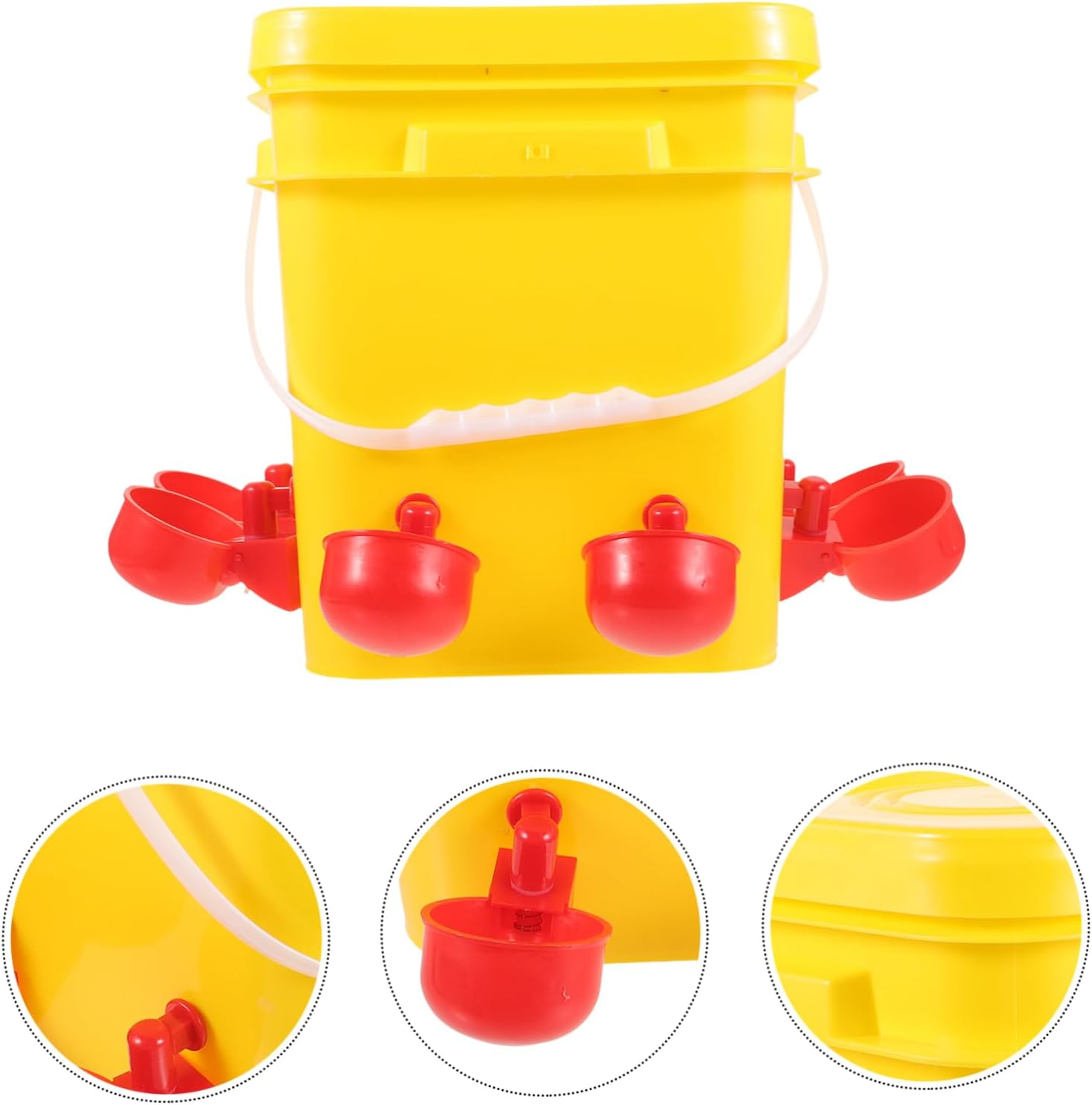
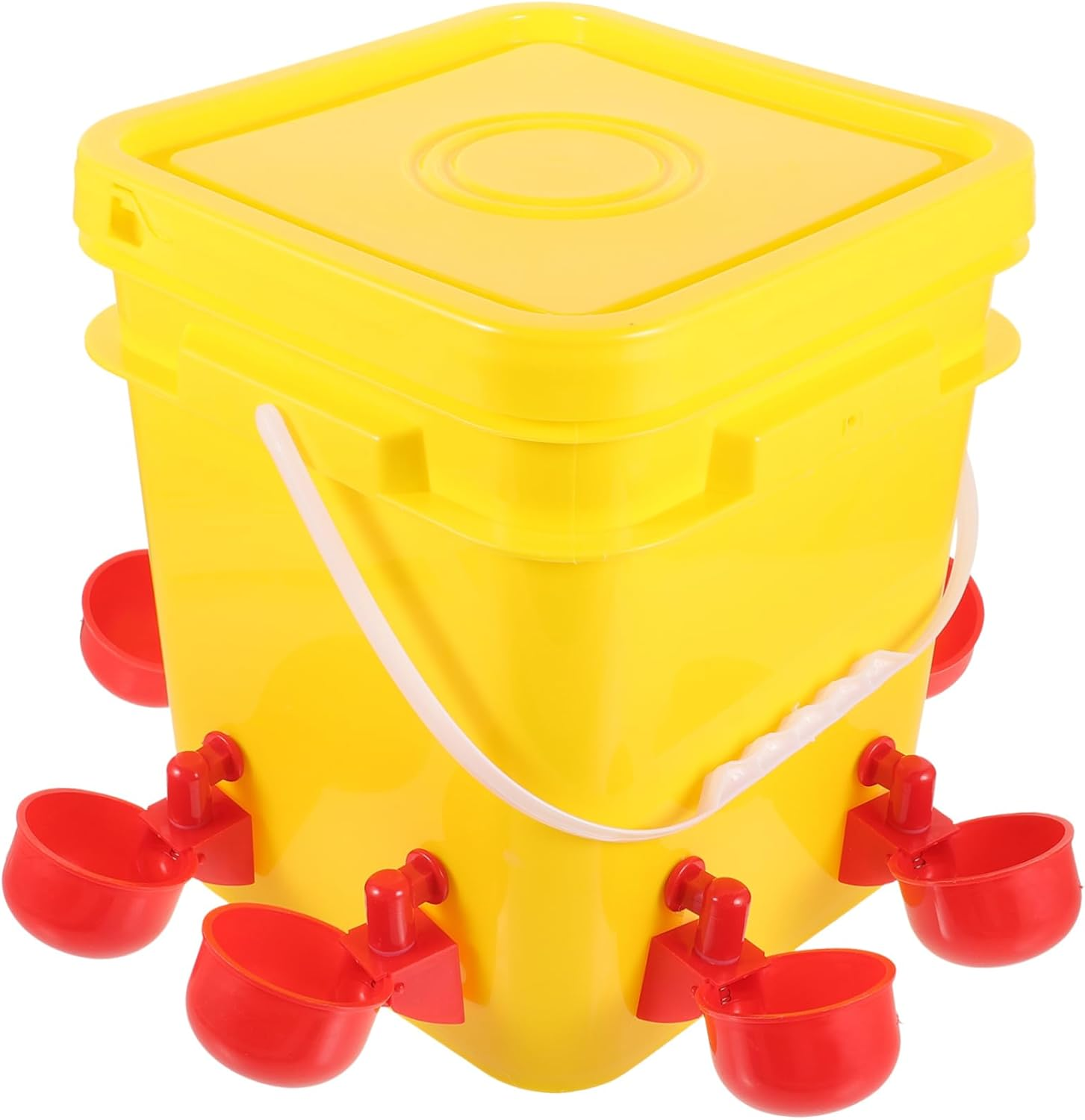
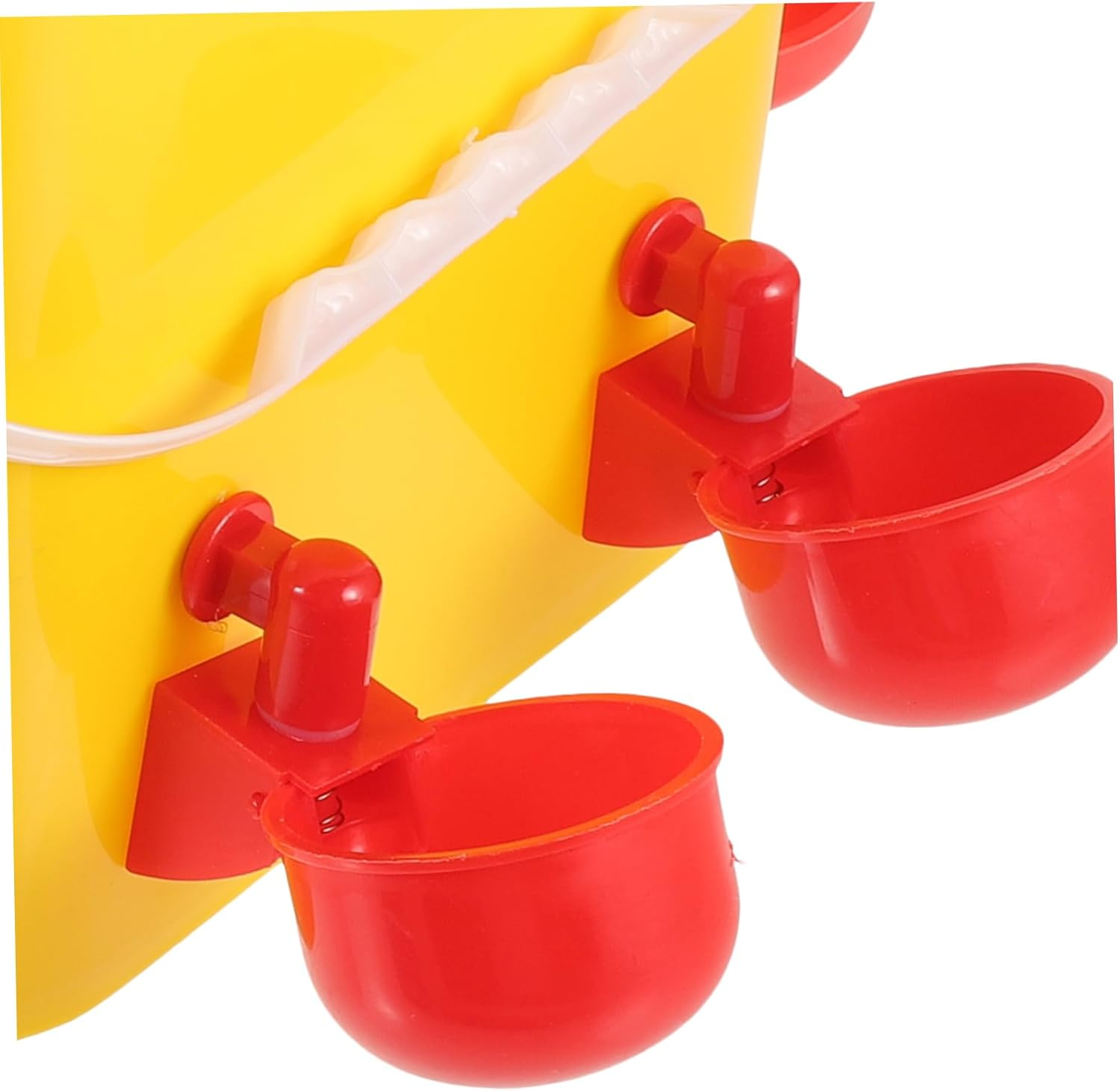
Advanced Chicken Water Feeding System - Automated Poultry Hydration Solutions

Get a Free Quote

Our representative will contact you soon.
Email
Name
Company Name
Intended Products
Message
0/1000

chicken water feeding system

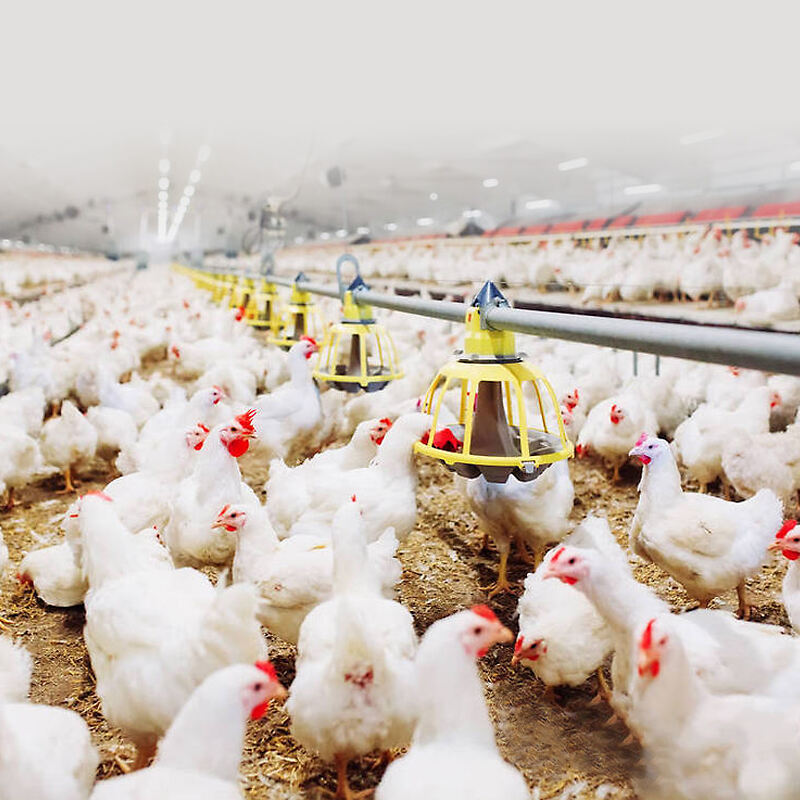
The chicken water feeding system represents a revolutionary advancement in poultry management technology, designed to provide consistent, clean, and accessible water supply to chickens throughout their production cycle. This automated hydration solution incorporates sophisticated engineering principles to ensure optimal water delivery while maintaining the highest standards of hygiene and efficiency. The chicken water feeding system consists of multiple interconnected components, including pressure-regulated water lines, nipple drinkers, filtration units, and monitoring sensors that work together to create a comprehensive hydration infrastructure. The primary function of this system focuses on delivering fresh water on demand, eliminating traditional water containers that often become contaminated or require frequent manual refilling. Modern chicken water feeding system designs feature corrosion-resistant materials, typically stainless steel or high-grade plastics, ensuring longevity and durability in harsh poultry environments. The technological features include adjustable flow rates, temperature control mechanisms, and automated cleaning cycles that maintain water quality standards. These systems accommodate various poultry housing configurations, from small-scale backyard coops to large commercial operations housing thousands of birds. The chicken water feeding system operates through gravity-fed or pressurized distribution networks, with strategically positioned drinking points that allow easy access for birds of different sizes and ages. Advanced models incorporate smart sensors that monitor water consumption patterns, detect leaks, and provide real-time data on system performance. Applications extend across multiple poultry sectors, including broiler production, layer farms, breeding facilities, and organic poultry operations. The versatility of the chicken water feeding system allows for customization based on specific operational requirements, bird density, and environmental conditions. Installation flexibility enables integration with existing infrastructure or new construction projects, making it an ideal solution for modernizing traditional poultry operations or establishing new facilities with cutting-edge water management capabilities.

Popular Products

The chicken water feeding system delivers substantial operational benefits that transform poultry management practices and significantly improve overall farm efficiency. Water quality enhancement stands as the primary advantage, as these systems maintain consistently clean water through enclosed distribution networks that prevent contamination from dust, debris, and fecal matter that commonly affect open water containers. This improvement in water quality directly correlates with better bird health, reduced disease transmission, and enhanced production performance across all poultry categories. Labor reduction represents another major benefit, as the chicken water feeding system eliminates the time-consuming daily tasks of cleaning, refilling, and monitoring traditional water containers. Farm workers can redirect their efforts toward more strategic activities, such as bird health monitoring, facility maintenance, and production optimization, resulting in improved operational efficiency and reduced labor costs. The automated nature of the chicken water feeding system ensures consistent water availability twenty-four hours daily, preventing water shortages that can stress birds and negatively impact production outcomes. Water conservation becomes achievable through precise delivery mechanisms that minimize waste and spillage, unlike conventional systems where significant water loss occurs through splashing, overflow, and frequent container changes. This conservation aspect proves particularly valuable in regions facing water scarcity or farms seeking to reduce operational costs and environmental impact. Hygiene improvements extend beyond water quality to include reduced moisture levels in poultry housing, as the chicken water feeding system prevents water spillage that creates damp conditions conducive to bacterial growth and ammonia production. Improved air quality results from reduced humidity and better litter conditions, creating a healthier environment for both birds and workers. The system enables better monitoring capabilities, allowing farmers to track water consumption patterns that serve as early indicators of flock health issues or equipment problems. Scalability advantages make the chicken water feeding system suitable for operations of any size, with modular designs that accommodate expansion or modification as business needs evolve. Cost-effectiveness emerges through reduced medication expenses due to improved bird health, lower mortality rates, and enhanced feed conversion efficiency resulting from better hydration status. The system reliability minimizes production disruptions and ensures consistent performance regardless of weather conditions or seasonal variations.

Latest News

Which ventilation features matter in chicken transport crate design?

29

Jan

Which ventilation features matter in chicken transport crate design?

Proper ventilation stands as the most critical factor in modern chicken transport crate design, directly impacting poultry welfare, mortality rates, and meat quality during transportation. The agricultural industry has witnessed significant advanceme...
View More
How are chicken transport crates customized for export requirements?

29

Jan

How are chicken transport crates customized for export requirements?

The global poultry industry relies heavily on specialized transportation solutions to ensure the safe and humane movement of live chickens across international borders. A well-designed chicken transport crate serves as the foundation for successful e...
View More
What Challenges Do Pig Farrowing Crates Create During Different Lactation Stages?

28

Feb

What Challenges Do Pig Farrowing Crates Create During Different Lactation Stages?

Pig farrowing crates represent one of the most critical components in modern swine production systems, yet they present numerous operational and welfare challenges throughout different lactation stages. These specialized housing units are designed to...
View More
Why Do Feeding Accuracy Issues Increase as Pig Farms Continue to Scale Up?

28

Feb

Why Do Feeding Accuracy Issues Increase as Pig Farms Continue to Scale Up?

Modern pig farming operations face unprecedented challenges as they expand to meet growing global protein demand. One of the most critical issues emerging in large-scale facilities is maintaining feeding accuracy across thousands of animals. When far...
View More

Get a Free Quote

Our representative will contact you soon.
Email
Name
Company Name
Intended Products
Message
0/1000

chicken water feeding system

Advanced Nipple Drinker Technology

Advanced Nipple Drinker Technology

The cornerstone of every effective chicken water feeding system lies in its advanced nipple drinker technology, which represents a paradigm shift from traditional water delivery methods. These precision-engineered components feature stainless steel construction with internal spring mechanisms that activate when birds apply gentle pressure, releasing measured amounts of fresh water directly into their beaks. The nipple drinker design prevents water waste while ensuring birds receive adequate hydration throughout the day. Each nipple incorporates a 360-degree activation system, allowing chickens to access water from multiple angles, which proves especially beneficial in crowded housing situations where birds may approach from various directions. The chicken water feeding system utilizing these nipples maintains superior hygiene standards by eliminating standing water that harbors bacteria and attracts pests. The sealed delivery mechanism prevents contamination from external sources while providing birds with instinctive drinking behavior that mimics natural water consumption patterns. Flow rate adjustability allows farmers to customize water delivery based on bird size, age, and environmental conditions, ensuring optimal hydration across different production phases. The durability of these nipple drinkers extends operational life significantly compared to traditional systems, with many units functioning effectively for years without replacement. Maintenance requirements remain minimal, requiring only periodic inspection and cleaning to maintain peak performance. The chicken water feeding system benefits from reduced labor demands as these nipples eliminate daily water container cleaning and refilling tasks that consume significant time in conventional operations. Temperature resistance ensures consistent performance across seasonal variations, while the precision engineering prevents leaking that could create wet litter conditions. Installation flexibility allows positioning at appropriate heights for different bird types, from young chicks to mature broilers or layers. The cost-effectiveness of nipple drinker technology becomes evident through reduced water consumption, improved bird health outcomes, and decreased mortality rates associated with contaminated water sources.
Automated Pressure Regulation and Flow Control

Automated Pressure Regulation and Flow Control

Sophisticated pressure regulation and flow control mechanisms distinguish premium chicken water feeding system installations from basic hydration solutions, delivering consistent water pressure throughout extensive distribution networks regardless of elevation changes or distance from the main supply source. This automated technology ensures every bird receives adequate water access without manual intervention, eliminating pressure variations that could restrict water availability in distant sections of poultry housing facilities. The pressure regulation system incorporates adjustable regulators, pressure gauges, and relief valves that maintain optimal operating pressure while protecting the chicken water feeding system from damage caused by excessive pressure fluctuations. Flow control technology enables precise water delivery calibration based on specific operational requirements, bird population density, and consumption patterns observed through historical data analysis. These systems automatically compensate for varying demand throughout the day, maintaining consistent pressure during peak consumption periods while conserving water during low-usage times. The chicken water feeding system benefits from reduced maintenance requirements as automated controls prevent equipment stress and extend component lifespan through optimized operating conditions. Advanced models incorporate electronic monitoring systems that provide real-time feedback on pressure levels, flow rates, and system performance metrics accessible through mobile applications or computer interfaces. This monitoring capability enables proactive maintenance scheduling and early problem detection before issues affect bird welfare or production outcomes. The pressure regulation technology accommodates multiple housing units or zones with independent control settings, allowing customized water delivery parameters for different bird ages, breeds, or production purposes within the same facility. Energy efficiency improvements result from optimized pump operation and reduced pressure losses throughout the distribution network. The chicken water feeding system achieves superior reliability through redundant safety features that maintain water supply even during component failures or maintenance procedures. Installation versatility supports various facility layouts and expansion plans, with modular components that integrate seamlessly with existing infrastructure or new construction projects. The automated nature of these systems reduces labor requirements while improving operational consistency compared to manual pressure adjustments that rely on subjective assessment and frequent monitoring.
Integrated Filtration and Water Quality Management

Integrated Filtration and Water Quality Management

Comprehensive water quality management through integrated filtration systems represents a critical differentiating factor in modern chicken water feeding system designs, ensuring birds receive clean, safe water that supports optimal health and production performance. Multi-stage filtration processes remove sediments, chlorine, bacteria, and other contaminants that could negatively impact bird health or water system functionality. The filtration components typically include sediment filters, carbon filters, and ultraviolet sterilization units that work synergistically to deliver pharmaceutical-grade water quality throughout the distribution network. Regular filter replacement schedules maintain consistent filtration effectiveness, with indicator systems that alert operators when filter changes become necessary. The chicken water feeding system benefits from reduced disease transmission risks as contaminated water serves as a primary vector for pathogen spread in poultry operations. Water quality testing protocols integrated into these systems provide ongoing monitoring of pH levels, bacterial counts, and chemical composition to ensure compliance with industry standards and regulatory requirements. Automated backwashing capabilities in advanced filtration systems extend filter life while maintaining optimal flow rates and filtration efficiency without manual intervention. The integration of water treatment components directly into the chicken water feeding system eliminates the need for separate treatment facilities and reduces installation complexity. Customizable filtration configurations allow adaptation to specific water source characteristics, whether utilizing well water, municipal supplies, or surface water sources with varying quality parameters. The system design incorporates bypass mechanisms that maintain water flow during filter maintenance while ensuring continuous supply availability to birds. Cost-effectiveness emerges through reduced medication expenses as improved water quality supports better bird health outcomes and stronger immune system function. The chicken water feeding system achieves environmental sustainability through efficient water usage and reduced chemical treatment requirements compared to conventional systems. Quality assurance features include automated monitoring sensors that detect filtration system malfunctions and alert operators to potential issues before water quality deteriorates. The modular design allows filtration capacity expansion as operations grow or water quality requirements change over time. Long-term reliability results from robust construction materials and proven filtration technologies adapted specifically for poultry industry applications, ensuring consistent performance under demanding operational conditions while maintaining the highest standards of water purity and safety.
Tel Tel WhatApp WhatApp Email Email WeChat WeChat
WeChat