 EN
EN


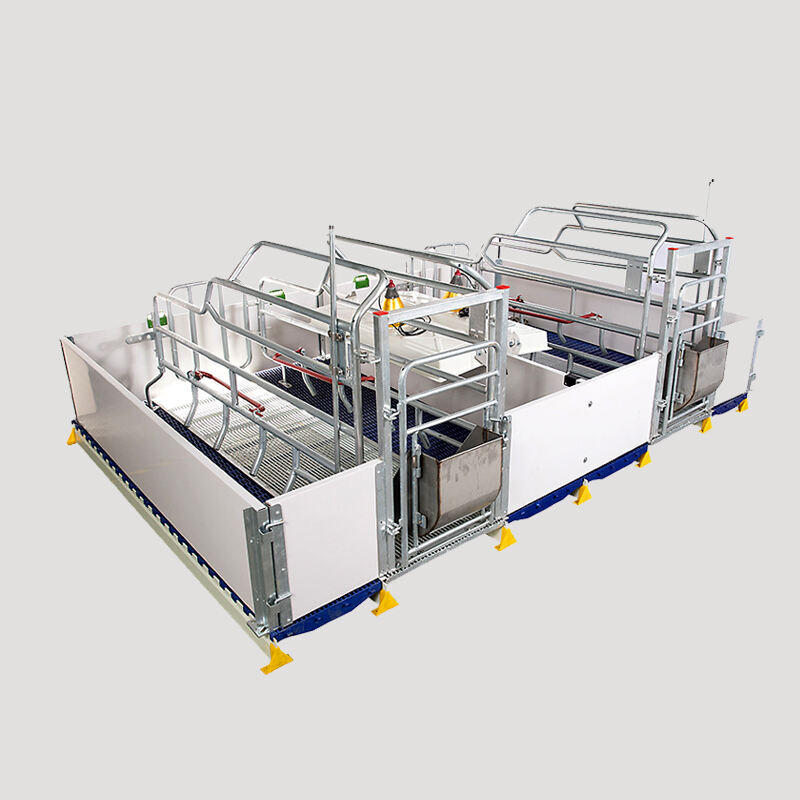
Pig farrowing crates represent one of the most critical components in modern swine production systems, yet they present numerous operational and welfare challenges throughout different lactation stages. These specialized housing units are designed to protect newborn piglets while allowing sows to nurse effectively, but their implementation requires careful consideration of timing, design, and management practices. Understanding the specific challenges that pig farrowing crates create during various phases of lactation is essential for producers seeking to optimize both animal welfare and production efficiency in their operations.
Early Lactation Challenges in Farrowing Systems
Initial Sow Adaptation and Stress Response
The first few days following farrowing present unique challenges when sows are housed in pig farrowing crates. During this critical period, sows often experience elevated stress levels due to the restricted movement inherent in crate design. This confinement can lead to increased cortisol production, which may negatively impact milk letdown and overall maternal behavior. The inability to perform natural nesting behaviors before and immediately after birth creates psychological stress that can persist throughout the early lactation period.
Additionally, sows may exhibit reluctance to lie down fully in pig farrowing crates during the initial adaptation phase. This behavioral change stems from their natural instinct to maintain awareness of their surroundings and protect their offspring. The restricted space can cause discomfort, particularly for larger sows, leading to prolonged standing periods that may result in leg and joint problems. These physical challenges can compound stress and negatively affect the sow's ability to provide adequate nutrition to her litter during the most crucial developmental period.
Piglet Accessibility and Nursing Coordination
Early lactation in pig farrowing crates often presents coordination challenges between sows and their piglets during nursing sessions. The fixed positioning of sows within crates can create accessibility issues for smaller or weaker piglets who may struggle to reach optimal nursing positions. This challenge is particularly pronounced in the first 48 hours when piglets are establishing their nursing order and developing strength. The structural barriers of farrowing crates may inadvertently prevent some piglets from accessing udder sections, potentially leading to uneven growth rates within the litter.
Temperature regulation during early lactation also becomes more complex within pig farrowing crates. While the systems typically include heating elements for piglet comfort, the restricted airflow and positioning of sows can create microclimates that vary significantly across different areas of the crate. These temperature variations can affect piglet behavior and nursing frequency, as newborns may congregate in warmer areas rather than maintaining consistent access to milk sources. Managing these environmental factors requires constant monitoring and adjustment to ensure optimal conditions for both sow comfort and piglet development.
Mid-Lactation Operational Difficulties
Space Limitations and Growing Piglet Mobility
As lactation progresses into the second and third weeks, pig farrowing crates face increasing pressure from growing piglet populations that require more space for movement and social interaction. The fixed dimensions of traditional farrowing systems become increasingly restrictive as piglets develop mobility and curiosity about their environment. This spatial constraint can lead to increased competition among littermates and potential aggressive behaviors that may not occur in more open housing systems.
The challenge becomes particularly evident when piglets begin exploring solid feed options around three weeks of age. Pig farrowing crates must accommodate feeding equipment and ensure adequate access to both milk and supplemental nutrition without creating overcrowding conditions. The limited floor space can make it difficult to position feeders optimally, potentially leading to feed waste and uneven consumption patterns among piglets. This situation requires careful management to prevent nutritional deficiencies that could affect growth rates and overall litter performance.
Maintenance and Hygiene Challenges
Mid-lactation presents increased maintenance demands for pig farrowing crates as both sow and piglet waste production reaches peak levels. The confined space makes thorough cleaning more challenging, particularly in areas underneath and around the sow where waste accumulation can occur rapidly. Poor sanitation during this period can contribute to increased pathogen loads and higher disease transmission risks, affecting both current and subsequent production cycles.
Ventilation management becomes increasingly critical during mid-lactation as the growing piglet population generates more heat and moisture within pig farrowing crates. Inadequate air circulation can lead to ammonia buildup and poor air quality, which may compromise respiratory health for both sows and piglets. The challenge lies in maintaining proper ventilation rates while preventing drafts that could chill young piglets, requiring sophisticated environmental control systems that many facilities may lack.
Late Lactation and Weaning Transition Challenges
Behavioral Changes and Increased Activity
During the final weeks of lactation, pig farrowing crates must accommodate increasingly active and social piglets who begin to exhibit natural behaviors such as rooting, playing, and exploring. The rigid structure of farrowing crates can frustrate these natural tendencies, potentially leading to behavioral abnormalities such as tail biting, excessive vocalization, or stereotypic behaviors. These issues can persist beyond the farrowing period and may affect future production performance.
Sow behavior also changes significantly during late lactation as maternal instincts begin to wane and the desire for independence increases. In pig farrowing crates, sows may become more agitated and show signs of restlessness as they prepare for weaning. The inability to distance themselves from their piglets naturally can prolong stress and may affect the timing of estrus return after weaning. This behavioral challenge requires careful monitoring and may necessitate early weaning protocols that could impact piglet development.
Feed Transition and Nutritional Management
The transition from milk to solid feed becomes more complex within pig farrowing crates as space limitations affect the placement and accessibility of creep feeders and water sources. Piglets require increasing amounts of solid feed during late lactation, but the confined space can create competition and prevent adequate consumption by all littermates. This nutritional challenge can result in increased weaning weight variation and may compromise post-weaning performance.
Managing the sow's nutritional needs during late lactation also presents unique challenges in pig farrowing crates. As milk production begins to decline, sows require adjusted feeding programs to prepare their bodies for breeding, but the restricted movement limits their ability to exercise and maintain muscle tone. This situation can contribute to longer weaning-to-estrus intervals and reduced reproductive efficiency in subsequent breeding cycles, affecting overall farm productivity and profitability.
Design and Management Solutions
Innovative Crate Modifications
Modern pig farrowing crates increasingly incorporate adjustable features that address some of the traditional challenges associated with fixed housing systems. These modifications include expandable side panels that provide additional space as piglets grow, removable barriers that allow for easier cleaning and maintenance, and adjustable flooring systems that accommodate different litter sizes and ages. Such innovations help producers maintain the protective benefits of farrowing crates while reducing some of the spatial and behavioral constraints.
Temperature control systems in advanced pig farrowing crates now feature zone-specific heating and cooling capabilities that can be adjusted throughout lactation to meet changing needs. These systems often include automated controls that respond to environmental sensors and can maintain optimal conditions without constant human intervention. The integration of these technologies helps address many of the microclimate challenges that traditional farrowing systems face during different lactation stages.
Enhanced Management Protocols
Successful management of pig farrowing crates throughout lactation requires implementation of stage-specific protocols that address the unique challenges of each period. Early lactation protocols focus on minimizing sow stress through environmental enrichment and careful monitoring of nursing behavior. Mid-lactation management emphasizes sanitation, ventilation, and feed management to support growing piglets while maintaining sow health and productivity.
Late lactation protocols in pig farrowing crates often involve gradual space expansion where possible and implementation of pre-weaning strategies that prepare piglets for transition to nursery facilities. These management approaches require trained personnel who understand the behavioral and physiological changes occurring throughout lactation and can make appropriate adjustments to housing and feeding systems as needed.
Economic and Welfare Considerations
Production Efficiency Impacts
The challenges associated with pig farrowing crates throughout different lactation stages have direct economic implications for swine producers. Stress-related issues during early lactation can reduce milk production and piglet growth rates, ultimately affecting weaning weights and subsequent performance. The spatial limitations during mid and late lactation may contribute to increased mortality rates and higher veterinary costs due to behavioral and health issues.
However, pig farrowing crates also provide economic benefits through improved piglet survival rates and labor efficiency compared to alternative housing systems. The challenge for producers lies in optimizing the design and management of these systems to maximize benefits while minimizing negative impacts. This optimization often requires significant investment in facility improvements and staff training, but can result in improved overall production efficiency and profitability.
Animal Welfare Assessment
Welfare considerations surrounding pig farrowing crates continue to evolve as scientific understanding of swine behavior and physiology advances. The challenges identified during different lactation stages contribute to ongoing debates about the appropriateness of these housing systems and drive research into alternative approaches. Welfare assessment protocols now consider factors such as behavioral expression, physiological stress indicators, and long-term health outcomes when evaluating farrowing systems.
The development of welfare-friendly modifications to pig farrowing crates represents an ongoing effort to balance production efficiency with animal comfort and natural behavior expression. These efforts include research into temporary confinement systems, enhanced environmental enrichment options, and alternative housing designs that maintain piglet protection while allowing greater sow mobility. The challenge remains finding solutions that are practical, economical, and acceptable to both producers and consumers.
FAQ
How do pig farrowing crates affect sow behavior during early lactation?
During early lactation, pig farrowing crates can significantly impact sow behavior by restricting natural movements and nesting activities. Sows may experience increased stress levels, which can affect milk letdown and maternal bonding. The confined space often prevents sows from performing instinctive behaviors such as building nests or positioning themselves optimally for nursing, potentially leading to elevated cortisol levels and reduced milk production during the critical first few days after farrowing.
What are the main space-related challenges as piglets grow in farrowing crates?
As piglets develop and become more mobile, pig farrowing crates face increasing spatial pressure that can lead to overcrowding and competition among littermates. The fixed dimensions become inadequate for growing piglets who need space for natural behaviors like playing, exploring, and social interaction. This spatial constraint can result in increased aggression, uneven access to feeding areas, and difficulty in maintaining proper hygiene standards as waste production increases with piglet growth.
How do farrowing crates impact the weaning transition process?
The weaning transition in pig farrowing crates presents unique challenges as piglets must adapt from milk to solid feed within confined spaces. Limited area for creep feeders can create competition and prevent adequate feed consumption by all piglets, leading to variable weaning weights. Additionally, the inability of sows to naturally distance themselves from their offspring can prolong maternal stress and potentially delay the return to estrus after weaning, affecting subsequent reproductive performance.
What management strategies can help address farrowing crate challenges during lactation?
Effective management of pig farrowing crates throughout lactation requires stage-specific protocols that include environmental enrichment during early lactation to reduce sow stress, enhanced sanitation and ventilation management during mid-lactation, and gradual feed transition programs during late lactation. Modern facilities often incorporate adjustable crate features, zone-specific climate control, and trained personnel who can monitor behavioral changes and make appropriate system adjustments to optimize both animal welfare and production efficiency throughout the lactation period.
Table of Contents
- Early Lactation Challenges in Farrowing Systems
- Mid-Lactation Operational Difficulties
- Late Lactation and Weaning Transition Challenges
- Design and Management Solutions
- Economic and Welfare Considerations
-
FAQ
- How do pig farrowing crates affect sow behavior during early lactation?
- What are the main space-related challenges as piglets grow in farrowing crates?
- How do farrowing crates impact the weaning transition process?
- What management strategies can help address farrowing crate challenges during lactation?