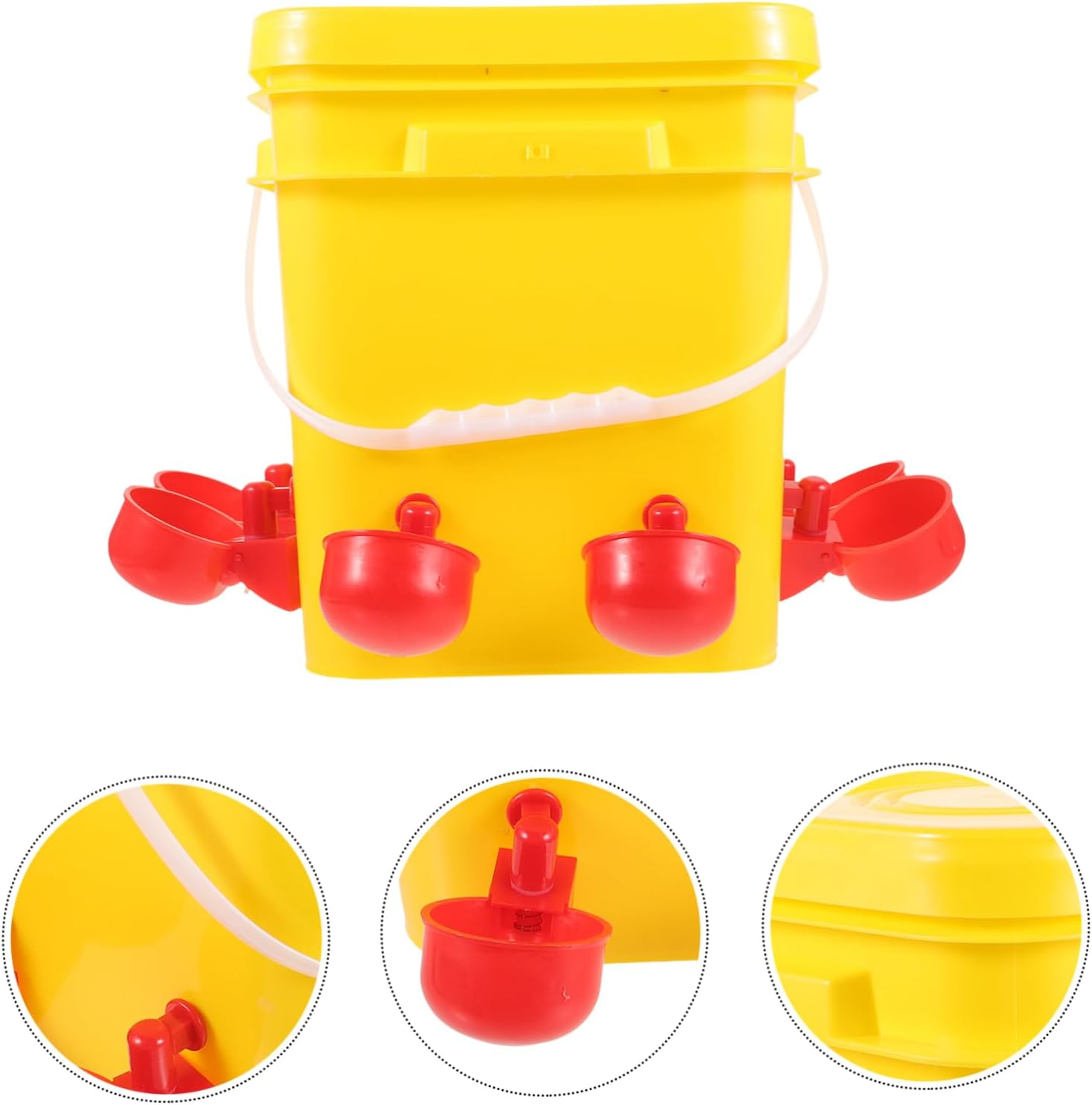
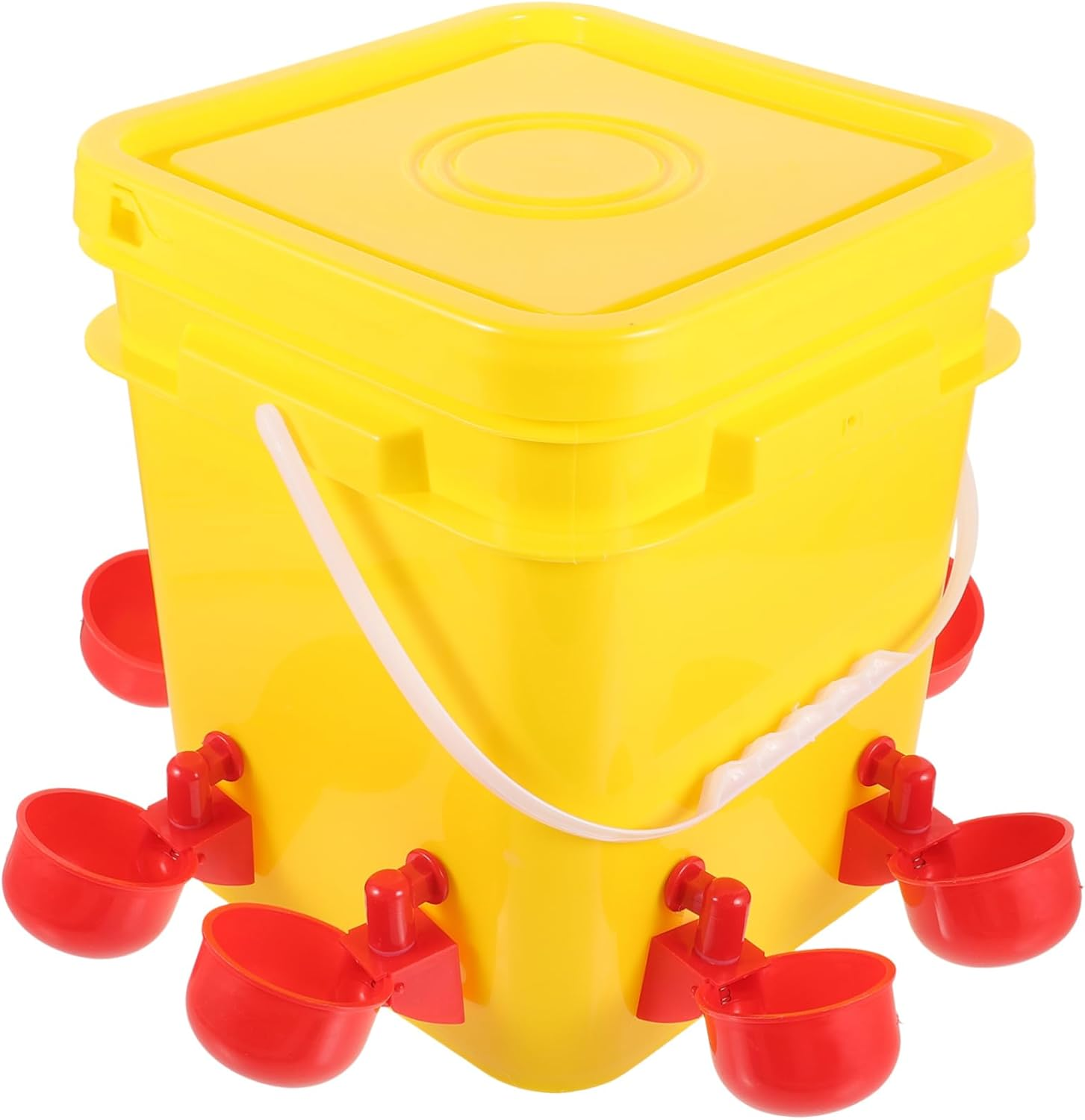
Advanced Chicken Feeding System: Automated Poultry Nutrition Solutions for Modern Farms

Get a Free Quote

Our representative will contact you soon.
Email
Name
Company Name
Intended Products
Message
0/1000

chicken feeding system

A chicken feeding system represents a comprehensive technological solution designed to revolutionize poultry nutrition management in modern farming operations. This sophisticated equipment automates the entire feeding process, delivering precise amounts of feed to chickens at predetermined intervals throughout the day. The chicken feeding system incorporates advanced sensors, programmable controls, and distribution mechanisms that work together to ensure optimal nutrition delivery while minimizing waste and labor requirements. At its core, the system features computerized control units that monitor feed levels, track consumption patterns, and adjust distribution schedules based on flock size, age, and nutritional requirements. The technological architecture includes high-capacity storage silos, conveyor systems, and precision dispensing units that maintain feed quality while preventing contamination. Key functions encompass automated feed scheduling, portion control, real-time monitoring, and data logging capabilities that provide farmers with detailed insights into their flock's feeding behavior. The chicken feeding system utilizes weight sensors and flow meters to ensure accurate feed delivery, while integrated ventilation systems maintain optimal storage conditions. Modern units feature weatherproof construction, stainless steel components, and modular designs that accommodate various farm sizes and layouts. Applications span across commercial broiler operations, layer farms, breeding facilities, and specialty poultry production units. The system's versatility allows integration with existing farm management software, enabling seamless data synchronization and comprehensive farm monitoring. Environmental controls within the chicken feeding system protect against moisture, pests, and temperature fluctuations that could compromise feed quality. Emergency backup systems ensure continuous operation during power outages, while remote monitoring capabilities allow farmers to oversee operations from any location. The technology supports multiple feed types, from starter crumbles to finisher pellets, adapting automatically to changing nutritional requirements throughout the production cycle.

New Product Releases

The chicken feeding system delivers transformative benefits that directly impact farm profitability and operational efficiency. Labor cost reduction stands as the most immediate advantage, as automated feeding eliminates the need for manual distribution multiple times daily. Farmers save significant time and physical effort while ensuring consistent nutrition delivery regardless of weather conditions or staff availability. Feed waste reduction represents another crucial benefit, with precision dispensing mechanisms cutting waste by up to 15% compared to traditional feeding methods. The chicken feeding system monitors consumption patterns and adjusts portions accordingly, preventing overfeeding while ensuring adequate nutrition for optimal growth rates. Improved feed conversion ratios result from consistent feeding schedules and portion control, leading to better weight gain and reduced production costs per bird. Health benefits emerge from reduced human contact with the flock, minimizing disease transmission risks and creating cleaner feeding environments. The system maintains feed freshness through controlled storage conditions and automated rotation, ensuring birds receive high-quality nutrition that supports immune system strength. Cost savings accumulate through reduced labor expenses, decreased feed waste, improved feed conversion efficiency, and lower mortality rates. Production consistency improves as the chicken feeding system eliminates human error in feed distribution, ensuring each bird receives appropriate nutrition levels for its growth stage. Real-time monitoring capabilities provide farmers with valuable data insights, enabling proactive management decisions that optimize production outcomes. The system's scalability allows farms to expand operations without proportional increases in labor requirements, supporting business growth while maintaining operational efficiency. Environmental benefits include reduced dust exposure for workers and birds, lower carbon footprint through optimized feed usage, and decreased contamination risks. Return on investment typically occurs within 18-24 months through combined savings in labor, feed costs, and improved production metrics. The chicken feeding system enhances animal welfare by providing stress-free feeding experiences with consistent schedules that align with natural feeding behaviors, ultimately supporting sustainable poultry production practices.

Practical Tips

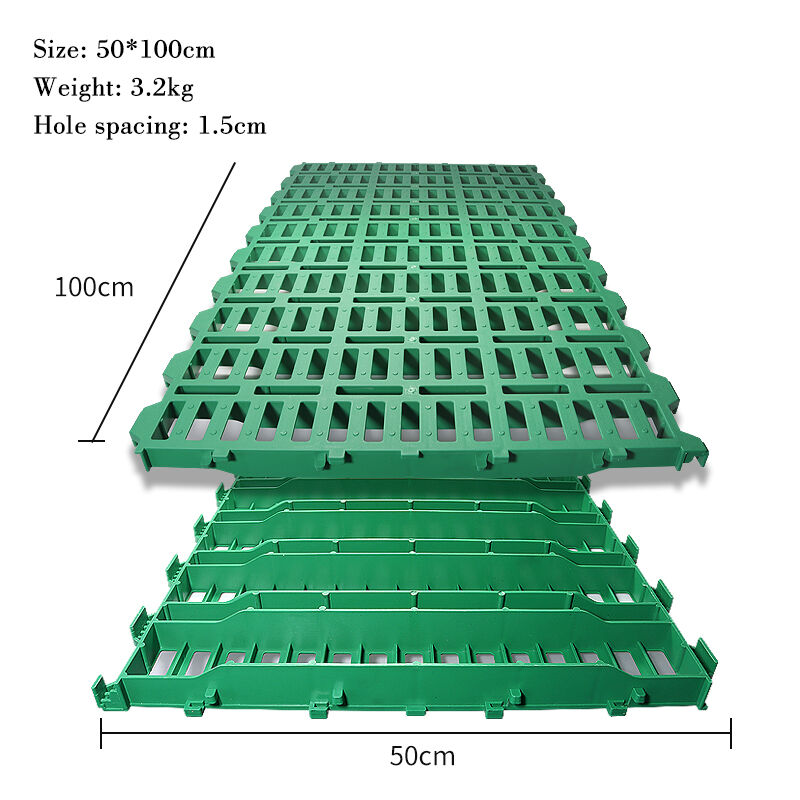
How do livestock farms choose goat slat floors for hygiene control?

29

Jan

How do livestock farms choose goat slat floors for hygiene control?

Modern livestock farming demands innovative solutions to maintain optimal hygiene standards while ensuring animal welfare and operational efficiency. The selection of appropriate flooring systems has become a critical decision for farmers seeking to ...
View More
How are chicken transport crates customized for export requirements?

29

Jan

How are chicken transport crates customized for export requirements?

The global poultry industry relies heavily on specialized transportation solutions to ensure the safe and humane movement of live chickens across international borders. A well-designed chicken transport crate serves as the foundation for successful e...
View More
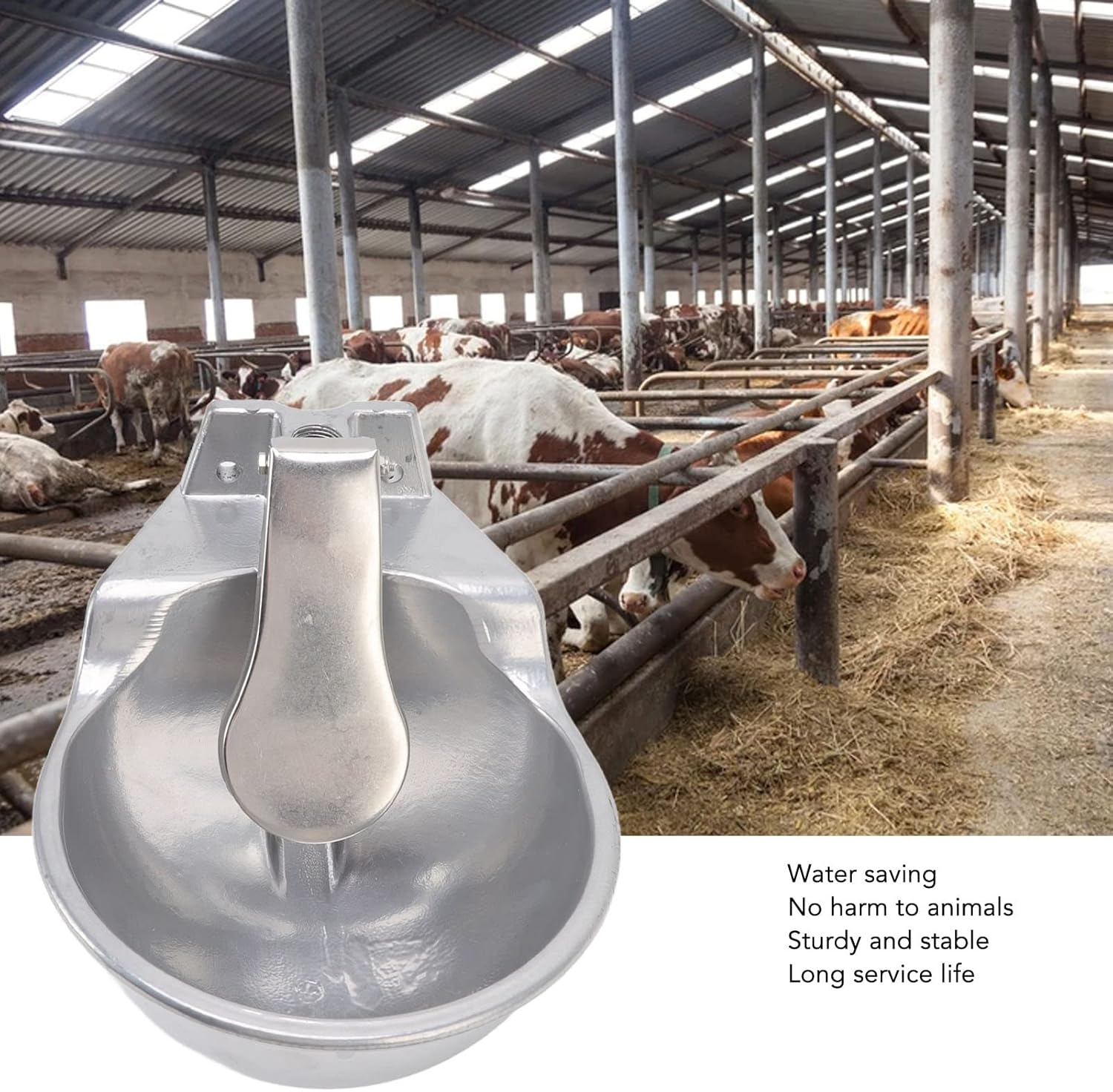
How do farms select cattle drinking bowls for automated systems?

29

Jan

How do farms select cattle drinking bowls for automated systems?

Modern dairy and beef operations increasingly rely on automated watering systems to ensure consistent hydration for their livestock. The selection of an appropriate cattle drinking bowl represents a critical decision that directly impacts animal welf...
View More
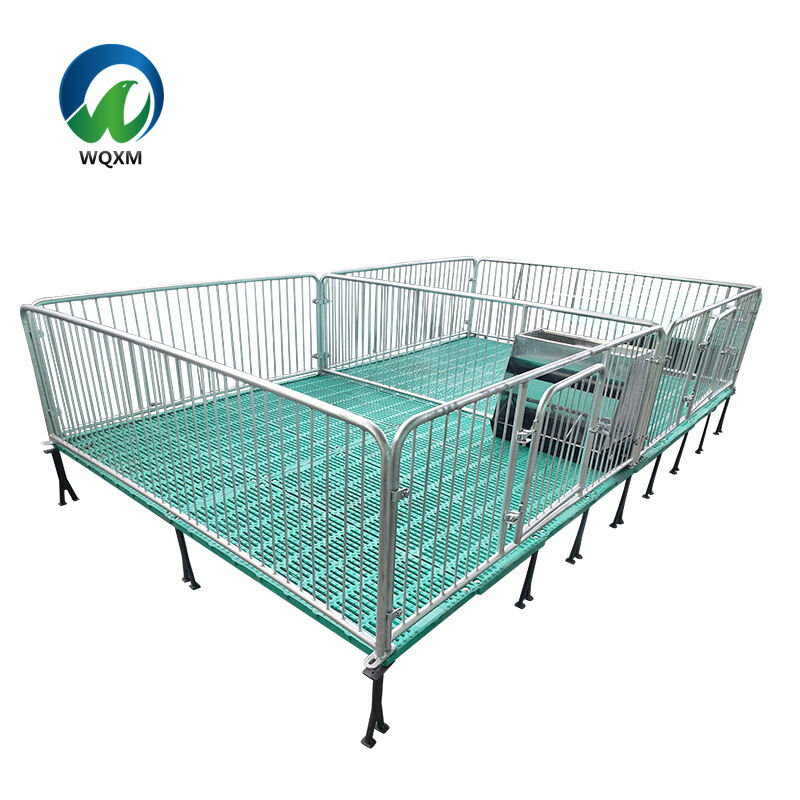
Why Are Pig Farrowing Crates Still Debated in Modern Sow Housing Systems?

28

Feb

Why Are Pig Farrowing Crates Still Debated in Modern Sow Housing Systems?

The livestock industry continues to grapple with balancing animal welfare, operational efficiency, and economic sustainability, particularly when it comes to pig farrowing crates. These specialized housing systems have become a focal point of heated ...
View More

Get a Free Quote

Our representative will contact you soon.
Email
Name
Company Name
Intended Products
Message
0/1000

chicken feeding system

Precision Feed Distribution Technology

Precision Feed Distribution Technology

The precision feed distribution technology within modern chicken feeding systems represents a revolutionary advancement in poultry nutrition management. This sophisticated mechanism employs advanced weight sensors and computerized controls to deliver exact feed quantities to each feeding station, ensuring optimal nutrition distribution across the entire flock. The technology utilizes calibrated auger systems and programmable dispensers that can adjust portion sizes based on bird age, breed specifications, and production goals. Digital scales integrated throughout the chicken feeding system continuously monitor feed flow rates, automatically compensating for variations in feed density or environmental factors that might affect distribution accuracy. The precision technology eliminates the guesswork associated with manual feeding, providing consistent nutrition delivery that supports uniform growth rates and production outcomes. Advanced algorithms within the control system analyze consumption patterns and automatically adjust feeding schedules to match flock requirements, preventing both underfeeding and overfeeding scenarios. This intelligent distribution system can accommodate multiple feed formulations simultaneously, switching between starter, grower, and finisher feeds based on predetermined schedules or real-time growth assessments. The technology's modular design allows for easy expansion or modification as farm operations grow or change, ensuring long-term adaptability and investment protection. Quality sensors monitor feed condition throughout the distribution process, detecting moisture levels, temperature variations, and potential contamination risks before feed reaches the birds. Emergency stop mechanisms and overflow protection systems safeguard against equipment malfunctions that could disrupt feeding schedules or waste expensive feed ingredients. The precision distribution technology integrates seamlessly with farm management software, providing detailed consumption reports and performance analytics that enable data-driven decision making for optimal production efficiency and profitability.
Automated Scheduling and Smart Controls

Automated Scheduling and Smart Controls

The automated scheduling and smart control features of modern chicken feeding systems transform traditional poultry management through intelligent automation that adapts to flock needs and farm operations. This comprehensive control system operates on sophisticated algorithms that consider multiple variables including bird age, seasonal changes, production targets, and environmental conditions to optimize feeding schedules automatically. The chicken feeding system's smart controls feature user-friendly interfaces that allow farmers to set complex feeding programs with multiple daily distributions, varying portion sizes, and flexible timing adjustments. Remote monitoring capabilities enable farm managers to oversee operations from smartphones or computers, receiving real-time alerts about system status, feed levels, and any operational irregularities. The intelligent scheduling system learns from historical data, identifying consumption patterns and automatically adjusting future feeding schedules to maximize efficiency and minimize waste. Weather integration features allow the system to modify feeding schedules based on temperature, humidity, and barometric pressure changes that affect bird appetite and feed consumption. Emergency protocols within the smart control system ensure continuous operation during power outages or equipment failures, automatically switching to backup power sources or manual override modes. The automation reduces human error by eliminating manual calculations and timing decisions, ensuring consistent nutrition delivery that supports optimal growth rates and production outcomes. Customizable programming options accommodate different production systems, from broiler operations requiring rapid weight gain to layer farms focused on sustained egg production. Integration capabilities allow the chicken feeding system to communicate with other farm equipment including ventilation systems, lighting controls, and water management systems for comprehensive environmental control. Data logging features capture detailed feeding information that supports regulatory compliance, quality assurance programs, and performance analysis. The smart controls provide predictive maintenance alerts, notifying operators when components require service or replacement before failures occur, minimizing downtime and ensuring continuous operation throughout production cycles.
Cost-Effective Farm Management Solution

Cost-Effective Farm Management Solution

The cost-effective farm management capabilities of modern chicken feeding systems deliver measurable financial returns through operational efficiency improvements and resource optimization strategies. This comprehensive management solution reduces labor requirements by up to 70% compared to manual feeding operations, allowing farm workers to focus on higher-value activities like flock health monitoring and facility maintenance. The chicken feeding system's precise portion control mechanisms significantly reduce feed waste, typically saving 10-15% of total feed costs through accurate distribution and spillage prevention. Improved feed conversion ratios result from consistent nutrition delivery, with many farms experiencing 5-8% improvements in feed efficiency that directly impact profitability. The system's automated scheduling eliminates overtime labor costs associated with weekend and holiday feeding, as operations continue seamlessly without human intervention. Energy efficiency features including variable speed motors and intelligent power management systems minimize electricity consumption while maintaining optimal performance levels. Maintenance costs remain low due to robust construction materials, self-diagnostic capabilities, and predictive maintenance alerts that prevent costly breakdowns. The chicken feeding system's modular design allows for phased implementation and gradual expansion, enabling farms to spread capital investments over time while immediately benefiting from efficiency improvements. Insurance premiums often decrease due to reduced fire risks associated with automated feed storage and distribution systems compared to manual handling operations. Quality control improvements through consistent feed distribution and storage protection reduce mortality rates and veterinary expenses, contributing to overall cost savings. The system's data collection capabilities support precision farming practices that optimize resource utilization and identify cost-saving opportunities throughout production cycles. Return on investment calculations typically show payback periods of 18-30 months, depending on farm size and operational parameters. Long-term durability ensures continued cost savings over 15-20 year equipment lifecycles, making the chicken feeding system a sound capital investment for sustainable poultry operations seeking competitive advantages in increasingly demanding markets.
Tel Tel WhatApp WhatApp Email Email WeChat WeChat
WeChat