Automated Scheduling and Labor Efficiency Enhancement
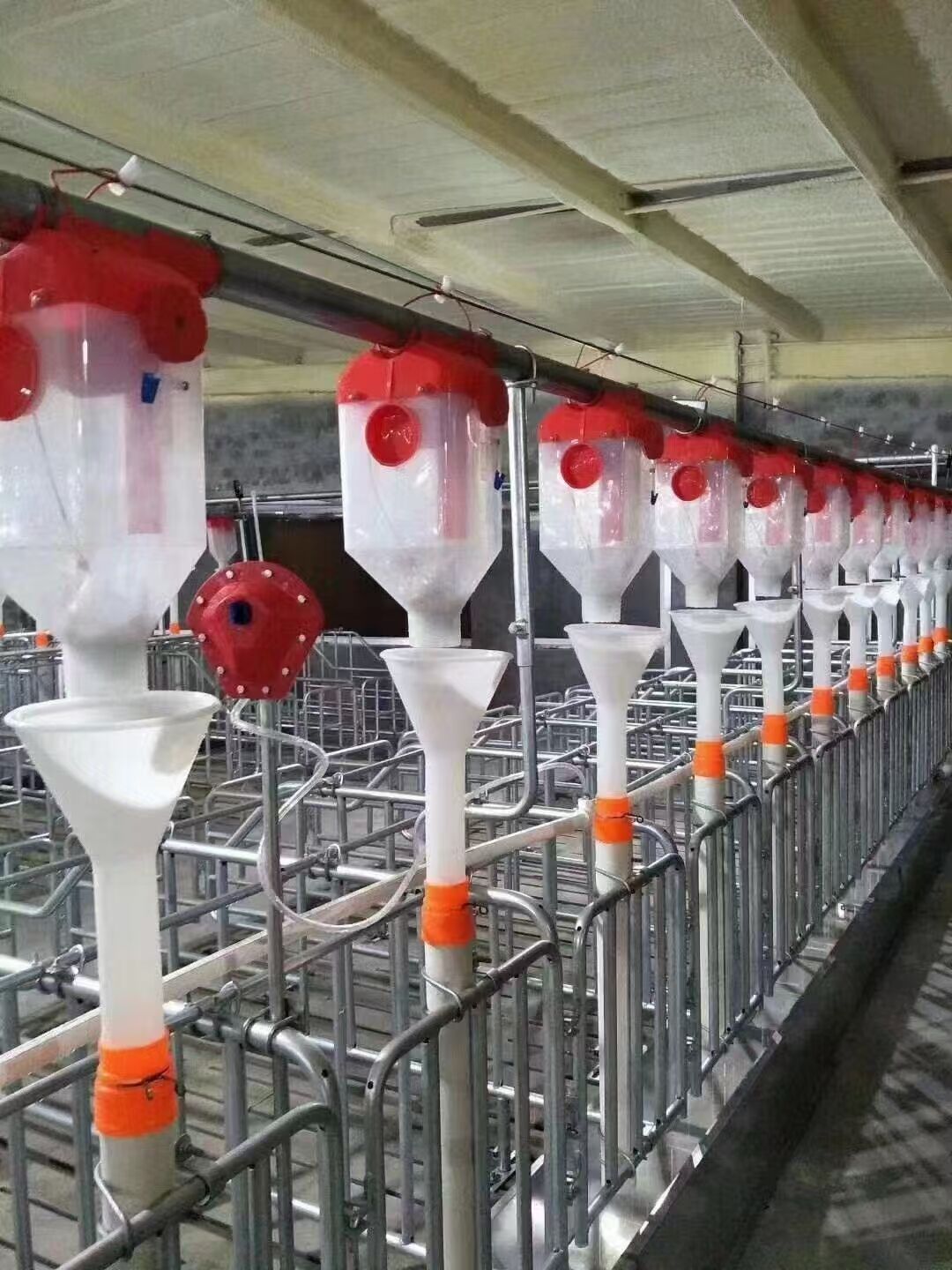
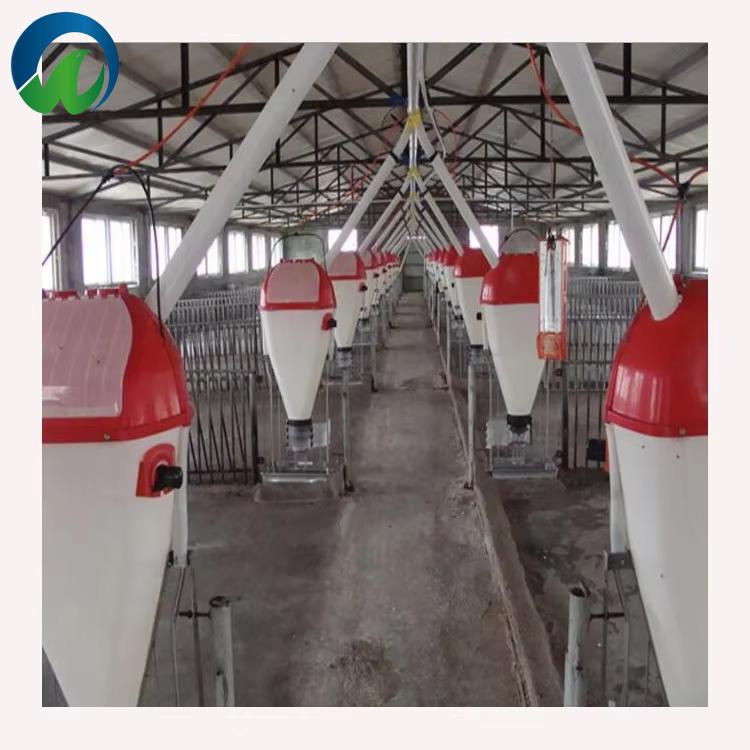
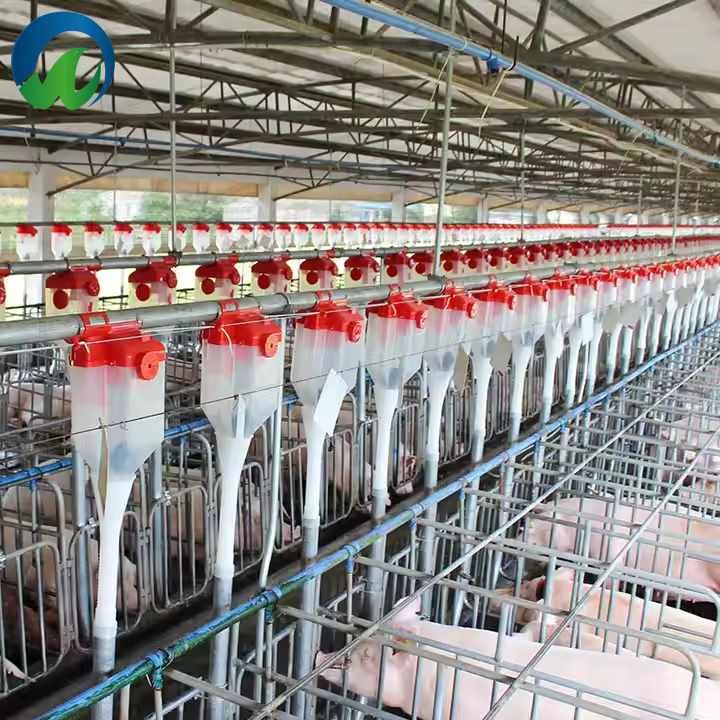
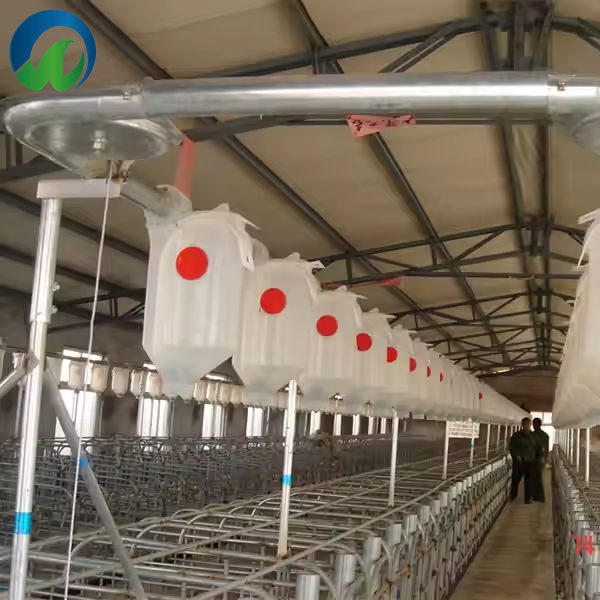
The automated scheduling capabilities of the low cost pig auto feeding line deliver unprecedented labor efficiency improvements by eliminating manual feeding tasks and optimizing workforce allocation across farm operations. This comprehensive automation system operates through programmable controllers that manage feeding schedules with precision timing, ensuring consistent nutrition delivery regardless of external factors such as weather conditions, staff availability, or holiday schedules. The technology enables farmers to establish multiple feeding programs simultaneously, accommodating different animal groups with varying nutritional needs and feeding frequencies throughout a single facility. Labor cost reduction occurs immediately upon installation, as the low cost pig auto feeding line replaces manual feeding tasks that typically require 2-4 hours daily for medium-sized operations. Workers previously dedicated to feed preparation, transport, and distribution can redirect their efforts toward animal health monitoring, facility maintenance, and reproductive management activities that add greater value to farm operations. The system operates during optimal feeding times, including early morning and late evening hours, without requiring staff presence or overtime compensation. Remote monitoring capabilities allow operators to oversee feeding operations from mobile devices, providing flexibility in work scheduling and reducing on-site supervision requirements. Emergency backup systems and fail-safe mechanisms ensure continued operation during power outages or equipment maintenance periods, maintaining consistent animal care standards. The low cost pig auto feeding line integrates with existing farm management systems, consolidating operational control and reducing the complexity of daily task coordination. Staff training requirements decrease significantly as automated systems eliminate the need for workers to learn complex manual feeding procedures or maintain detailed feeding records. Safety improvements result from reduced heavy lifting, decreased exposure to feed dust and allergens, and minimized human traffic in animal areas. Productivity gains extend beyond direct labor savings, as consistent automated feeding improves feed conversion ratios and accelerates growth rates, reducing time to market and increasing overall farm throughput efficiency.
 EN
EN