Comprehensive Guide to Pig Farming Equipment Price: Advanced Solutions for Modern Agricultural Operations

Get a Free Quote

Our representative will contact you soon.
Email
Name
Company Name
Intended Products
Message
0/1000

pig farming equipment price

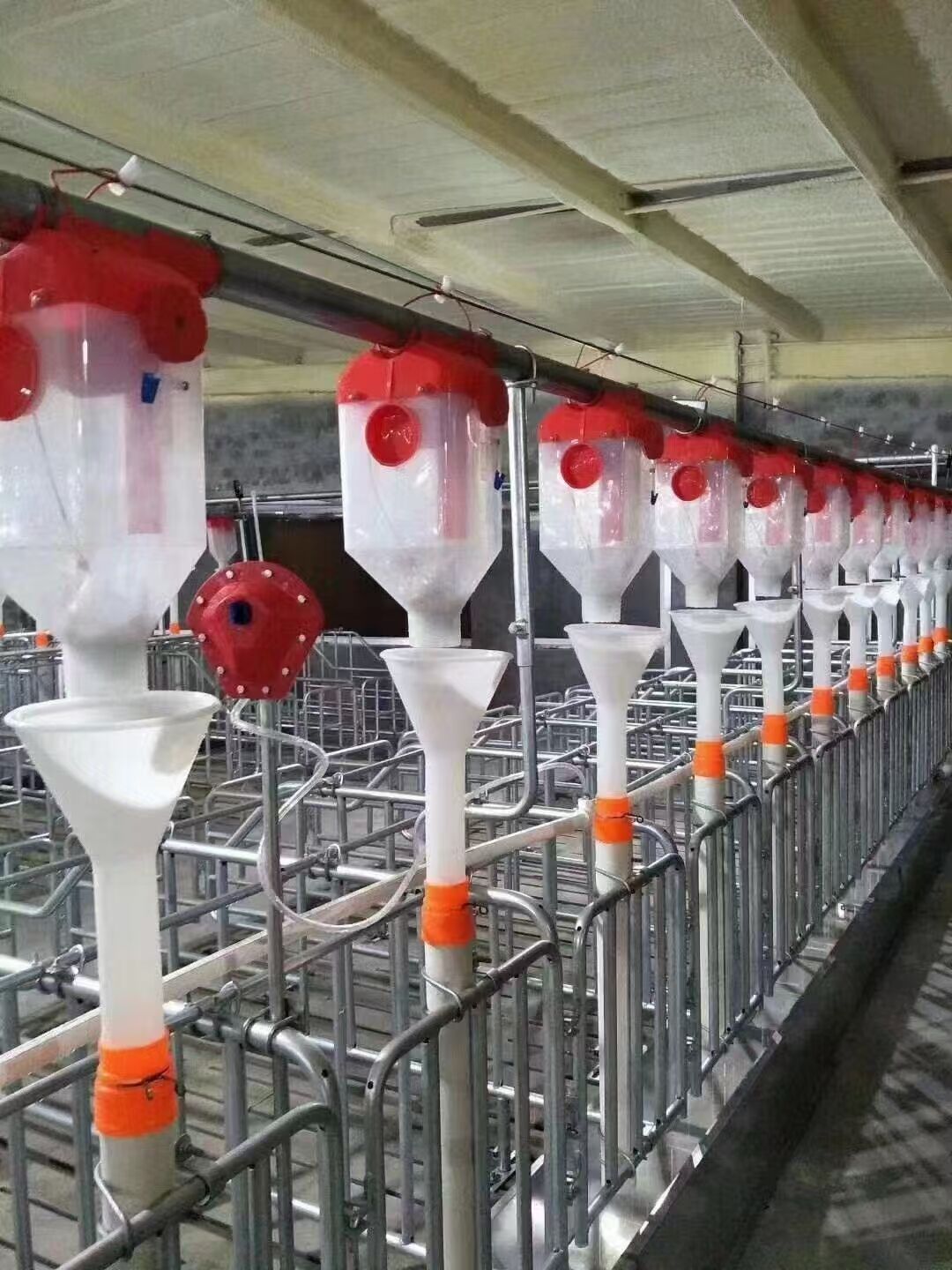
Pig farming equipment price represents a critical investment consideration for modern agricultural operations seeking to maximize productivity and profitability. The comprehensive range of swine production machinery encompasses automated feeding systems, climate control units, waste management solutions, and health monitoring devices that collectively transform traditional farming practices. Understanding pig farming equipment price structures enables farmers to make informed decisions about upgrading their facilities while balancing initial costs against long-term operational benefits. Contemporary pig farming equipment integrates advanced sensor technology, computerized control systems, and energy-efficient components that deliver superior performance compared to conventional alternatives. The technological features of modern equipment include programmable feeding schedules, temperature regulation algorithms, and real-time data analytics that optimize animal welfare and production efficiency. These systems utilize precision engineering to ensure consistent feed distribution, maintain optimal environmental conditions, and monitor individual animal health parameters throughout the production cycle. Applications span from small-scale family operations to large commercial facilities, with scalable solutions accommodating diverse operational requirements and budget constraints. The pig farming equipment price varies significantly based on automation levels, production capacity, and technological sophistication, allowing farmers to select systems that align with their specific operational goals and financial capabilities. Investment in quality equipment directly correlates with improved feed conversion rates, reduced labor costs, enhanced biosecurity measures, and increased overall farm profitability, making pig farming equipment price analysis essential for sustainable agricultural growth.

Popular Products

The advantages of investing in quality pig farming equipment become evident through measurable improvements in operational efficiency and financial performance. Modern equipment reduces manual labor requirements by up to seventy percent, allowing farm workers to focus on higher-value management tasks while automated systems handle routine feeding, cleaning, and monitoring responsibilities. This labor optimization translates directly into reduced operational costs and improved worker safety, as employees spend less time in potentially hazardous environments. Enhanced feed conversion efficiency represents another significant advantage, with precision feeding systems delivering exact nutritional requirements based on individual animal needs and growth stages. This targeted approach minimizes feed waste, reduces costs by fifteen to twenty percent, and promotes optimal growth rates that directly impact profitability. Climate control systems maintain consistent environmental conditions regardless of external weather variations, reducing stress-related health issues and mortality rates while promoting uniform growth patterns across the entire herd. The pig farming equipment price investment pays dividends through improved biosecurity measures that prevent disease outbreaks and reduce veterinary costs. Automated health monitoring systems detect early signs of illness, enabling prompt intervention that prevents widespread health issues and associated production losses. Data collection capabilities provide farmers with comprehensive insights into production metrics, allowing for evidence-based decision making and continuous improvement strategies. Environmental benefits include reduced water consumption through efficient cleaning systems, minimized odor production via advanced waste management, and decreased energy usage through optimized heating and cooling technologies. The pig farming equipment price consideration becomes favorable when calculating long-term returns, as quality equipment typically operates reliably for ten to fifteen years with proper maintenance, spreading initial investment costs across extended operational periods while delivering consistent performance improvements throughout the equipment lifecycle.

Practical Tips

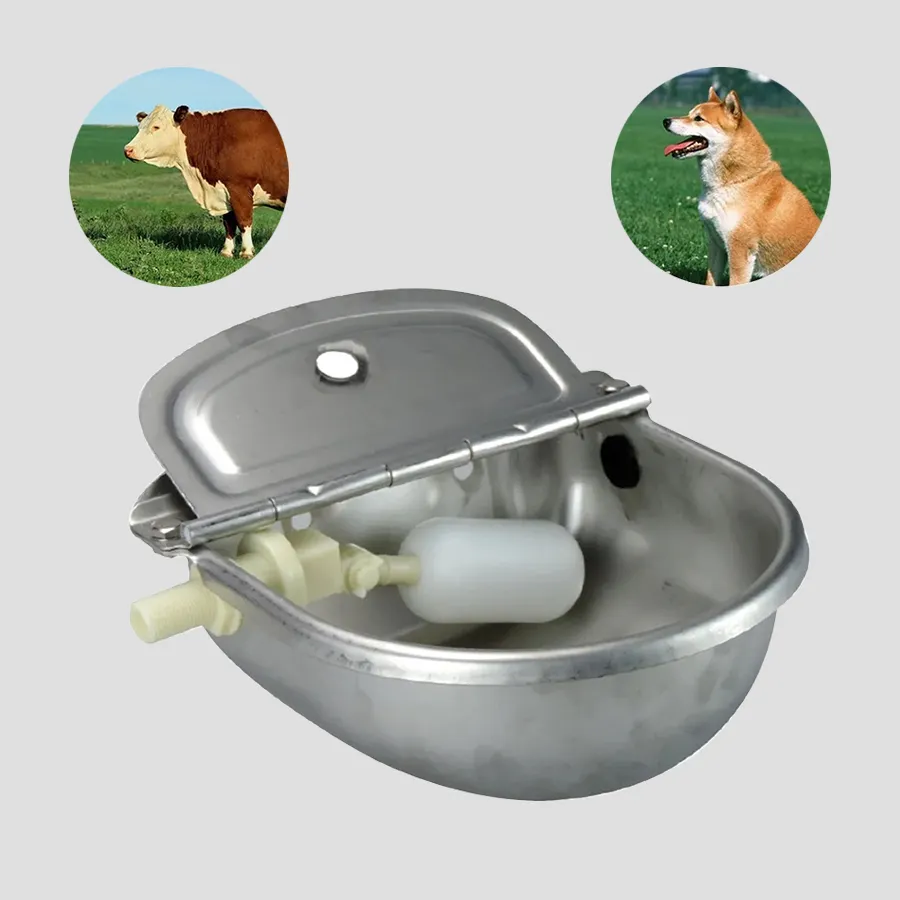
How Do Animal Drinking Bowls Vary by Animal Type?

05

Jan

How Do Animal Drinking Bowls Vary by Animal Type?

Designing Livestock Hydration: The Science Behind Effective Animal Drinking Bowls Animal drinking bowls play a pivotal role in safeguarding the health, hydration and productivity of diverse livestock and domestic animals. The significance of pro...
View More
Which ventilation features matter in chicken transport crate design?

29

Jan

Which ventilation features matter in chicken transport crate design?

Proper ventilation stands as the most critical factor in modern chicken transport crate design, directly impacting poultry welfare, mortality rates, and meat quality during transportation. The agricultural industry has witnessed significant advanceme...
View More
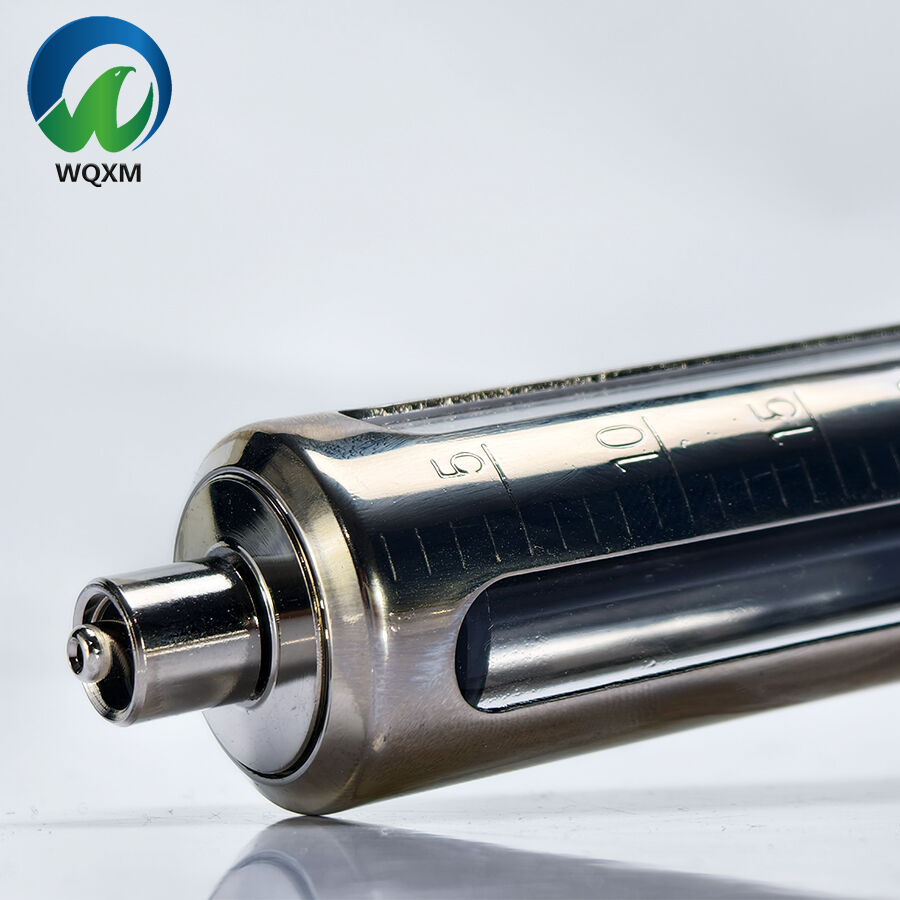
Why is the accuracy of a continuous syringe vital for large-scale dosing?

31

Mar

Why is the accuracy of a continuous syringe vital for large-scale dosing?

The precision of medication delivery in large-scale veterinary operations directly impacts animal health outcomes, treatment efficacy, and operational profitability. When administering vaccines, medications, or supplements to hundreds or thousands of...
View More
How does a flat feeding drinking line optimize floor space in poultry houses?

31

Mar

How does a flat feeding drinking line optimize floor space in poultry houses?

Modern poultry operations face increasing pressure to maximize production efficiency while maintaining optimal bird welfare standards. The strategic use of floor space has become a critical factor in determining the economic viability of commercial p...
View More

Get a Free Quote

Our representative will contact you soon.
Email
Name
Company Name
Intended Products
Message
0/1000

pig farming equipment price

Advanced Automation Systems Deliver Exceptional Return on Investment

Advanced Automation Systems Deliver Exceptional Return on Investment

The cornerstone of modern pig farming operations lies in sophisticated automation systems that fundamentally transform production efficiency while justifying pig farming equipment price investments through measurable financial returns. These comprehensive automation platforms integrate multiple operational aspects including precision feeding, environmental control, and health monitoring into unified management systems that operate with minimal human intervention. The feeding automation components utilize advanced algorithms to calculate optimal nutrition delivery based on individual animal weight, age, and growth targets, ensuring each pig receives precisely calibrated portions that maximize feed conversion efficiency. This precision eliminates the guesswork associated with manual feeding while reducing feed waste by up to twenty-five percent, directly impacting operational profitability. Environmental automation maintains ideal temperature, humidity, and air quality parameters through intelligent sensors that continuously monitor conditions and adjust heating, cooling, and ventilation systems accordingly. This consistent environmental management reduces stress-related health issues, promotes uniform growth rates, and minimizes energy consumption through optimized system operation. Health monitoring automation employs infrared sensors, weight scales, and behavioral analysis software to detect early indicators of illness or reproductive cycles, enabling prompt intervention that prevents production losses and reduces veterinary expenses. The integrated data management systems collect and analyze thousands of data points daily, providing farmers with comprehensive insights into production trends, equipment performance, and optimization opportunities. Remote monitoring capabilities allow farmers to oversee operations from any location using smartphone applications or computer interfaces, providing real-time alerts for any system anomalies or maintenance requirements. When evaluating pig farming equipment price considerations, these automation systems typically generate returns within eighteen to twenty-four months through reduced labor costs, improved feed efficiency, enhanced animal health outcomes, and increased production consistency, making them essential investments for competitive agricultural operations.
Energy-Efficient Climate Control Technology Reduces Operating Costs

Energy-Efficient Climate Control Technology Reduces Operating Costs

Revolutionary climate control technology represents a significant advancement in pig farming equipment design, delivering substantial energy savings that directly offset pig farming equipment price investments while creating optimal environments for animal productivity. These sophisticated systems employ variable-speed fans, smart ventilation controls, and precision heating elements that automatically adjust output based on real-time environmental conditions and occupancy levels. The ventilation components utilize computational fluid dynamics principles to ensure proper air circulation patterns that eliminate hot spots, reduce humidity buildup, and maintain consistent oxygen levels throughout facility spaces. Advanced heat recovery systems capture and redistribute warm air from animal body heat and waste decomposition, reducing external heating requirements by up to forty percent during colder months. Cooling systems integrate evaporative cooling technology with targeted misting systems that provide relief during hot weather while minimizing water consumption through precise application controls. The intelligent control algorithms learn from historical weather patterns and animal behavior data to anticipate climate control needs, pre-conditioning environments before temperature extremes occur. Insulation optimization works in conjunction with climate systems to maintain thermal efficiency, reducing energy transfer and minimizing the workload on heating and cooling equipment. Zone-based climate control allows different areas of facilities to maintain distinct environmental conditions based on animal age groups or production stages, optimizing comfort while preventing energy waste in unoccupied spaces. Energy monitoring systems provide detailed consumption analytics that enable farmers to identify optimization opportunities and track the financial impact of efficiency improvements. Solar integration capabilities allow renewable energy sources to supplement grid power, further reducing operational costs while supporting sustainable farming practices. The pig farming equipment price analysis for climate control systems demonstrates positive returns through reduced utility bills, improved feed conversion rates due to optimal animal comfort, and decreased mortality rates associated with temperature stress, typically recovering initial investments within two to three years while providing decades of reliable service.
Comprehensive Waste Management Solutions Enhance Environmental Compliance

Comprehensive Waste Management Solutions Enhance Environmental Compliance

State-of-the-art waste management systems integrated into modern pig farming operations address environmental regulations while transforming waste handling from a costly burden into a valuable resource recovery opportunity, making pig farming equipment price investments strategically advantageous for sustainable operations. These comprehensive solutions encompass liquid waste processing, solid waste management, and odor control technologies that work synergistically to minimize environmental impact while creating additional revenue streams. Liquid waste processing systems utilize advanced separation technologies to extract clean water from manure slurries, reducing waste volume by up to sixty percent while producing treated water suitable for facility cleaning or irrigation applications. The separated solids undergo controlled composting processes that transform organic waste into valuable fertilizer products, creating additional income opportunities while eliminating disposal costs. Anaerobic digestion systems capture methane gas produced during waste decomposition, converting this greenhouse gas into renewable energy that can power farm operations or be sold to utility companies, generating substantial revenue while reducing environmental impact. Odor control technologies employ biological filters, chemical scrubbers, and ionization systems to neutralize offensive compounds before they escape facility boundaries, ensuring compliance with air quality regulations while maintaining positive community relations. Automated waste collection systems transport materials through enclosed pipelines or conveyors, eliminating manual handling requirements while preventing spills and reducing labor exposure to potentially hazardous materials. Water recycling components treat and purify liquid waste streams, producing clean water that can be reused for drinking systems, facility cleaning, or cooling applications, significantly reducing freshwater consumption and utility costs. Environmental monitoring systems continuously track emissions, waste output, and treatment efficiency parameters, providing documentation required for regulatory compliance while identifying optimization opportunities. The integrated approach to waste management creates circular economy principles within farming operations, where waste products become valuable inputs for other processes, maximizing resource utilization while minimizing disposal costs. When analyzing pig farming equipment price considerations for waste management systems, the financial benefits include reduced waste disposal fees, revenue from fertilizer and energy sales, decreased water consumption costs, and avoided regulatory penalties, typically generating positive cash flow within twelve to eighteen months while ensuring long-term environmental sustainability and regulatory compliance for farming operations.

Tel Tel WhatApp WhatApp Email Email WeChat WeChat
WeChat