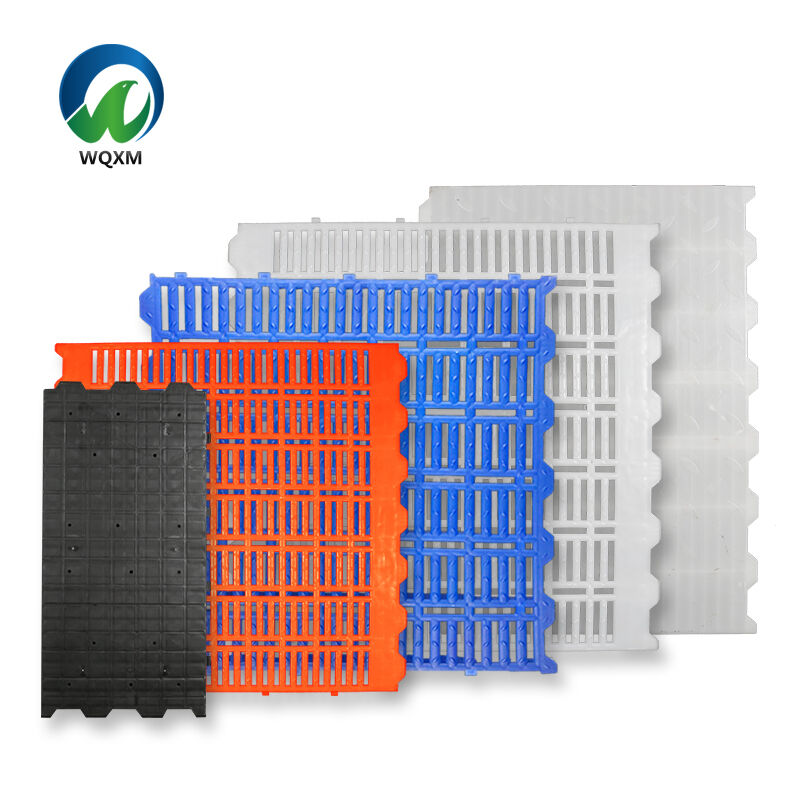
Advanced Pig Farming Equipment - Complete Solutions for Modern Swine Production

Get a Free Quote

Our representative will contact you soon.
Email
Name
Company Name
Intended Products
Message
0/1000

pig farming equipment

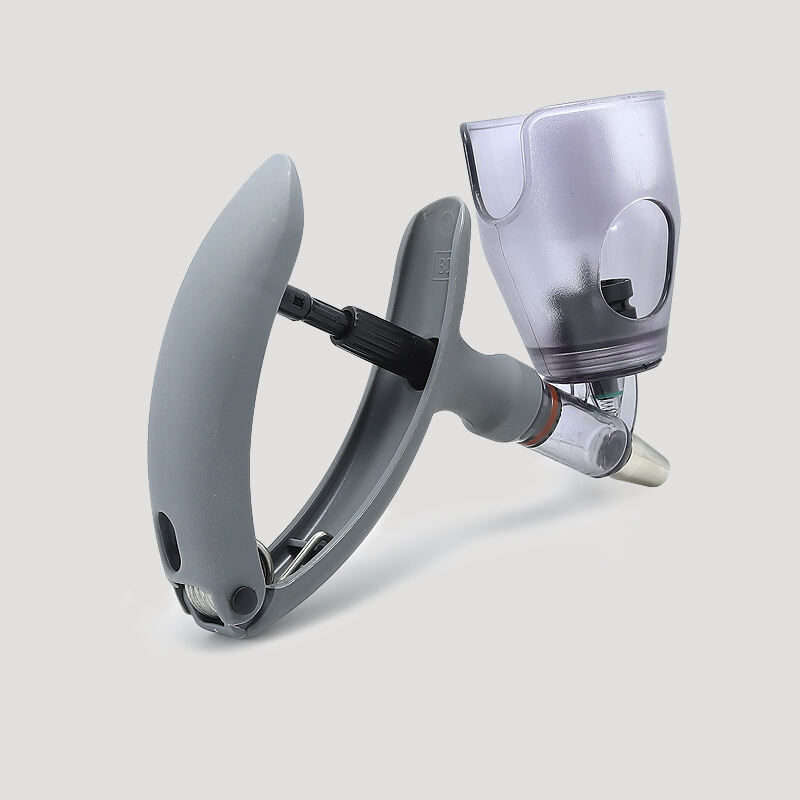
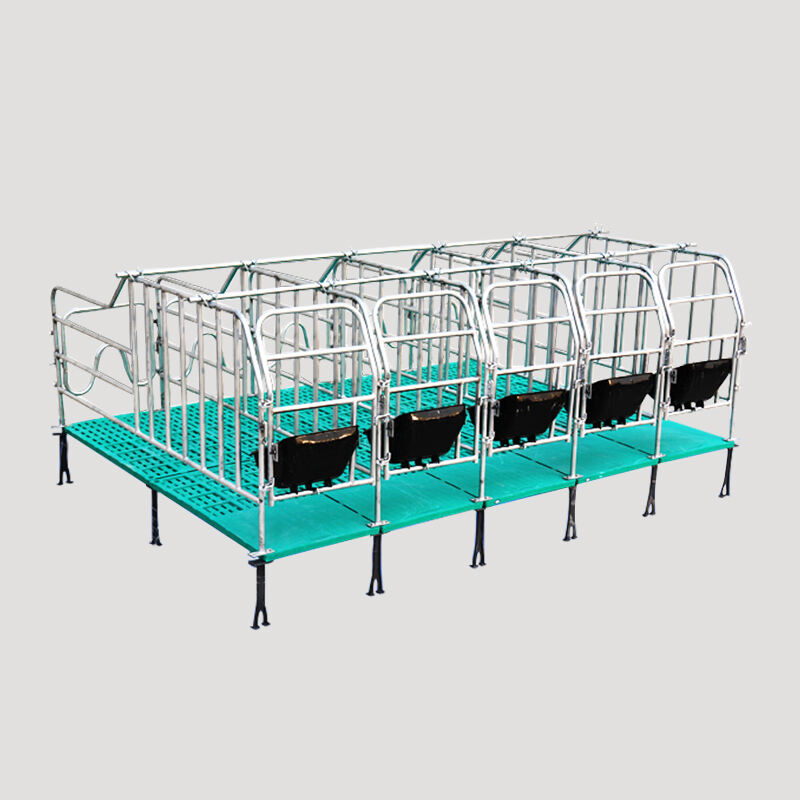
Pig farming equipment encompasses a comprehensive range of specialized machinery and systems designed to optimize swine production operations across all stages of the production cycle. Modern pig farming equipment integrates cutting-edge technology with practical functionality to address the complex needs of commercial and small-scale pig operations. The primary functions of pig farming equipment include automated feeding systems, climate control mechanisms, waste management solutions, health monitoring devices, and housing infrastructure that collectively enhance productivity while reducing labor costs. Advanced pig farming equipment utilizes precision technology such as RFID tracking, automated sensors, and computerized control systems that monitor environmental conditions, feed consumption, and animal behavior patterns. These technological features enable farmers to maintain optimal growing conditions, prevent disease outbreaks, and maximize feed conversion efficiency. The applications of pig farming equipment span from farrowing operations where specialized equipment ensures safe birthing conditions, to finishing barns equipped with automated ventilation and feeding systems. Water management systems within pig farming equipment maintain consistent water quality and availability, while waste handling equipment processes manure efficiently for environmental compliance. Automated sorting and weighing systems facilitate efficient livestock management, allowing farmers to track growth rates and optimize marketing decisions. Temperature control systems integrated into pig farming equipment maintain ideal thermal environments throughout different production phases, from nursery to finishing. Modern pig farming equipment also incorporates biosecurity features that minimize disease transmission risks through controlled access points and sanitization systems. These comprehensive equipment solutions support sustainable farming practices by optimizing resource utilization, reducing environmental impact, and improving animal welfare standards while maintaining economic viability for producers of all scales.

New Product Recommendations

The advantages of pig farming equipment extend far beyond simple automation, offering transformative benefits that revolutionize swine production efficiency and profitability. One of the most significant advantages involves dramatic labor cost reduction, as automated pig farming equipment handles routine tasks like feeding, watering, and environmental monitoring without constant human supervision. This automation allows farmers to manage larger operations with fewer personnel while redirecting human resources toward strategic decision-making and problem-solving activities. Advanced pig farming equipment delivers exceptional feed conversion optimization through precision feeding systems that calculate exact nutritional requirements based on animal weight, age, and growth stage. This targeted approach eliminates feed waste, reduces production costs, and accelerates growth rates, directly impacting bottom-line profitability. Environmental control capabilities represent another major advantage, as sophisticated pig farming equipment maintains optimal temperature, humidity, and air quality conditions regardless of external weather variations. This consistent environment reduces stress-related health issues, improves immune system function, and creates ideal conditions for maximum growth potential. Health monitoring features integrated into modern pig farming equipment provide early disease detection through continuous monitoring of vital signs, behavior patterns, and environmental factors. Early intervention capabilities prevent widespread disease outbreaks, reduce veterinary costs, and minimize mortality rates throughout the production cycle. Data collection and analysis functionalities within pig farming equipment generate valuable insights into production performance, enabling farmers to identify trends, optimize protocols, and make informed management decisions. Waste management systems incorporated into pig farming equipment handle manure processing efficiently, converting waste into valuable fertilizer while maintaining environmental compliance standards. Improved animal welfare represents a crucial advantage, as properly designed pig farming equipment provides comfortable housing conditions that support natural behaviors while ensuring safety and security. Energy efficiency features reduce operational costs through optimized heating, cooling, and ventilation systems that minimize power consumption while maintaining performance standards. Scalability advantages allow farmers to expand operations gradually by adding compatible pig farming equipment modules without complete system overhauls, supporting business growth and adaptation to market demands.

Practical Tips

How Do Modern Chicken Feeding Systems Reduce Waste?

05

Jan

How Do Modern Chicken Feeding Systems Reduce Waste?

Advanced Chicken Feeding Systems: Boosting Poultry Efficiency In commercial poultry farming, reducing feed waste is both an economic necessity and a sustainability strategy. With the rising global demand for chicken meat and eggs, optimizing feeding...
View More
How do livestock farms choose goat slat floors for hygiene control?

29

Jan

How do livestock farms choose goat slat floors for hygiene control?

Modern livestock farming demands innovative solutions to maintain optimal hygiene standards while ensuring animal welfare and operational efficiency. The selection of appropriate flooring systems has become a critical decision for farmers seeking to ...
View More
What Challenges Do Pig Farrowing Crates Create During Different Lactation Stages?

28

Feb

What Challenges Do Pig Farrowing Crates Create During Different Lactation Stages?

Pig farrowing crates represent one of the most critical components in modern swine production systems, yet they present numerous operational and welfare challenges throughout different lactation stages. These specialized housing units are designed to...
View More
How do ergonomic designs in a continuous syringe prevent operator fatigue?

31

Mar

How do ergonomic designs in a continuous syringe prevent operator fatigue?

Operator fatigue during prolonged vaccination procedures represents a significant challenge in veterinary practice, directly impacting both professional comfort and treatment accuracy. The ergonomic design of a continuous syringe serves as the primar...
View More

Get a Free Quote

Our representative will contact you soon.
Email
Name
Company Name
Intended Products
Message
0/1000

pig farming equipment

Revolutionary Automated Feeding Systems Transform Swine Nutrition Management

Revolutionary Automated Feeding Systems Transform Swine Nutrition Management

Advanced automated feeding systems represent the pinnacle of pig farming equipment innovation, revolutionizing how producers manage swine nutrition throughout the production cycle. These sophisticated systems integrate precision weighing technology, computerized formulation capabilities, and automated delivery mechanisms that ensure each animal receives optimal nutrition tailored to their specific growth stage and individual requirements. The automated feeding systems within modern pig farming equipment utilize advanced sensors and monitoring devices that continuously track feed consumption patterns, allowing for real-time adjustments to feeding schedules and portion sizes based on actual animal needs rather than generic feeding protocols. This level of precision eliminates the guesswork traditionally associated with swine nutrition management, resulting in improved feed conversion ratios and accelerated growth rates that directly translate to enhanced profitability. The technology incorporates sophisticated algorithms that calculate optimal feed formulations based on factors such as animal weight, age, breed, health status, and environmental conditions, ensuring that nutritional requirements are met precisely without waste or deficiency. These automated systems significantly reduce labor requirements by eliminating manual feeding tasks, allowing farm personnel to focus on higher-value activities such as health monitoring, facility maintenance, and strategic planning. The consistency provided by automated feeding systems ensures that all animals receive uniform nutrition delivery, reducing competition-related stress and promoting more even growth rates across the entire herd. Advanced pig farming equipment featuring these automated feeding systems also incorporates inventory management capabilities that track feed consumption rates, predict supply needs, and automatically generate ordering schedules to prevent stockouts or overages. The integration of multiple feeding stations within these systems allows for simultaneous feeding of different animal groups with customized nutritional profiles, maximizing efficiency while maintaining nutritional precision. Environmental monitoring features work in conjunction with feeding systems to adjust nutritional delivery based on temperature, humidity, and air quality conditions that affect metabolism and nutrient absorption rates.
Intelligent Climate Control Systems Optimize Animal Comfort and Performance

Intelligent Climate Control Systems Optimize Animal Comfort and Performance

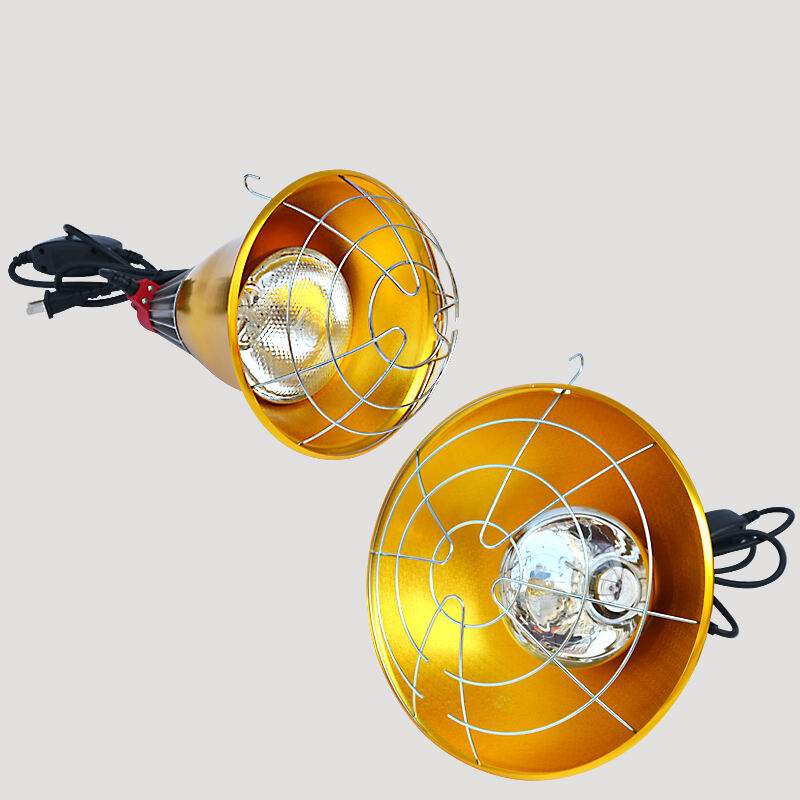
Intelligent climate control systems represent a cornerstone of modern pig farming equipment, delivering unprecedented environmental management capabilities that optimize animal comfort, health, and production performance throughout all seasons and weather conditions. These sophisticated systems integrate multiple sensors, automated controls, and predictive algorithms that continuously monitor and adjust temperature, humidity, air quality, and ventilation parameters to maintain ideal environmental conditions for optimal swine production. The climate control capabilities within advanced pig farming equipment extend beyond simple heating and cooling functions, incorporating comprehensive air quality management that monitors ammonia levels, carbon dioxide concentrations, dust particles, and other airborne contaminants that could negatively impact animal health and performance. These systems utilize variable-speed fans, automated curtains, cooling pads, and heating elements that work in coordinated fashion to maintain precise environmental parameters while optimizing energy efficiency and operational costs. The intelligent nature of these climate control systems lies in their ability to learn from historical data, weather patterns, and animal behavior to predict and preemptively adjust environmental conditions before problems arise. This proactive approach prevents temperature stress, reduces respiratory issues, and maintains consistent growth rates regardless of external weather variations. Advanced pig farming equipment featuring these climate control systems incorporates zone-based management capabilities that allow different areas of the facility to maintain distinct environmental conditions appropriate for different animal groups or production stages. The systems provide real-time alerts and notifications when environmental parameters drift outside optimal ranges, enabling immediate corrective action to prevent health issues or performance degradation. Energy efficiency features within these climate control systems optimize power consumption through intelligent scheduling, variable-speed operations, and heat recovery mechanisms that capture waste heat from animal bodies and ventilation systems for reuse. The integration of backup systems and fail-safe mechanisms ensures continuous operation even during power outages or equipment failures, protecting valuable livestock investments from environmental emergencies. Data logging and analysis capabilities provide valuable insights into environmental trends, energy consumption patterns, and system performance metrics that support continuous improvement and optimization efforts.
Comprehensive Health Monitoring Technology Ensures Optimal Animal Welfare

Comprehensive Health Monitoring Technology Ensures Optimal Animal Welfare

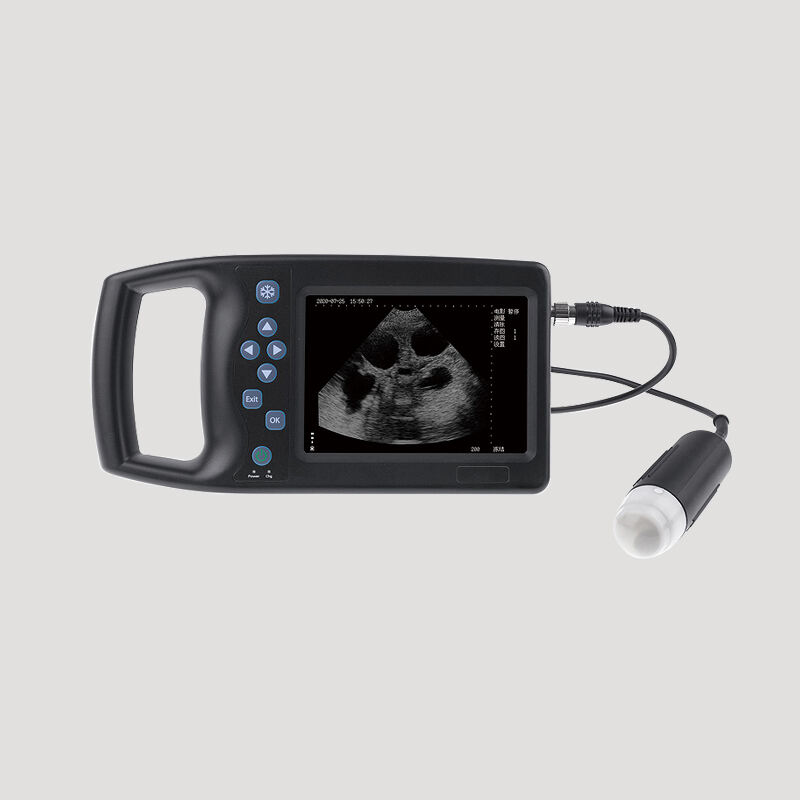
Comprehensive health monitoring technology integrated into modern pig farming equipment provides unprecedented visibility into animal welfare and health status, enabling proactive healthcare management that prevents disease outbreaks and optimizes production performance. These advanced monitoring systems utilize cutting-edge sensor technology, artificial intelligence algorithms, and continuous data collection to track vital signs, behavior patterns, feed consumption, water intake, and movement patterns that indicate overall animal health and wellbeing. The health monitoring capabilities within pig farming equipment extend beyond traditional observation methods, incorporating thermal imaging cameras that detect fever and illness symptoms before visible signs appear, weight monitoring systems that track growth rates and identify animals falling behind expected performance curves, and behavioral analysis software that recognizes stress indicators, lameness, and other health issues through movement pattern analysis. These sophisticated systems provide early warning alerts when individual animals or groups exhibit abnormal patterns, enabling immediate veterinary intervention that prevents minor issues from developing into serious health problems or spreading throughout the herd. The integration of individual animal identification technology, such as RFID tags or electronic ear tags, allows the health monitoring systems to maintain detailed health records for each animal, tracking vaccination schedules, treatment histories, and performance metrics that support informed management decisions. Advanced pig farming equipment featuring these health monitoring capabilities incorporates automated reporting functions that generate daily, weekly, and monthly health summaries, trend analyses, and performance comparisons that help producers identify areas for improvement and optimize healthcare protocols. The systems provide seamless integration with veterinary management software and record-keeping systems, ensuring compliance with health regulations and supporting traceability requirements throughout the supply chain. Predictive analytics capabilities within these monitoring systems analyze historical health data, environmental conditions, and management practices to identify risk factors and recommend preventive measures that reduce disease incidence and improve overall herd health. Remote monitoring capabilities allow producers to access health data and receive alerts from anywhere, enabling quick response to emergencies and continuous oversight of animal welfare even when physically absent from the facility. The comprehensive nature of these health monitoring systems supports animal welfare certification programs and consumer demands for transparent, humane livestock production practices while simultaneously improving production efficiency and profitability.

Tel Tel WhatApp WhatApp Email Email WeChat WeChat
WeChat