Advanced Pig Farming Equipment - Automated Systems for Modern Swine Production

Get a Free Quote

Our representative will contact you soon.
Email
Name
Company Name
Intended Products
Message
0/1000

advanced pig farming equipment

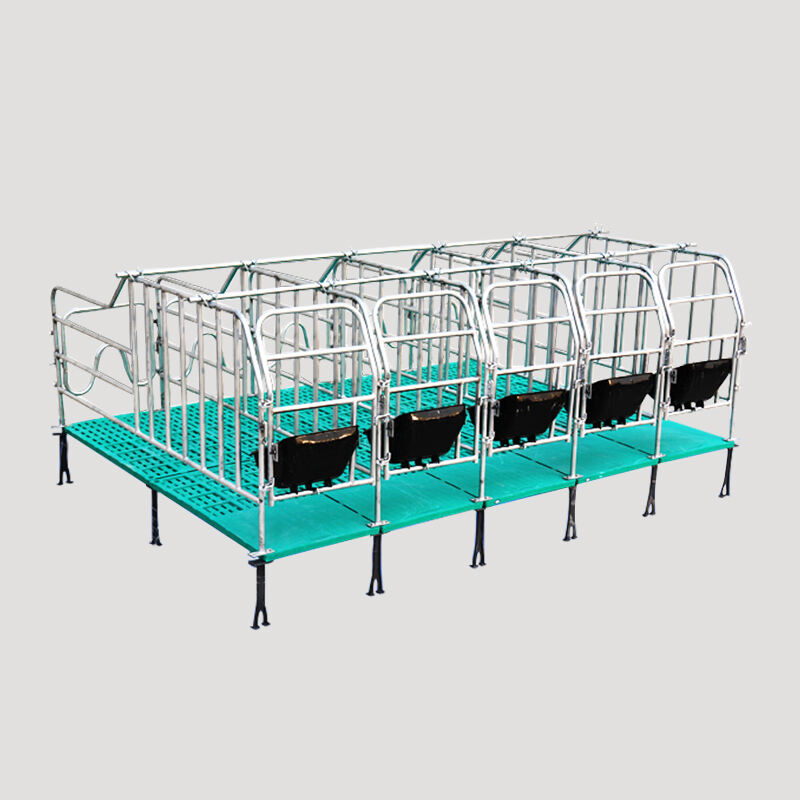
Advanced pig farming equipment represents a revolutionary approach to modern swine production, integrating cutting-edge technology with practical farming solutions. This sophisticated machinery encompasses automated feeding systems, climate control units, waste management solutions, and monitoring technologies designed to optimize every aspect of pig husbandry. The advanced pig farming equipment utilizes precision sensors, IoT connectivity, and data analytics to create an intelligent farming ecosystem that responds to real-time conditions. Central feeding systems distribute customized nutrition blends automatically, ensuring each animal receives optimal dietary requirements based on age, weight, and growth stage. Environmental control systems maintain ideal temperature, humidity, and air quality through smart ventilation and heating mechanisms. Water management components provide clean, filtered drinking water while managing waste disposal through automated collection and treatment processes. The technological features include programmable logic controllers, remote monitoring capabilities, and predictive maintenance alerts that minimize downtime. These systems integrate seamlessly with farm management software, providing detailed analytics on feed consumption, growth rates, health indicators, and production efficiency. GPS tracking and RFID identification enable precise animal monitoring throughout the production cycle. The applications span from small-scale operations to large commercial facilities, with modular designs allowing scalability according to farm size and requirements. Advanced pig farming equipment also incorporates biosecurity measures, including automated disinfection systems and access control features that protect livestock from disease transmission. Energy-efficient components reduce operational costs while maintaining peak performance standards. The equipment's durability ensures long-term reliability in harsh agricultural environments, with corrosion-resistant materials and robust construction designed to withstand continuous operation. These comprehensive solutions transform traditional pig farming into a data-driven, efficient, and sustainable agricultural practice that maximizes productivity while ensuring animal welfare standards.

New Products

Advanced pig farming equipment delivers substantial benefits that revolutionize traditional swine production methods, making operations more profitable and efficient for farmers of all scales. The most significant advantage lies in labor cost reduction, as automated systems handle routine tasks like feeding, cleaning, and monitoring that previously required extensive manual work. This automation allows farmers to focus on strategic management decisions while reducing the need for additional staff. Feed efficiency improvements represent another major benefit, with precision feeding systems reducing waste by up to 15% compared to conventional methods. The equipment monitors individual animal consumption patterns and adjusts portions accordingly, eliminating overfeeding and ensuring optimal nutrition delivery. Enhanced animal health monitoring capabilities enable early disease detection through continuous tracking of vital signs, eating patterns, and behavioral changes. This proactive approach reduces veterinary costs and prevents disease outbreaks that could devastate entire herds. Advanced pig farming equipment also improves reproductive performance through controlled breeding environments and detailed record-keeping systems that track breeding cycles and optimize mating schedules. Environmental benefits include reduced waste production and improved air quality management, helping farms comply with environmental regulations while maintaining good relationships with surrounding communities. The equipment's data collection capabilities provide valuable insights into production trends, allowing farmers to make informed decisions about expansion, feed purchasing, and market timing. Energy efficiency features significantly reduce utility costs through smart power management and optimized heating and cooling systems. Facility maintenance becomes more predictable and cost-effective with automated monitoring systems that alert operators to potential issues before they become expensive repairs. The technology also enhances food safety standards by maintaining detailed traceability records and implementing consistent hygiene protocols. Product quality improvements result from better animal welfare conditions and stress reduction, leading to superior meat quality and higher market values. Return on investment typically occurs within 2-3 years due to combined savings in labor, feed, healthcare, and energy costs, while increased production efficiency generates additional revenue streams that further accelerate payback periods.

Tips And Tricks

What Challenges Do Pig Farrowing Crates Create During Different Lactation Stages?

28

Feb

What Challenges Do Pig Farrowing Crates Create During Different Lactation Stages?

Pig farrowing crates represent one of the most critical components in modern swine production systems, yet they present numerous operational and welfare challenges throughout different lactation stages. These specialized housing units are designed to...
View More
Why Do Feeding Accuracy Issues Increase as Pig Farms Continue to Scale Up?

28

Feb

Why Do Feeding Accuracy Issues Increase as Pig Farms Continue to Scale Up?

Modern pig farming operations face unprecedented challenges as they expand to meet growing global protein demand. One of the most critical issues emerging in large-scale facilities is maintaining feeding accuracy across thousands of animals. When far...
View More
Is Manual Feeding Still Sustainable on Farms Without a Pig Auto Feeding Line?

28

Feb

Is Manual Feeding Still Sustainable on Farms Without a Pig Auto Feeding Line?

Modern pig farming operations face mounting pressure to balance efficiency, cost management, and animal welfare standards. Traditional manual feeding methods, once the backbone of agricultural practices, are increasingly scrutinized as farms expand a...
View More
How does a flat feeding drinking line optimize floor space in poultry houses?

31

Mar

How does a flat feeding drinking line optimize floor space in poultry houses?

Modern poultry operations face increasing pressure to maximize production efficiency while maintaining optimal bird welfare standards. The strategic use of floor space has become a critical factor in determining the economic viability of commercial p...
View More

Get a Free Quote

Our representative will contact you soon.
Email
Name
Company Name
Intended Products
Message
0/1000

advanced pig farming equipment

Automated Precision Feeding System

Automated Precision Feeding System

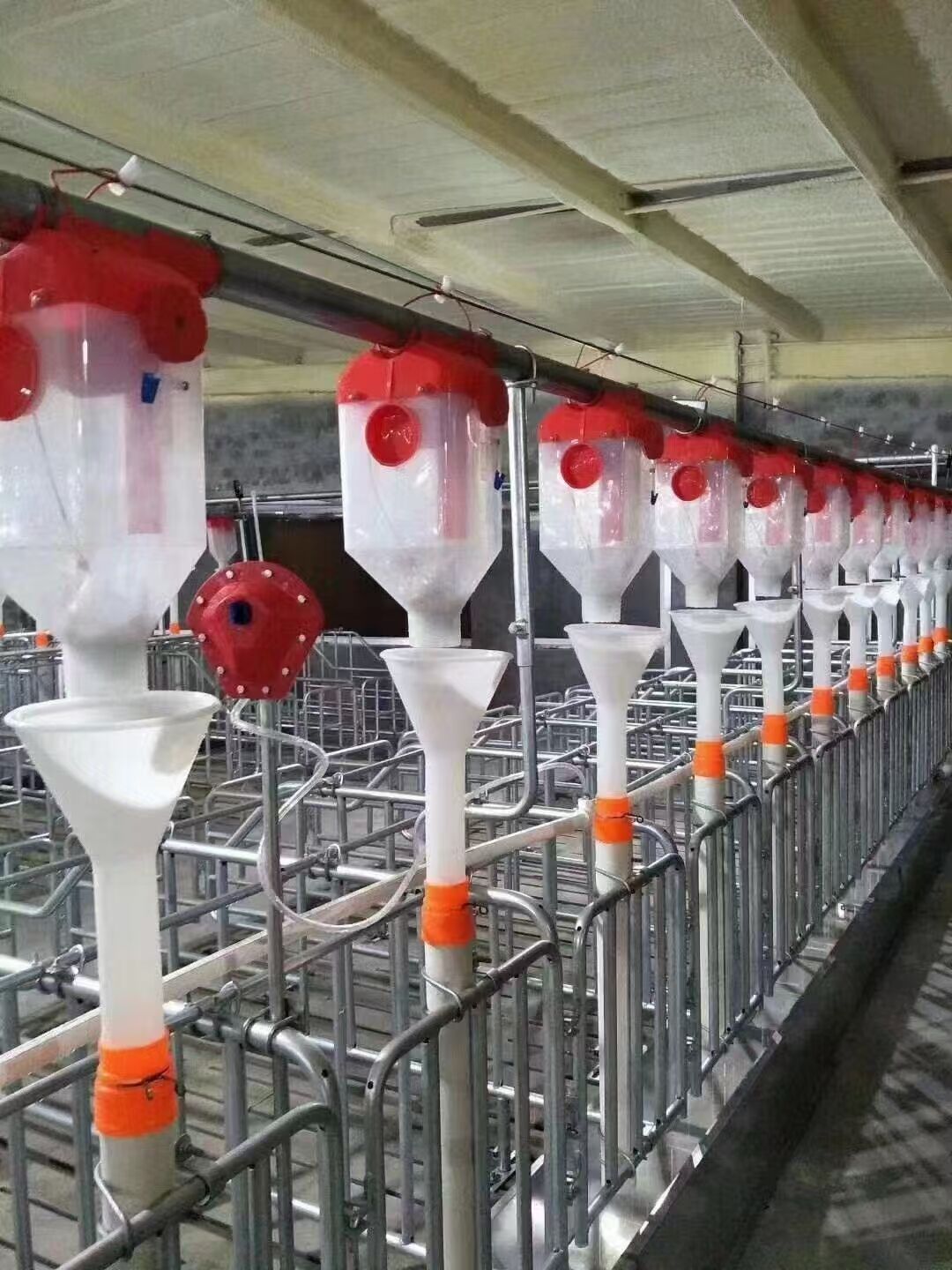
The automated precision feeding system represents the cornerstone of advanced pig farming equipment, delivering unparalleled accuracy in nutritional management that transforms production efficiency and animal welfare. This sophisticated system utilizes advanced algorithms and real-time data analytics to create customized feeding schedules for individual animals or groups based on specific nutritional requirements, growth stages, and health conditions. The technology incorporates high-precision load cells and flow meters that measure exact quantities of feed components, ensuring consistent delivery of balanced nutrition while eliminating human error in portion control. Smart sensors continuously monitor feed levels in storage silos and automatically trigger reordering when supplies reach predetermined thresholds, preventing production disruptions due to feed shortages. The system's multi-phase feeding capability allows farmers to program different nutritional profiles throughout the day, optimizing digestion and nutrient absorption while reducing feed waste by up to 20% compared to traditional feeding methods. Advanced mixing technology ensures homogeneous distribution of vitamins, minerals, and additives throughout the feed, guaranteeing that each animal receives complete nutritional requirements. The precision feeding system also incorporates individual animal identification through RFID tags or ear chips, enabling personalized feeding programs that account for specific dietary needs, medical treatments, or growth objectives. This individualized approach results in more uniform weight gain across the herd and reduces the variation in market-ready animals. Real-time monitoring capabilities provide instant feedback on feeding patterns, consumption rates, and appetite changes that may indicate health issues or environmental stressors. The system generates comprehensive reports on feed conversion ratios, daily gain rates, and cost per pound of gain, providing valuable data for optimizing production strategies and maximizing profitability. Integration with farm management software allows remote monitoring and control of feeding operations through mobile devices, enabling farmers to adjust feeding schedules and monitor system performance from anywhere. The automated cleaning cycles ensure hygiene standards are maintained throughout the feeding infrastructure, reducing contamination risks and supporting overall herd health objectives.
Intelligent Climate Control Technology

Intelligent Climate Control Technology

Intelligent climate control technology within advanced pig farming equipment creates optimal environmental conditions that significantly enhance animal welfare, production performance, and operational efficiency throughout all seasons and weather conditions. This comprehensive system integrates multiple environmental monitoring sensors that continuously measure temperature, humidity, air quality, ammonia levels, and carbon dioxide concentrations throughout the facility. The intelligent control algorithms automatically adjust ventilation rates, heating systems, cooling mechanisms, and air filtration processes to maintain ideal conditions for different pig categories and growth stages. The technology recognizes that younger pigs require warmer environments while mature animals need cooler conditions, automatically creating zone-specific climate profiles that optimize comfort and growth rates for each area of the facility. Advanced heat recovery systems capture and redistribute warm air from animal-generated heat, reducing energy consumption by up to 30% while maintaining consistent temperatures throughout the building. The ventilation management system provides precise air exchange rates that remove harmful gases and moisture while introducing fresh oxygen, creating healthier respiratory conditions that reduce disease incidence and improve overall herd health. Smart humidity control prevents excessive moisture buildup that can lead to respiratory problems and structural damage while maintaining optimal levels for animal comfort and equipment longevity. The system's predictive capabilities analyze weather forecasts and historical data to preemptively adjust environmental settings, ensuring stable conditions during extreme weather events or seasonal transitions. Automated alerts notify operators when environmental parameters exceed acceptable ranges, enabling rapid response to prevent stress-related production losses or health issues. The technology also incorporates backup systems and redundant controls that ensure continuous operation even during power outages or equipment failures. Energy optimization features reduce operational costs through demand-based control strategies that adjust system operation according to actual environmental needs rather than fixed schedules. Integration with production management software provides detailed environmental history records that correlate with animal performance data, enabling farmers to identify optimal climate settings for maximum productivity. The user-friendly interface allows easy customization of environmental preferences and provides real-time visualization of conditions throughout the facility, empowering farmers to make informed decisions about climate management strategies.
Comprehensive Health Monitoring Solutions

Comprehensive Health Monitoring Solutions

Comprehensive health monitoring solutions integrated into advanced pig farming equipment provide unprecedented insight into individual and herd health status, enabling proactive healthcare management that prevents disease outbreaks and optimizes production performance. This sophisticated system combines multiple monitoring technologies including thermal imaging cameras, weight measurement platforms, activity sensors, and behavioral analysis algorithms to create a complete picture of animal health and welfare conditions. Thermal imaging technology detects temperature variations that may indicate fever, inflammation, or other health issues days before clinical symptoms become apparent, allowing for early intervention and treatment. Automated weighing systems track individual growth rates and identify animals that are not gaining weight according to expected patterns, potentially indicating health problems, feeding issues, or environmental stressors. Activity monitoring sensors measure movement patterns, eating behaviors, and social interactions to identify changes that may signal illness, injury, or reproductive status changes. The system's artificial intelligence algorithms analyze vast amounts of health data to identify trends and patterns that human observers might miss, providing predictive insights that enable preventive healthcare strategies. Real-time alerts notify farm managers and veterinarians when animals exhibit concerning health indicators, facilitating rapid response and treatment protocols that minimize the spread of illness throughout the herd. The monitoring system maintains detailed health records for each animal, including vaccination histories, treatment records, and performance data that support regulatory compliance and quality assurance programs. Integration with veterinary management software streamlines communication with healthcare providers and ensures consistent treatment protocols across the entire operation. The technology also monitors environmental factors that impact health, including air quality, water quality, and facility cleanliness, providing comprehensive oversight of all elements that influence animal welfare. Automated data collection eliminates human error in record-keeping while providing more frequent and accurate health assessments than traditional manual inspection methods. The system generates customizable reports that track key performance indicators such as mortality rates, treatment costs, and production efficiency metrics, enabling data-driven decisions about healthcare investments and management strategies. Mobile connectivity allows remote access to health monitoring data, enabling farm managers and veterinarians to monitor animal welfare conditions and respond to alerts even when off-site. This comprehensive approach to health monitoring reduces veterinary costs, improves animal welfare standards, and enhances overall production efficiency through early detection and prevention of health issues that could impact farm profitability.

Tel Tel WhatApp WhatApp Email Email WeChat WeChat
WeChat