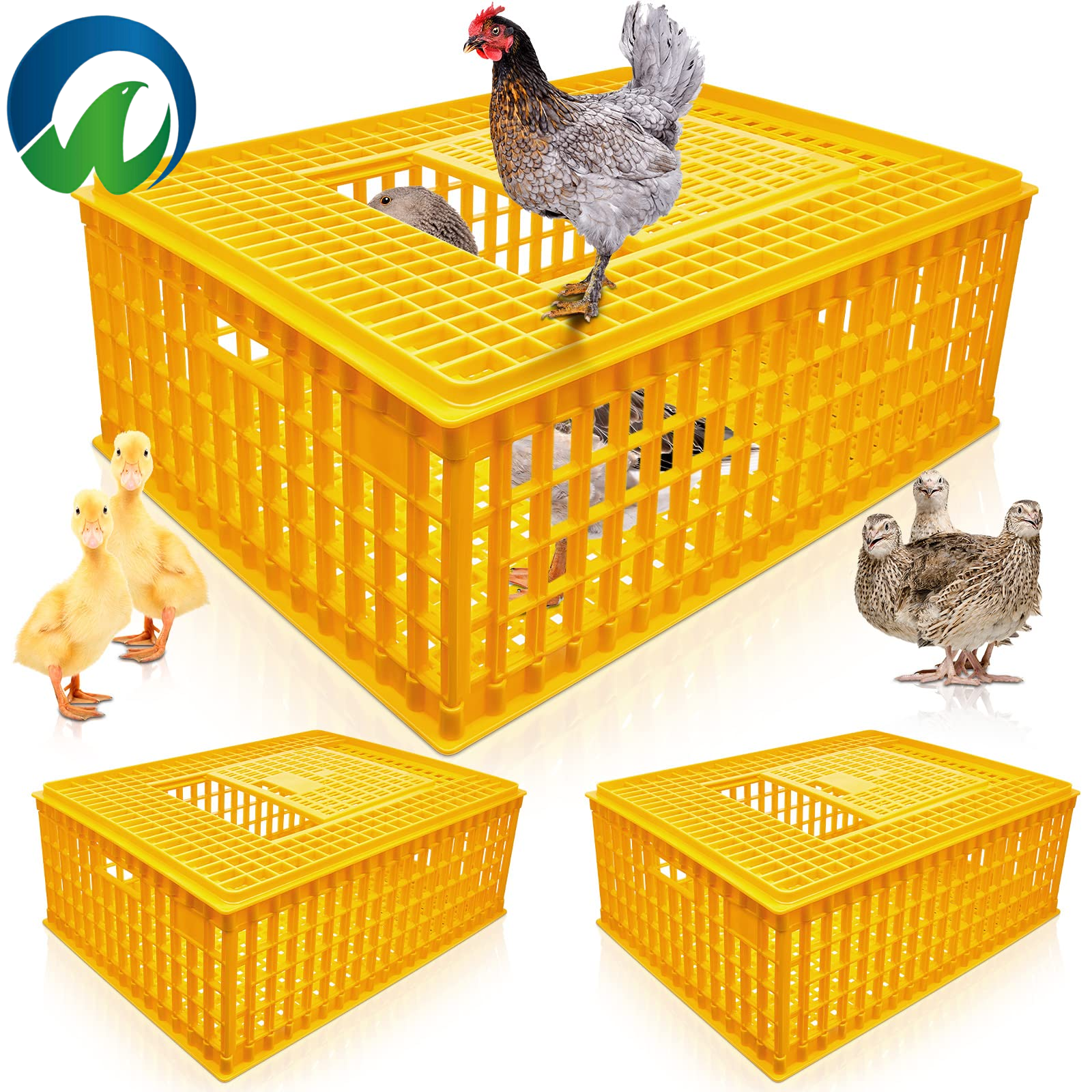
Premium Chicken Boxes for Transporting - Durable, Stackable Poultry Transport Containers

Get a Free Quote

Our representative will contact you soon.
Email
Name
Company Name
Intended Products
Message
0/1000

chicken boxes for transporting

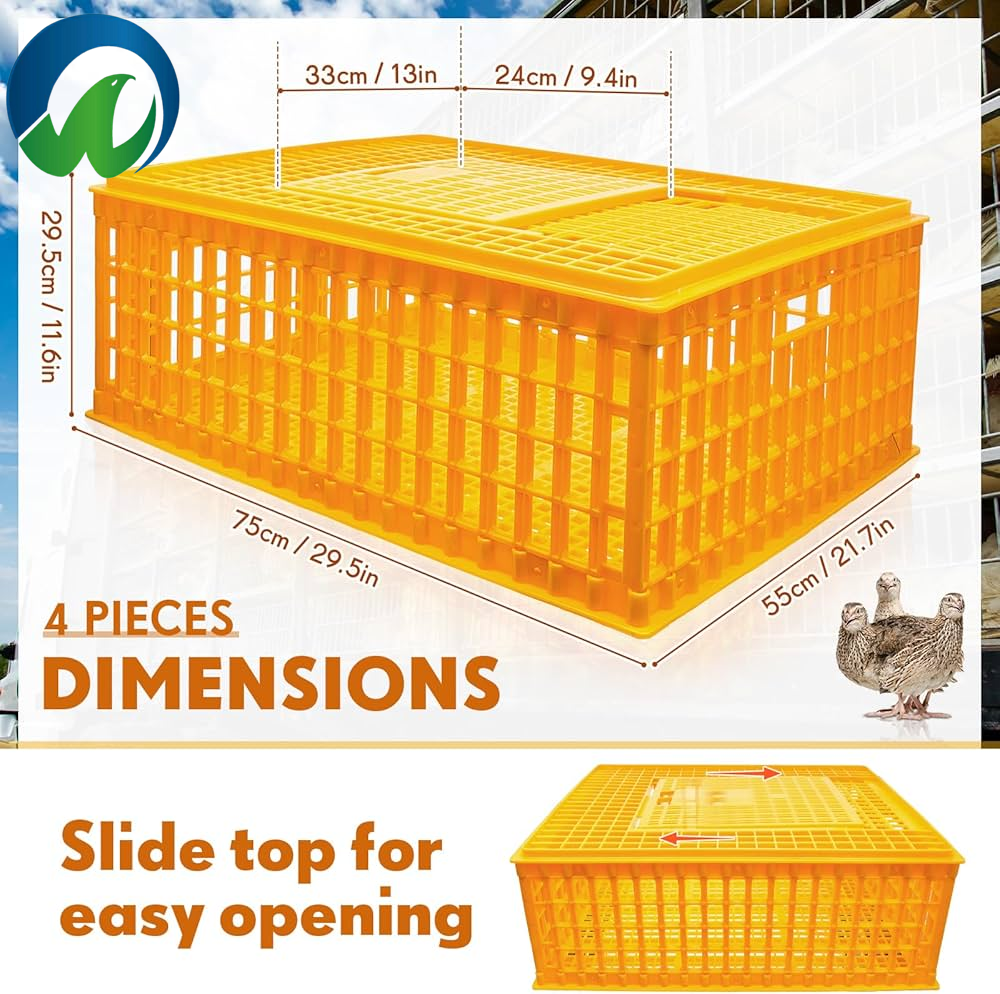
Chicken boxes for transporting represent a specialized solution designed to ensure the safe, hygienic, and efficient movement of poultry from farms to processing facilities, distribution centers, and retail locations. These purpose-built containers serve as the critical link in the poultry supply chain, maintaining product quality while meeting stringent food safety standards. The primary function of chicken boxes for transporting involves creating a controlled environment that protects live birds or processed chicken products during transit. These containers feature reinforced construction materials that withstand the rigors of commercial transportation while providing adequate ventilation systems to maintain optimal atmospheric conditions. The technological features integrated into modern chicken boxes for transporting include advanced airflow management systems, temperature regulation capabilities, and moisture control mechanisms. These systems work together to prevent stress in live birds and maintain freshness in processed products. The structural design incorporates stackable configurations that maximize transportation efficiency while ensuring proper weight distribution across transport vehicles. Applications for chicken boxes for transporting span multiple segments of the poultry industry, including farm-to-processor transfers, distribution network operations, and retail supply deliveries. Commercial poultry operations rely on these specialized containers to maintain biosecurity protocols and prevent cross-contamination during transport phases. The boxes accommodate various poultry sizes and weights, making them suitable for broilers, layers, and specialty bird varieties. Manufacturing standards for chicken boxes for transporting emphasize durability, cleanliness, and regulatory compliance with food safety requirements. The materials selected resist bacterial growth and facilitate thorough cleaning procedures between uses. This comprehensive approach to poultry transportation ensures that chicken boxes for transporting deliver consistent performance across diverse operational environments while supporting the industry's commitment to food safety and animal welfare standards.

Popular Products

The advantages of chicken boxes for transporting extend far beyond basic containment, offering substantial benefits that directly impact operational efficiency and profitability for poultry industry stakeholders. These specialized containers reduce transportation costs by maximizing load capacity through their stackable design, allowing businesses to move more products per trip while maintaining safety standards. The robust construction of chicken boxes for transporting minimizes product loss during transit, protecting valuable inventory from damage that could result in significant financial losses. Enhanced ventilation systems integrated into these containers maintain optimal environmental conditions, reducing mortality rates in live bird transport and preserving freshness in processed chicken products. This climate control capability translates to improved product quality and extended shelf life, providing competitive advantages in marketplace distribution. The standardized dimensions of chicken boxes for transporting streamline logistics operations by ensuring compatibility with existing transport equipment and storage facilities. This standardization reduces handling time at loading and unloading points, improving overall supply chain efficiency. Easy cleaning and sanitization features built into these containers support food safety compliance while reducing labor costs associated with maintenance procedures. The lightweight yet durable materials used in manufacturing chicken boxes for transporting contribute to fuel efficiency during transportation, reducing operational expenses over time. Improved ergonomic design features facilitate safer handling by workers, reducing workplace injury risks and associated costs. The modular nature of these containers allows for flexible configuration based on specific transportation needs, accommodating varying load sizes and types. Superior stacking stability prevents container collapse and product damage during transport, ensuring consistent delivery quality. The investment in quality chicken boxes for transporting generates long-term returns through reduced replacement costs, improved operational reliability, and enhanced customer satisfaction. These containers support sustainable transportation practices by optimizing space utilization and reducing the environmental footprint of poultry distribution operations.

Latest News

Which ventilation features matter in chicken transport crate design?

29

Jan

Which ventilation features matter in chicken transport crate design?

Proper ventilation stands as the most critical factor in modern chicken transport crate design, directly impacting poultry welfare, mortality rates, and meat quality during transportation. The agricultural industry has witnessed significant advanceme...
View More
Why Are Pig Farrowing Crates Still Debated in Modern Sow Housing Systems?

28

Feb

Why Are Pig Farrowing Crates Still Debated in Modern Sow Housing Systems?

The livestock industry continues to grapple with balancing animal welfare, operational efficiency, and economic sustainability, particularly when it comes to pig farrowing crates. These specialized housing systems have become a focal point of heated ...
View More
Is Manual Feeding Still Sustainable on Farms Without a Pig Auto Feeding Line?

28

Feb

Is Manual Feeding Still Sustainable on Farms Without a Pig Auto Feeding Line?

Modern pig farming operations face mounting pressure to balance efficiency, cost management, and animal welfare standards. Traditional manual feeding methods, once the backbone of agricultural practices, are increasingly scrutinized as farms expand a...
View More
How does a flat feeding drinking line optimize floor space in poultry houses?

31

Mar

How does a flat feeding drinking line optimize floor space in poultry houses?

Modern poultry operations face increasing pressure to maximize production efficiency while maintaining optimal bird welfare standards. The strategic use of floor space has become a critical factor in determining the economic viability of commercial p...
View More

Get a Free Quote

Our representative will contact you soon.
Email
Name
Company Name
Intended Products
Message
0/1000

chicken boxes for transporting

Advanced Ventilation Technology for Optimal Animal Welfare

Advanced Ventilation Technology for Optimal Animal Welfare

The advanced ventilation technology incorporated into chicken boxes for transporting represents a breakthrough in animal welfare standards and product quality preservation. This sophisticated system features strategically positioned air circulation vents that create controlled airflow patterns throughout the container, ensuring consistent oxygen levels and temperature regulation for transported poultry. The engineering behind these ventilation systems addresses the critical physiological needs of birds during transport, preventing heat stress and respiratory complications that can occur in poorly ventilated containers. Each chicken box for transporting includes precision-engineered air channels that facilitate natural breathing patterns while removing harmful gases and excess moisture that accumulate during transit. The ventilation design incorporates weather-resistant features that maintain optimal internal conditions regardless of external environmental factors, ensuring consistent performance across diverse climate conditions. This technology reduces transportation mortality rates significantly compared to conventional containers, protecting valuable livestock investments and supporting ethical farming practices. The airflow management system integrated into chicken boxes for transporting operates passively, requiring no external power sources while maintaining effective circulation throughout extended transport periods. Strategic vent placement prevents drafts that could stress animals while ensuring adequate air exchange rates that meet industry welfare standards. The materials used in ventilation components resist corrosion and bacterial growth, maintaining hygienic conditions that support food safety protocols. This advanced system also benefits processed chicken transportation by preventing condensation buildup that could compromise product quality and shelf life. The ventilation technology adapts to various loading configurations, maintaining effectiveness whether containers are stacked or arranged in single layers during transport operations.
Stackable Design for Maximum Transportation Efficiency

Stackable Design for Maximum Transportation Efficiency

The innovative stackable design of chicken boxes for transporting revolutionizes logistics efficiency by maximizing cargo capacity while maintaining structural integrity and safety standards throughout the transportation process. This engineering achievement allows multiple containers to be securely stacked without compromising the protection of contents or creating safety hazards during loading, transport, and unloading operations. The interlocking mechanism built into chicken boxes for transporting ensures stable connections between stacked units, preventing shifting or sliding that could damage products or pose risks to handling personnel. Each container features reinforced corner posts and structural supports designed to distribute weight evenly across the stack, enabling safe stacking up to predetermined heights without structural failure. The stackable configuration optimizes truck trailer space utilization, allowing transporters to carry significantly more product per trip compared to non-stackable alternatives, resulting in reduced fuel costs and improved profitability. The precision-engineered stacking system maintains proper spacing between containers to preserve ventilation effectiveness, ensuring that airflow continues to circulate throughout stacked configurations. This design consideration prevents the creation of dead air spaces that could compromise animal welfare or product quality during extended transport periods. The stackable feature of chicken boxes for transporting facilitates efficient warehouse storage when containers are not in use, reducing facility space requirements and improving inventory management. Loading and unloading operations become more streamlined with the stackable design, as materials handling equipment can efficiently move multiple containers simultaneously, reducing labor costs and processing time. The structural engineering ensures that stacking forces do not transfer excessive pressure to lower containers, protecting both the boxes and their contents from compression damage. Quality control measures integrated into the stackable design include visual alignment guides and secure locking mechanisms that provide clear confirmation of proper stacking procedures, reducing human error risks during operations.
Durable Construction Materials for Long-term Reliability

Durable Construction Materials for Long-term Reliability

The exceptional durability of chicken boxes for transporting stems from carefully selected construction materials and engineering processes that deliver long-term reliability under demanding operational conditions. These containers utilize high-grade polymers and composite materials specifically chosen for their resistance to impact damage, chemical exposure, and environmental stresses commonly encountered in poultry transportation applications. The material composition of chicken boxes for transporting incorporates UV-resistant additives that prevent degradation from prolonged sun exposure during outdoor storage and transport operations, maintaining structural integrity and appearance over extended service periods. Advanced manufacturing techniques create seamless joints and reinforced stress points that eliminate weak spots prone to failure under repetitive loading cycles. The construction materials resist bacterial growth and facilitate thorough sanitization procedures, supporting food safety requirements while maintaining durability standards essential for commercial operations. Temperature fluctuations encountered during seasonal transportation operations do not compromise the structural properties of these materials, ensuring consistent performance in both extreme heat and cold conditions. The impact-resistant characteristics of chicken boxes for transporting protect contents from damage during normal handling procedures and unexpected incidents that occur in busy loading environments. Corrosion-resistant properties ensure that exposure to cleaning chemicals, moisture, and organic materials does not deteriorate container integrity over time. The material specifications meet strict regulatory requirements for food-contact applications while providing the mechanical strength necessary for commercial transportation demands. Wear-resistant surfaces maintain smooth finishes that facilitate cleaning and prevent material buildup that could harbor contaminants. The construction approach emphasizes repairability, allowing damaged components to be replaced or restored without requiring complete container replacement, extending service life and reducing total ownership costs. Quality assurance testing verifies that materials maintain their protective properties throughout expected service cycles, providing reliable performance that justifies the investment in quality chicken boxes for transporting systems.
Tel Tel WhatApp WhatApp Email Email WeChat WeChat
WeChat