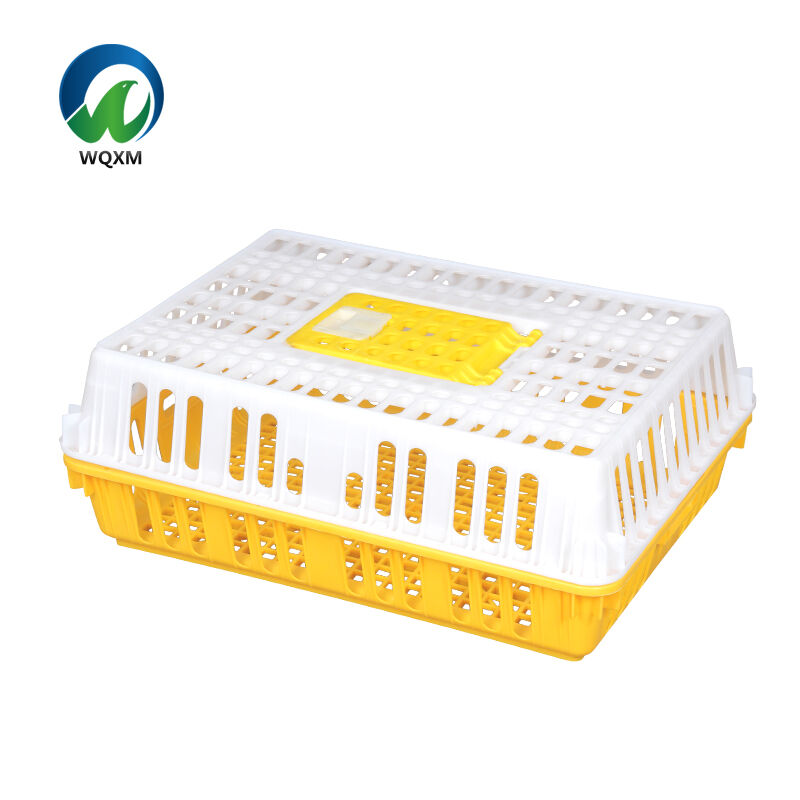
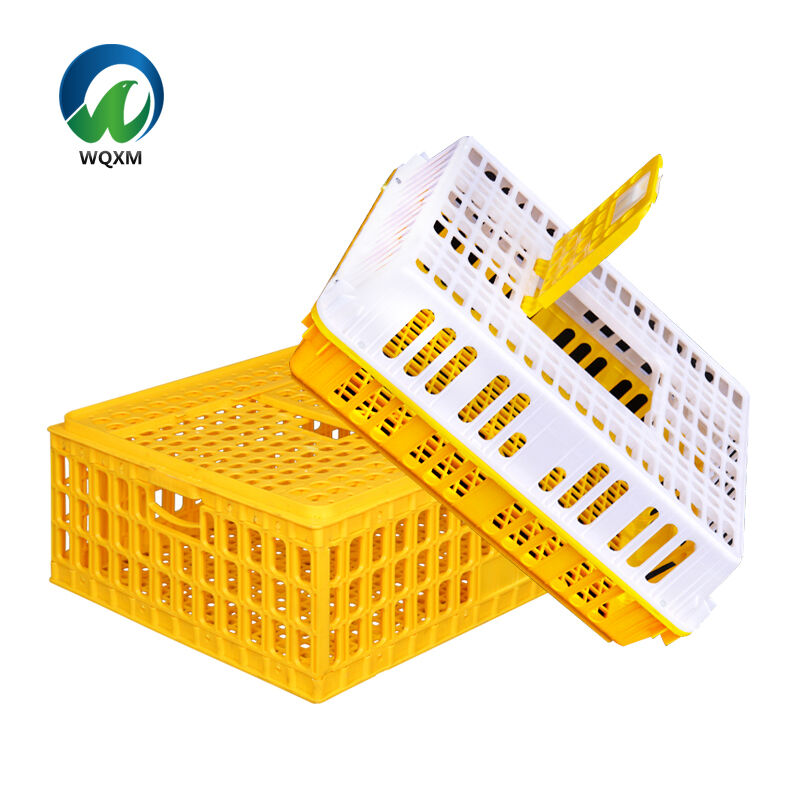
Superior Animal Welfare and Product Quality Protection
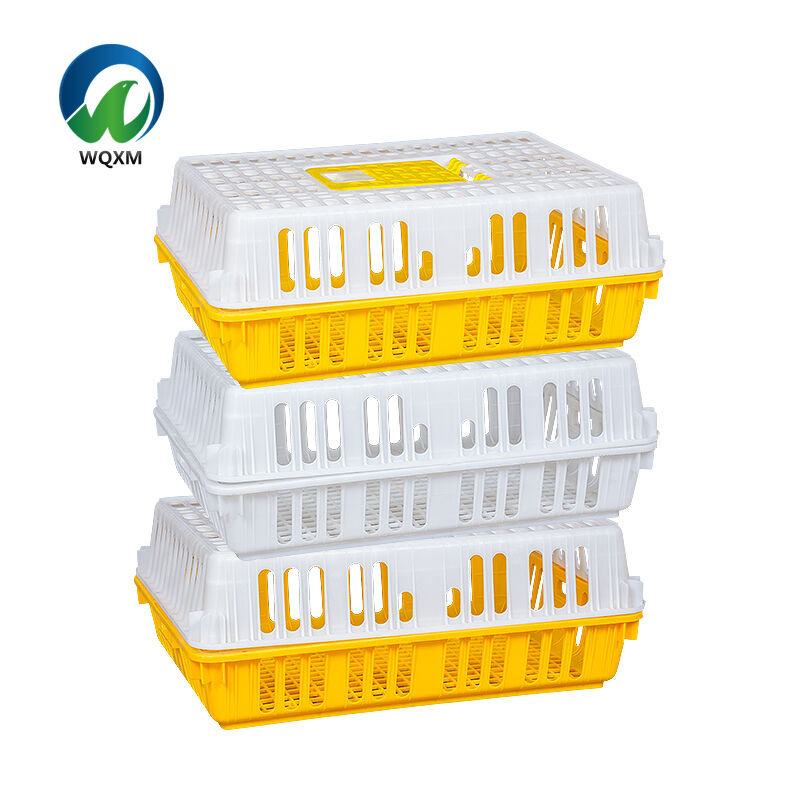
The chicken transporter prioritizes animal welfare through innovative design features that minimize stress and ensure humane treatment throughout the transport process. Gentle handling mechanisms utilize smooth, continuous motion rather than jarring movements that can cause distress or injury to birds. The system's ergonomic design considerations include appropriate spacing, comfortable surfaces, and controlled environmental conditions that maintain bird comfort during transport. Stress reduction translates directly into improved product quality, as relaxed birds produce meat with better texture, color, and shelf life characteristics. The chicken transporter's consistent handling eliminates the variability associated with manual operations, where different workers might apply varying degrees of force or use inconsistent techniques. Temperature control features maintain optimal environmental conditions within transport zones, preventing heat stress that can negatively impact both animal welfare and meat quality. The system's smooth operation reduces noise levels compared to traditional handling methods, creating a calmer environment that further minimizes bird stress. Protective barriers and enclosed transport channels prevent birds from experiencing visual stressors or external disturbances that could trigger panic responses. The chicken transporter's design prevents overcrowding by maintaining appropriate spacing between birds, ensuring adequate ventilation and reducing competition stress. Quality sensors integrated into the system can detect and flag birds showing signs of distress or injury, enabling immediate intervention when necessary. The consistent, predictable movement patterns help birds adapt more quickly to the transport process, reducing anxiety associated with unpredictable handling. Research has demonstrated that reduced stress during transport correlates with improved meat tenderness, reduced defects, and extended shelf life, providing tangible economic benefits alongside ethical advantages. The system's ability to maintain consistent handling pressure prevents bruising and other physical damage that can occur during manual transport. Documentation capabilities track handling conditions and can provide verifiable welfare compliance records for certification programs or regulatory inspections, supporting facilities' commitment to responsible animal husbandry practices.
 EN
EN