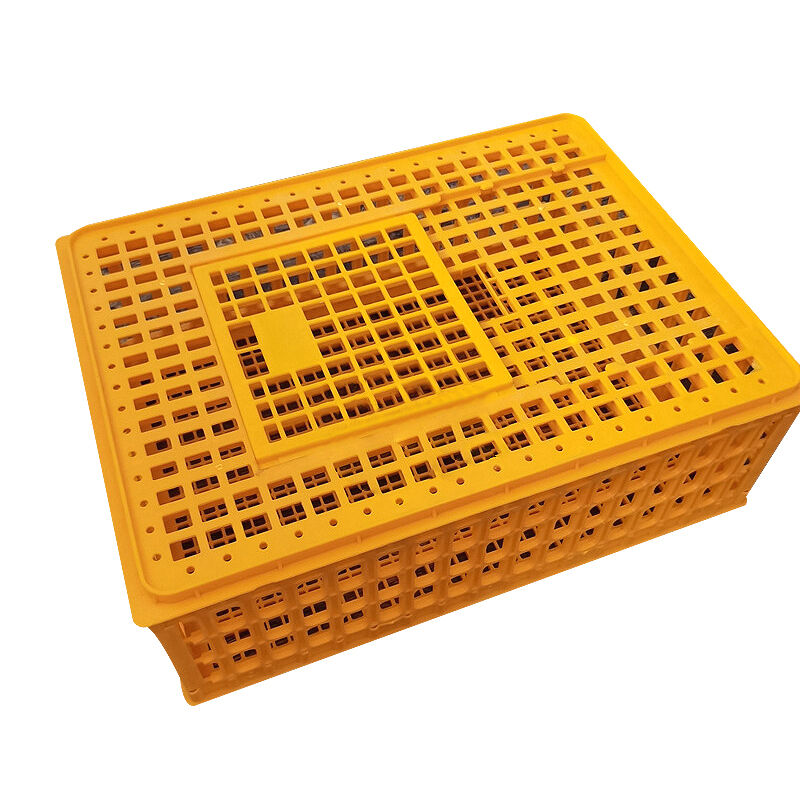
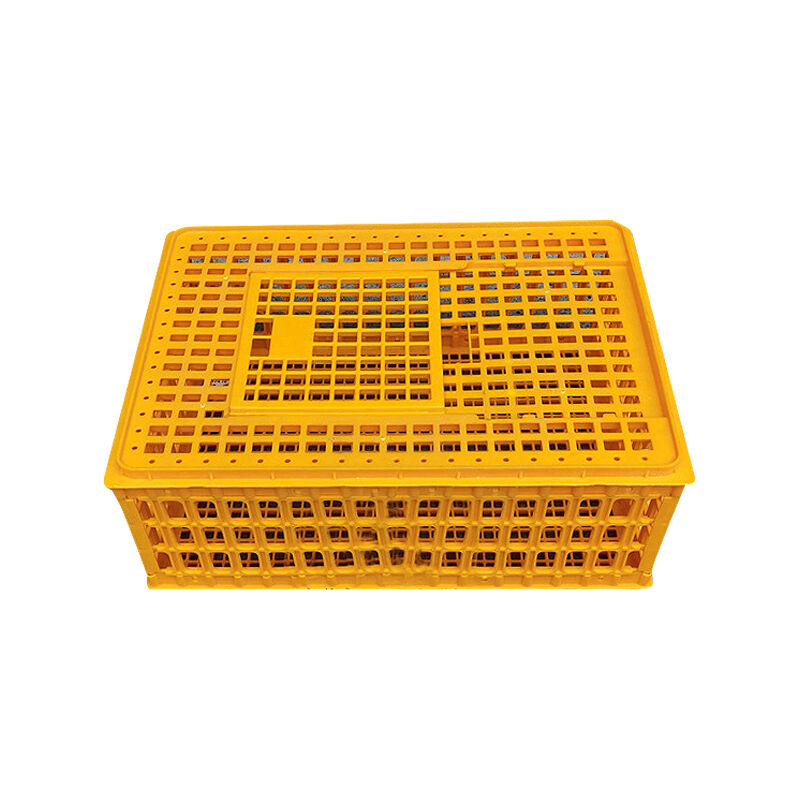
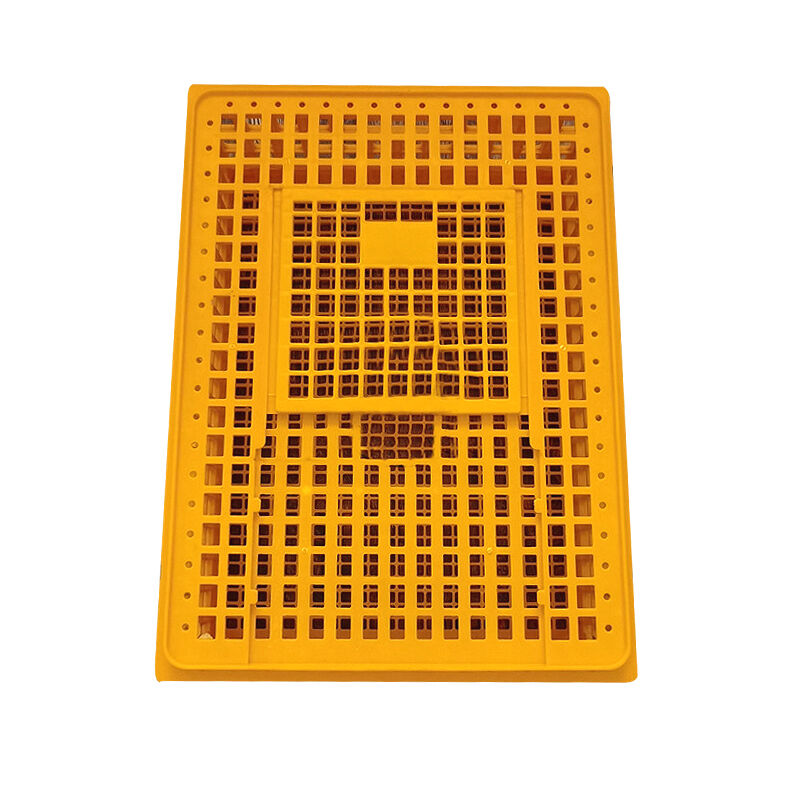
Premium Broiler Transport Crates - Advanced Poultry Transportation Solutions

Get a Free Quote

Our representative will contact you soon.
Email
Name
Company Name
Intended Products
Message
0/1000

broiler transport crates

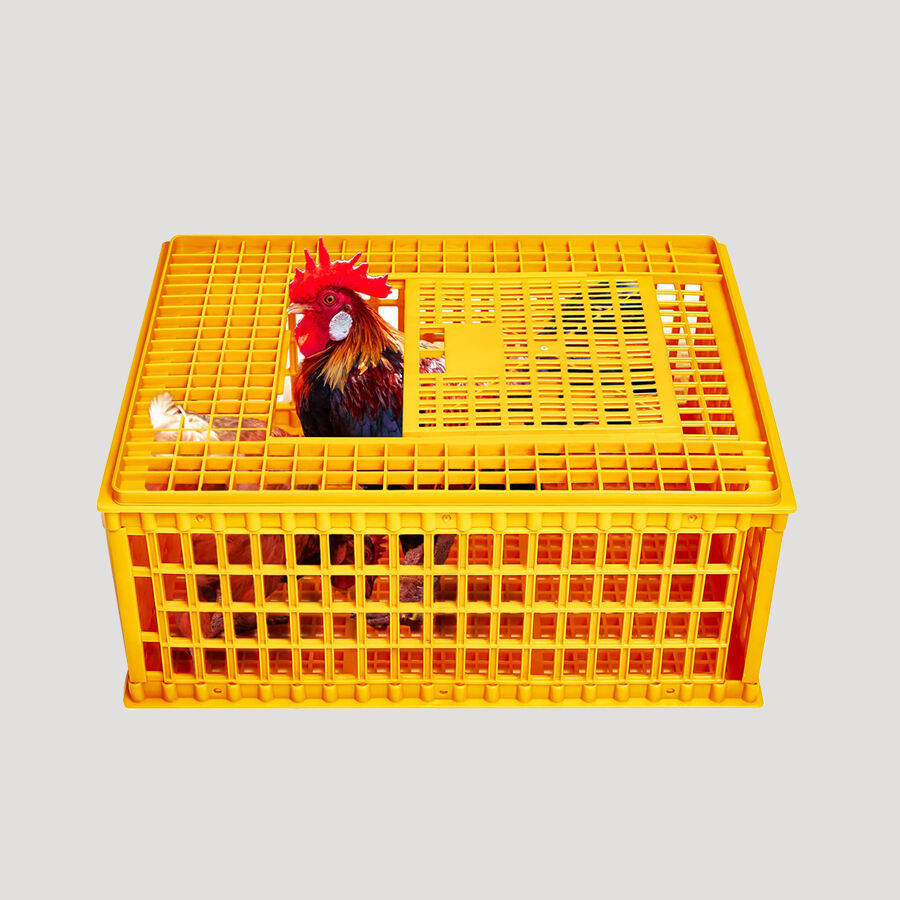
Broiler transport crates represent a critical component in the modern poultry supply chain, serving as specialized containers designed to safely transport live chickens from farms to processing facilities. These engineered solutions address the fundamental challenge of moving large quantities of birds while maintaining their welfare and minimizing stress during transit. The primary function of broiler transport crates involves creating a controlled environment that protects chickens from external elements while ensuring adequate ventilation and space allocation per bird. Modern broiler transport crates incorporate advanced materials and design principles that prioritize both durability and animal comfort. The technological features of these systems include strategically positioned ventilation slots that promote optimal airflow throughout the container, preventing heat buildup and ensuring fresh air circulation. The crate construction typically utilizes high-grade plastic materials that resist corrosion, are easy to clean, and can withstand repeated use in commercial operations. Structural integrity remains paramount, as these containers must support the weight of multiple birds while maintaining their shape during loading, transport, and unloading processes. The applications of broiler transport crates extend beyond simple transportation, encompassing the entire logistics framework of poultry production. These containers facilitate efficient loading procedures at farms, secure transport over various distances, and streamlined unloading at processing plants. The standardized dimensions of broiler transport crates enable compatibility with existing transport vehicles and facility equipment, creating seamless integration within established supply chains. Additionally, these crates serve temporary housing functions during brief waiting periods at processing facilities, maintaining bird welfare standards throughout the entire journey from farm to processor.

Popular Products

The implementation of broiler transport crates delivers substantial operational benefits that directly impact profitability and efficiency in poultry operations. These specialized containers reduce transportation costs by maximizing vehicle capacity utilization through their stackable design, allowing transporters to carry more birds per trip while maintaining safety standards. The durability of modern broiler transport crates translates to long-term cost savings, as their robust construction withstands thousands of transport cycles without requiring frequent replacements. This longevity factor significantly reduces the total cost of ownership compared to disposable or less durable alternatives. Enhanced bird welfare represents another crucial advantage, as proper ventilation systems within broiler transport crates minimize stress-related mortality during transit, protecting the investment in each bird and maintaining product quality. The ease of cleaning and sanitization features built into these crates support biosecurity protocols essential for preventing disease transmission between flocks and facilities. Quick cleaning capabilities reduce downtime between transport cycles, improving overall operational efficiency and enabling higher throughput rates. Labor efficiency gains result from ergonomic design elements that facilitate safe handling by workers, reducing physical strain and potential injuries during loading and unloading operations. The standardized dimensions of broiler transport crates streamline logistics planning, as transport managers can accurately calculate capacity requirements and optimize routing schedules. Weather protection features shield birds from rain, wind, and extreme temperatures, ensuring consistent transport conditions regardless of external weather variations. Improved traceability becomes possible through identification systems integrated into crate designs, enabling better tracking of bird movements throughout the supply chain. The modular nature of these systems provides scalability for operations of different sizes, from small local farms to large commercial producers. Regulatory compliance advantages emerge from using properly designed broiler transport crates that meet animal welfare standards and transportation regulations, reducing the risk of violations and associated penalties.

Tips And Tricks

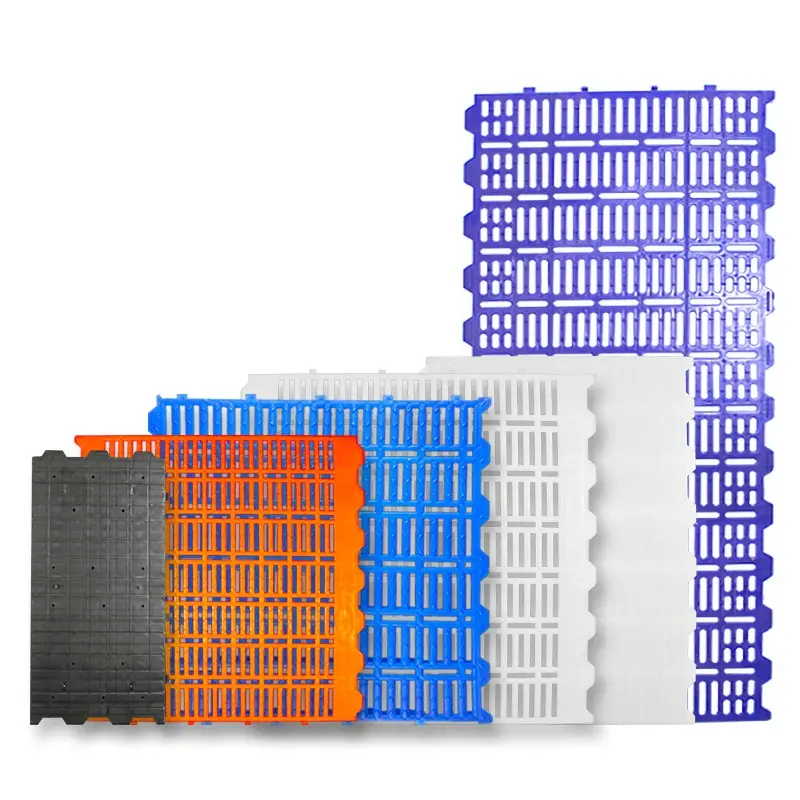
How to Select the Right Slat Floor for Your Needs

30

Dec

How to Select the Right Slat Floor for Your Needs

Understanding Slat Floors and Their Core Applications Slat Floors 101: Core Features and Construction Slat floors—defined by their spaced-slat design—are engineered for superior drainage and ventilation, making them indispensable in in...
View More
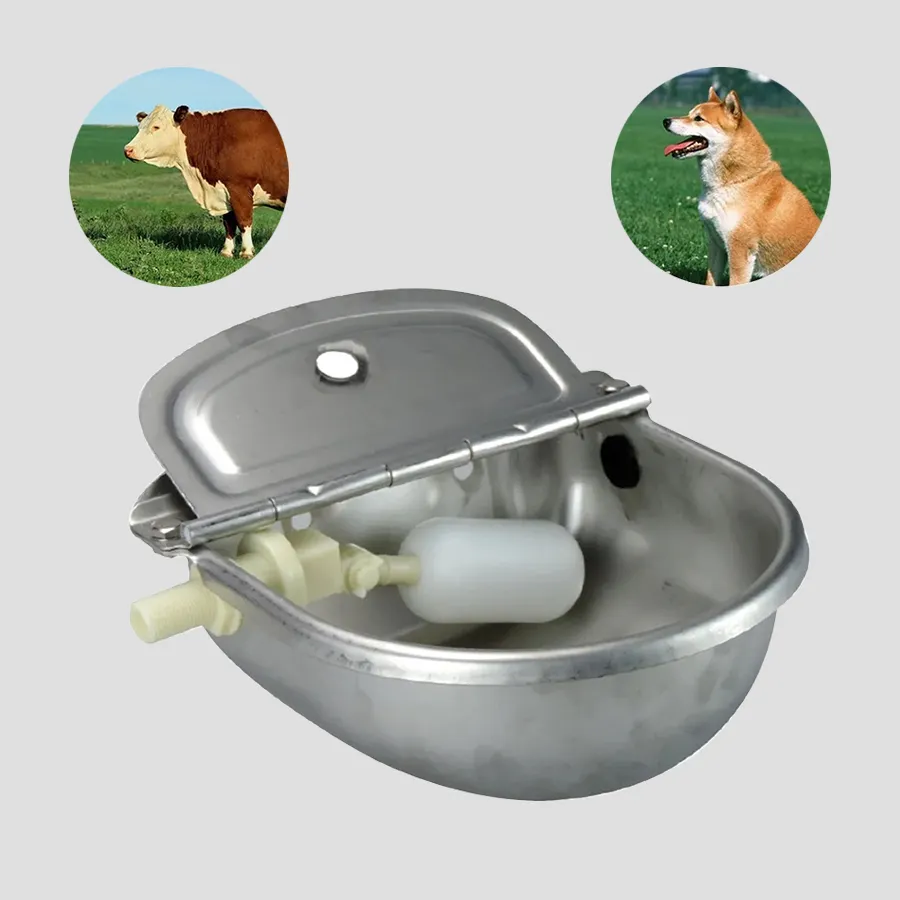
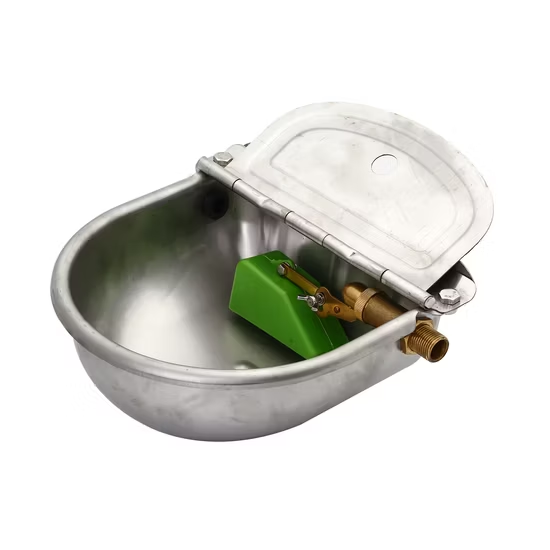
How Do Animal Drinking Bowls Vary by Animal Type?

05

Jan

How Do Animal Drinking Bowls Vary by Animal Type?

Designing Livestock Hydration: The Science Behind Effective Animal Drinking Bowls Animal drinking bowls play a pivotal role in safeguarding the health, hydration and productivity of diverse livestock and domestic animals. The significance of pro...
View More
What Do Farmers Often Overlook When Choosing a Pig Farrowing Crate Design?

28

Feb

What Do Farmers Often Overlook When Choosing a Pig Farrowing Crate Design?

Modern swine production demands careful consideration of every detail that affects animal welfare, operational efficiency, and profitability. When selecting the optimal pig farrowing crate design, farmers often focus on immediate cost factors while o...
View More
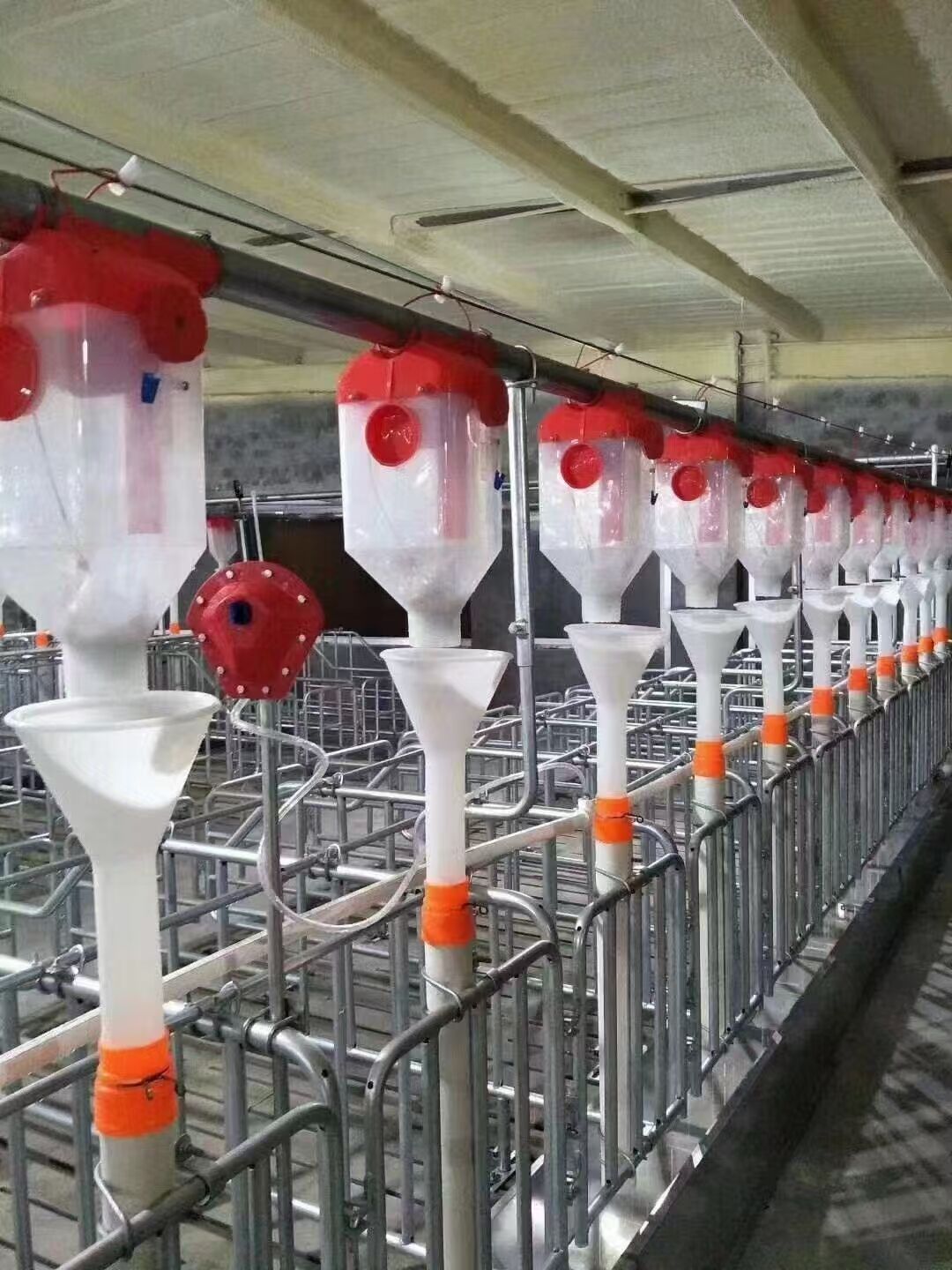
How does a flat feeding drinking line optimize floor space in poultry houses?

31

Mar

How does a flat feeding drinking line optimize floor space in poultry houses?

Modern poultry operations face increasing pressure to maximize production efficiency while maintaining optimal bird welfare standards. The strategic use of floor space has become a critical factor in determining the economic viability of commercial p...
View More

Get a Free Quote

Our representative will contact you soon.
Email
Name
Company Name
Intended Products
Message
0/1000

broiler transport crates

Advanced Ventilation Technology for Optimal Bird Health

Advanced Ventilation Technology for Optimal Bird Health

The ventilation system integrated into modern broiler transport crates represents a breakthrough in maintaining bird welfare during transportation. This sophisticated feature incorporates scientifically designed airflow patterns that ensure consistent fresh air circulation throughout the container, regardless of stacking arrangements or external weather conditions. The strategic placement of ventilation openings creates cross-flow air movement that prevents hot spots and maintains uniform temperature distribution across all areas of the crate. This technology becomes particularly crucial during longer transport distances or in challenging weather conditions where temperature regulation can mean the difference between healthy arrival and significant mortality rates. The ventilation design accounts for the natural breathing patterns and heat generation of broilers, providing adequate oxygen supply while efficiently removing carbon dioxide and excess moisture that could create unhealthy conditions. Advanced materials used in the ventilation components resist clogging from dust, feathers, or debris, maintaining consistent airflow performance throughout extended use periods. The engineering behind these ventilation systems draws from extensive research in avian physiology and aerodynamics, resulting in air movement patterns that minimize drafts while maximizing air exchange rates. This careful balance prevents both stagnant air conditions that can lead to heat stress and excessive air movement that might cause additional stress to the birds. The practical benefits of this advanced ventilation technology extend beyond immediate bird welfare concerns to impact overall transportation economics. Reduced mortality rates during transport directly translate to higher profitability for producers, as each bird that arrives healthy at the processing facility represents preserved investment and revenue potential. Additionally, birds that experience less stress during transport typically maintain better meat quality characteristics, supporting premium pricing opportunities in quality-focused markets. The reliability of these ventilation systems reduces the risk of catastrophic losses due to environmental factors during transport, providing peace of mind for producers and transporters alike.
Superior Durability and Construction Excellence

Superior Durability and Construction Excellence

The construction quality of premium broiler transport crates sets new standards for durability and reliability in commercial poultry transportation applications. These containers utilize advanced polymer materials specifically formulated to withstand the harsh conditions encountered in daily commercial use, including exposure to cleaning chemicals, temperature extremes, and mechanical stress from loading operations. The engineering approach focuses on creating structures that maintain their integrity through thousands of loading cycles while resisting common failure modes such as cracking, warping, or structural degradation. Reinforcement strategies incorporated into the design include strategic ribbing patterns that distribute weight loads evenly across the crate structure, preventing stress concentrations that could lead to premature failure. The material selection process considers factors such as impact resistance, chemical compatibility with sanitizing agents, and long-term stability under varying environmental conditions. Advanced manufacturing techniques ensure consistent wall thickness and structural uniformity, eliminating weak points that could compromise container integrity during critical transport operations. The modular design approach allows for efficient replacement of individual components if needed, extending the overall service life of the transport system while minimizing maintenance costs. Quality control measures implemented during production include stress testing protocols that simulate years of commercial use in accelerated timeframes, ensuring that each crate meets rigorous performance standards before reaching customers. The investment in superior construction materials and manufacturing processes pays dividends through reduced replacement frequency and lower total cost of ownership over the equipment lifecycle. Users report operational lifespans exceeding industry averages, with many crates remaining in active service for years beyond their initial projected replacement dates. This durability advantage becomes particularly valuable for high-volume operations where equipment failure could disrupt critical transportation schedules and result in significant economic losses. The reliability factor also supports better planning and budgeting, as operators can count on consistent performance from their transport crate inventory without unexpected replacement expenses.
Ergonomic Design for Enhanced Operational Safety

Ergonomic Design for Enhanced Operational Safety

The ergonomic features built into modern broiler transport crates prioritize worker safety and operational efficiency, addressing the physical demands placed on personnel during daily loading and handling operations. These design elements result from extensive research into workplace injury prevention and human factors engineering, creating containers that reduce physical stress on workers while improving productivity and safety outcomes. The handle configurations and grip surfaces incorporate non-slip materials and optimal positioning that allows for secure handling even when workers wear gloves or operate in wet conditions common in poultry facilities. Weight distribution optimization ensures that loaded crates maintain proper balance during lifting and carrying operations, reducing the risk of dropping incidents that could cause injury to workers or harm to the birds. The dimensions and proportions of these containers align with established ergonomic guidelines for manual handling tasks, keeping lifting distances within safe ranges and minimizing awkward body positions during routine operations. Corner designs eliminate sharp edges and pinch points that could cause cuts or bruises during handling, while smooth surfaces facilitate easy cleaning and reduce the accumulation of debris that might create hazardous conditions. Stacking features include alignment guides and secure locking mechanisms that prevent unexpected shifting or collapse of stacked units, protecting workers from crushing injuries and maintaining stable storage configurations. The lightweight construction materials reduce the overall handling weight while maintaining structural strength requirements, enabling workers to complete more loading cycles with less fatigue and lower injury risk. Visual indicators and color-coding systems help workers quickly identify proper handling orientations and stacking procedures, reducing confusion and potential safety incidents during high-pressure loading operations. Training requirements become simplified due to intuitive design features that make proper handling techniques more obvious and natural for personnel. The cumulative effect of these ergonomic improvements creates safer working environments that support higher employee retention rates and reduced workers compensation claims. Facilities implementing these advanced broiler transport crates report measurable improvements in safety metrics and worker satisfaction scores, demonstrating the tangible value of investing in well-designed equipment that prioritizes human factors alongside functional performance requirements.
Tel Tel WhatApp WhatApp Email Email WeChat WeChat
WeChat