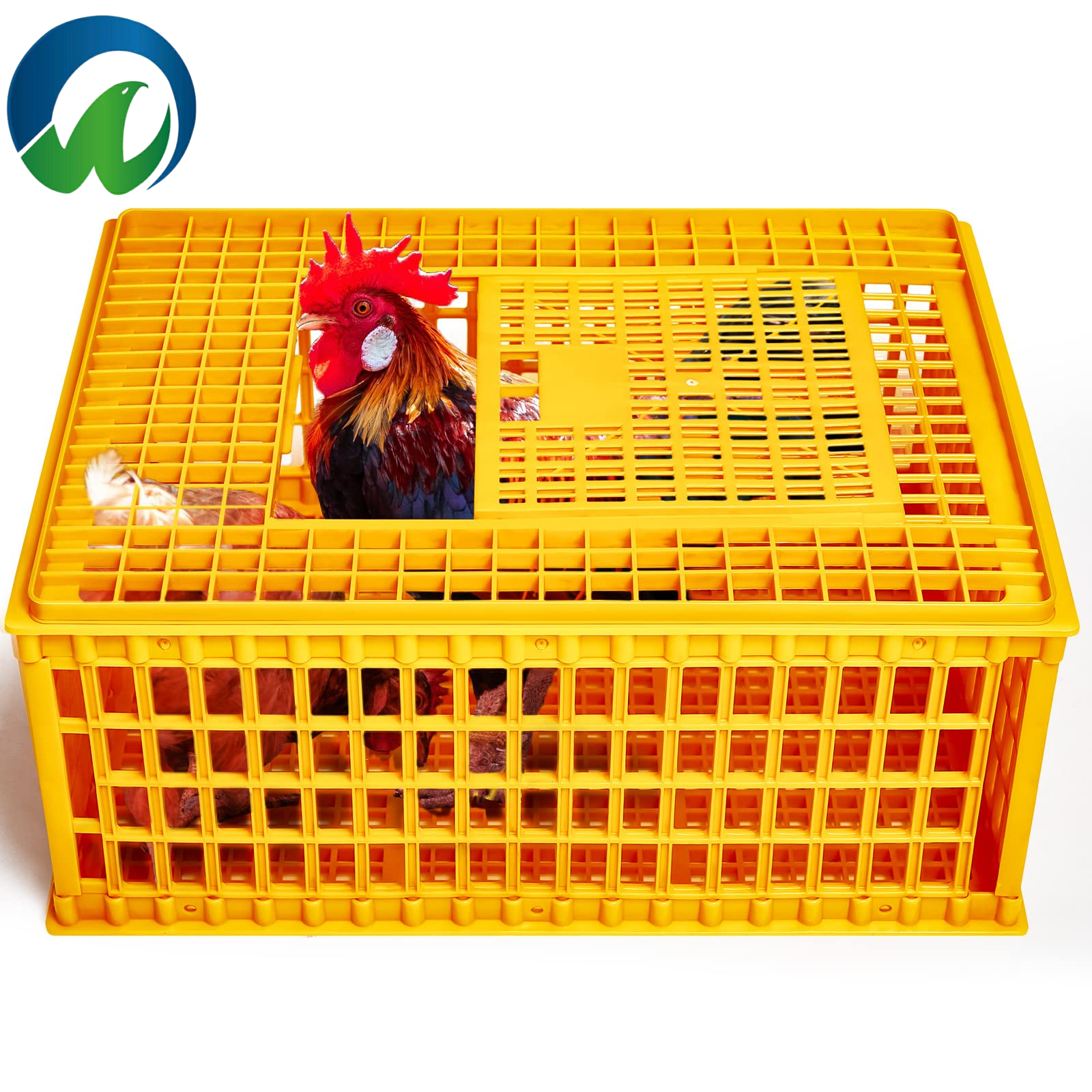
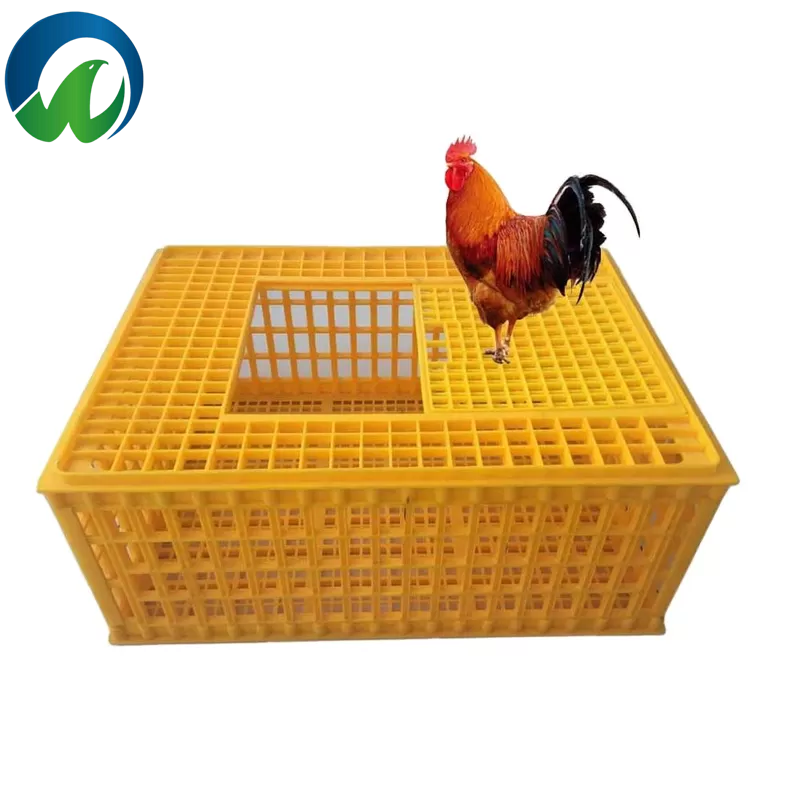
poultry cages for transport
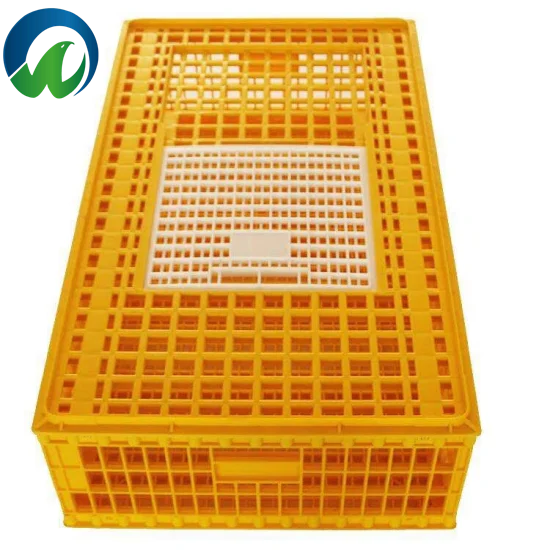
Poultry cages for transport represent a critical component in the modern agricultural supply chain, specifically designed to facilitate the safe, efficient, and humane movement of birds from production facilities to processing plants or other destinations. These specialized containers serve as protective enclosures that maintain animal welfare standards while ensuring operational efficiency during transportation processes. The primary function of poultry cages for transport centers around creating a secure environment that minimizes stress on birds while maximizing space utilization and accessibility for handlers. These cages incorporate ventilation systems that provide adequate airflow, preventing heat stress and ensuring optimal oxygen levels throughout the journey. The structural design features reinforced frames constructed from durable materials such as galvanized steel or high-grade aluminum, providing exceptional strength while maintaining reasonable weight parameters. Advanced poultry cages for transport utilize modular construction principles, allowing for easy stacking and efficient loading onto transport vehicles. The cage dimensions are carefully calculated to accommodate various bird sizes while preventing overcrowding and ensuring compliance with animal welfare regulations. Technological features include smooth interior surfaces that prevent injury, secure latching mechanisms that prevent accidental opening during transit, and drainage systems that maintain cleanliness and hygiene standards. Many modern poultry cages for transport incorporate RFID tracking capabilities, enabling real-time monitoring of shipment locations and conditions. The applications of these transport systems extend across multiple sectors of the poultry industry, including broiler production facilities, layer farms, breeding operations, and specialty poultry producers. Processing plants rely heavily on standardized poultry cages for transport to maintain consistent throughput and quality control measures. The versatility of these systems allows for adaptation to various transportation methods, including trucks, trailers, and specialized poultry transport vehicles. Quality control measures ensure that each cage meets stringent safety standards and regulatory requirements established by agricultural authorities and animal welfare organizations.
 EN
EN