Premium Flat Feeding Drinking Line Types - Advanced Livestock Automation Systems

Get a Free Quote

Our representative will contact you soon.
Email
Name
Company Name
Intended Products
Message
0/1000

flat feeding drinking line types

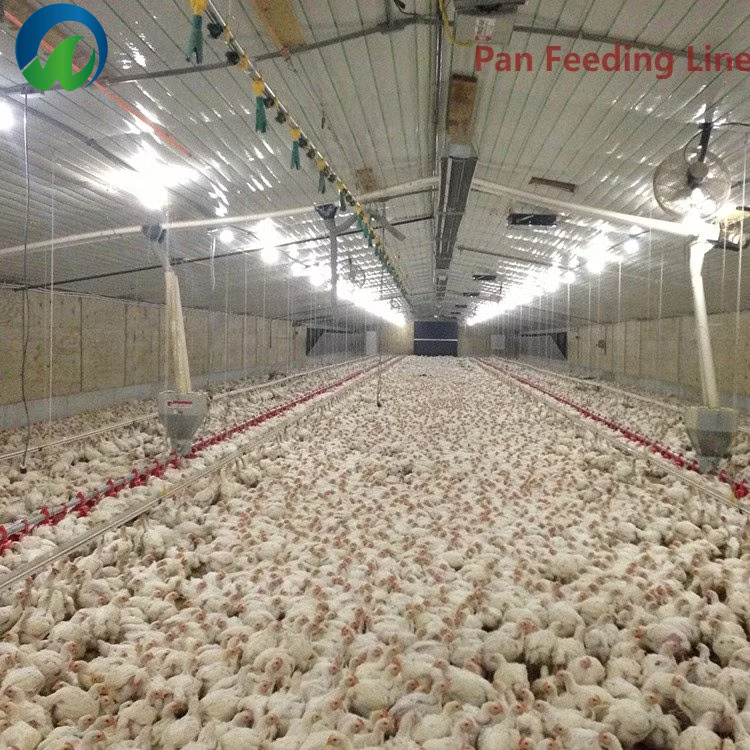
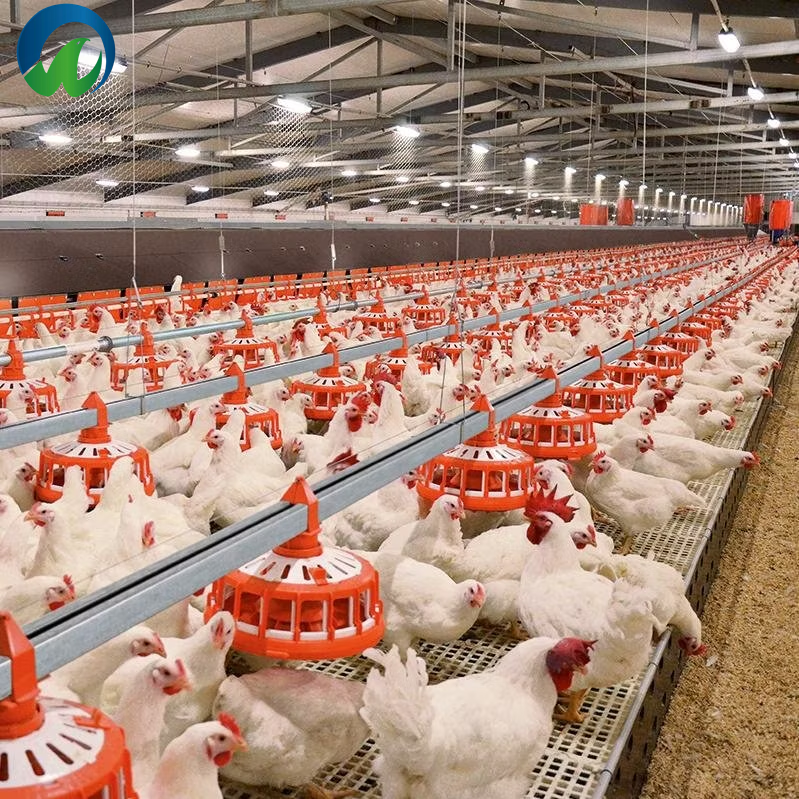
Flat feeding drinking line types represent a revolutionary approach to automated animal feeding and watering systems, designed specifically for modern livestock operations seeking efficiency and cost-effectiveness. These sophisticated systems integrate feeding mechanisms with drinking components in a streamlined, horizontal configuration that maximizes space utilization while ensuring optimal animal welfare. The flat feeding drinking line types incorporate advanced engineering principles that deliver consistent nutrition and hydration to animals through precisely calibrated distribution networks. The main functions of flat feeding drinking line types encompass automated feed delivery, continuous water supply, portion control management, and waste minimization protocols. These systems utilize gravity-fed mechanisms combined with pressure-regulated water lines that maintain steady flow rates throughout operational periods. The technological features of flat feeding drinking line types include corrosion-resistant materials, adjustable flow controllers, easy-clean surfaces, and modular construction elements that facilitate installation and maintenance procedures. Smart sensor integration allows for real-time monitoring of consumption patterns, enabling farmers to optimize feeding schedules and detect potential health issues early. The applications of flat feeding drinking line types span across various livestock sectors, including poultry operations, swine facilities, dairy farms, and small ruminant enclosures. These versatile systems adapt seamlessly to different barn configurations, supporting both small-scale family farms and large commercial enterprises. Climate control integration ensures that flat feeding drinking line types maintain optimal temperature conditions for both feed and water, preventing freezing in cold environments and maintaining freshness in warmer climates. The precision engineering behind flat feeding drinking line types ensures uniform distribution across extended line lengths, eliminating dead zones where animals might experience reduced access to nutrition or hydration resources.

Popular Products

The primary advantages of flat feeding drinking line types center on their exceptional efficiency in resource management and operational cost reduction for livestock producers. These systems dramatically reduce labor requirements by automating feeding and watering processes that traditionally demanded significant manual intervention throughout daily operations. Farmers experience substantial time savings as flat feeding drinking line types eliminate the need for frequent refilling of individual feeders and water containers, allowing personnel to focus on other critical farm management activities. The precision delivery mechanisms inherent in flat feeding drinking line types ensure consistent portion control, preventing overfeeding and reducing feed waste that typically costs producers thousands of dollars annually. Water conservation becomes achievable through sophisticated valve systems that prevent spillage and contamination, addressing both environmental concerns and operational expenses. The durability of flat feeding drinking line types translates to long-term financial benefits, as high-quality materials resist corrosion, impact damage, and wear from continuous animal contact. Installation flexibility allows producers to customize flat feeding drinking line types according to specific barn layouts and animal housing configurations, maximizing existing infrastructure investments. Maintenance requirements remain minimal due to accessible components and self-cleaning features that reduce bacterial buildup and system blockages. The scalability of flat feeding drinking line types enables producers to expand operations efficiently without completely redesigning feeding infrastructure, supporting business growth objectives. Animal welfare improvements result from consistent access to fresh feed and clean water, leading to better growth rates, improved health outcomes, and enhanced production metrics. The automated nature of flat feeding drinking line types ensures continuous operation even during adverse weather conditions or when farm personnel are unavailable, maintaining animal care standards consistently. Economic returns accelerate through improved feed conversion ratios, reduced mortality rates, and optimized growth performance that directly impact profitability. The integration capabilities of flat feeding drinking line types with existing farm management software provide valuable data analytics for informed decision-making and strategic planning initiatives.

Practical Tips

How are chicken transport crates customized for export requirements?

29

Jan

How are chicken transport crates customized for export requirements?

The global poultry industry relies heavily on specialized transportation solutions to ensure the safe and humane movement of live chickens across international borders. A well-designed chicken transport crate serves as the foundation for successful e...
View More
How do farms select cattle drinking bowls for automated systems?

29

Jan

How do farms select cattle drinking bowls for automated systems?

Modern dairy and beef operations increasingly rely on automated watering systems to ensure consistent hydration for their livestock. The selection of an appropriate cattle drinking bowl represents a critical decision that directly impacts animal welf...
View More
Why is the accuracy of a continuous syringe vital for large-scale dosing?

31

Mar

Why is the accuracy of a continuous syringe vital for large-scale dosing?

The precision of medication delivery in large-scale veterinary operations directly impacts animal health outcomes, treatment efficacy, and operational profitability. When administering vaccines, medications, or supplements to hundreds or thousands of...
View More
How does an automatic animal drinking bowl prevent water contamination?

31

Mar

How does an automatic animal drinking bowl prevent water contamination?

Water contamination in livestock drinking systems poses significant threats to animal health, productivity, and farm profitability. Traditional watering methods often expose water sources to bacterial growth, algae formation, and external contaminant...
View More

Get a Free Quote

Our representative will contact you soon.
Email
Name
Company Name
Intended Products
Message
0/1000

flat feeding drinking line types

Advanced Automation Technology Integration

Advanced Automation Technology Integration

The sophisticated automation technology integrated within flat feeding drinking line types revolutionizes traditional livestock management practices by incorporating intelligent control systems that respond dynamically to animal behavior patterns and environmental conditions. These cutting-edge systems utilize programmable logic controllers that monitor consumption rates in real-time, automatically adjusting feed dispensation and water flow based on predetermined schedules and actual demand patterns. The automation features include timer-controlled feeding cycles that can be customized for different age groups and production stages, ensuring optimal nutrition delivery throughout various growth phases. Smart sensors embedded within flat feeding drinking line types detect animal presence and activity levels, triggering appropriate responses that minimize waste while maximizing accessibility. The integration extends to environmental monitoring capabilities that track temperature, humidity, and air quality parameters, automatically adjusting system operations to maintain ideal conditions for animal health and feed preservation. Remote monitoring capabilities allow farm operators to supervise multiple flat feeding drinking line types installations from centralized control systems, enabling efficient management of large-scale operations across different locations. The automation technology includes fault detection algorithms that identify potential system malfunctions before they impact animal welfare, sending immediate alerts to farm personnel through mobile applications or computer interfaces. Predictive maintenance features analyze operational data to recommend optimal service intervals, reducing unexpected downtime and extending equipment lifespan significantly. The learning algorithms incorporated in advanced flat feeding drinking line types continuously optimize performance based on historical consumption patterns, seasonal variations, and specific animal behavioral characteristics. Energy efficiency optimization occurs through intelligent power management systems that reduce electricity consumption during low-activity periods while maintaining essential functions. The automation technology supports integration with existing farm management software platforms, creating comprehensive data ecosystems that enhance decision-making processes and operational efficiency. These technological advancements position flat feeding drinking line types as essential components of modern precision agriculture initiatives, delivering measurable improvements in productivity, sustainability, and profitability for progressive livestock operations.
Superior Hygiene and Health Management

Superior Hygiene and Health Management

The exceptional hygiene standards maintained by flat feeding drinking line types establish new benchmarks for animal health management in contemporary livestock operations, addressing critical concerns about disease prevention and food safety protocols. The innovative design incorporates antimicrobial surface treatments that actively inhibit bacterial growth and pathogen proliferation, creating safer feeding environments for animals while reducing disease transmission risks significantly. Self-cleaning mechanisms built into flat feeding drinking line types utilize automated flushing cycles that remove feed residues and contaminants before they accumulate to problematic levels, maintaining optimal sanitary conditions without manual intervention requirements. The closed-system architecture prevents external contamination sources from entering feed and water supplies, protecting animals from environmental pathogens and ensuring consistent product quality throughout storage and delivery phases. Stainless steel construction materials resist corrosion and bacterial adhesion, providing long-term hygienic performance that meets stringent food safety regulations and industry quality standards. The streamlined design of flat feeding drinking line types eliminates crevices and dead spaces where harmful microorganisms typically accumulate, facilitating thorough cleaning procedures and reducing sanitization time requirements significantly. Water quality management features include filtration systems and UV sterilization components that maintain drinking water purity, preventing waterborne illness outbreaks that can devastate livestock populations and compromise production efficiency. The segregated feed delivery system prevents cross-contamination between different feed types and medications, ensuring accurate dosing and preventing adverse interactions that could compromise animal health outcomes. Regular monitoring protocols integrated within flat feeding drinking line types track consumption patterns that may indicate early signs of illness or stress, enabling prompt veterinary intervention before conditions become severe or widespread. The hygienic advantages extend to reduced pest attraction, as sealed feed storage and delivery systems minimize opportunities for rodents and insects to access animal nutrition supplies. Easy-access panels and removable components facilitate thorough inspection and cleaning procedures, supporting comprehensive hygiene management programs that exceed regulatory requirements. These superior hygiene features contribute directly to improved animal welfare outcomes, reduced veterinary costs, enhanced product quality, and increased consumer confidence in livestock production standards.
Cost-Effective Installation and Maintenance Solutions

Cost-Effective Installation and Maintenance Solutions

The remarkable cost-effectiveness of flat feeding drinking line types stems from their innovative modular design and simplified installation processes that significantly reduce initial capital investments while providing exceptional long-term value for livestock producers of all scales. The lightweight construction materials and streamlined assembly procedures enable rapid installation with minimal specialized equipment or extensive infrastructure modifications, reducing labor costs and project timelines substantially compared to traditional feeding system alternatives. The modular architecture allows producers to implement flat feeding drinking line types in phases, spreading capital expenditures over time while accommodating operational cash flow constraints and budget limitations effectively. Universal mounting systems compatible with existing barn structures eliminate expensive building modifications, maximizing utilization of current infrastructure investments and reducing overall project costs significantly. The standardized components used throughout flat feeding drinking line types simplify inventory management and reduce spare parts costs, as common elements serve multiple system functions and applications across different installation sizes. Maintenance requirements remain minimal due to robust engineering and high-quality materials that withstand harsh agricultural environments while maintaining optimal performance standards over extended operational periods. The accessible design facilitates routine maintenance procedures that farm personnel can perform using basic tools and minimal training, eliminating expensive service calls and reducing operational disruption periods. Energy efficiency features integrated within flat feeding drinking line types reduce electricity consumption through optimized motor operations and intelligent control systems that minimize power usage during inactive periods. The longevity of flat feeding drinking line types components translates to extended replacement cycles and reduced lifecycle costs, providing superior return on investment compared to conventional feeding equipment alternatives. Warranty coverage and manufacturer support programs protect producers from unexpected repair costs while ensuring reliable technical assistance throughout system operational lifecycles. The scalability advantages allow producers to expand existing flat feeding drinking line types installations incrementally without replacing entire systems, supporting business growth while controlling capital expenditure requirements. Reduced labor costs continue throughout operational periods as automated functions eliminate daily manual feeding tasks that traditionally require significant workforce allocation and time commitment. These comprehensive cost advantages make flat feeding drinking line types accessible to diverse agricultural operations while delivering measurable financial benefits that enhance overall farm profitability and operational sustainability.
Tel Tel WhatApp WhatApp Email Email WeChat WeChat
WeChat